On June 2, 1865, the last major Confederate army surrendered, officially closing the chapter on the American Civil War. General Edmund Kirby Smith, leading Confederate forces in the Trans-Mississippi Department, signed the terms of surrender, marking the definitive end to a conflict that had ravaged the nation for four years. While the capitulations of generals like Robert E. Lee and Joseph E. Johnston were more widely publicized, Smith’s surrender was symbolically vital: it signaled the collapse of organized Confederate resistance. With it came the start of an uncertain journey toward national reconciliation and the daunting task of rebuilding a fractured Union.
The Road to Final Surrender
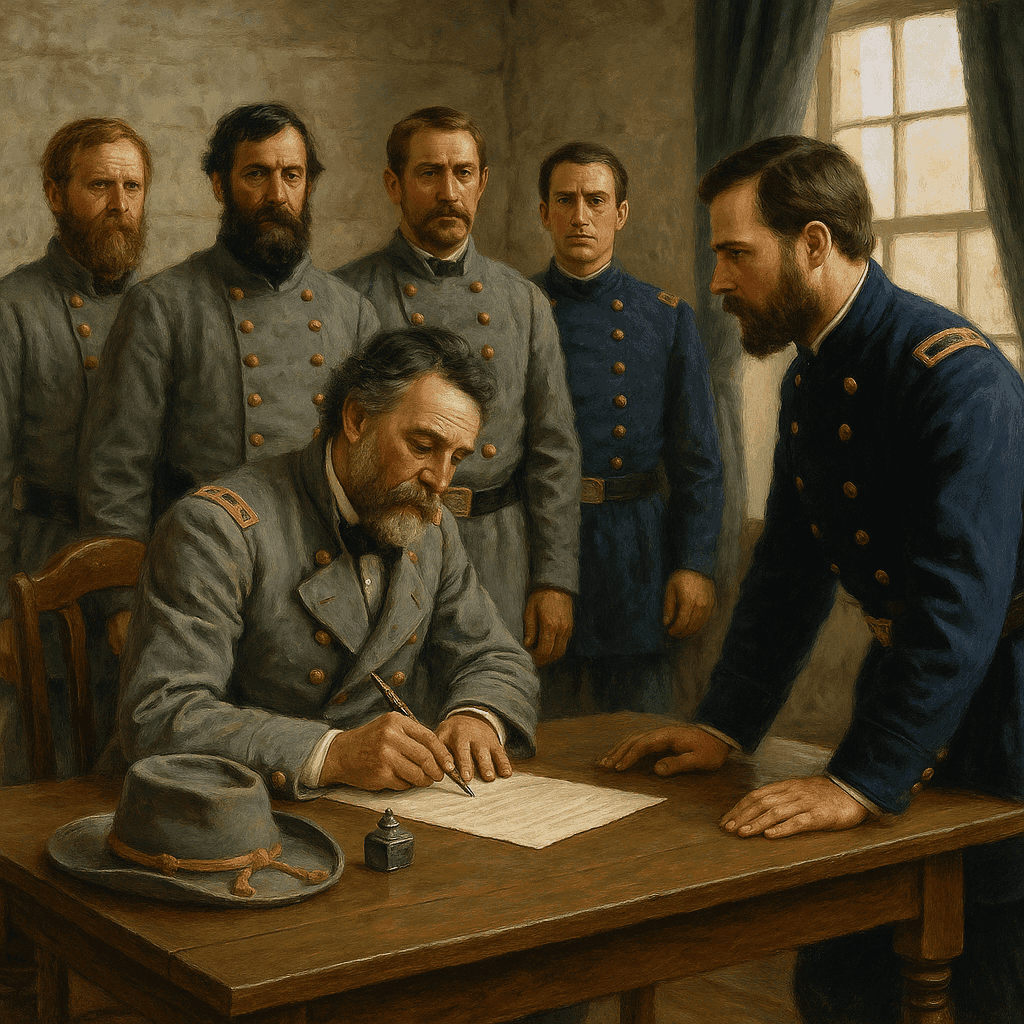
Though General Lee’s surrender at Appomattox on April 9, 1865, is commonly remembered as the end of the Civil War, the conflict continued in several regions for weeks afterward. Various Confederate generals, still in command of isolated forces, either held out hope for negotiated peace or struggled with disbanding their troops. General Edmund Kirby Smith, stationed west of the Mississippi River, oversaw the last substantial Confederate force. Despite the collapse of the Confederacy in the east, Smith attempted to maintain resistance, even as morale plummeted and desertions mounted.
By late May, Smith realized the futility of continuing the fight. The Confederate government had effectively ceased to exist, and Union forces now held control over the majority of the South. On June 2, near Galveston, Texas, Smith formally surrendered his army. His decision was pragmatic—resistance was not only hopeless but would come at unnecessary human cost. The signing of these final surrender terms marked the end of large-scale military engagements and allowed the Union to declare the war officially over.
Reconstructing a Nation
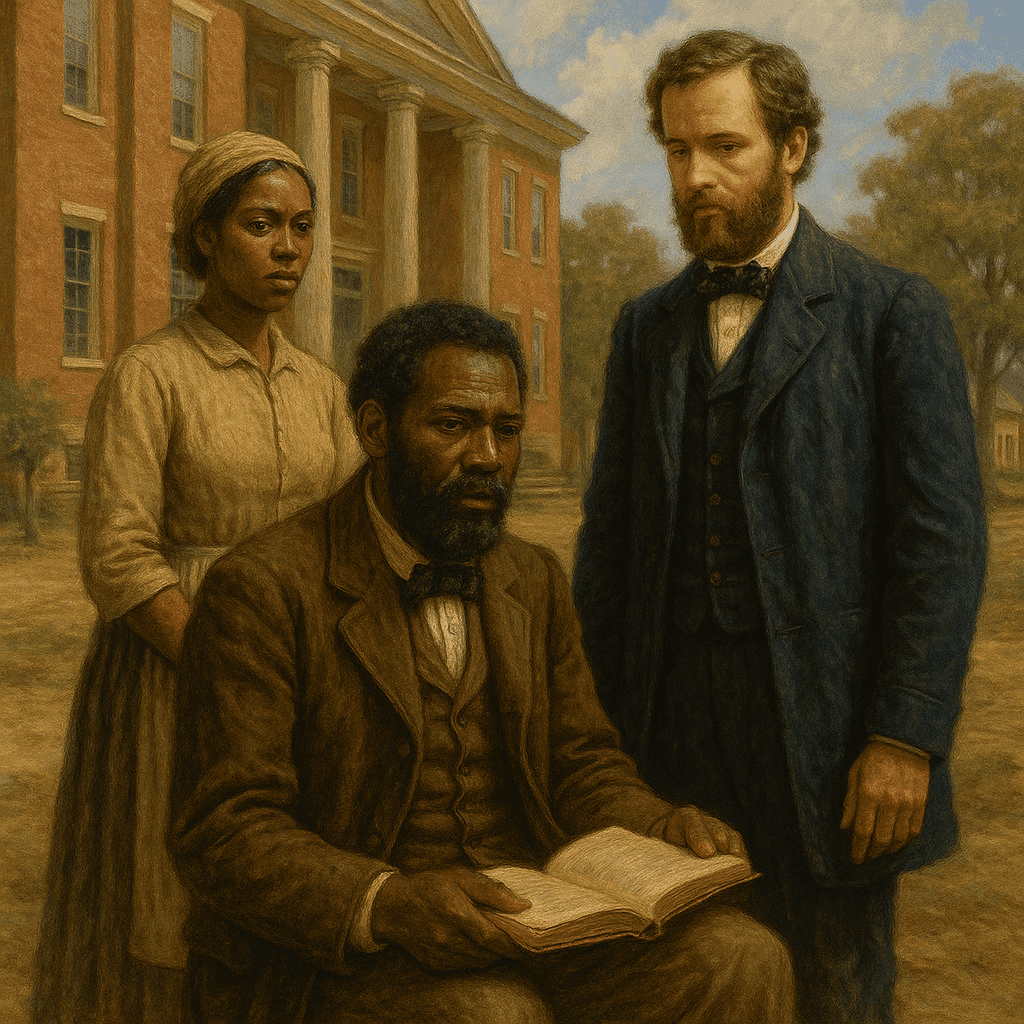
The conclusion of hostilities on June 2 cleared the path for the tumultuous Reconstruction Era, a period of profound transformation and bitter struggle. The physical and economic rebuilding of the South was only one aspect of this monumental undertaking. Far more complex was the reintegration of Confederate states and the redefinition of citizenship, particularly concerning formerly enslaved people.
President Andrew Johnson’s approach to Reconstruction, which followed Lincoln’s assassination, sought to reintegrate Southern states quickly, often without significant protections for the rights of freedmen. This leniency clashed with Radical Republicans in Congress, who pushed for stronger federal intervention and civil rights legislation. Amid this political tug-of-war, African Americans made strides in education, property ownership, and civic participation, even as white supremacist groups and discriminatory laws fought to roll back these gains.
Enduring Legacies of the War
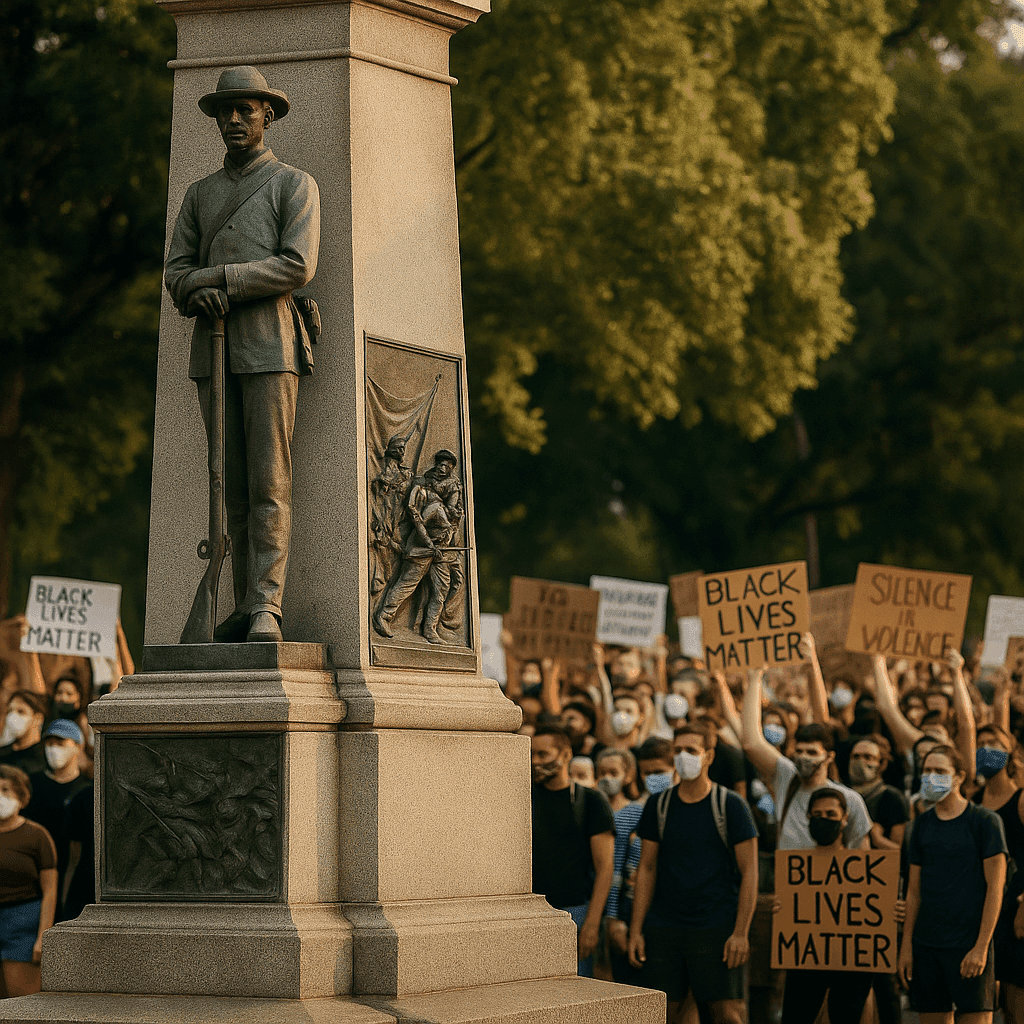
Though the guns fell silent in 1865, the effects of the Civil War reverberated far into the future. The war resolved the fundamental question of secession and ended the institution of slavery, but it also left behind deeply ingrained racial and regional animosities. Reconstruction's eventual failure allowed systemic racism and segregation to take hold in the South for another century.
In modern America, debates around Civil War memory, Confederate symbols, and racial justice underscore how the war’s unresolved issues continue to influence the national consciousness. Monuments, school curricula, and political discourse often reflect contrasting interpretations of the war’s causes and consequences. Yet June 2 remains a significant, if underrecognized, milestone—a date when, at last, the Confederacy laid down its arms, and the nation could begin to heal in earnest.