On June 18, 1815, Napoleon Bonaparte’s dream of a restored French empire came to a crushing end on the muddy fields near the Belgian village of Waterloo. In one of the most famous and consequential battles in European history, Napoleon's defeat at the hands of a coalition force led by Britain and Prussia not only ended his reign but also redrew the political landscape of Europe for decades to come.
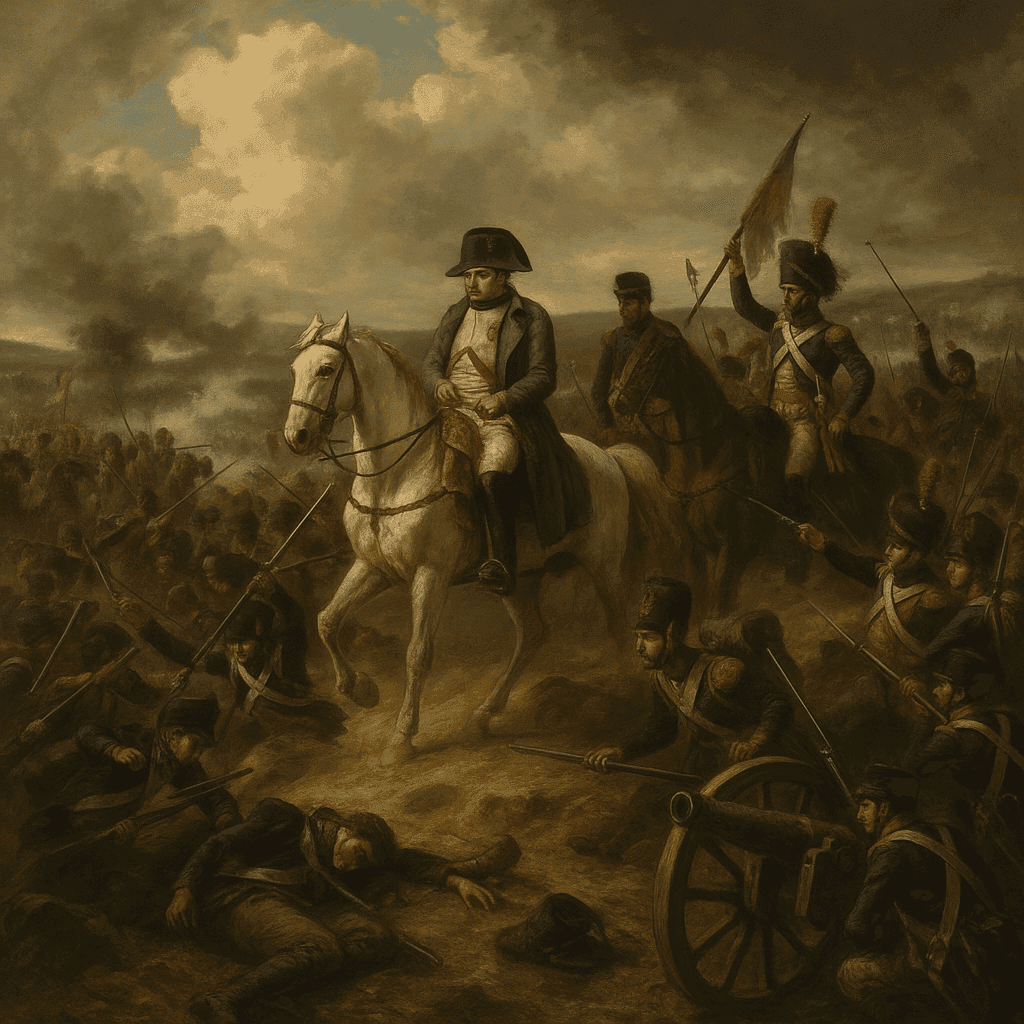
The Final Gamble
Having escaped exile on the island of Elba just three months earlier, Napoleon swiftly regained control of France in what became known as the Hundred Days. But Europe’s powers quickly rallied against him, determined to prevent a resurgence of his imperial ambitions. On June 18, Napoleon led his forces against the Duke of Wellington’s Anglo-allied army and the approaching Prussian troops under General Gebhard Leberecht von Blücher. Despite tactical brilliance and initial momentum, his army could not withstand the relentless pressure from both fronts, and by evening, it was in full retreat.
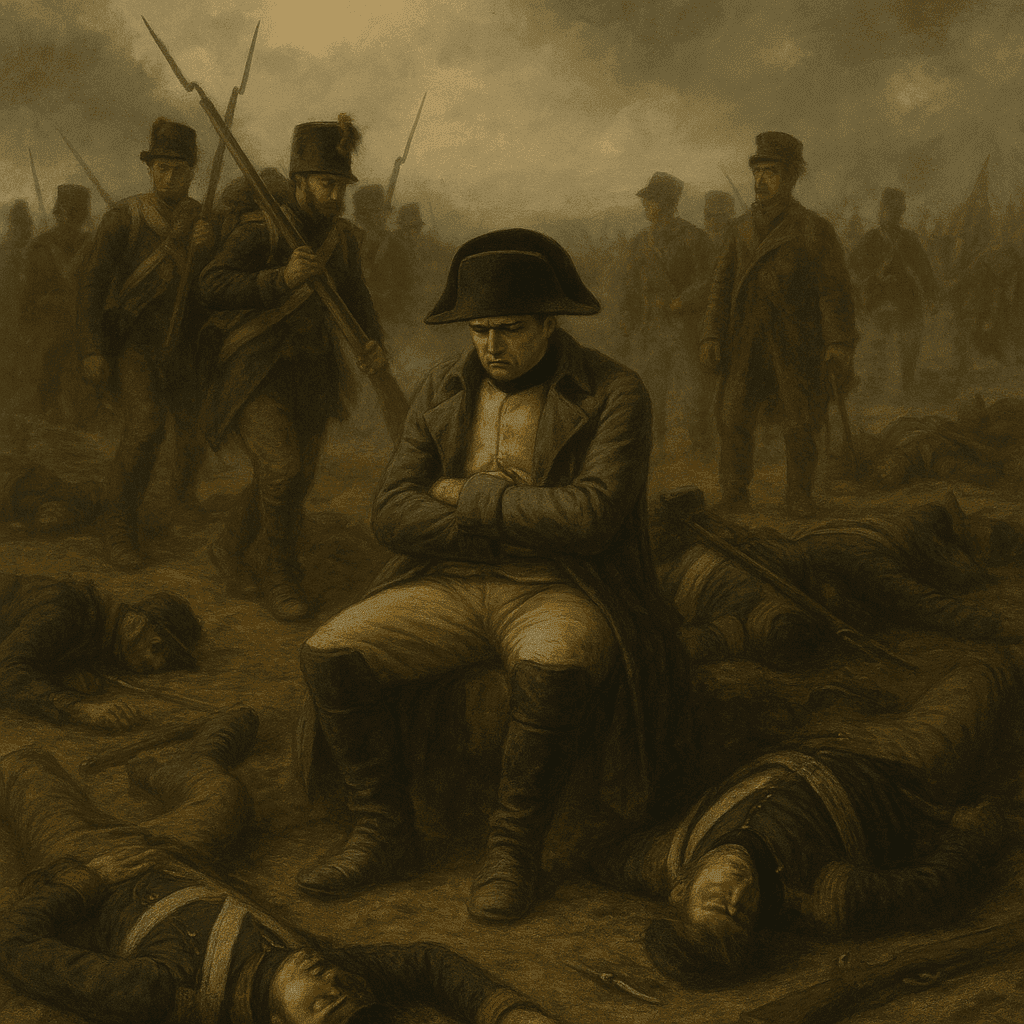
Defeat, Exile, and Legacy
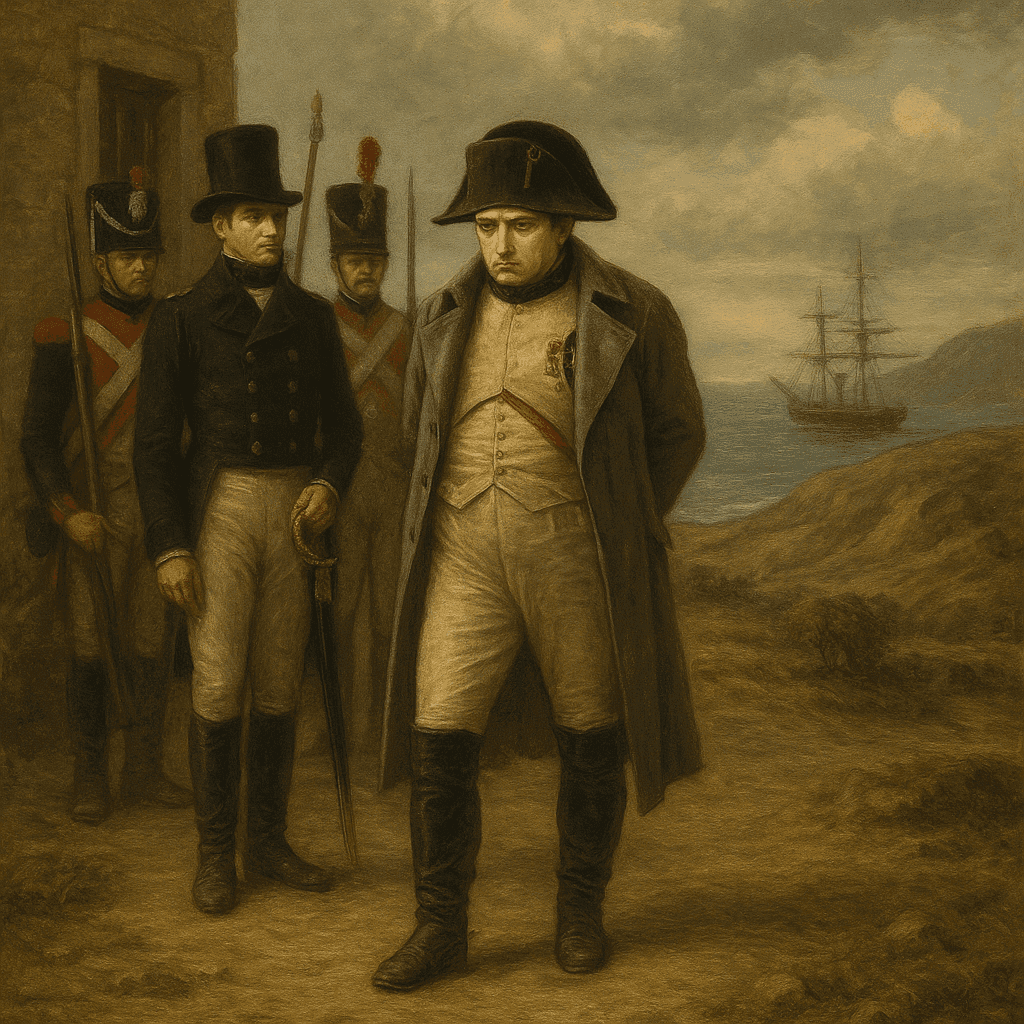
Napoleon’s loss forced his second abdication just four days later. Unlike his relatively lenient first exile, this time the British sent him to the isolated island of Saint Helena in the South Atlantic, where he would live out the rest of his life under constant supervision. France's monarchy was restored under King Louis XVIII, and the continent breathed a sigh of relief as decades of warfare finally came to a close.
A New European Order
Waterloo’s significance extended far beyond Napoleon’s downfall. It marked the beginning of a new European era shaped by the Congress of Vienna, which sought to maintain a balance of power and suppress revolutionary movements. The battle also transformed military doctrine, highlighting the importance of coalition warfare, logistics, and timing. Even today, “Waterloo” remains a powerful metaphor for ultimate defeat—and a pivotal moment when history turned on the actions of a single day.