On April 26, 1865, twelve days after the assassination of President Abraham Lincoln, John Wilkes Booth—the man behind the fatal shot—was finally cornered and killed. Tracked down to a tobacco barn on a Virginia farm, Booth's death marked the violent end to one of the darkest episodes in U.S. history and signaled the start of a long, uncertain road to national reconciliation.
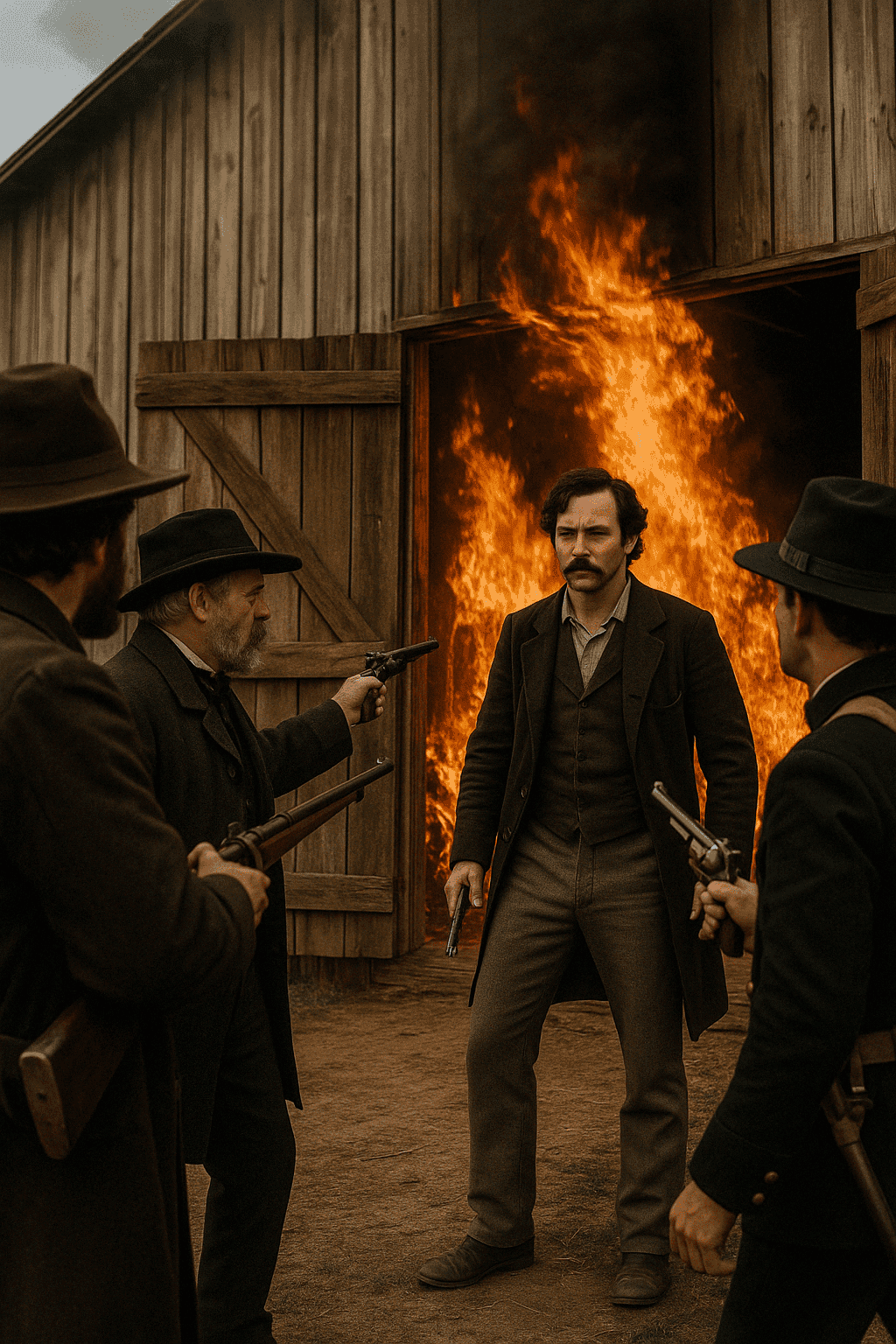
The Assassin on the Run
Following the assassination of Lincoln at Ford’s Theatre on April 14, 1865, Booth fled Washington, D.C., triggering one of the largest manhunts in American history. A popular stage actor and Southern sympathizer, Booth believed he was striking a blow for the Confederacy. Instead, his act stunned the war-weary nation and thrust the country into mourning just days after the Union's victory in the Civil War.
Booth and accomplice David Herold evaded capture for nearly two weeks, moving stealthily through the backwoods of Maryland and Virginia. With the help of Confederate sympathizers, they managed to stay one step ahead of the Union troops assigned to bring them in.
A Fiery Standoff in Virginia
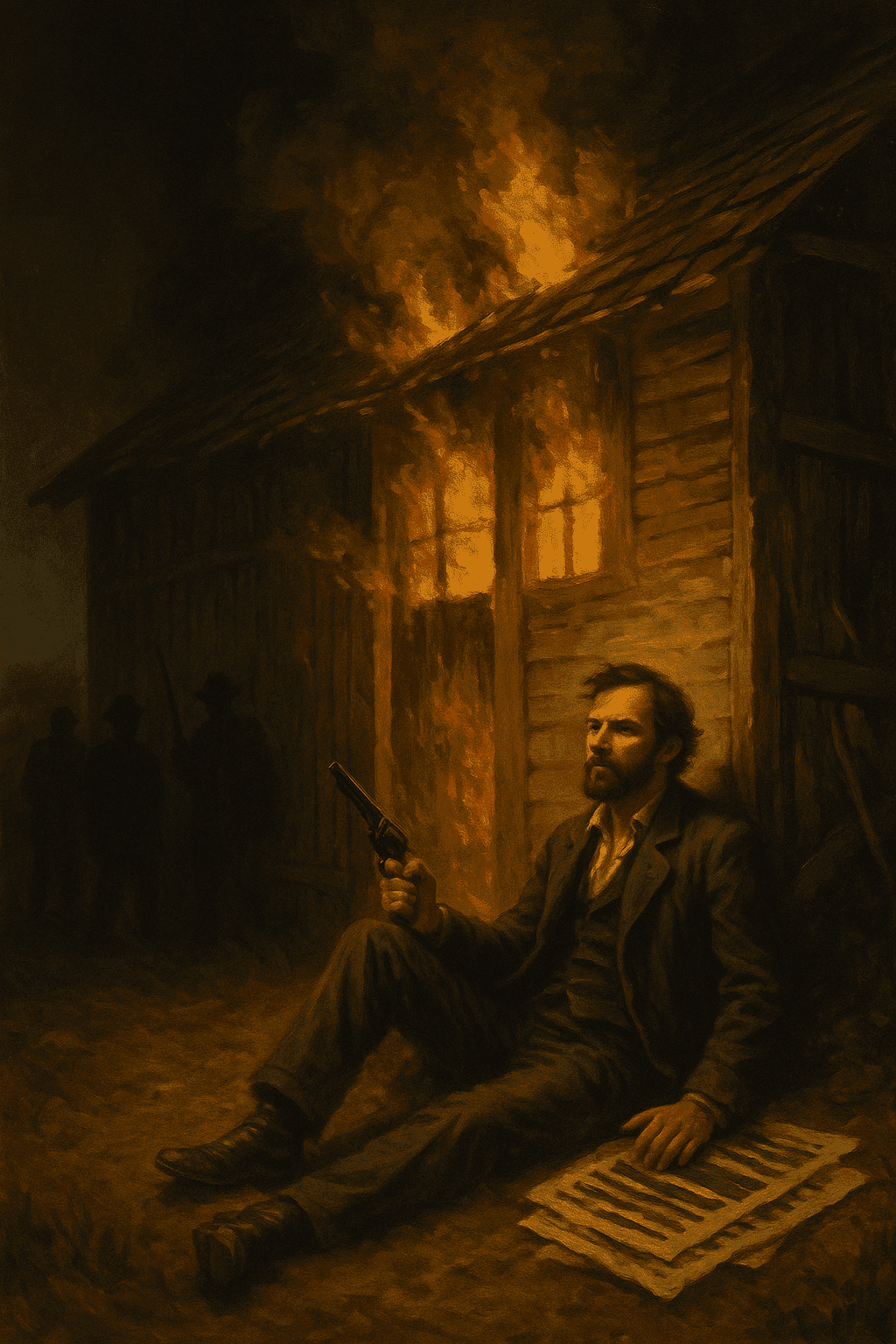
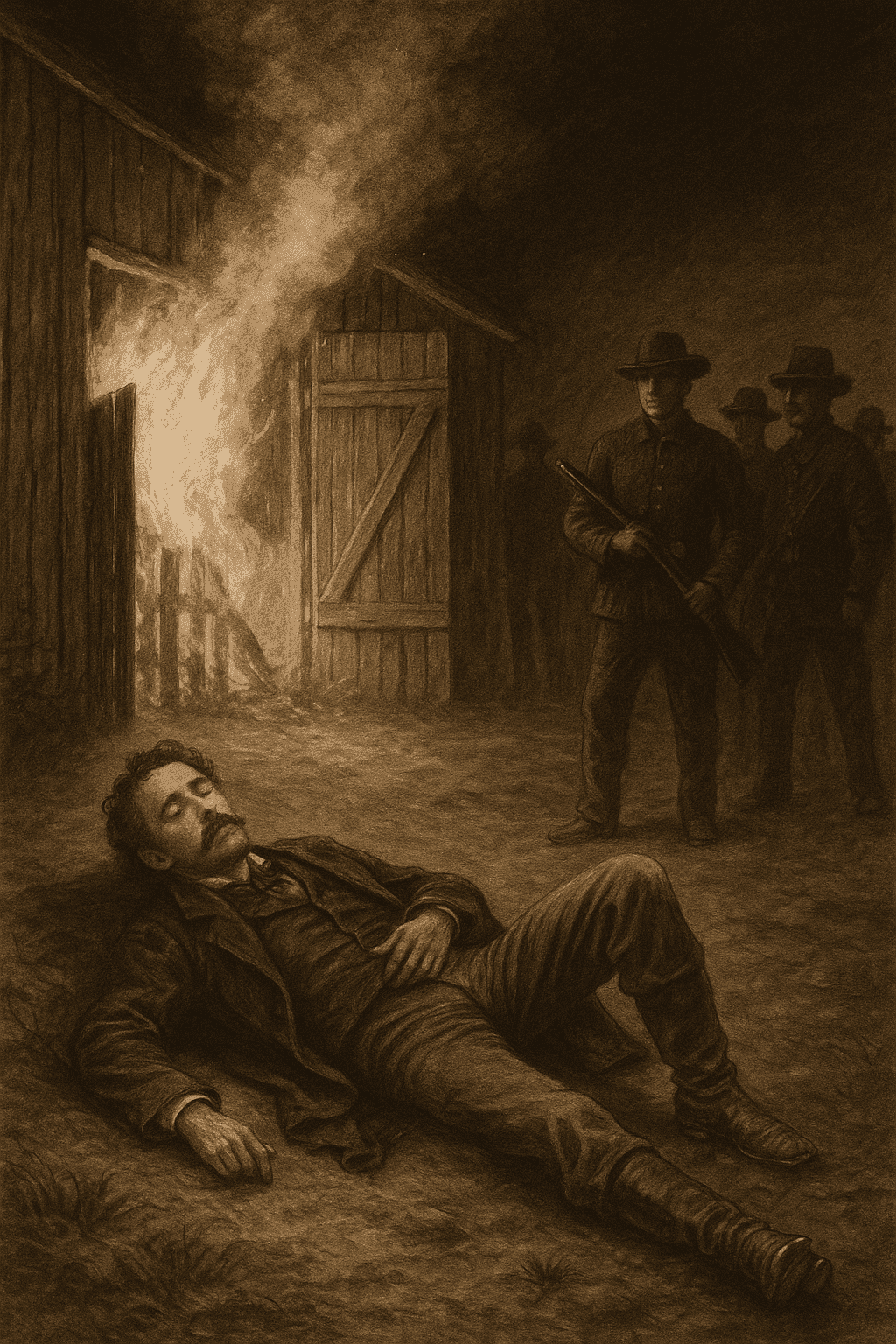
Their run came to an end at the Garrett farm near Port Royal, Virginia. Union soldiers surrounded the barn where Booth and Herold were hiding and demanded their surrender. Herold gave himself up, but Booth refused. In the early morning hours of April 26, the troops set the barn ablaze. Booth was shot—either by a soldier or by his own hand, accounts vary—and died hours later from his wounds.
As he lay dying, Booth reportedly uttered his final words: “Useless, useless.” His body was taken back to Washington, where it was positively identified and quietly buried.
A Nation Begins to Heal
Booth’s death brought a degree of closure to a grieving nation, but it did not undo the chaos he had caused. Lincoln’s assassination derailed hopes for a smooth Reconstruction and deepened the divisions already plaguing the post-war United States. Booth had imagined himself a martyr; instead, he became a symbol of senseless violence and the fragility of democracy in a nation struggling to heal.
April 26, 1865, marked not just the end of a fugitive’s life, but the beginning of a period defined by reconstruction, justice, and the struggle to reunite a fractured country. The fall of John Wilkes Booth closed the final page of the Civil War’s most tragic act and ushered in a new chapter—one of reckoning, rebuilding, and redefining the American future.