On June 6, 1933, moviegoers in Camden, New Jersey, experienced a new way to enjoy films with the grand opening of the world’s first drive-in movie theater. The brainchild of local entrepreneur Richard Hollingshead, the concept allowed people to watch movies from the comfort and convenience of their own automobiles. This innovation not only redefined the cinema experience but also became a beloved American pastime that would flourish for decades.
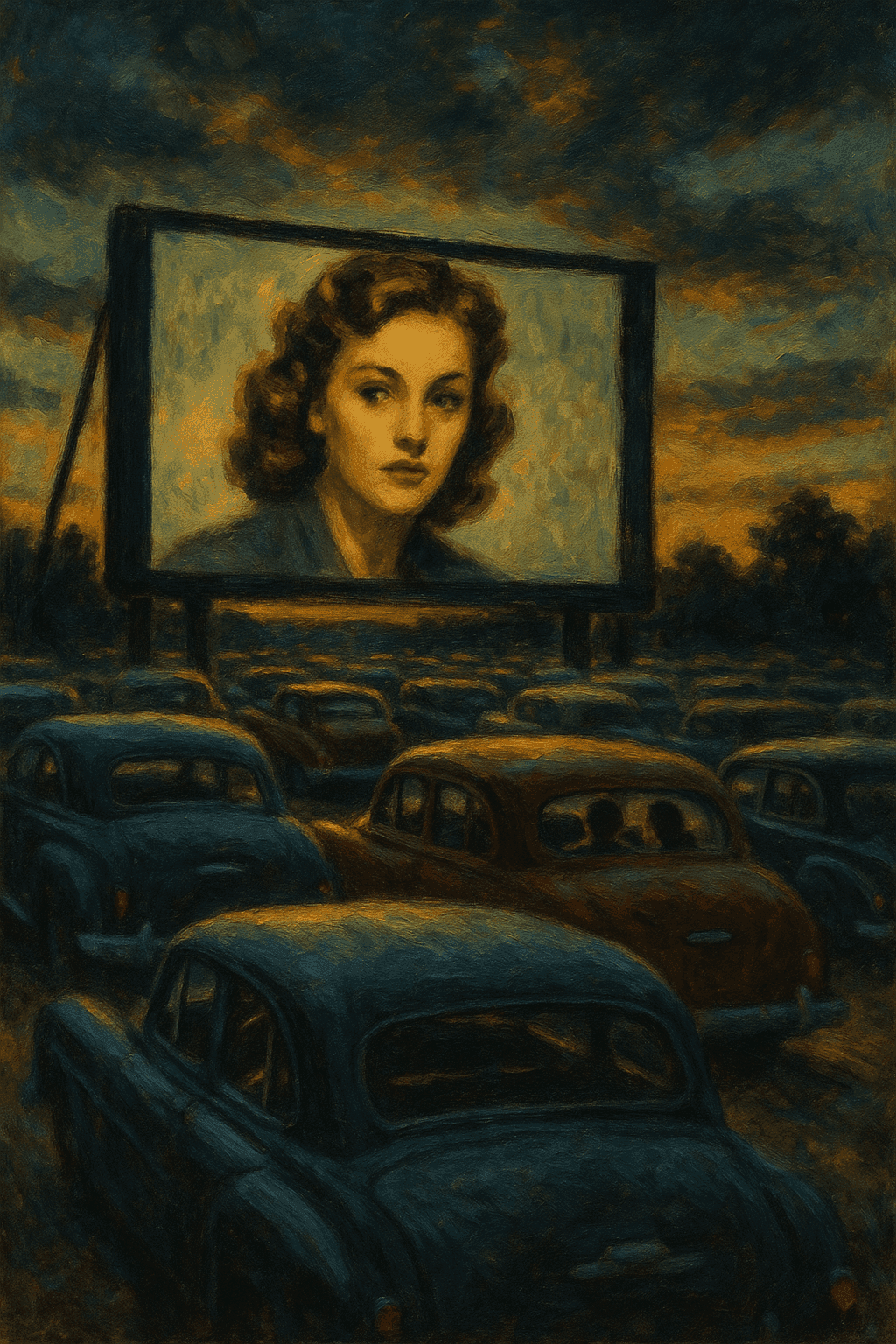
Innovation Born from a Simple Idea
Richard Hollingshead, inspired by his mother’s discomfort in traditional movie theater seating, set out to create a more relaxed and accessible way to enjoy films. In his driveway, he experimented with projector placement, car spacing, and sound delivery, eventually developing a system that worked. He patented the idea and secured the land for the first drive-in, calling it Park-In Theaters, Inc.
The first screening featured the British comedy Wives Beware, and admission cost 25 cents per car and 25 cents per person, with a cap at one dollar. The novelty of the experience—watching a film outdoors, reclining in a car seat—quickly caught the public’s imagination.
A Cultural Sensation Takes Off
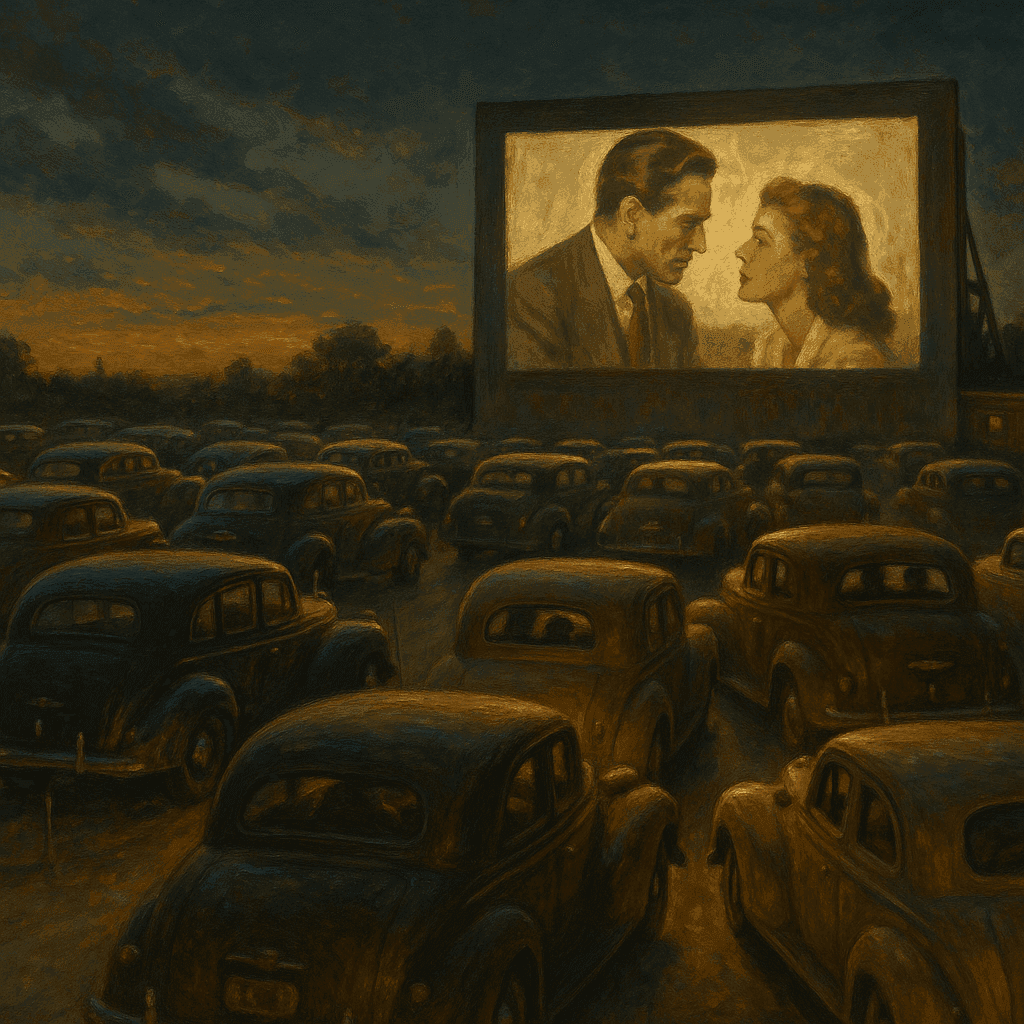
Throughout the 1940s and into the post-war boom of the 1950s and 1960s, drive-in theaters spread rapidly across the United States. They became especially popular with families and young couples, offering an affordable and informal alternative to traditional cinemas. With the expansion of car ownership and suburban development, drive-ins fit seamlessly into the American lifestyle.
At their peak, more than 4,000 drive-in theaters operated nationwide. They often included playgrounds, concession stands, and even full-service restaurants, turning movie night into a complete family outing or a romantic evening under the stars.
A Decline and a Nostalgic Revival
By the 1970s and 1980s, the popularity of drive-ins began to wane due to a combination of factors: the rise of multiplex theaters, home video technology, and the increasing value of real estate. Many drive-in sites were sold off and redeveloped, and by the early 2000s, only a few hundred remained.
Yet in recent years, the drive-in has seen a nostalgic resurgence. Especially during the COVID-19 pandemic, drive-ins offered a safe and socially distanced form of entertainment. This revival sparked renewed interest in preserving and revitalizing the unique experience of watching a film under the open sky.
A Lasting American Icon
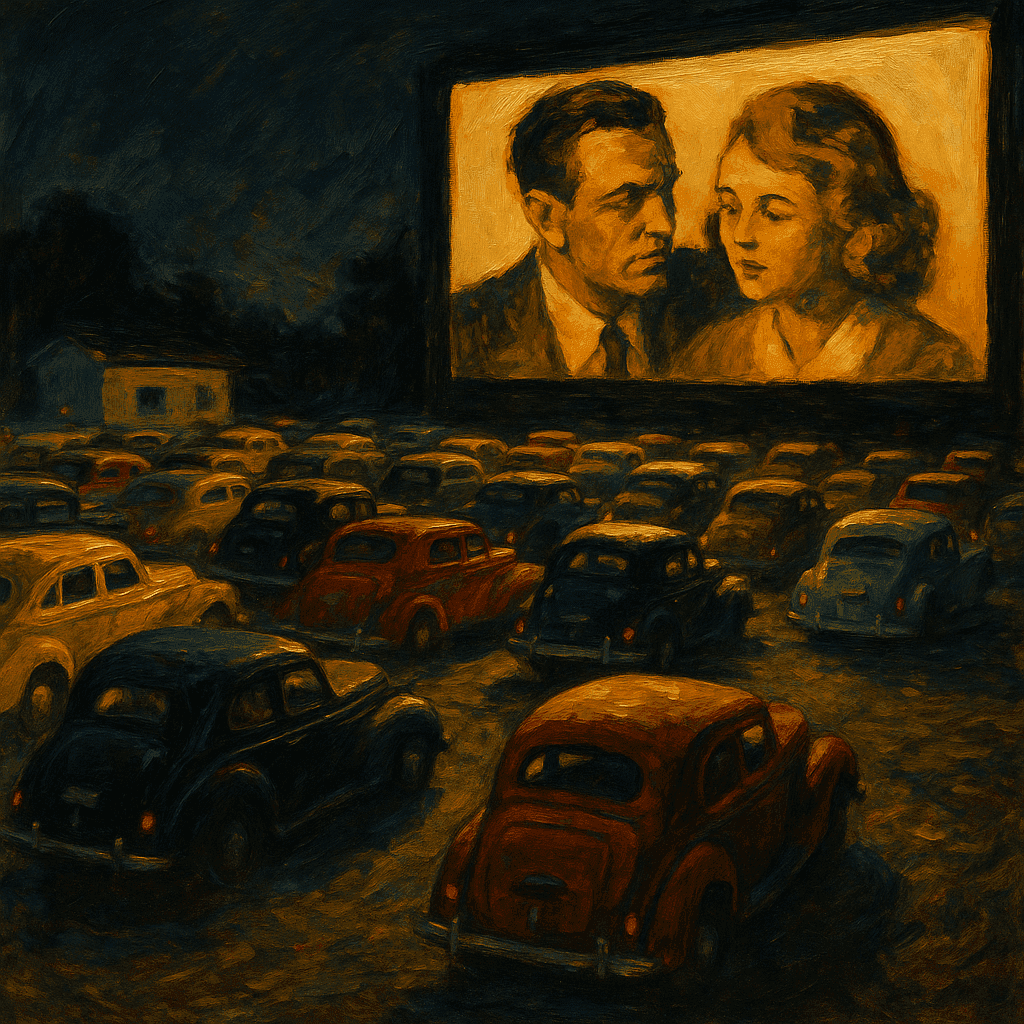
The opening of the first drive-in movie theater on June 6, 1933, marked more than just a clever innovation—it launched a cultural movement. Drive-ins became emblematic of American ingenuity, leisure, and the golden age of the automobile. They offered a space where generations of moviegoers could share stories, laughter, and memories from the comfort of their cars.
Today, drive-in theaters remain a cherished part of American history, representing not just a way to watch movies, but a reflection of the country’s love for freedom, creativity, and community.