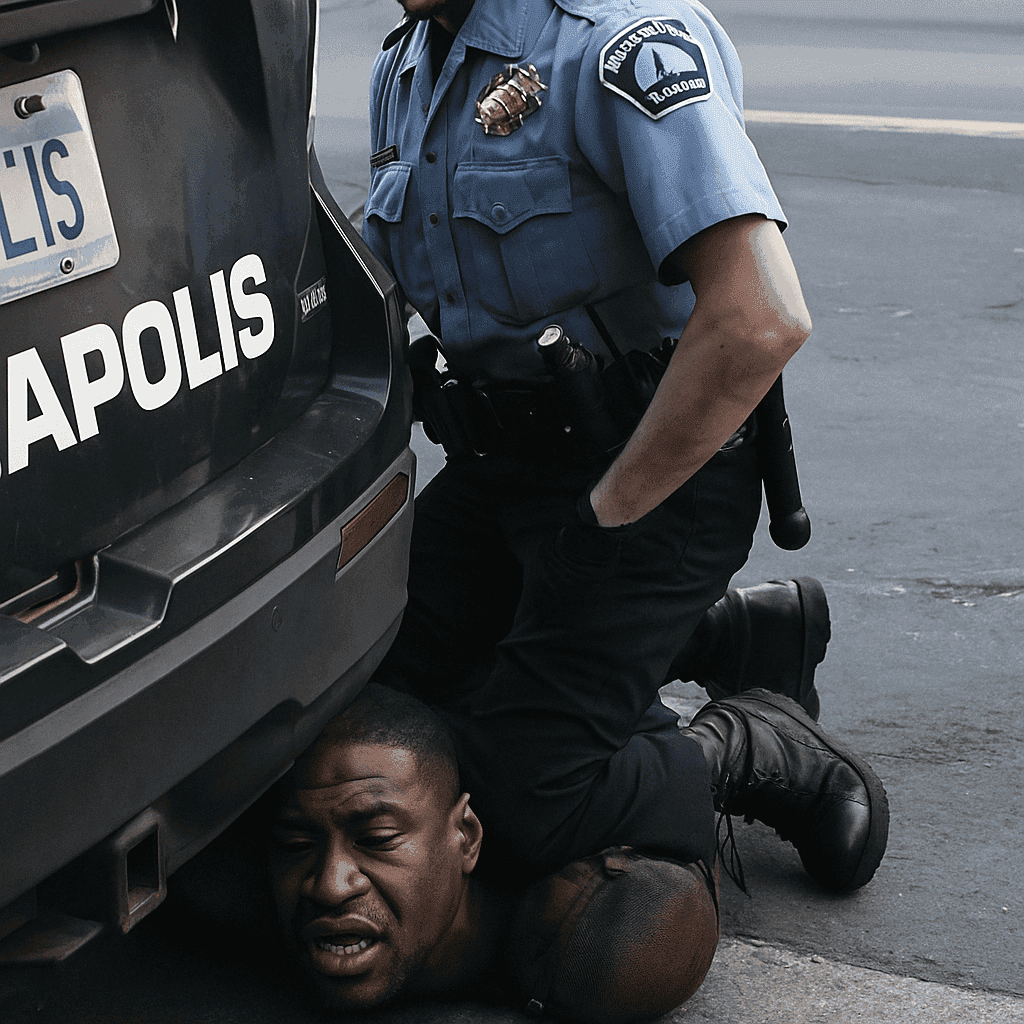
On May 25, 2020, George Floyd, a 46-year-old African American man, was killed during an arrest by police in Minneapolis, Minnesota—a moment captured on video that would spark a global reckoning with systemic racism and police brutality. Footage showed a white police officer, Derek Chauvin, kneeling on Floyd’s neck for 9 minutes and 29 seconds, despite Floyd’s repeated pleas of “I can’t breathe.” The video, widely circulated online, prompted an immediate and visceral response, igniting some of the largest civil rights protests in modern history.
A Catalyst for a Global Movement
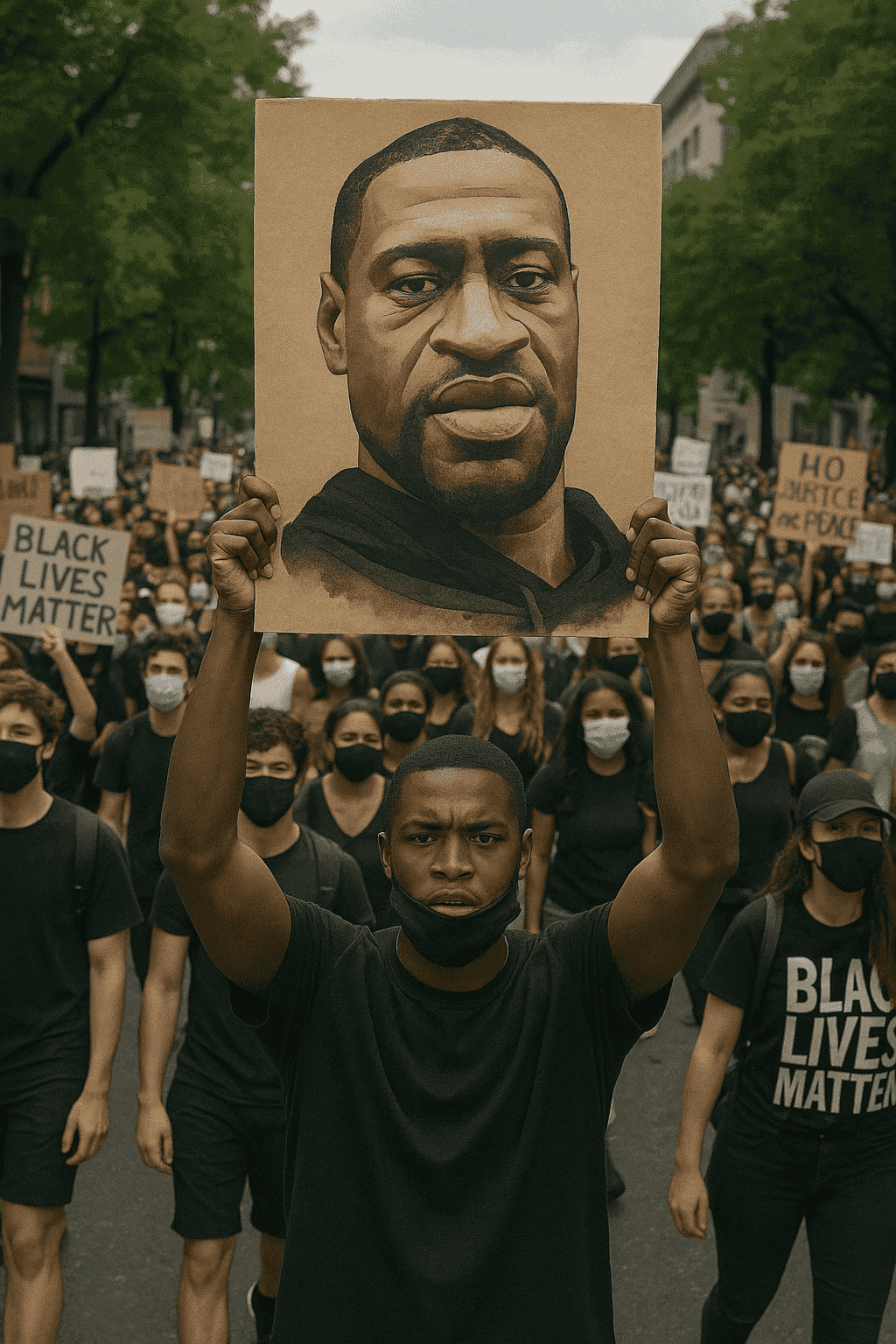
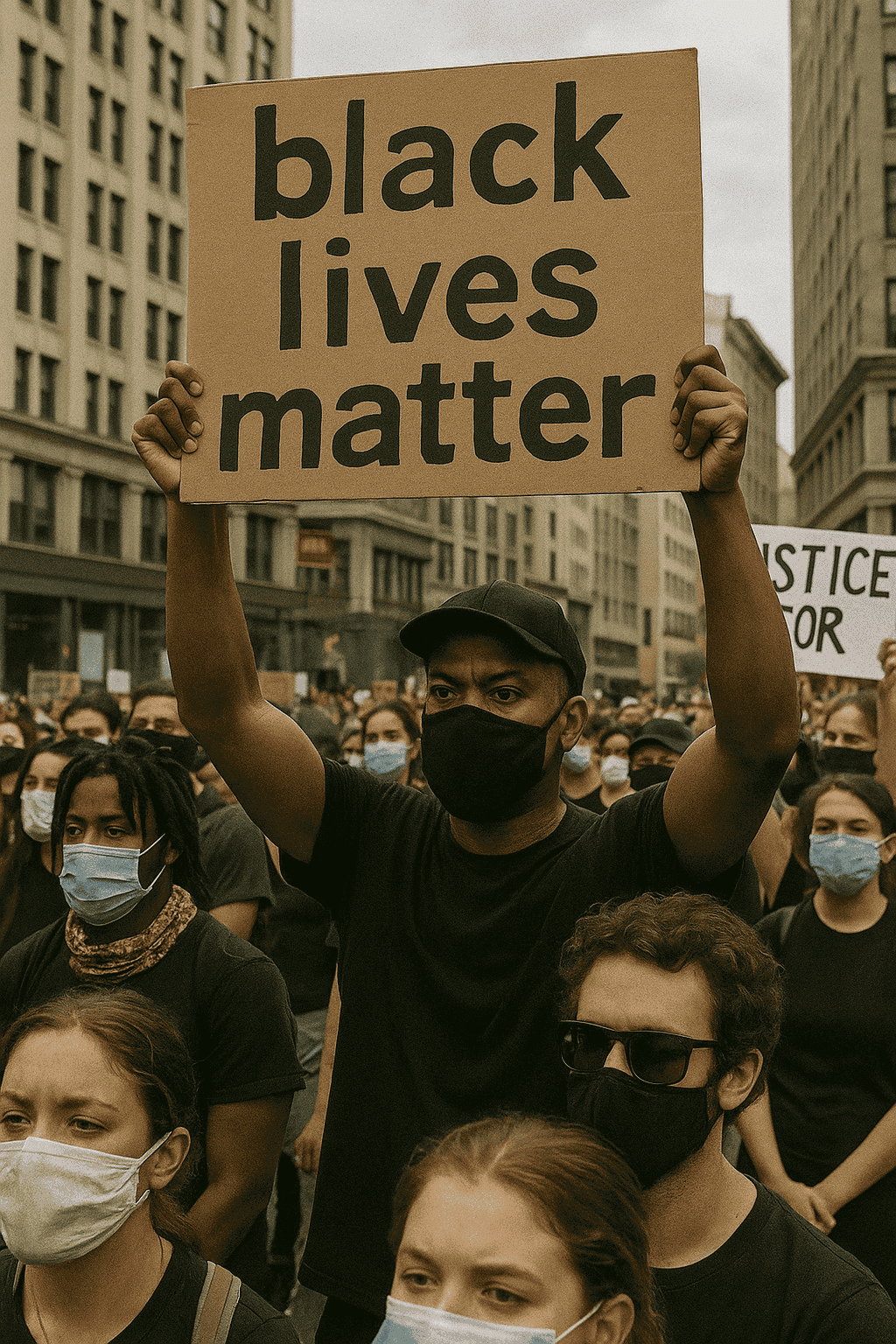
The outrage over George Floyd’s death resonated deeply across the United States and around the world. Within days, millions took to the streets in cities across all 50 U.S. states and on every continent. These protests, organized largely under the banner of the Black Lives Matter movement, called not only for justice in Floyd’s case but also for sweeping reforms to policing practices and the dismantling of systemic racism.
The movement brought renewed attention to a long list of victims of racial violence and police misconduct and led to urgent conversations in homes, classrooms, workplaces, and legislatures about race, justice, and equity.
Legal and Political Consequences
Derek Chauvin was arrested and charged with murder and manslaughter. In April 2021, he was found guilty on all charges and later sentenced to 22.5 years in prison. The trial and conviction were widely seen as a landmark moment—one of the rare instances in which a police officer was held criminally accountable for killing a Black man on duty.
In the aftermath, cities and states began to reevaluate law enforcement policies, introducing reforms aimed at increasing accountability, transparency, and community engagement. Efforts to “defund the police” gained traction in some areas, prompting debates over the role of policing in public safety and social services.
A Lasting Legacy of Change and Reflection
George Floyd’s death became a symbol—not only of the persistent dangers Black Americans face in encounters with law enforcement, but of broader racial inequalities deeply embedded in society. His name joined a growing list of others who have become rallying cries for justice, including Breonna Taylor, Ahmaud Arbery, and Eric Garner.
Memorials and murals in honor of Floyd have been erected around the world. The intersection where he died was renamed George Floyd Square, becoming a powerful site of reflection, resistance, and remembrance.
A Turning Point in the Fight for Justice
May 25, 2020, is remembered not just as a day of tragedy, but as a moment of awakening—a turning point in the ongoing fight for civil rights and racial justice. It underscored the power of video, collective action, and grassroots advocacy in holding systems accountable and demanding change.
The legacy of George Floyd continues to inspire movements for reform, equity, and human dignity, reminding the world that silence is not an option, and justice must be pursued with both urgency and persistence.