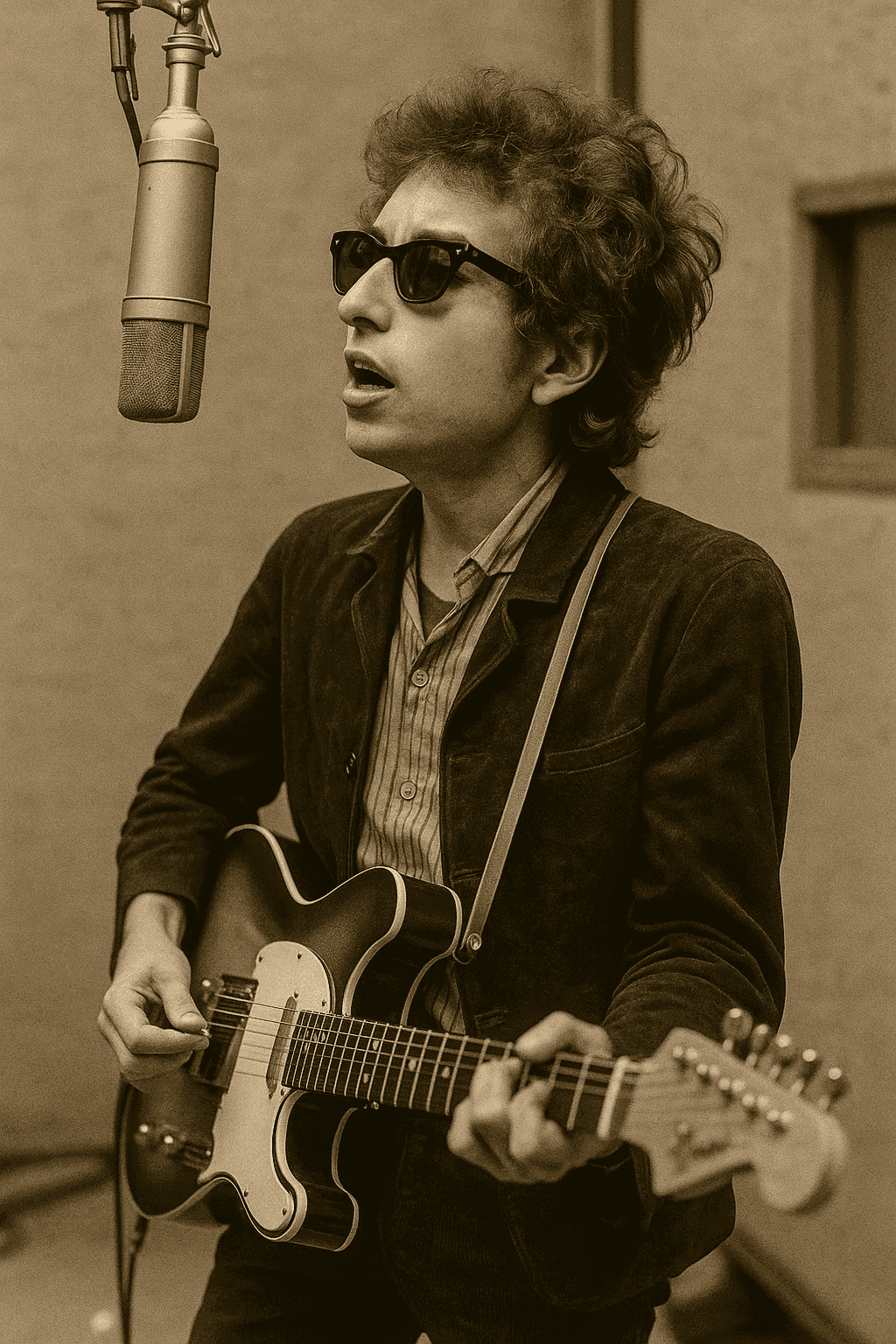
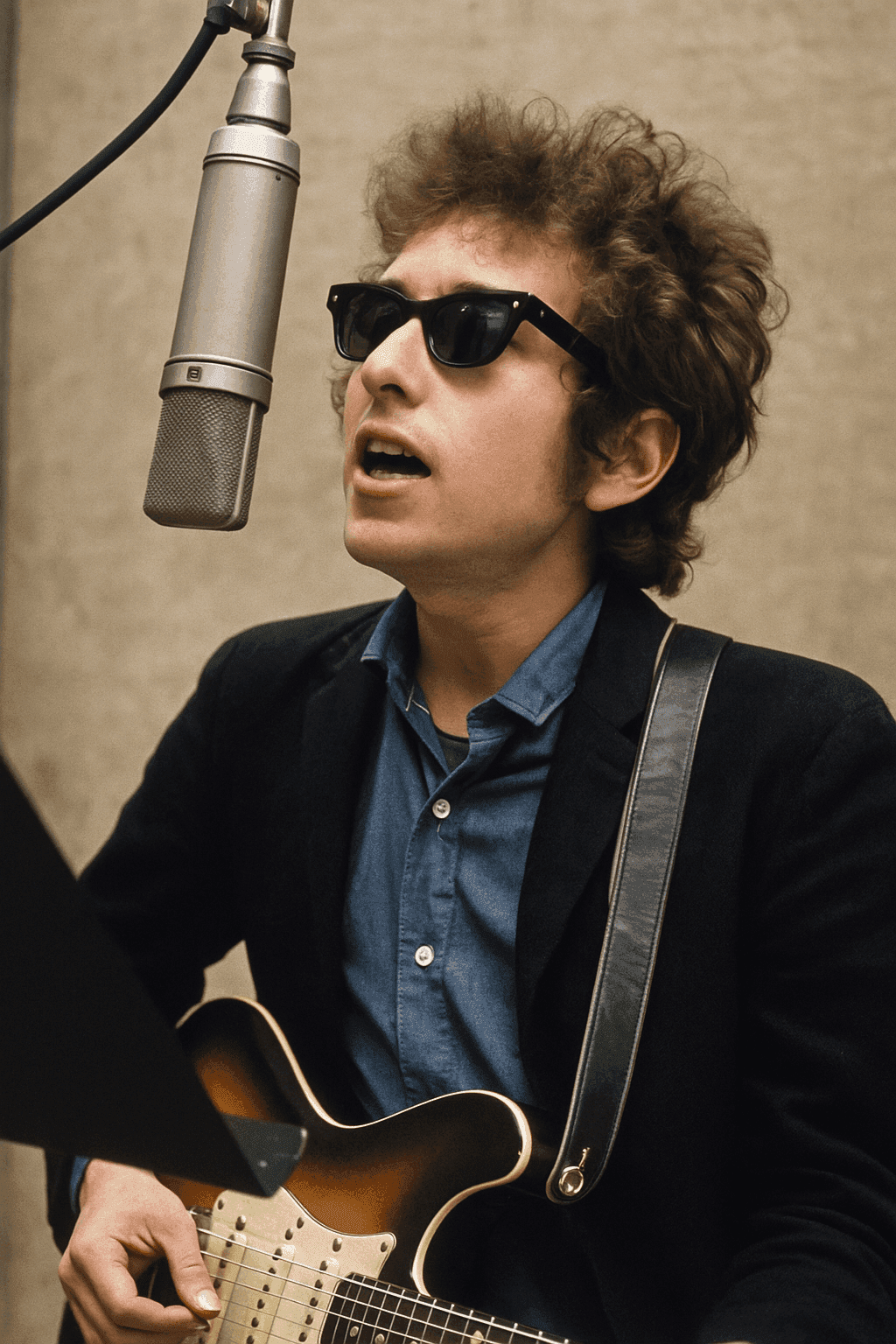
On June 16, 1965, Bob Dylan stepped into Studio A at Columbia Records in New York City and recorded “Like a Rolling Stone.” This session would yield one of the most groundbreaking songs in modern music history. Clocking in at over six minutes, it defied the traditional radio format and pushed the boundaries of what a single could be.
The song’s opening snare hit, followed by Dylan’s caustic lyrics and electric organ swells, signaled a dramatic shift not only in Dylan’s career but in the entire landscape of 1960s music.
Breaking Folk Traditions
Before this moment, Dylan had been best known as the voice of a generation of folk protest music. “Like a Rolling Stone” marked his unapologetic pivot toward electric rock. This move famously culminated in boos from folk purists at the Newport Folk Festival, but Dylan pressed on, reshaping expectations of what folk and rock could become.
The recording fused poetic lyricism with a gritty, rebellious tone, opening new doors for artists to explore more complex themes and sonic palettes.
Lyrical Power and Cultural Impact
“Like a Rolling Stone” wasn't just musically innovative—it was lyrically fearless. Its vivid portrayal of a fall from grace, directed at a fictional socialite, struck a nerve with listeners. Lines like “How does it feel?” became cultural touchstones, expressing the disillusionment of a restless, rapidly changing generation.
The song’s influence would ripple through time, inspiring everyone from Bruce Springsteen to Patti Smith, and cementing Dylan’s place as one of the most important songwriters in modern history.
A Song That Changed Everything
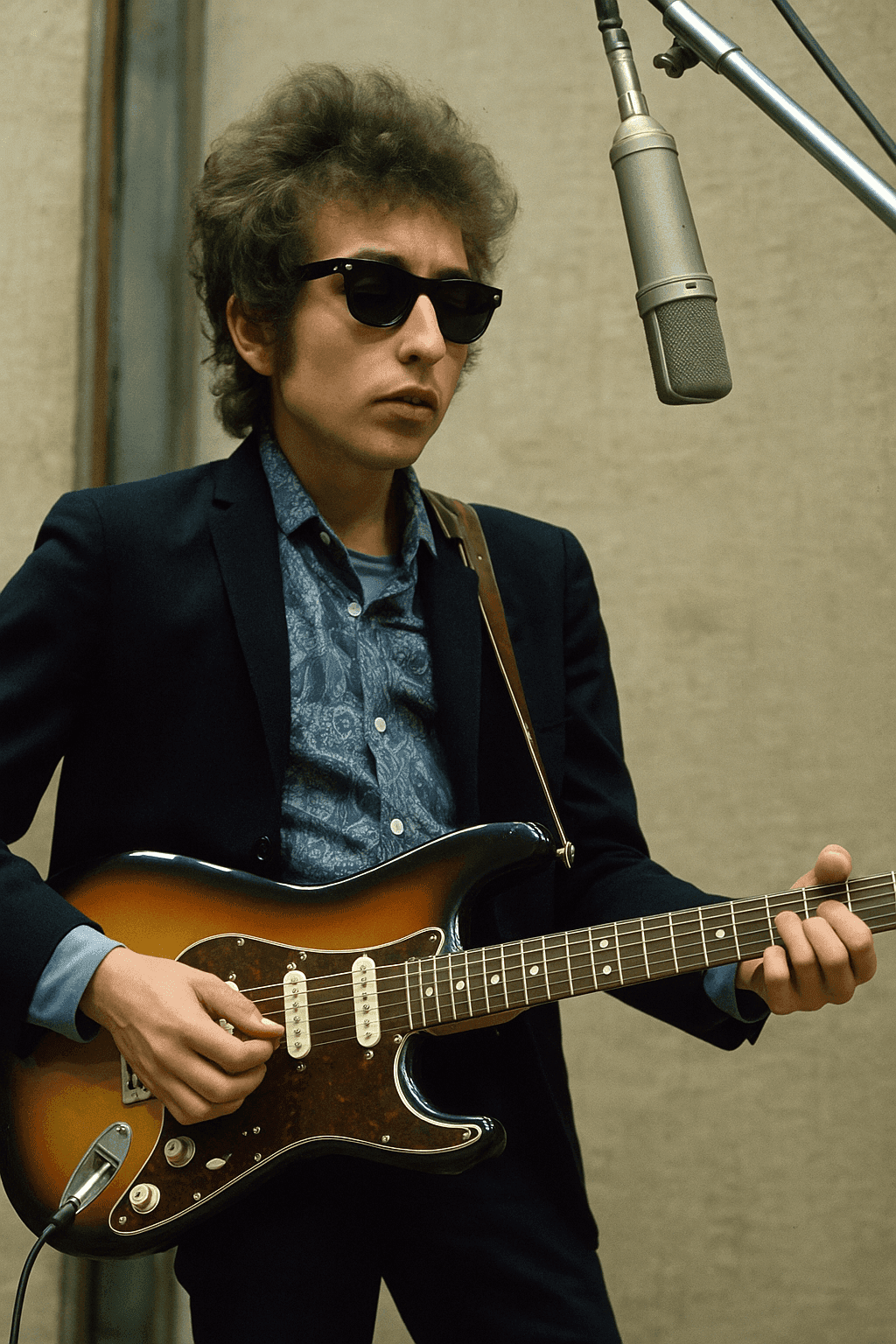
When it was released in July 1965, “Like a Rolling Stone” climbed the charts and earned critical acclaim, eventually being hailed as one of the greatest songs ever written. Its bold structure, snarling delivery, and raw energy redefined the possibilities of pop music.
For Dylan, it was more than a hit single—it was a declaration of artistic independence that forever altered his legacy and the future of rock and roll.