On June 2, 1953, Queen Elizabeth II was crowned in Westminster Abbey in a ceremony rich with tradition and watched by millions around the world. The event not only marked the formal beginning of her reign but also became a defining moment in the 20th century, symbolizing continuity and change within the British monarchy. At just 27 years old, Elizabeth ascended to the throne following the death of her father, King George VI. Her coronation came at a time of postwar recovery and growing global communication, with the broadcast of the ceremony introducing a modern, media-savvy monarchy to a rapidly changing world.
A Ceremony Watched Around the World
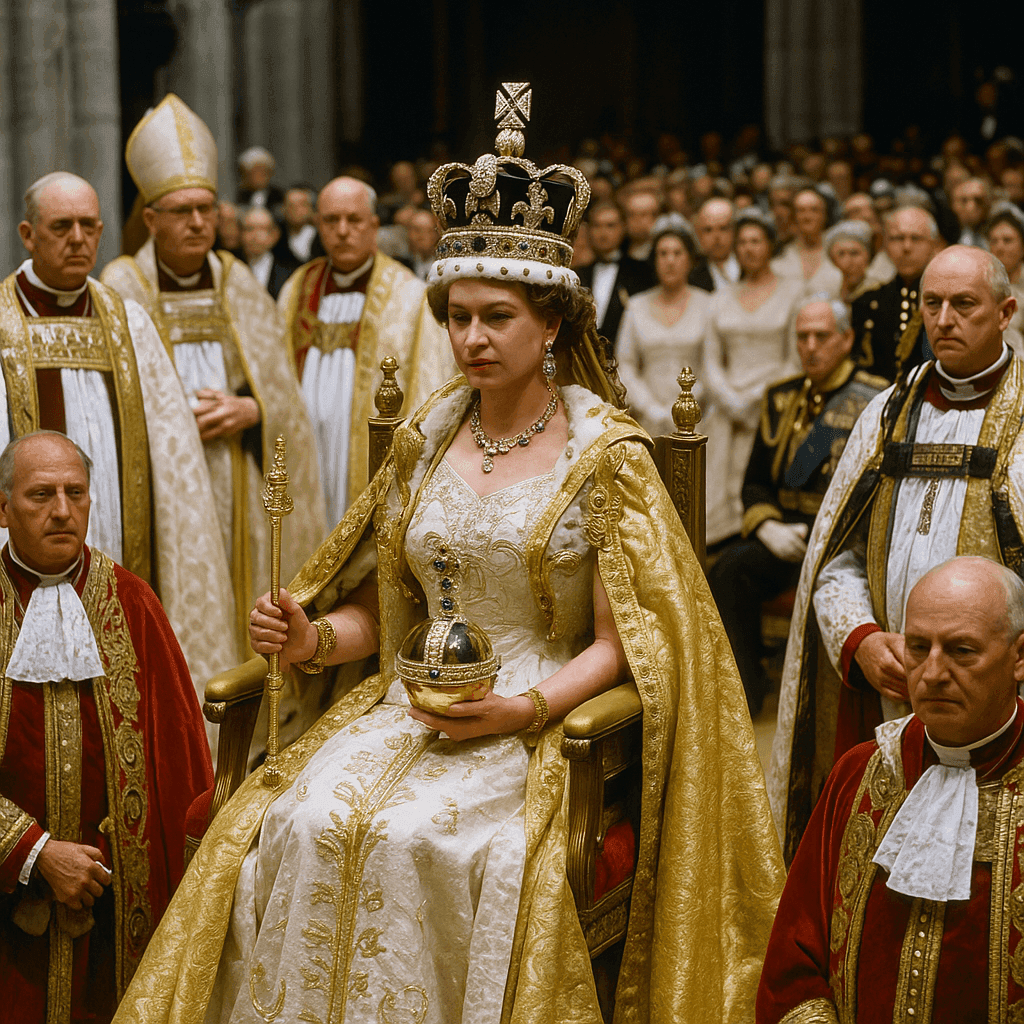
The 1953 coronation was a groundbreaking event, marking the first time such a ceremony was televised live. This decision brought the grandeur and ritual of Westminster Abbey into the homes of millions, making it a communal experience across Britain and throughout the Commonwealth. An estimated 27 million people in the UK watched the broadcast, and countless more saw film footage internationally, forever changing the relationship between the monarchy and the public.
This new visibility redefined royal image-making. The Queen’s coronation dress, the sacred anointing, and the symbolic regalia became iconic images, carefully captured for posterity. In embracing television, the monarchy took a bold step into the modern age, balancing centuries-old ceremony with the expanding influence of mass media. The broadcast helped strengthen a sense of shared national identity during a period of recovery and change.
A Young Queen in a Time of Change
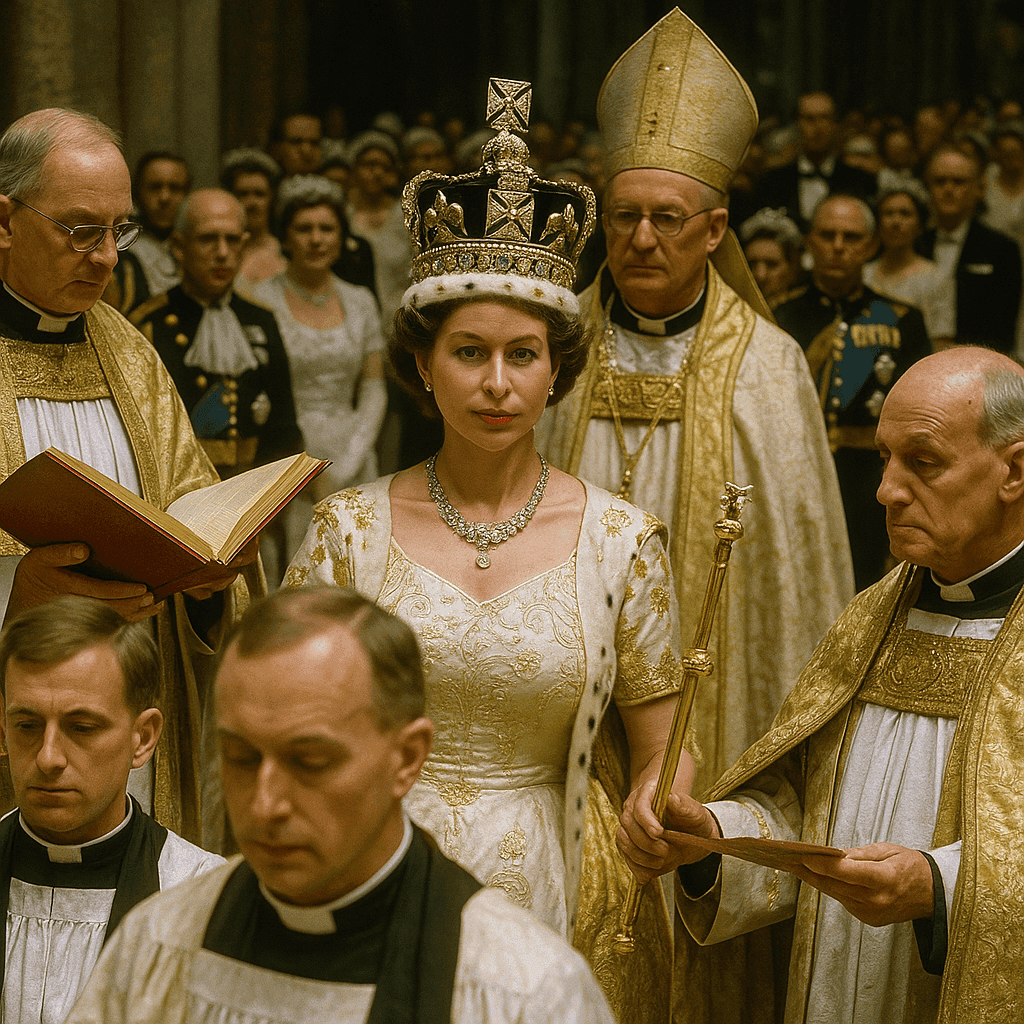
Ascending the throne at a relatively young age, Queen Elizabeth II became a figurehead for a nation in transition. Postwar Britain was grappling with economic challenges, social reform, and a rapidly shifting international role. At the same time, the British Empire was transforming into the Commonwealth, with many former colonies gaining independence. Elizabeth's role as monarch took on a new, more symbolic dimension, representing unity rather than rule.
Her early reign was marked by extensive travel, dubbed the "Commonwealth tours," which showcased the Queen as a unifying figure in a decentralizing world. These visits were not only diplomatic efforts but also cultural outreach, as she sought to maintain bonds with nations choosing self-governance. Elizabeth’s presence offered continuity amid the structural upheaval of decolonization, helping to shape the monarchy’s evolving place on the global stage.
The Enduring Legacy of a Historic Reign
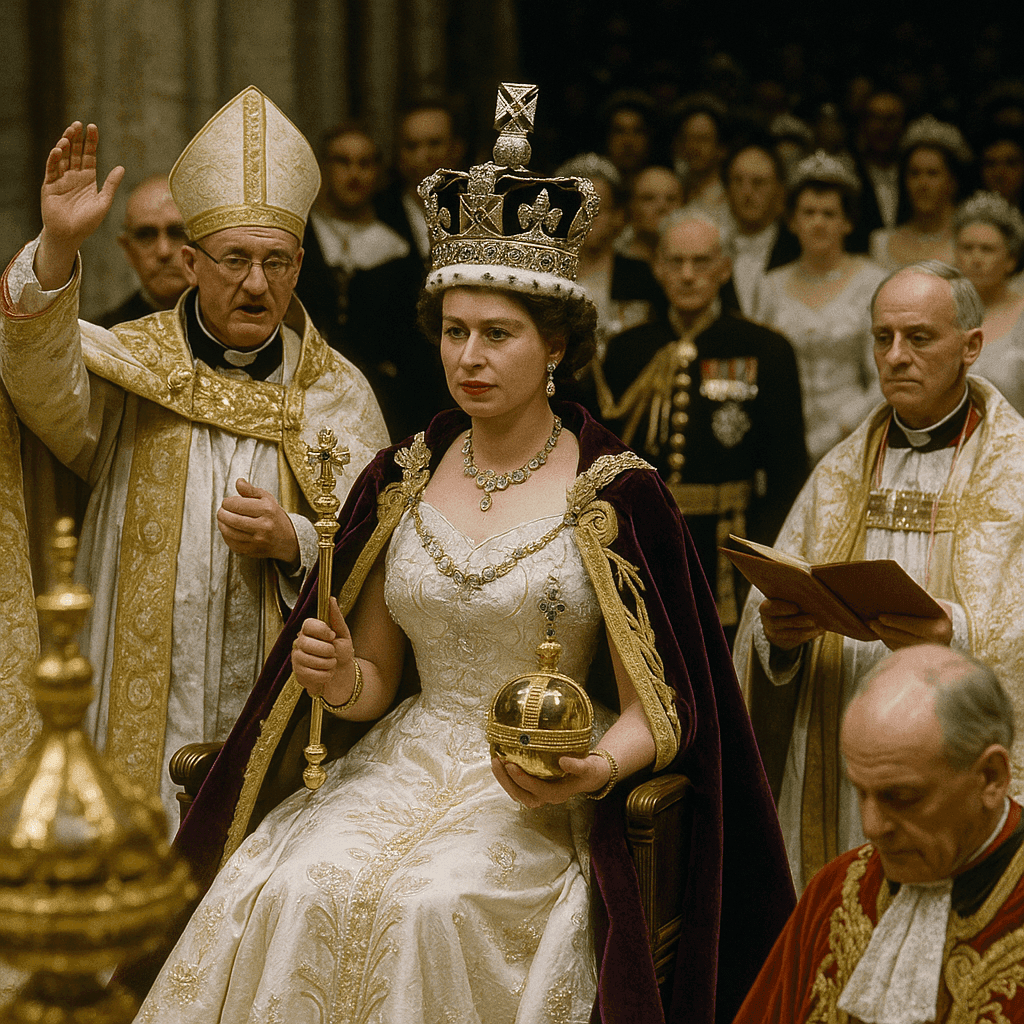
From the moment of her coronation, Queen Elizabeth II demonstrated a deep commitment to duty and stability, becoming one of the most recognized and respected figures worldwide. Over the decades, her reign encompassed monumental historical events, from the Cold War and the civil rights movement to the technological revolutions of the internet and social media. Through it all, she remained a constant, bridging generations.
The 1953 coronation thus marked the beginning of a reign that would not only become the longest in British history but also one of the most consequential. Queen Elizabeth II’s ability to adapt to changing times while preserving the dignity of her role has left a lasting impression on both the monarchy and the world. Her legacy is one of resilience, evolution, and enduring public service—a journey that began on that iconic day in June.