On June 14, 1777, the Second Continental Congress took a defining step in the young nation’s history by adopting a resolution to establish an official flag. With thirteen stripes representing the original colonies and thirteen stars symbolizing a new constellation, the Stars and Stripes was born. This emblem quickly evolved into a powerful symbol of American ideals—freedom, unity, and perseverance—that continues to inspire people across the globe. Today, the United States commemorates this historic moment each year on Flag Day.
A Symbol for a New Nation
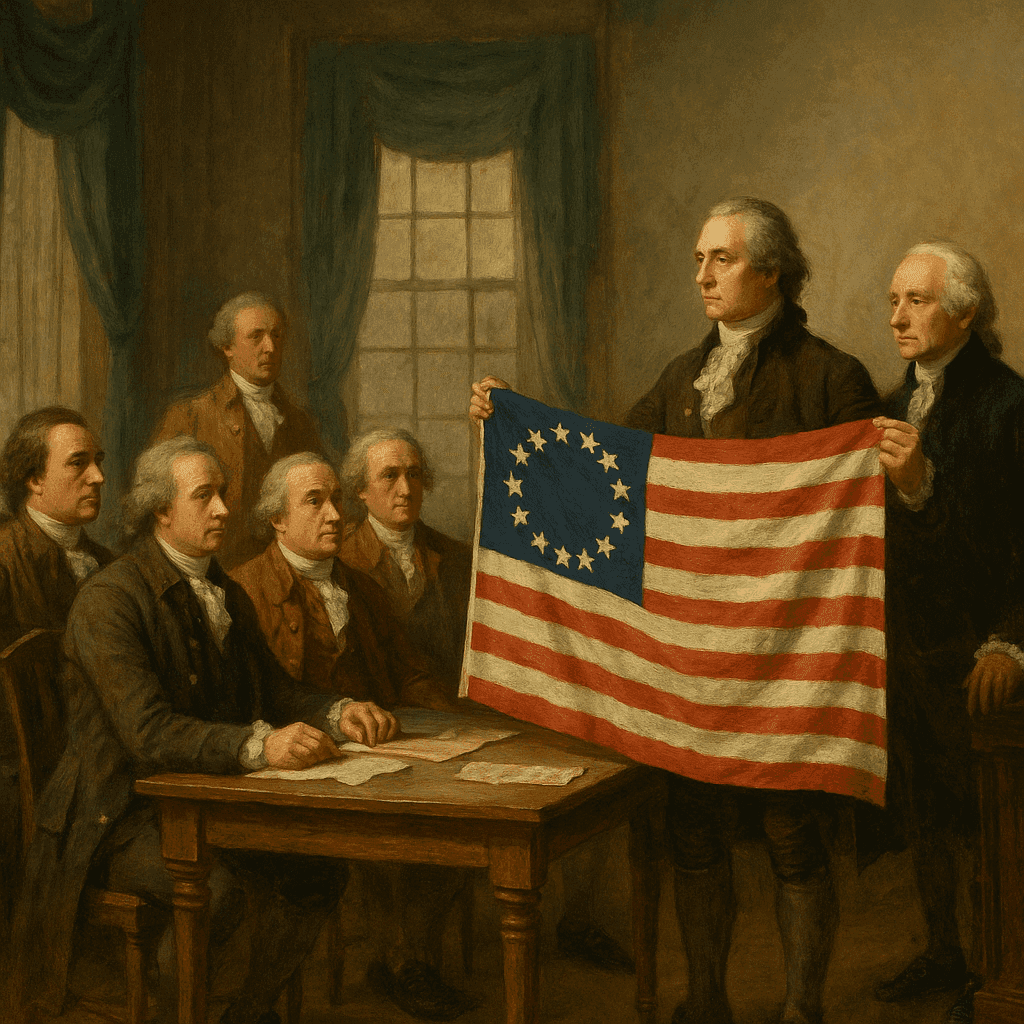
The decision to create an official flag came at a critical time during the American Revolutionary War. The colonies, having declared independence a year earlier, needed a unifying emblem to distinguish themselves from British forces and rally their troops and citizens. The resolution passed by Congress offered a concise yet symbolic description: thirteen alternating red and white stripes, and thirteen white stars on a blue field. Though the flag’s exact design and origin—especially who sewed the first one—remain debated, its importance as a national emblem was immediately clear.
From Battlefield to Icon
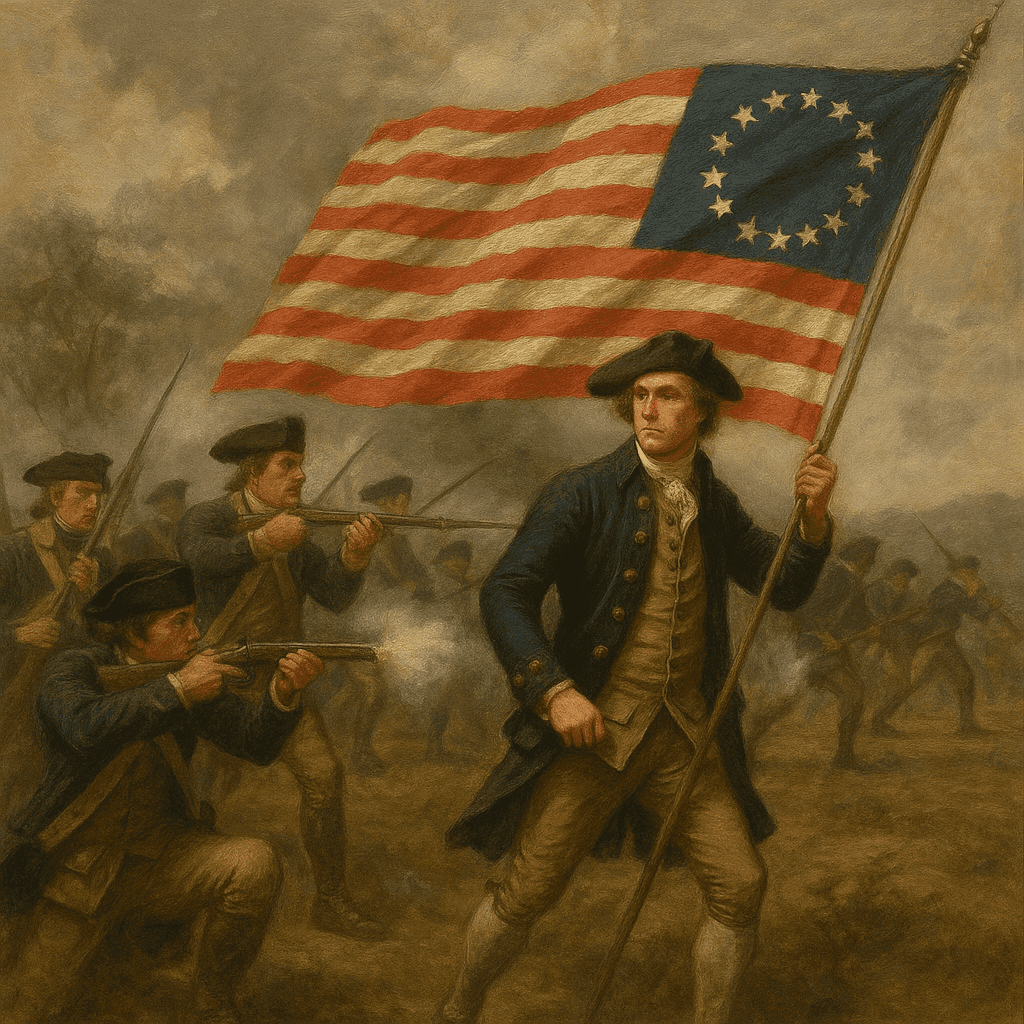
Initially used on military banners and naval ensigns, the Stars and Stripes gradually became more than just a wartime insignia. As the United States expanded westward and new states joined the Union, the flag evolved to include additional stars while retaining the thirteen stripes to honor the original colonies. Over time, it became a fixture at government buildings, schools, and public events, especially during moments of national pride or mourning. The flag's presence during pivotal historical moments—from the Civil War to the moon landing—helped cement its role as a visual representation of the American spirit.
Flag Day and the Legacy of the Stars and Stripes
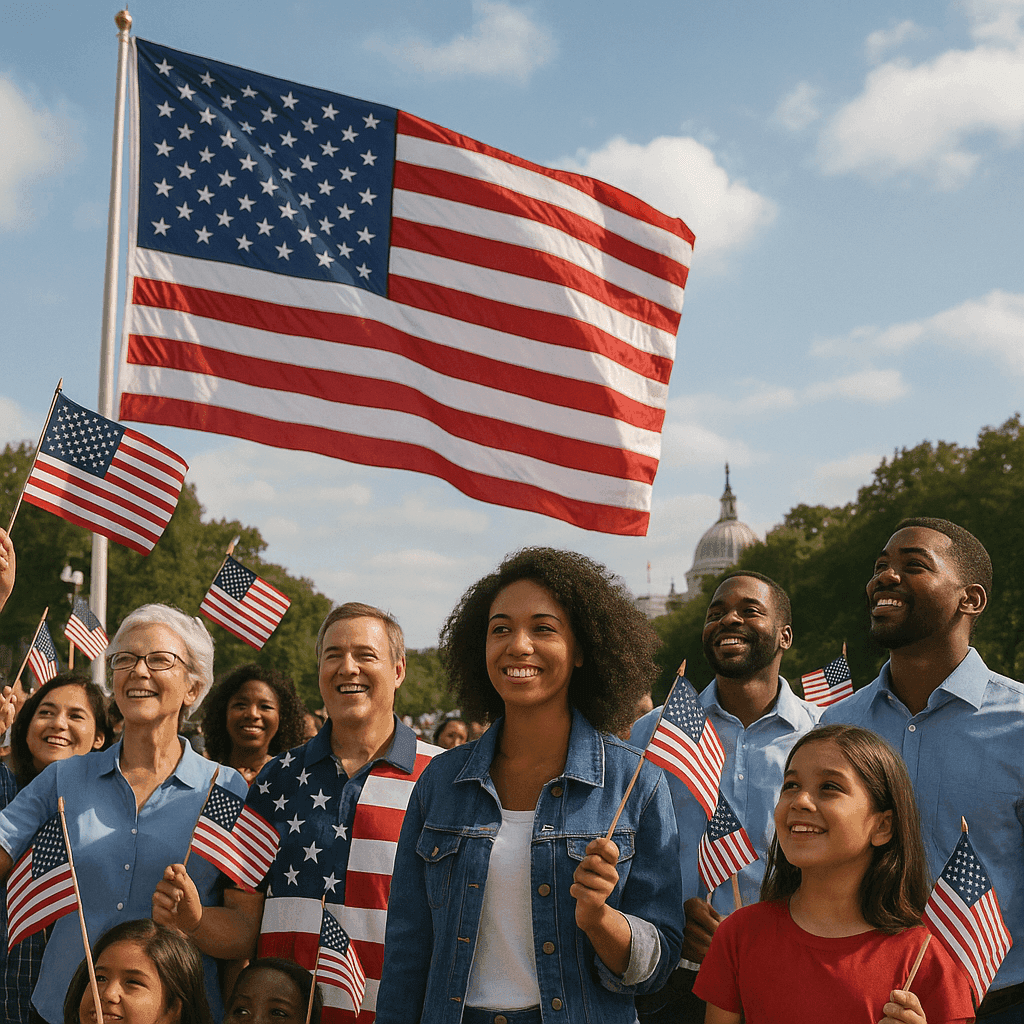
Flag Day was first officially recognized by President Woodrow Wilson in 1916, and later established by Congress in 1949 as a national observance. Celebrated annually on June 14, the day invites Americans to reflect on the flag’s meaning and history. While not a federal holiday, it is marked by ceremonies, parades, and displays of patriotism across the country. The Stars and Stripes remains a living symbol—updated with each new state, flown during times of triumph and tragedy, and revered as a reminder of the country’s ongoing journey toward its founding ideals.