On April 10, 1919, the legendary Mexican revolutionary leader Emiliano Zapata was assassinated in Chinameca, Morelos. Lured into a trap under the false promise of negotiation, Zapata was ambushed and gunned down by forces loyal to President Venustiano Carranza. His death marked not just the loss of a man but the symbolic silencing of one of the most passionate voices for agrarian reform in Mexico. Even in death, however, Zapata’s ideals have endured, inspiring movements for justice, land rights, and indigenous autonomy across Latin America and beyond.
The Rise of a Revolutionary Icon
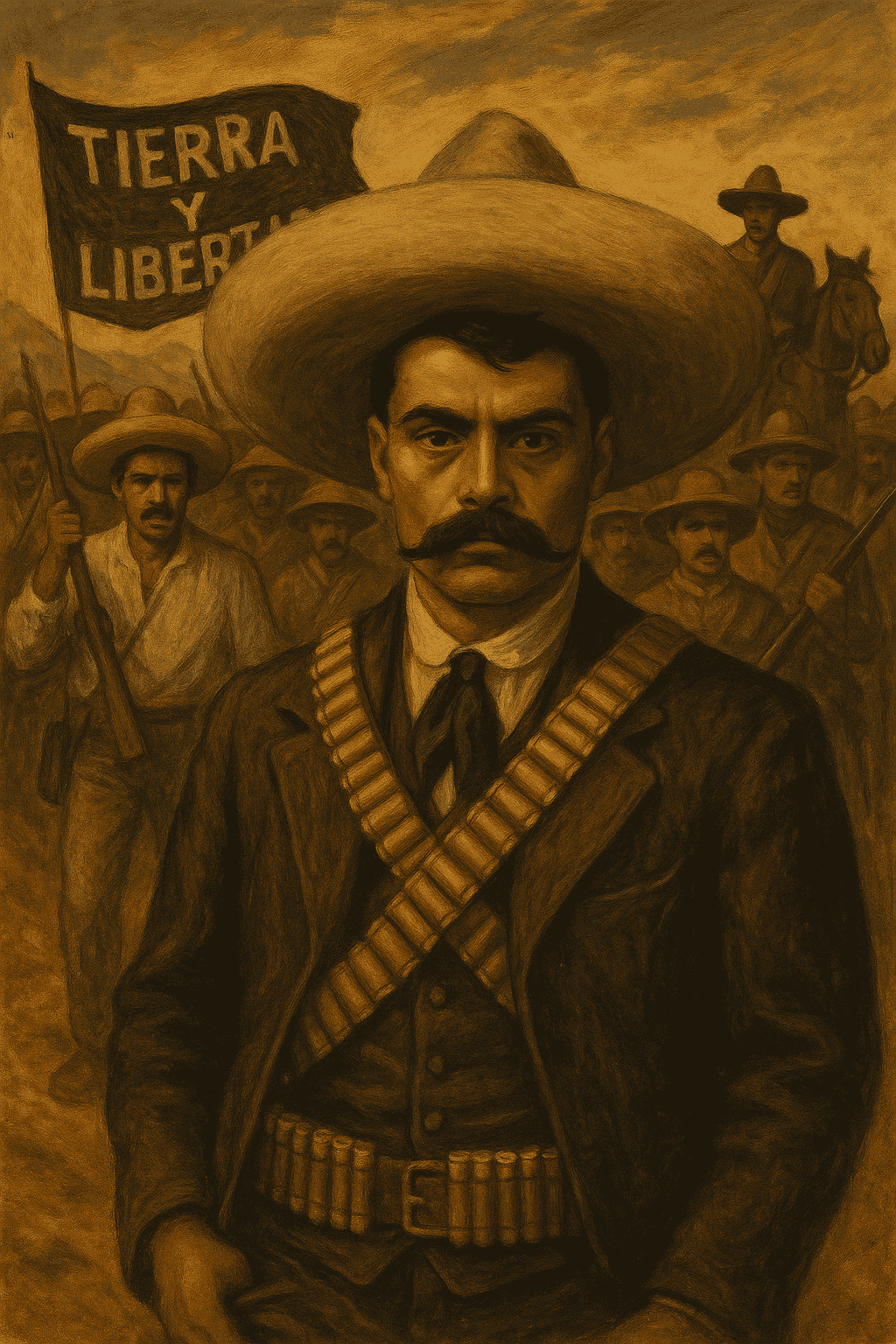
Born into a peasant family in 1879, Emiliano Zapata grew up acutely aware of the inequalities that plagued rural Mexico. As large landowners consolidated power and dispossessed communities, Zapata emerged as a fierce advocate for the campesinos. His Plan of Ayala—issued in 1911—denounced then-president Francisco Madero for betraying revolutionary ideals and called for the redistribution of land to those who worked it. More than just a political manifesto, the plan became a rallying cry for those who believed in land and liberty.
Zapata's strength came not from centralized authority but from grassroots support. Unlike other revolutionaries who sought national office, Zapata remained committed to the cause of Morelos, ensuring that land reform remained at the center of his struggle. His army of Zapatistas was known for its discipline and its devotion to community-based ideals, and their slogan "Tierra y Libertad" ("Land and Liberty") would echo through generations.
The Trap at Chinameca
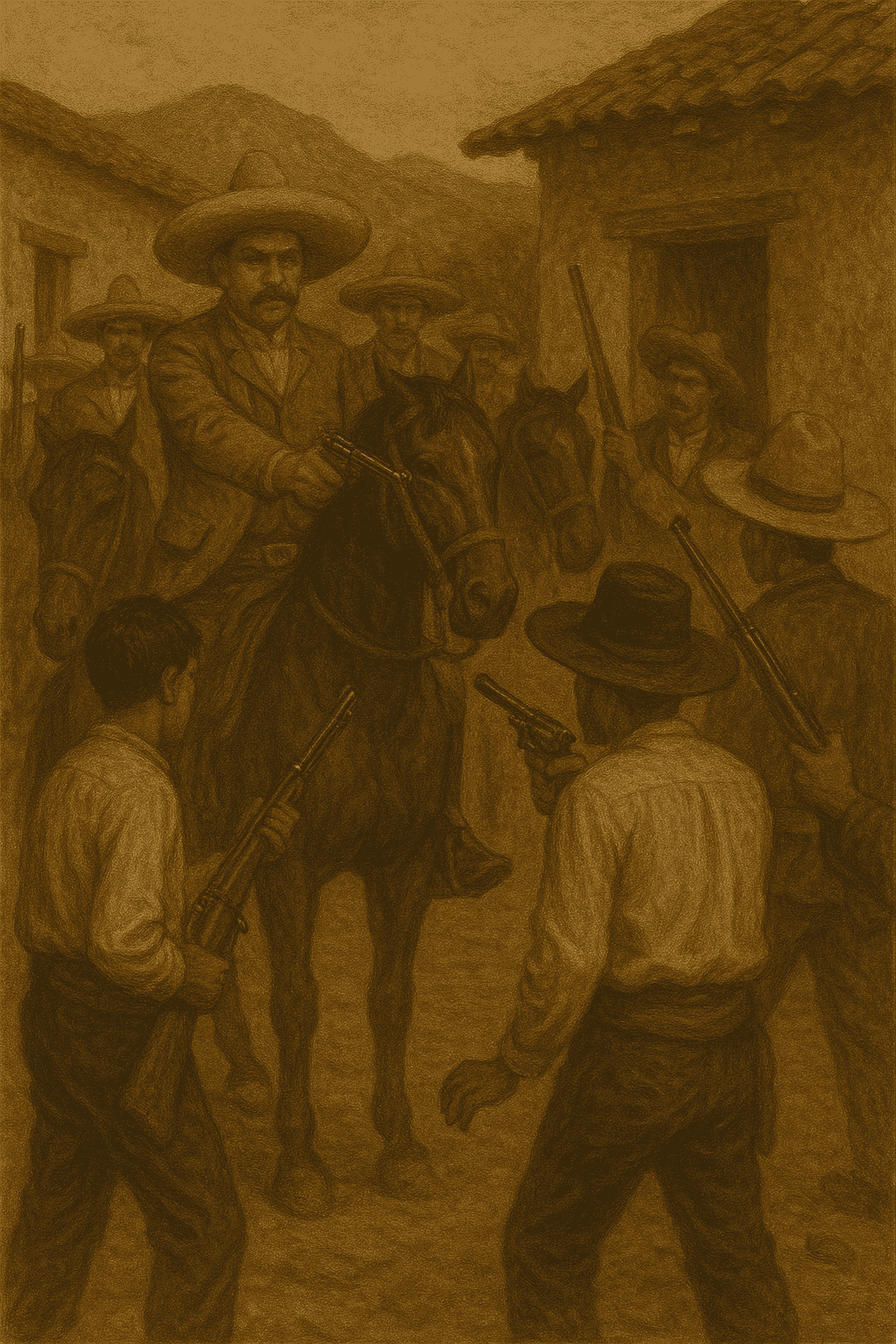
By 1919, Zapata had become a thorn in the central government's side. Though the Mexican Revolution had toppled Porfirio Díaz and reshaped the political landscape, much of the promised land reform had failed to materialize. President Carranza, wary of Zapata’s growing influence and refusal to compromise, orchestrated a deadly plot. General Pablo González and Colonel Jesús Guajardo pretended to defect from Carranza’s army and arranged a meeting with Zapata under the guise of an alliance.
On the fateful morning of April 10, Zapata rode into the Hacienda de San Juan in Chinameca, unaware that machine guns had been hidden in the surrounding buildings. As he approached, Guajardo’s men opened fire. Zapata fell in a hail of bullets—his death not only shocking Mexico but enraging the peasantry who viewed him as their champion.
Zapata’s Enduring Legacy
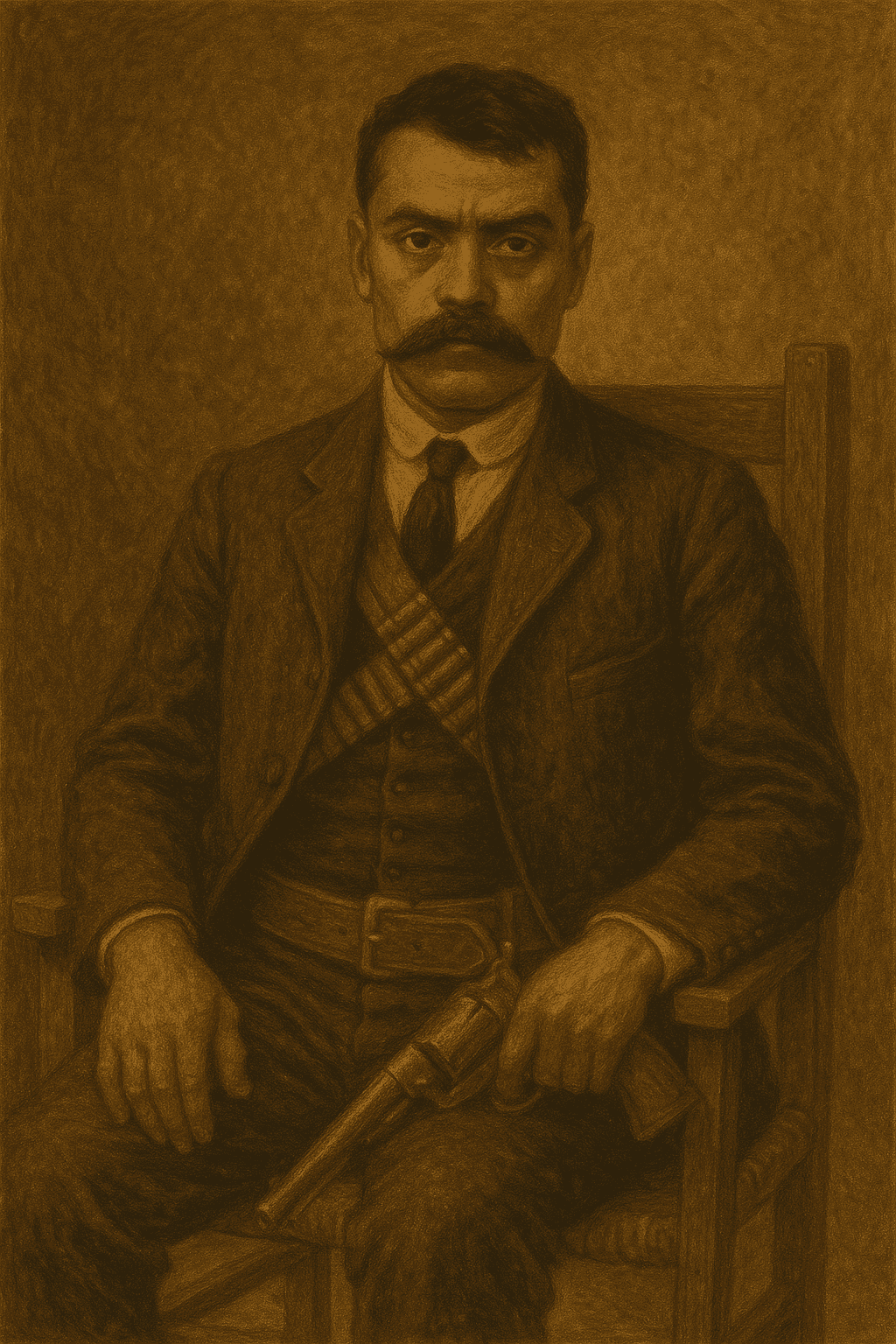
While his death was intended to suppress dissent, Zapata’s legacy grew stronger. In the decades that followed, his image became a potent symbol of resistance and rural justice. During the 1990s, the Zapatista Army of National Liberation (EZLN) invoked his name and vision in their fight for Indigenous rights in Chiapas, Mexico—proof that his message had not died in Chinameca.
Zapata’s ideals continue to resonate in global conversations about land reform, peasant rights, and social equity. His life serves as a powerful reminder that revolutions are not just won on battlefields but in the enduring pursuit of justice for the marginalized. Today, Emiliano Zapata is remembered not merely as a revolutionary but as a moral compass for the downtrodden—an incorruptible force whose words and sacrifices still shape the Mexican identity.