On this day in history, Swiss chemist Albert Hofmann accidentally discovers the hallucinogenic effects of LSD (lysergic acid diethylamide) while working at Sandoz Laboratories in Basel, Switzerland. This serendipitous discovery would lead to further research into the psychedelic properties of LSD and its impact on psychology, neuroscience, and counterculture movements in the decades to come.
A Glimpse Into the Unknown
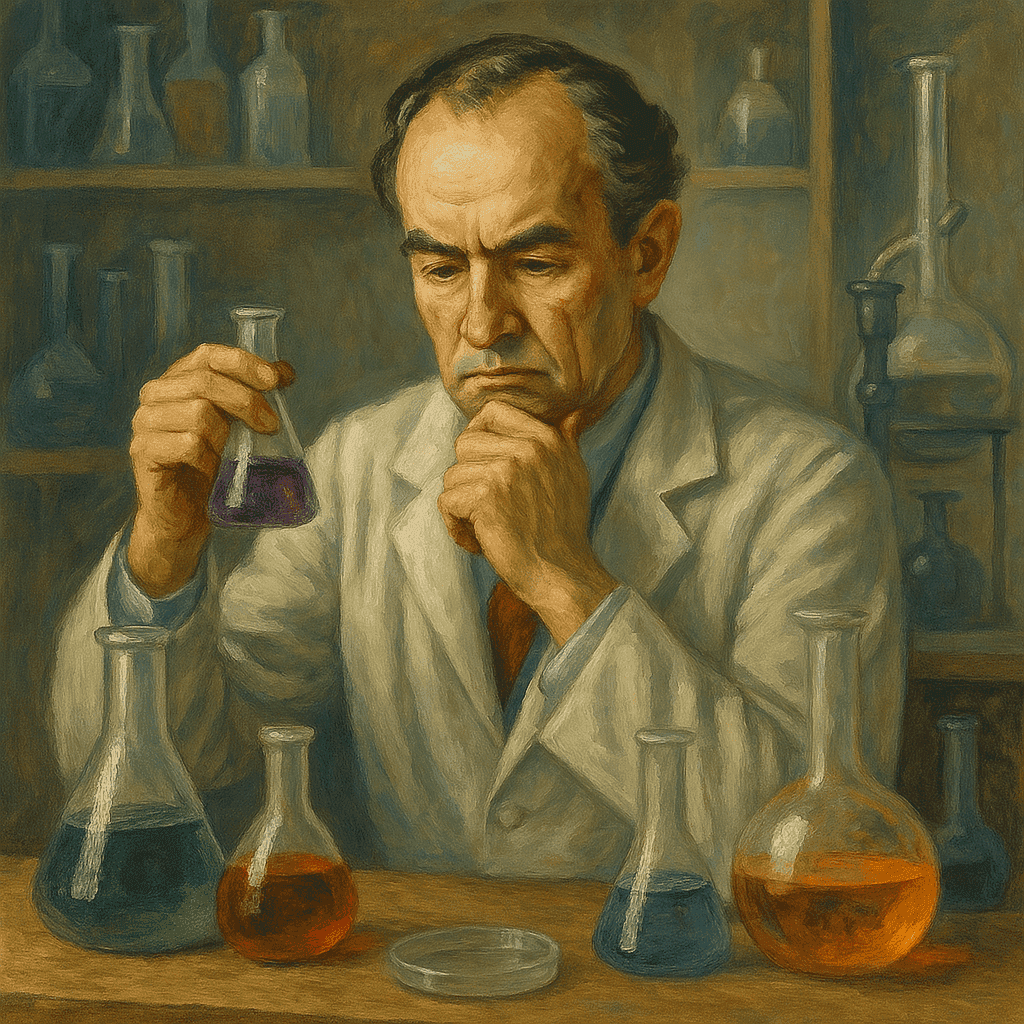
LSD-25 was first synthesized by Hofmann in 1938, intended as part of a search for new pharmaceutical compounds derived from ergot fungus. At the time, it showed little promise and was shelved. But Hofmann felt an inexplicable urge to revisit the compound five years later. While working in the lab on April 16, 1943, he accidentally absorbed a small amount through his fingertips—and began to feel strangely euphoric, dizzy, and perceptually altered.
Alarmed and unsure of what was happening, Hofmann left work early. As the sensations intensified, he experienced a surreal enhancement of colors, patterns, and thoughts. Though brief, the episode was powerful. Upon reviewing the day’s events, Hofmann hypothesized that LSD-25 might be the cause. This moment of realization would transform an obscure lab compound into one of the most profound scientific curiosities of the 20th century.
A Bicycle Ride Through Consciousness
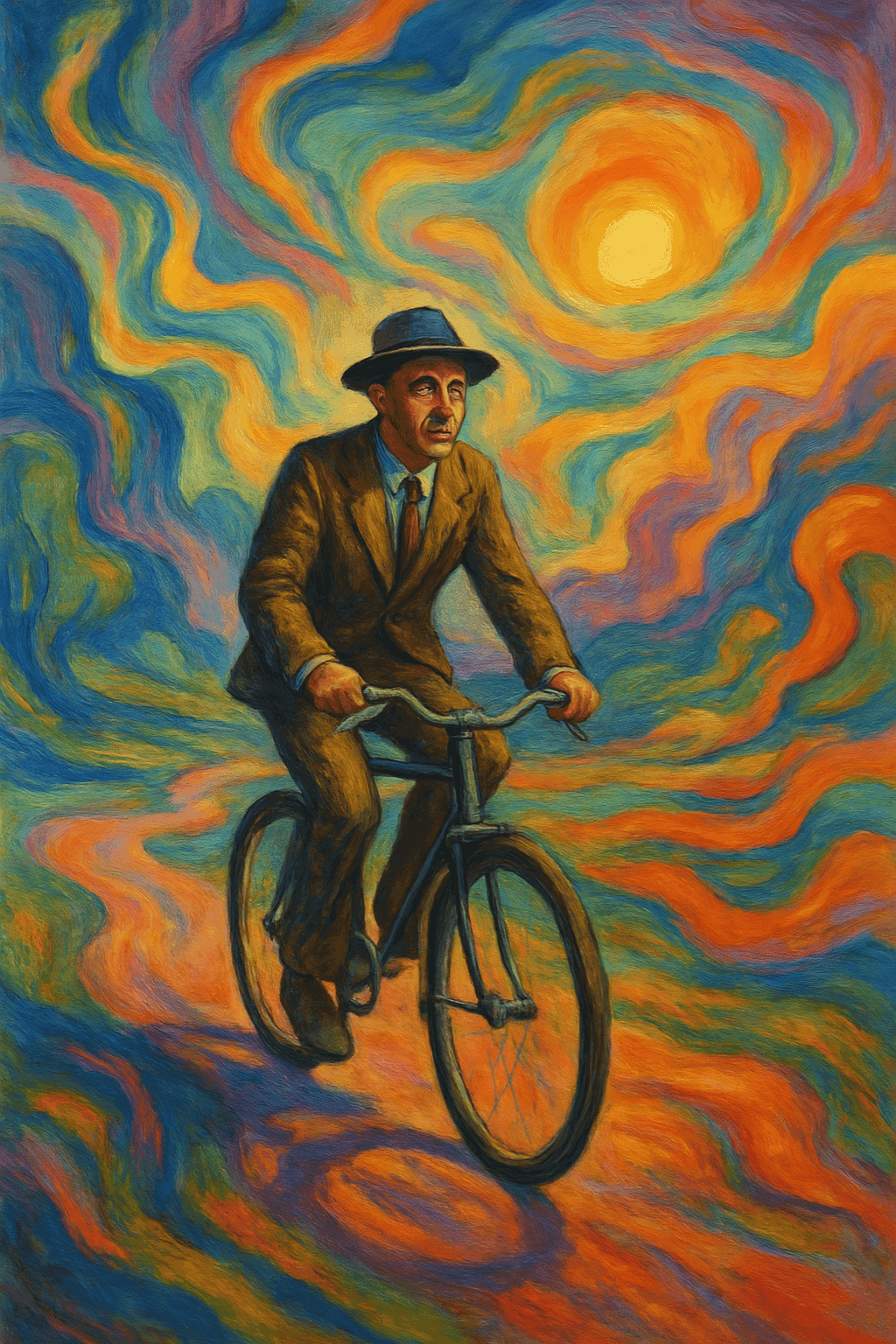
Three days later, Hofmann decided to ingest 250 micrograms of LSD to confirm its effects intentionally. He underestimated the dosage—250 micrograms turned out to be a massive amount. Hofmann asked his lab assistant to escort him home as the compound took effect. They traveled by bicycle through the streets of Basel, during which Hofmann experienced vivid hallucinations, distorted time, and intense introspection. This ride, now dubbed “Bicycle Day,” would become a cultural touchstone in psychedelic history.
Despite the overwhelming nature of the trip, Hofmann found the experience spiritually and intellectually stimulating. He described it as a shift in consciousness, not a mere hallucination. His notes emphasized how LSD seemed to open new dimensions of perception and understanding. These reflections led to a wave of research into psychedelics as therapeutic tools, marking the beginning of LSD’s journey through science, society, and beyond.
A Psychedelic Renaissance
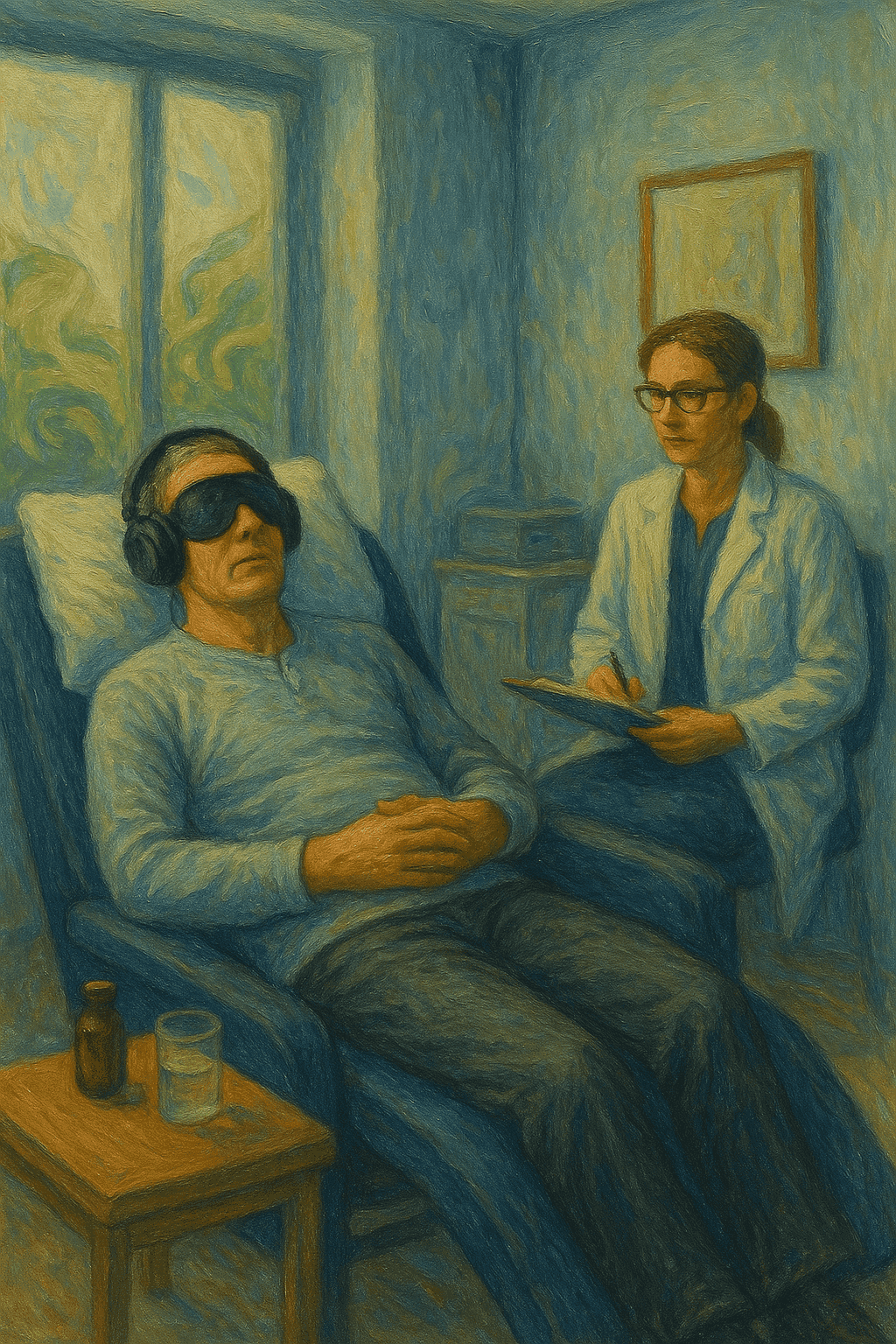
In the 1950s and 60s, Sandoz Laboratories distributed LSD to researchers under the name Delysid. Psychiatrists explored its effects in treating anxiety, trauma, addiction, and depression. Its ability to dissolve psychological boundaries fascinated clinicians and artists alike. At its peak, LSD was part of over a thousand clinical studies and trials, many of which reported promising, if not fully understood, results.
The cultural momentum around LSD grew rapidly, and by the mid-1960s it had spilled beyond the laboratory into music, art, and protest movements. It was championed as a mind-expanding force by public figures like Timothy Leary and counterculture icons across the globe. But this notoriety drew government scrutiny. By the end of the 1960s, LSD was criminalized in most countries, bringing its mainstream scientific use to a halt for decades.
Albert Hofmann, who lived to be 102, never wavered in his belief that LSD had immense scientific and spiritual value. He was disappointed by how it had been sensationalized and banned, calling it a “problem child” of science. Nevertheless, he remained optimistic that the world would one day return to studying the compound with the respect and structure it deserved.
That future may now be unfolding. In recent years, a resurgence of interest in psychedelics—guided by new safety protocols and modern neuroscience—has sparked a revival in research. Clinical trials are once again exploring LSD’s therapeutic potential. From an accidental exposure in a Swiss lab to its rebirth as a tool in mental health treatment, Hofmann’s discovery continues to reshape how we think about the human mind.