The Boxer Rebellion, a violent anti-foreign uprising, began in earnest on June 20, 1900, when the Boxers—members of a secret society fueled by nationalist fervor—besieged the foreign Legation Quarter in Beijing. With support from factions of the Qing Dynasty, the Boxers targeted Westerners and Chinese Christians, sparking an international crisis that would alter China’s political future.
Roots of Resistance
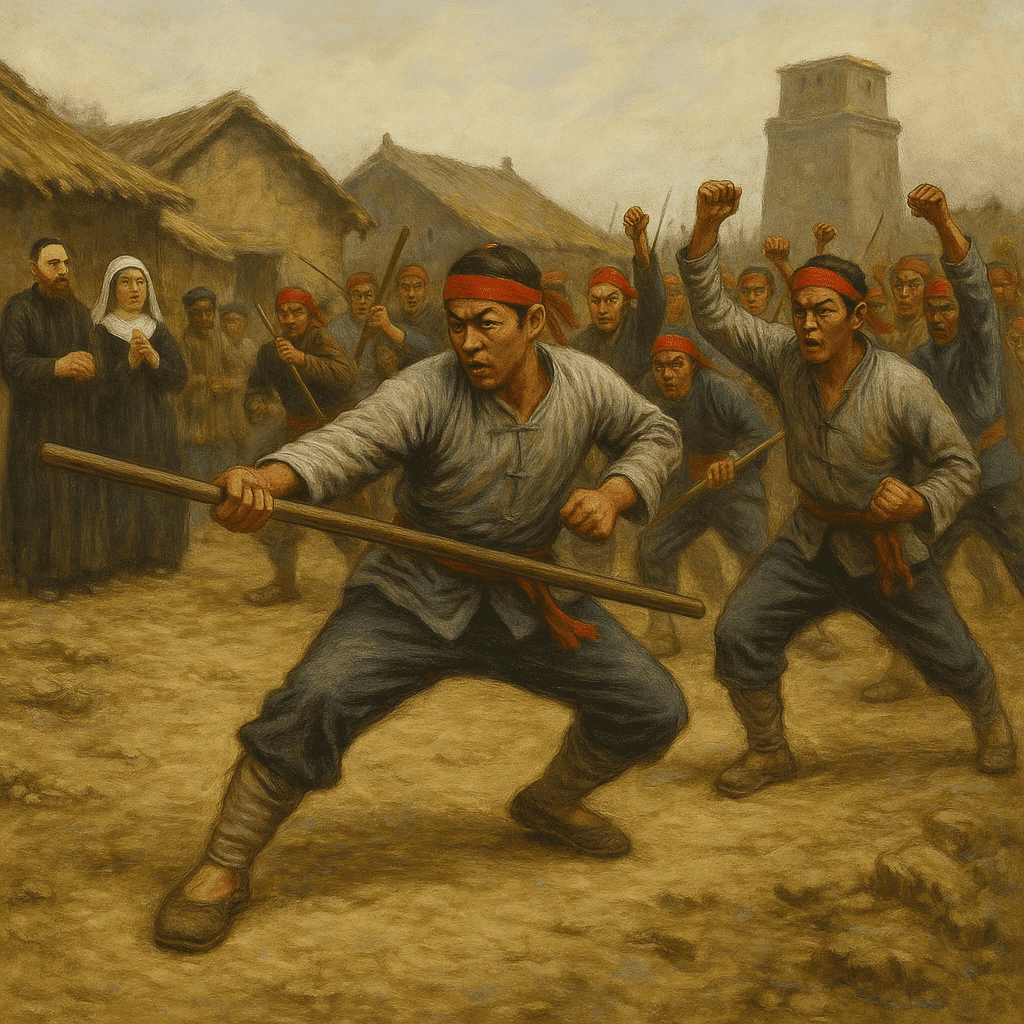
The Boxers arose from widespread rural discontent. Years of drought, famine, and foreign economic domination had devastated northern China, fostering deep resentment. Many Chinese blamed missionaries and their converts for cultural disruption and economic suffering, viewing them as symbols of imperialist intrusion.
In this climate of desperation, the Society of Righteous and Harmonious Fists—dubbed the "Boxers" by outsiders—gained popularity. Their rituals, martial arts, and belief in spiritual invulnerability made them a rallying force. The Qing court, divided over how to handle them, ultimately lent covert support as the movement swelled in strength.
The Siege of the Legations
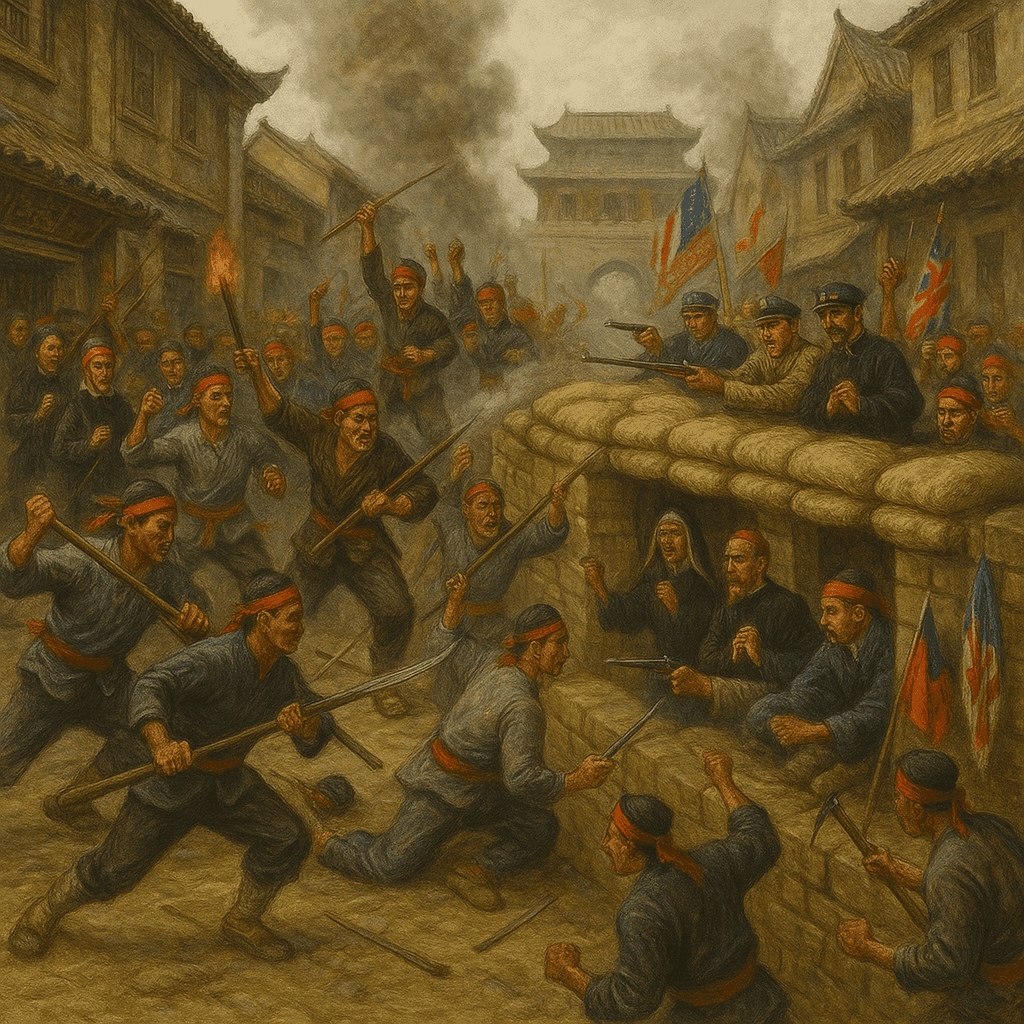
On June 20, 1900, the Boxers, joined by Qing troops, surrounded the Legation Quarter in Beijing, where foreign diplomats, missionaries, and Chinese Christians had taken refuge. The siege would last 55 days, with defenders enduring artillery attacks, dwindling food supplies, and near-constant danger.
The violence quickly drew the world's attention. An eight-nation alliance—including the United States, Britain, France, Germany, Japan, and others—mobilized a joint military force to relieve the siege and suppress the uprising. Their march to Beijing became a dramatic and brutal campaign.
Aftermath and Global Consequences
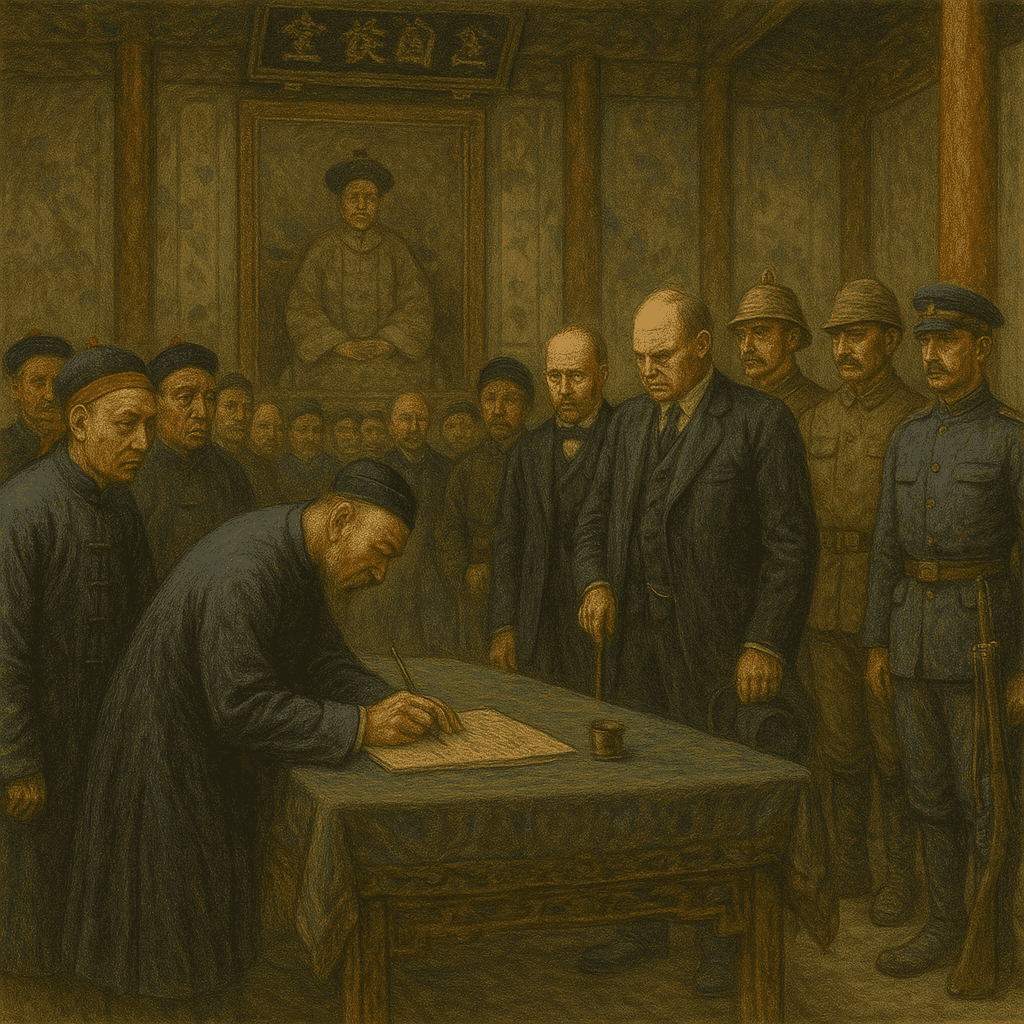
When the foreign troops broke the siege in August, the response was swift and punishing. The Boxer Protocol of 1901 imposed crippling reparations on China, expanded foreign influence, and further humiliated the Qing Dynasty. China's sovereignty was deeply compromised.
Though the rebellion failed, it became a powerful symbol of resistance. The defeat weakened the Qing court, fueled nationalist sentiment, and set the stage for the 1911 revolution. The Boxer Rebellion remains a critical moment in China's long struggle between tradition, reform, and foreign encroachment.