On June 4, 1944, the U.S. Navy achieved a dramatic and unprecedented wartime success when it captured the German submarine U-505 in the Atlantic Ocean. This marked the first time since the War of 1812 that the Navy had seized an enemy vessel at sea, and the implications of this bold operation would ripple through the final year of World War II. Beyond the tactical victory, the capture of U-505 yielded a wealth of intelligence that helped crack German naval codes and shift the momentum in the long and deadly Battle of the Atlantic.
A Bold Operation in Treacherous Waters
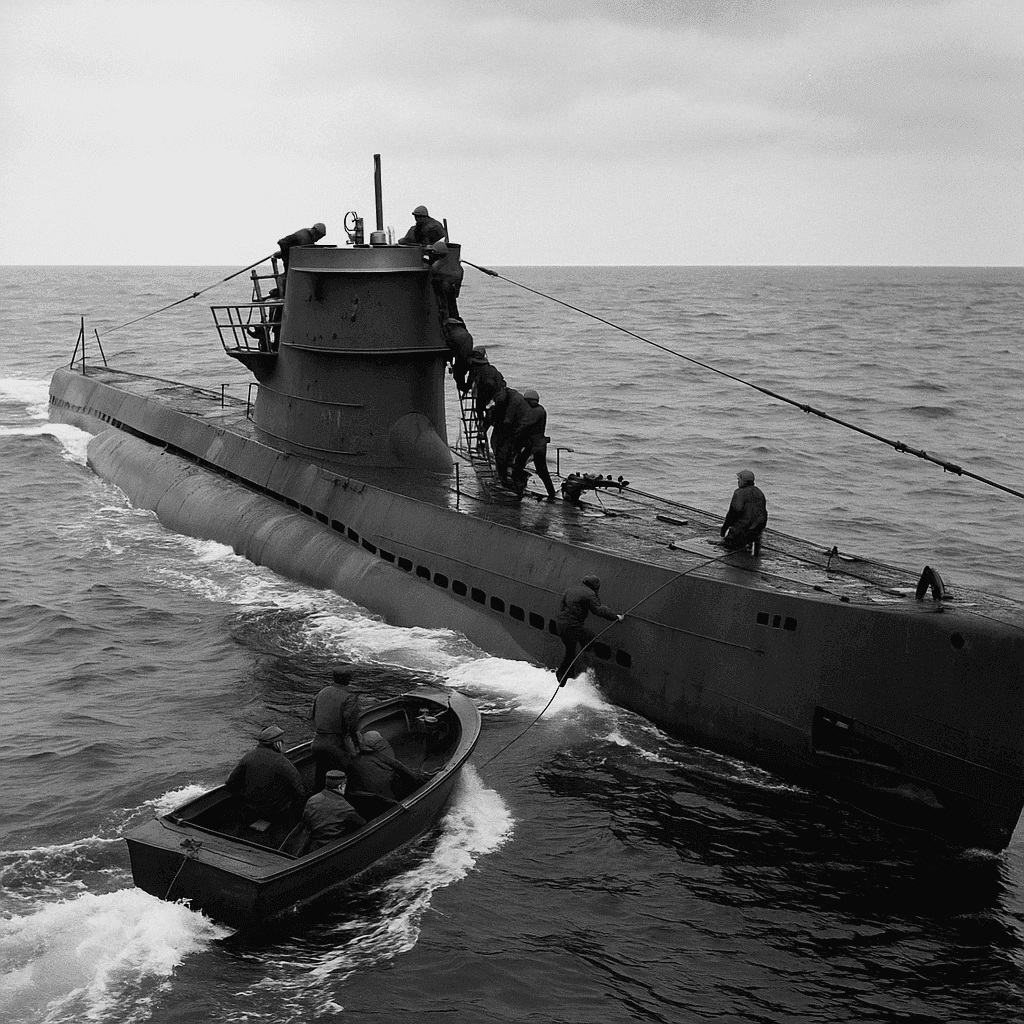
The capture of U-505 was the result of meticulous planning, tactical patience, and courageous execution. Task Group 22.3, commanded by Captain Daniel V. Gallery and centered around the escort carrier USS Guadalcanal, had been conducting anti-submarine operations in the Atlantic. On June 4, the group detected U-505 and executed a coordinated attack with sonar-guided depth charges, forcing the German submarine to surface—a rare and dangerous outcome in U-boat warfare.
As the German crew abandoned the stricken vessel, believing it to be sinking and preparing for scuttling, a daring boarding party from the destroyer escort USS Pillsbury sprang into action. With the submarine still underway and at risk of exploding, the American sailors climbed aboard, disarmed demolition charges, and secured the submarine. It was an extraordinary feat of bravery that defied standard naval tactics and preserved the sub nearly intact.
A Treasure Trove of Intelligence
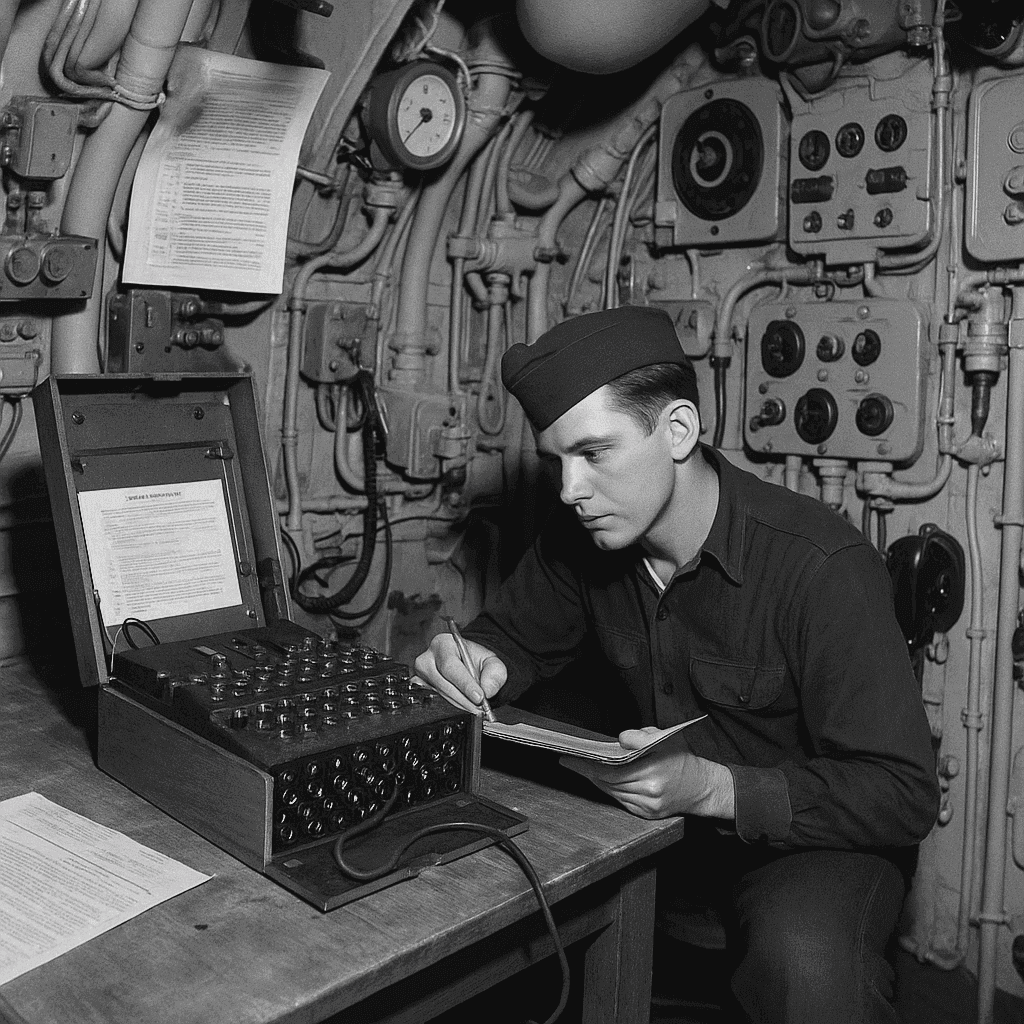
Once secured, U-505 was immediately recognized as a priceless asset. Below deck, U.S. forces discovered a trove of intelligence material, including an intact Enigma encryption machine, current codebooks, navigational charts, and operational orders. This material proved critical in breaking German naval communications and gave the Allies an enormous advantage in the ongoing U-boat war.
What made the success even more remarkable was the absolute secrecy with which it was handled. To keep the Germans unaware that their codes had been compromised, the U.S. Navy kept the capture of U-505 classified for the duration of the war. Even many members of the task group were unaware of the full significance of their mission until after hostilities had ended.
Preserving History and Honoring Valor
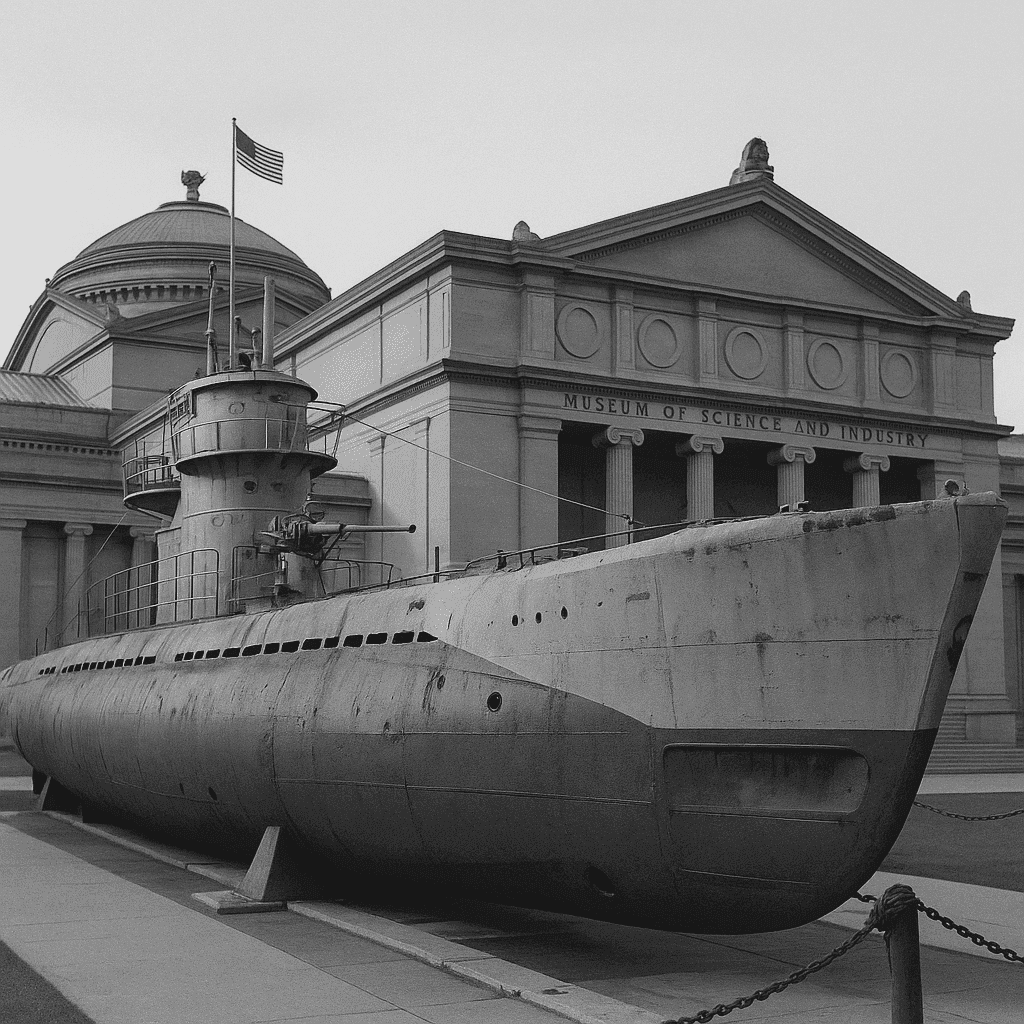
Following its capture, the U-505 was carefully studied and used to refine Allied anti-submarine warfare tactics. After the war, the submarine was eventually moved to the Museum of Science and Industry in Chicago, thanks in part to a campaign led by Captain Gallery himself. There it was preserved as a public exhibit, serving as a rare physical reminder of World War II’s submarine battles.
Today, U-505 is the only Type IXC U-boat on display in the United States, offering visitors a firsthand look at the tight, dangerous quarters of submarine warfare. Its story highlights not just the tactical ingenuity of the U.S. Navy, but the courage and teamwork required to pull off one of the most daring captures in naval history. More than 80 years later, its legacy continues to resonate with generations who seek to understand the human stakes of war and the value of vigilance at sea.