On June 13, 1971, The New York Times began publishing the Pentagon Papers, a top-secret government study that exposed decades of deception by U.S. officials about the Vietnam War. Leaked by former military analyst Daniel Ellsberg, the documents revealed a pattern of misleading the public and Congress, shaking the foundations of trust in government and triggering a landmark battle over press freedom that would go all the way to the Supreme Court.
The Leak That Shook the Nation
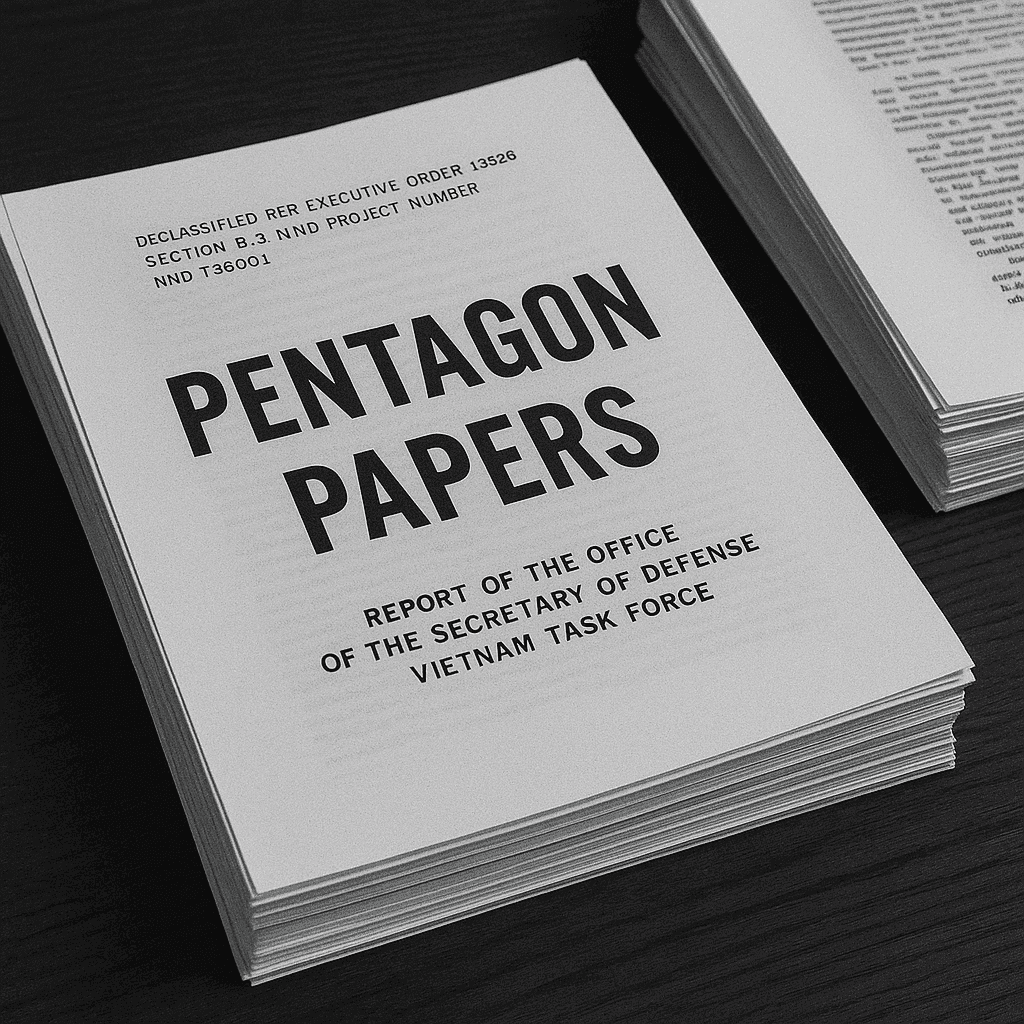
The Pentagon Papers, officially titled Report of the Office of the Secretary of Defense Vietnam Task Force, were commissioned in 1967 by Secretary of Defense Robert McNamara. The study aimed to chronicle U.S. involvement in Vietnam, stretching back to the end of World War II. What it revealed was a chilling pattern: successive administrations, regardless of political affiliation, had knowingly expanded the conflict while misleading the public about the war’s progress and prospects.
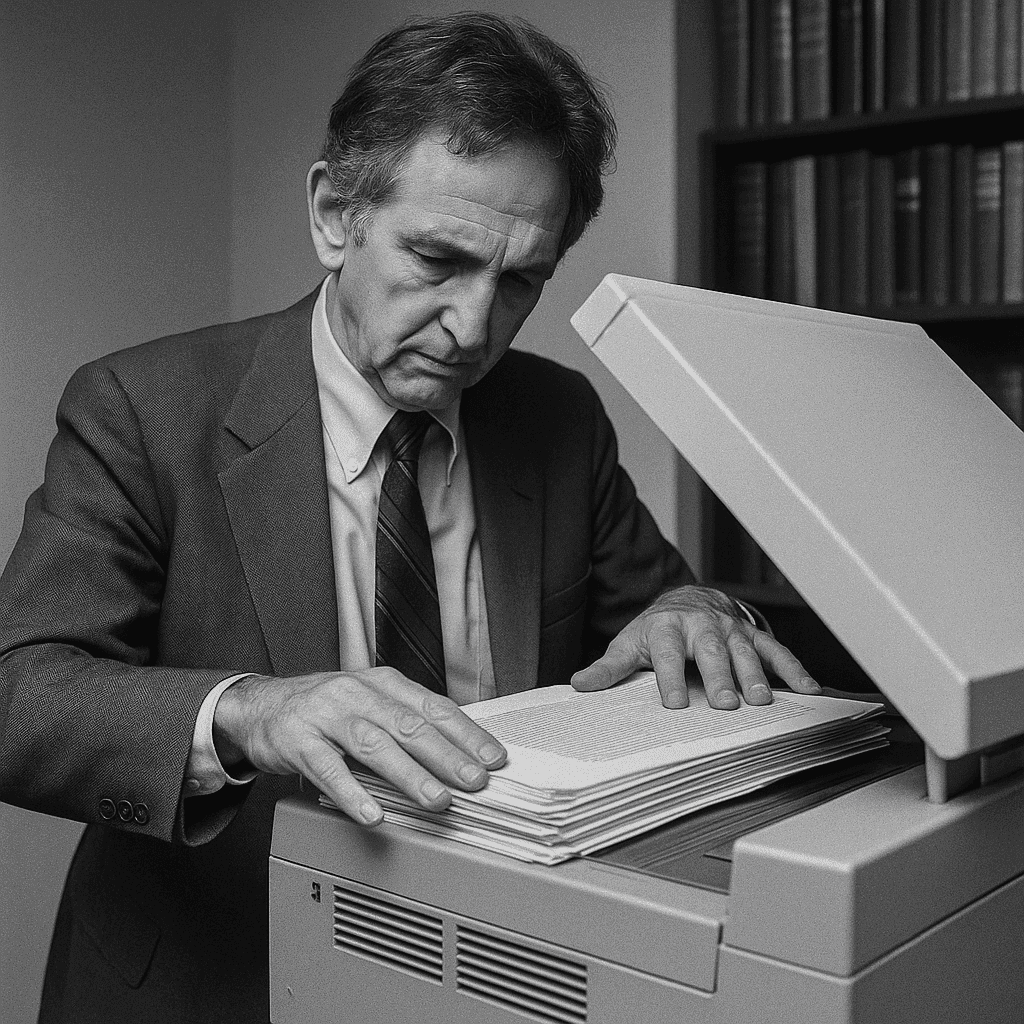
Daniel Ellsberg, a military analyst who had worked on the report, became disillusioned with the war and the duplicity it represented. In a dramatic act of civil disobedience, he secretly photocopied the documents and leaked them to The New York Times. When the first installment was published, it immediately ignited a firestorm, both politically and legally. The revelations undercut official justifications for the war and stirred widespread outrage across the country.
A Constitutional Clash Over the Press
The Nixon administration, citing national security concerns, quickly sought an injunction to halt further publication. This unprecedented move raised immediate constitutional questions about the balance between government secrecy and the public's right to know. The government argued that publishing the Pentagon Papers would endanger national security, while The Times maintained that the First Amendment protected its right to inform the public.
The legal battle escalated quickly, with the case making its way to the U.S. Supreme Court. In a 6–3 decision issued just weeks after the first publication, the Court sided with The New York Times and The Washington Post, which had also begun publishing excerpts. The ruling reaffirmed the essential role of a free press in a democratic society and set a powerful precedent against prior restraint—preventing the government from censoring the media before publication.
Legacy of the Pentagon Papers
The publication of the Pentagon Papers had immediate and long-term effects on American society. Trust in the government, already eroding during the Vietnam War, took a severe blow. The episode also emboldened investigative journalism and solidified the press’s role as a watchdog, later seen in the Watergate scandal and beyond. Daniel Ellsberg was charged under the Espionage Act, but the case was dismissed due to government misconduct, including illegal wiretapping.
Today, the Pentagon Papers remain a potent symbol of government accountability and the power of whistleblowers. The case is studied in law schools and journalism programs as a cornerstone of First Amendment rights. In an age of misinformation and state secrecy, the lessons of 1971 are as relevant as ever, reminding citizens and journalists alike of the vital importance of transparency, truth, and a free press.