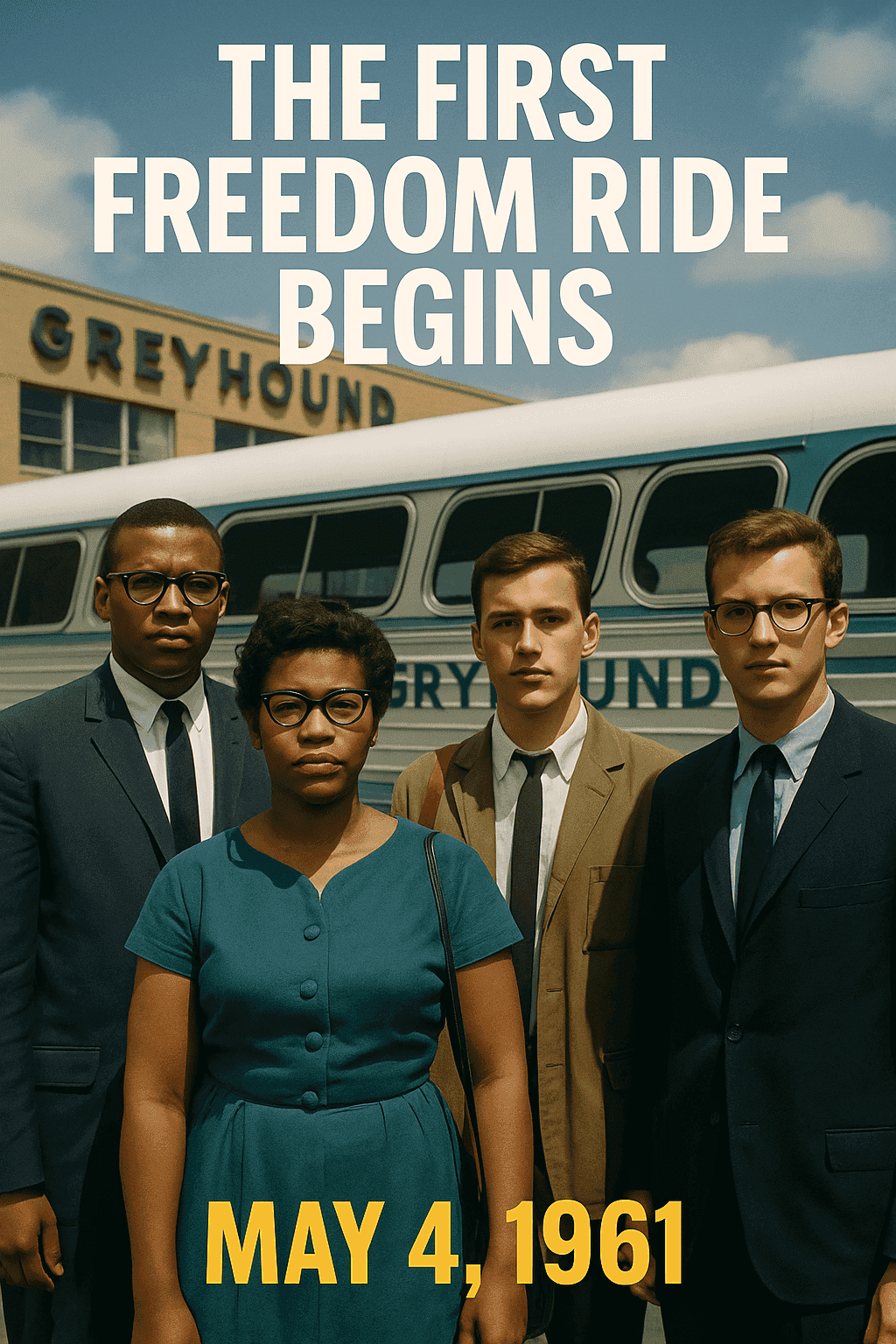
On May 4, 1961, an integrated group of civil rights activists departed from Washington, D.C., aboard Greyhound and Trailways buses bound for the Deep South. Their mission: to challenge the illegal segregation still rampant in interstate bus terminals despite Supreme Court rulings declaring it unconstitutional. Known as the Freedom Riders, these courageous men and women ignited a powerful chapter in the Civil Rights Movement—one marked by bravery, resistance, and the pursuit of justice on America’s highways.
Defying Segregation on the Road
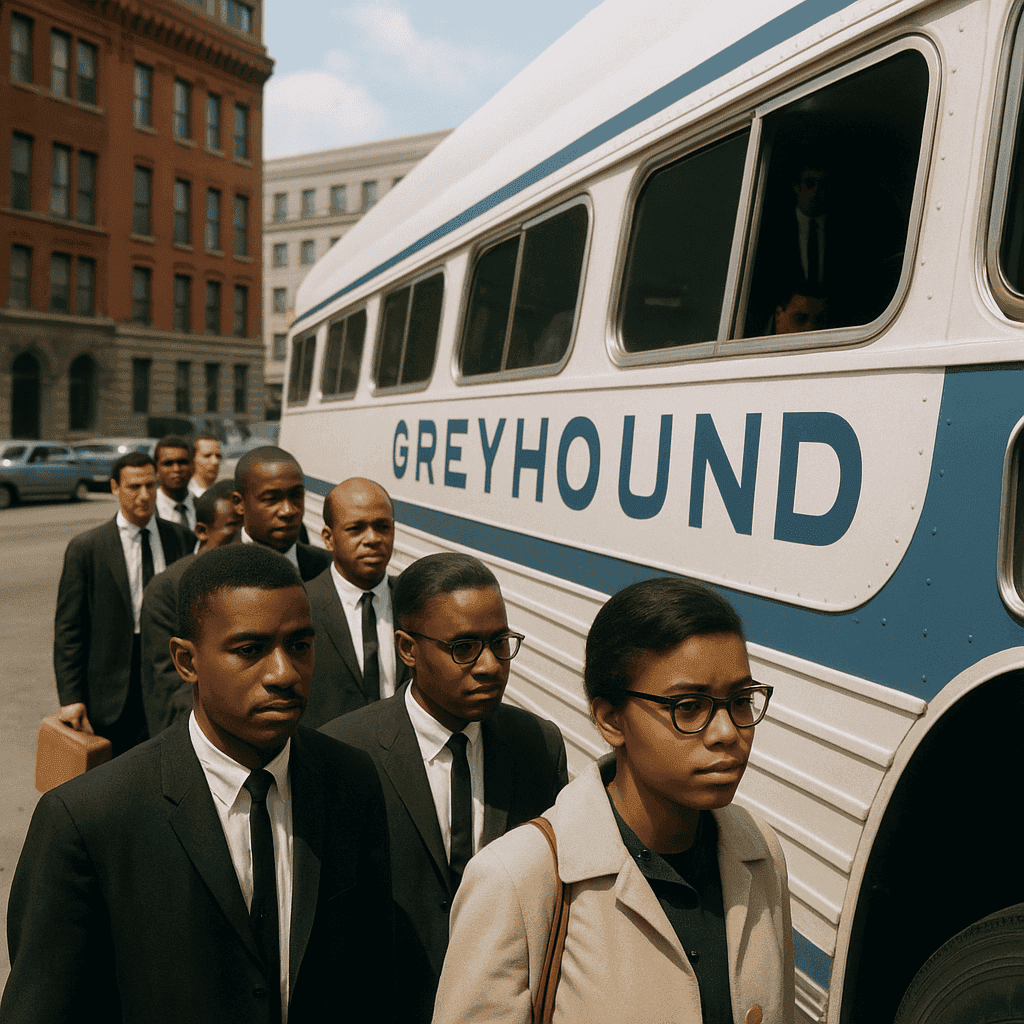
The Freedom Rides were organized by the Congress of Racial Equality (CORE), a key civil rights organization committed to nonviolent protest. The idea was simple but bold: Black and white activists would ride together on interstate buses, sitting side by side, using “whites-only” waiting rooms, restrooms, and lunch counters to test whether the South would comply with federal desegregation laws.
The riders included students, clergy, and community leaders—ordinary people with extraordinary courage. They knew the risks. As their buses rolled southward, they were met with escalating hostility. By the time the Freedom Riders reached Alabama, violence erupted. In Anniston, a mob firebombed a Greyhound bus. In Birmingham and Montgomery, riders were brutally beaten while local law enforcement stood by—or participated.
A Turning Point in the Civil Rights Movement
Despite the violence, the Freedom Riders refused to back down. Their resilience captured the nation’s attention and forced the federal government to confront the ongoing defiance of civil rights law in the South. More riders joined the effort, including members of the Student Nonviolent Coordinating Committee (SNCC), and hundreds were arrested and jailed in places like Jackson, Mississippi.
The national spotlight intensified. News footage and photographs of bloodied but unbowed riders shocked the conscience of many Americans. By the end of 1961, under mounting pressure, the Interstate Commerce Commission—at the behest of the Kennedy administration—issued regulations mandating the desegregation of all interstate bus travel facilities.
A Legacy of Courage and Change
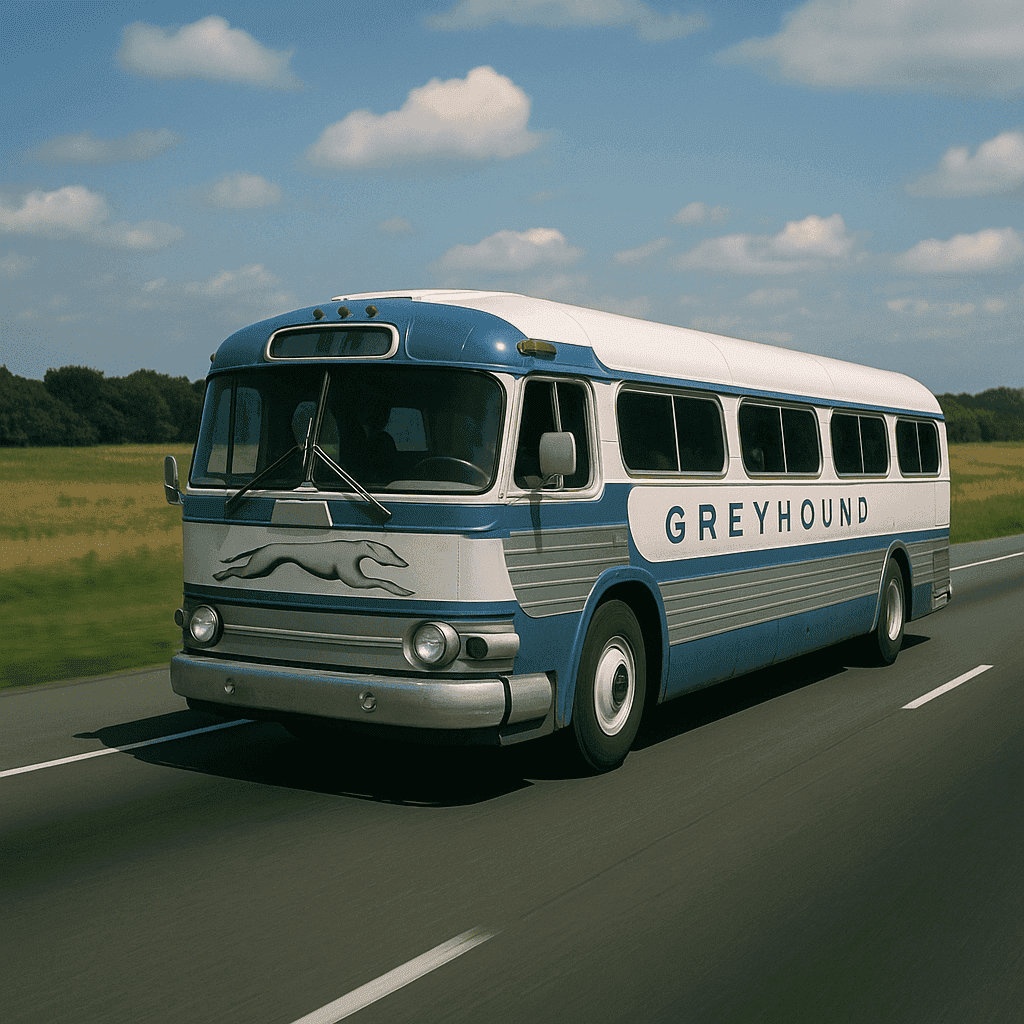
The first Freedom Ride on May 4, 1961, became a symbol of direct action and moral courage. It showed that ordinary citizens could stand up to injustice and effect real change. The riders, most of whom were in their teens or early twenties, risked their lives not for fame or fortune, but for the simple right to be treated equally.
Their actions inspired future generations of activists and remain a powerful example of how peaceful protest and unwavering resolve can bend the arc of history toward justice. Today, the story of the Freedom Riders continues to be taught, honored, and remembered as one of the defining moments in America’s ongoing struggle for civil rights.