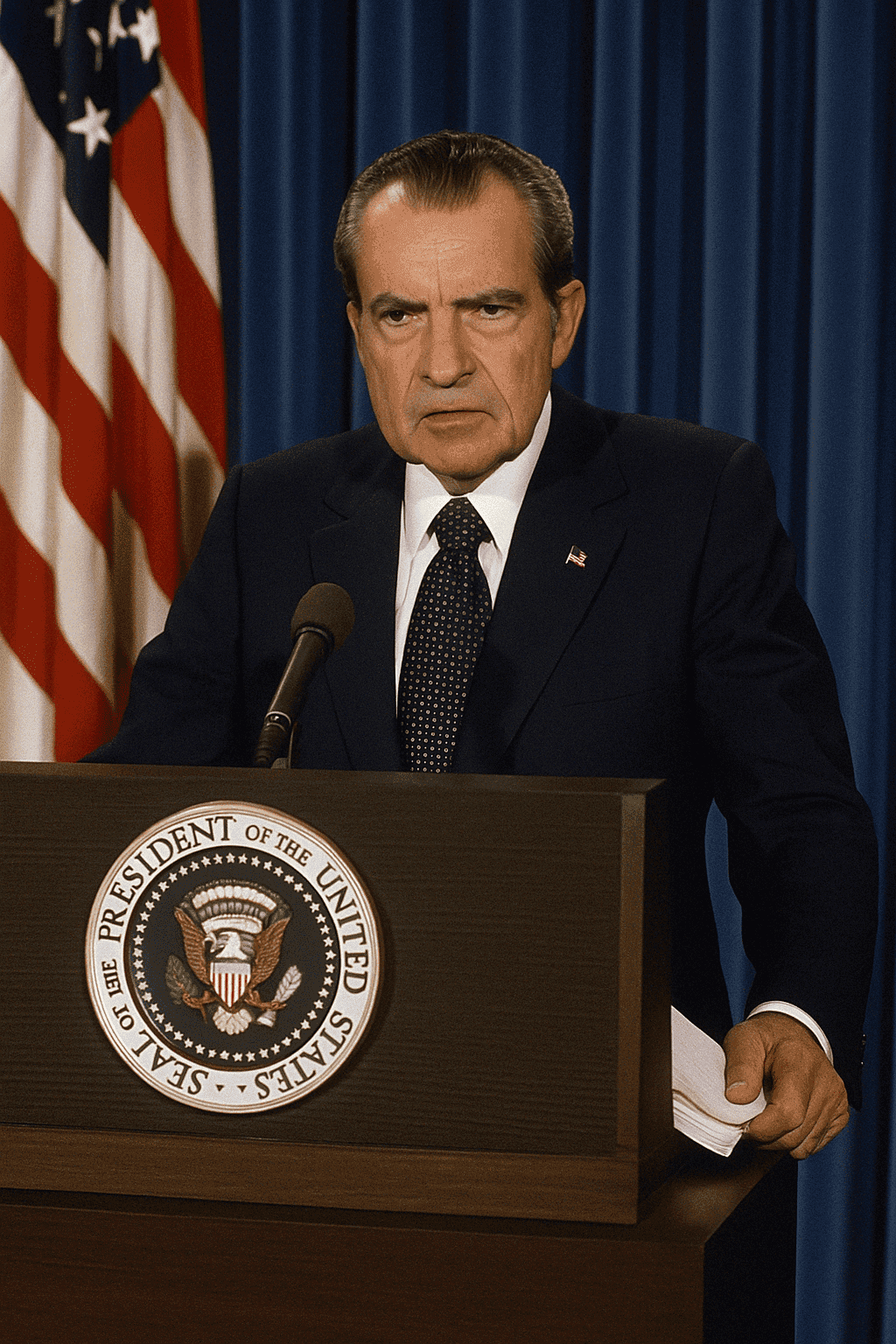
On April 29, 1974, President Richard Nixon made a dramatic and unprecedented move by releasing edited transcripts of the White House tapes related to the Watergate scandal. The announcement came amid mounting public and congressional pressure, as the investigation into the 1972 break-in at the Democratic National Committee headquarters unraveled the extent of corruption and abuse of power within the Nixon administration. This pivotal decision exposed the inner workings of the presidency and marked a major turning point in the scandal that would eventually force Nixon’s resignation.
A Scandal Unfolds
The Watergate scandal began with the June 1972 break-in at the Watergate complex in Washington, D.C., where five men connected to Nixon’s reelection campaign were caught attempting to bug Democratic offices. Initially dismissed as a minor incident, the investigation soon revealed a far-reaching campaign of political espionage, sabotage, and cover-ups directed from the highest levels of government.
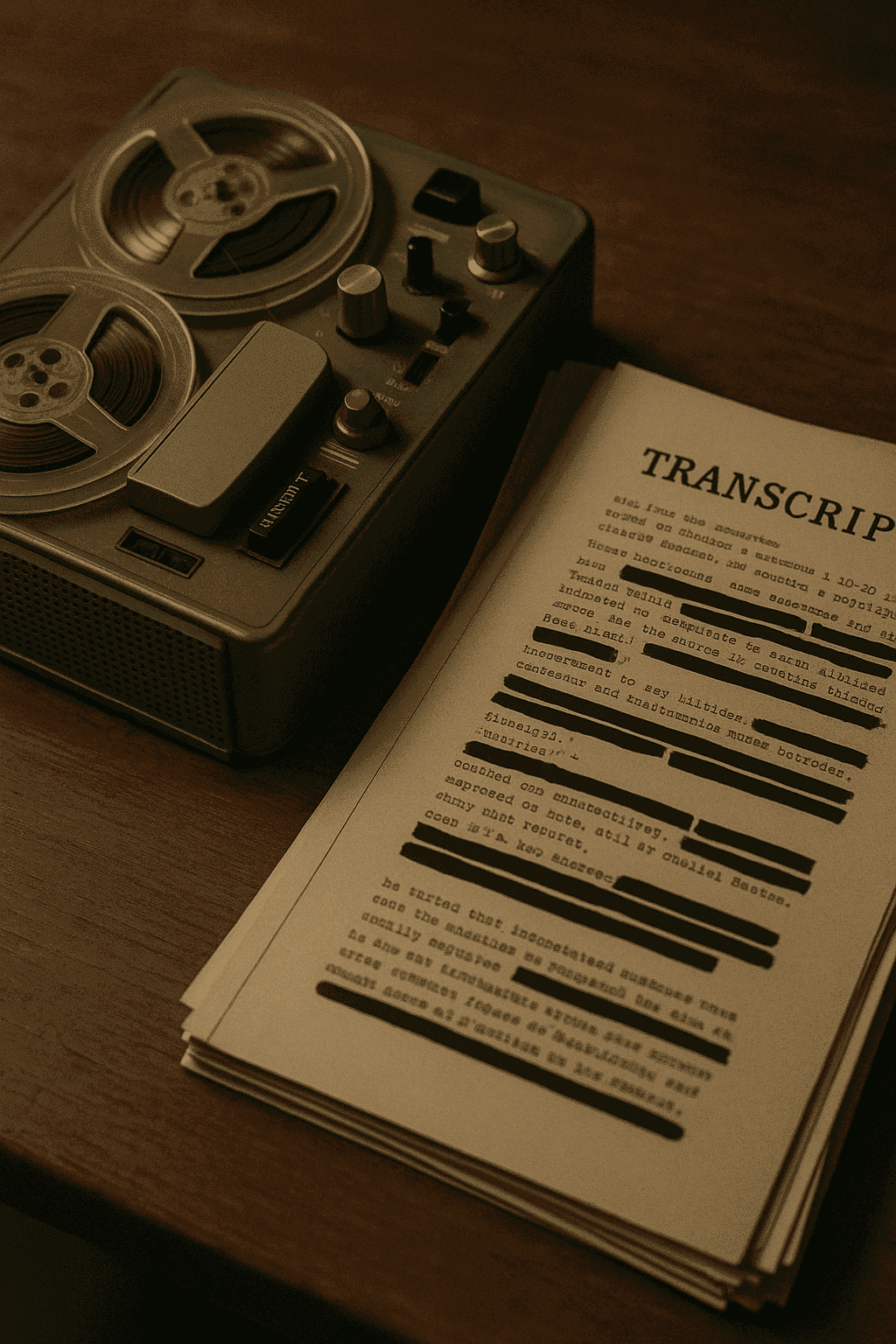
Key to unraveling the conspiracy were secret tape recordings Nixon had made of conversations in the Oval Office. When their existence was revealed, investigators demanded access. Nixon, citing executive privilege, initially refused to release the tapes—fueling suspicions of wrongdoing and intensifying demands for transparency.
The Release and Its Consequences
Facing growing pressure from Congress, the courts, and the American public, Nixon announced on April 29, 1974, that he would release edited transcripts of the tapes. In a televised address, he framed the move as an effort to end the national turmoil and prove his innocence. However, the content of the transcripts painted a far different picture.
Even in edited form, the transcripts revealed a disturbing pattern of deceit, manipulation, and obstruction of justice. The language was coarse, the tone conspiratorial, and the content damning. Most damaging was the clear evidence that Nixon had sought to use federal agencies to cover up the Watergate affair.
The Beginning of the End
Rather than restoring confidence, the release of the transcripts deepened public outrage and accelerated the push toward impeachment. Members of Congress, including Republicans, began to turn against the president. The House Judiciary Committee launched formal proceedings, and the Supreme Court eventually ordered Nixon to release the unedited tapes.
On August 5, 1974, the infamous "smoking gun" tape was released, revealing that Nixon had ordered a cover-up just days after the break-in. With his political support evaporating, Nixon resigned from the presidency on August 8, 1974—the first and only U.S. president to do so.
A Legacy of Accountability

The Watergate scandal and Nixon’s downfall fundamentally reshaped American politics and the relationship between the presidency and the public. It led to sweeping reforms in campaign finance, greater oversight of government actions, and a renewed emphasis on checks and balances.
April 29, 1974, remains a defining moment in that saga—a day when the curtain was pulled back on the abuse of power, and the principles of accountability and transparency were reaffirmed. The legacy of Watergate continues to inform public expectations of integrity in leadership, reminding citizens and officials alike that no one is above the law.