On this day in history, Napoleon Bonaparte abdicated the throne of France following a string of military defeats during the War of the Sixth Coalition. The once-invincible general and Emperor, who had reshaped Europe through relentless campaigns, was compelled to relinquish power and go into exile on the Mediterranean island of Elba. This pivotal event marked the fall of one of history’s most dynamic figures and closed a significant chapter in the Napoleonic Era.
The Fall of an Empire
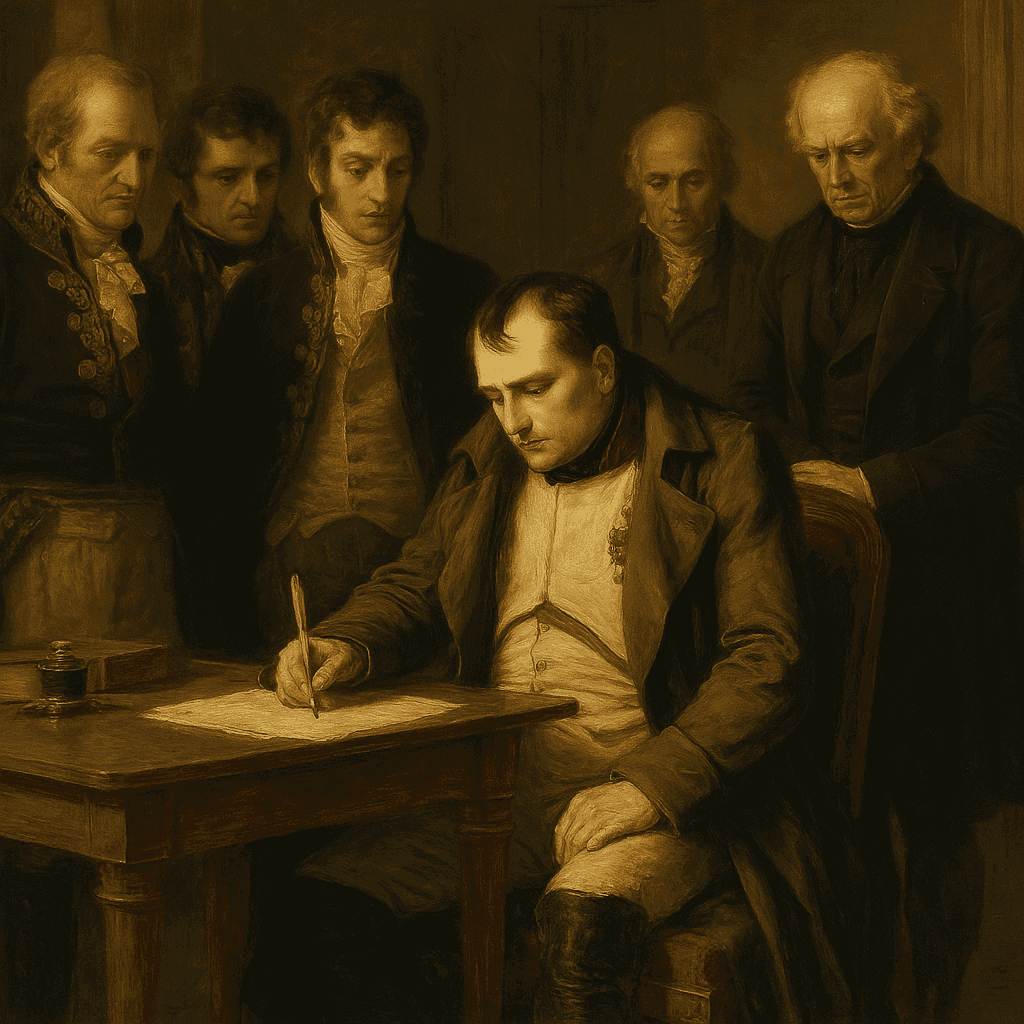
By early 1814, Napoleon’s military might had begun to unravel. After years of dominating European battlefields, the tide turned against him following his disastrous Russian campaign in 1812. The Sixth Coalition—an alliance of Britain, Russia, Prussia, Austria, Sweden, and other European powers—seized the opportunity to challenge France. In a coordinated push into French territory, coalition forces captured Paris on March 31, 1814. Napoleon was forced to confront the inevitable with his capital lost and his army depleted.
French political leaders and military commanders pressured him to step down, recognizing that his continued rule only prolonged national suffering. On April 11, 1814, Napoleon signed the Treaty of Fontainebleau, officially abdicating the throne. In return, he was granted sovereignty over the small island of Elba, along with a modest personal guard and pension. It was an ignominious end to a reign that had once seemed unshakable.
Life in Exile and the Hundred Days
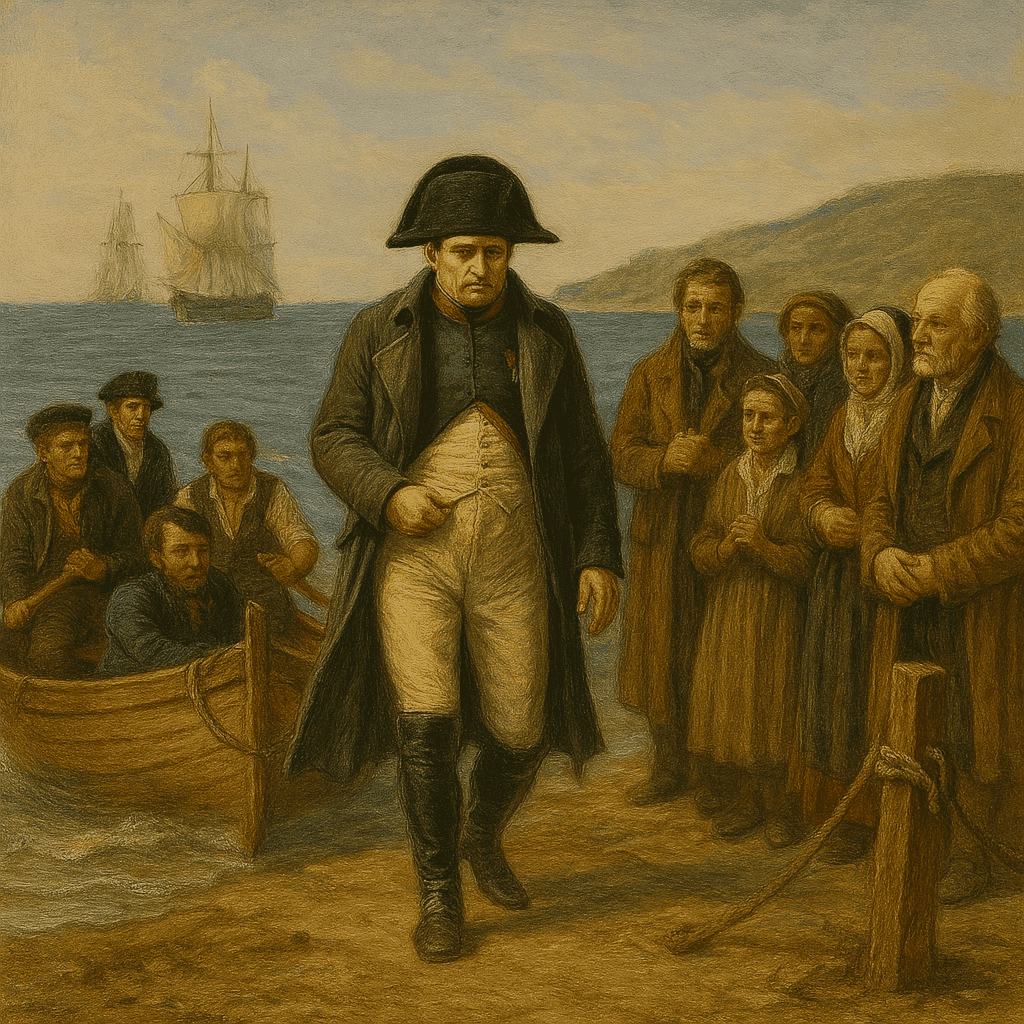
Exiled to Elba, Napoleon attempted to embrace his new reality by improving the island’s infrastructure and attempting minor reforms. However, he remained restless. Reports from France of widespread dissatisfaction with the restored Bourbon monarchy—now under Louis XVIII—fueled his ambition. Less than a year after his abdication, Napoleon escaped Elba and returned to France on March 1, 1815. His legendary charisma and military reputation reignited the loyalty of soldiers and citizens alike.
His return, known as the Hundred Days, saw Napoleon reclaim power and march toward another confrontation with Europe. However, his comeback was short-lived. The coalition swiftly mobilized, culminating in his final defeat at the Battle of Waterloo on June 18, 1815. Afterward, Napoleon was exiled again—this time to the remote island of Saint Helena in the South Atlantic, where he remained until his death in 1821.
Legacy of a Reluctant Abdication
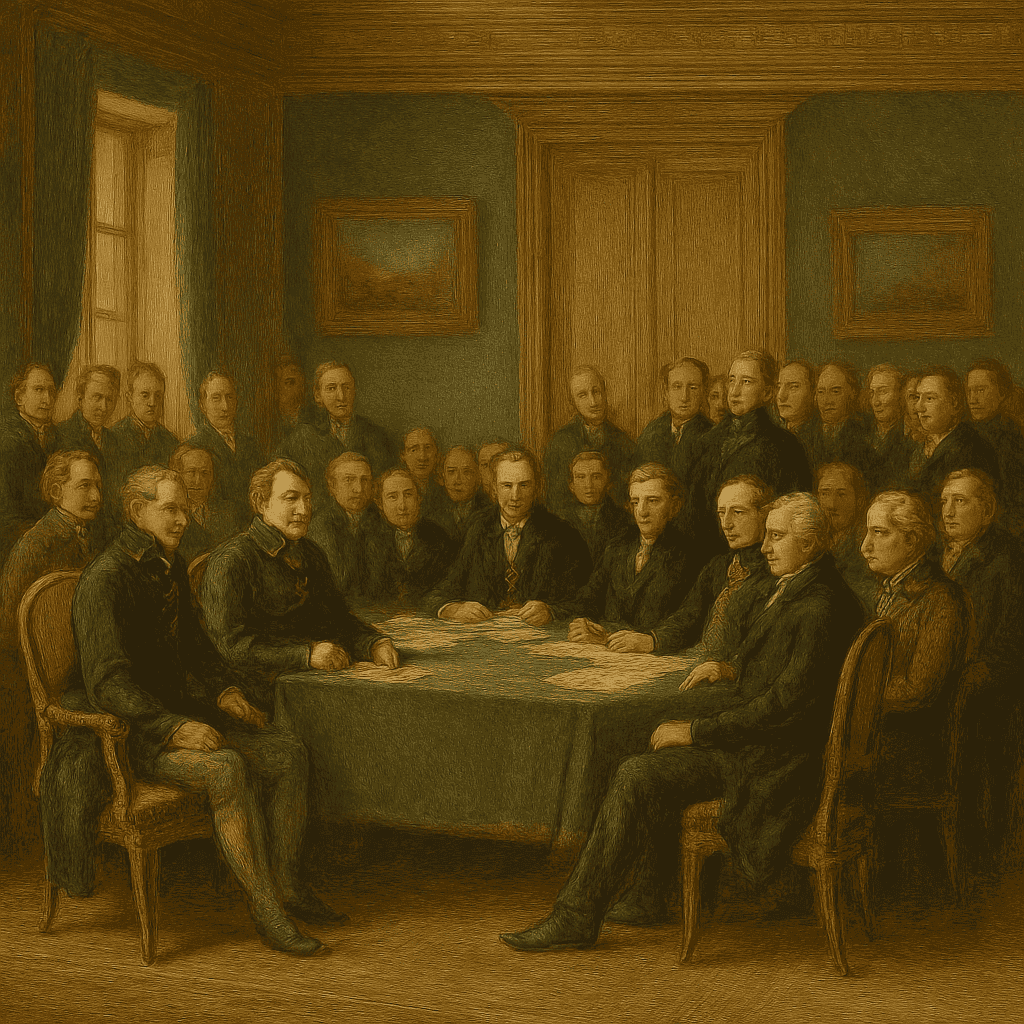
Napoleon’s abdication in 1814 reshaped the political map of Europe and ushered in a new era. The Congress of Vienna, convened shortly after his fall, redrew national boundaries and established a fragile balance of power aimed at preventing future wars. While the Bourbon monarchy was briefly restored, the revolutionary ideals that Napoleon had carried across Europe—such as legal equality, secular governance, and nationalism—remained embedded in many societies.
Today, Napoleon remains a polarizing figure. Some admire his military genius and administrative reforms, while others condemn the wars and authoritarianism that defined his rule. His abdication on April 11, 1814, remains a defining moment in European history—a powerful reminder of the limits of power and the cyclical nature of empires. Though removed from his throne, Napoleon's impact on modern Europe endures.