May 2: Something in the Water, The Man Who Survived the Payola Scandal, Justice at Abbottabad
Some stories are more powerful than the facts that started them. May 2 is populated by three that understand this: a brief newspaper report about a creature in a Scottish loch that has generated nearly a century of tourism, scientific expeditions, and genuine wonder; a congressional hearing that tested the integrity of a television host who had built his career on the premise that the right song, heard at the right moment, changes everything; and a covert operation in a Pakistani city that ended the longest manhunt in American history and forced a world still living in the shadow of September 11 to ask what, exactly, it had been waiting to feel. Myth, scrutiny, and reckoning — and the enduring human question of what we do with the answer once we have it.
Nessie
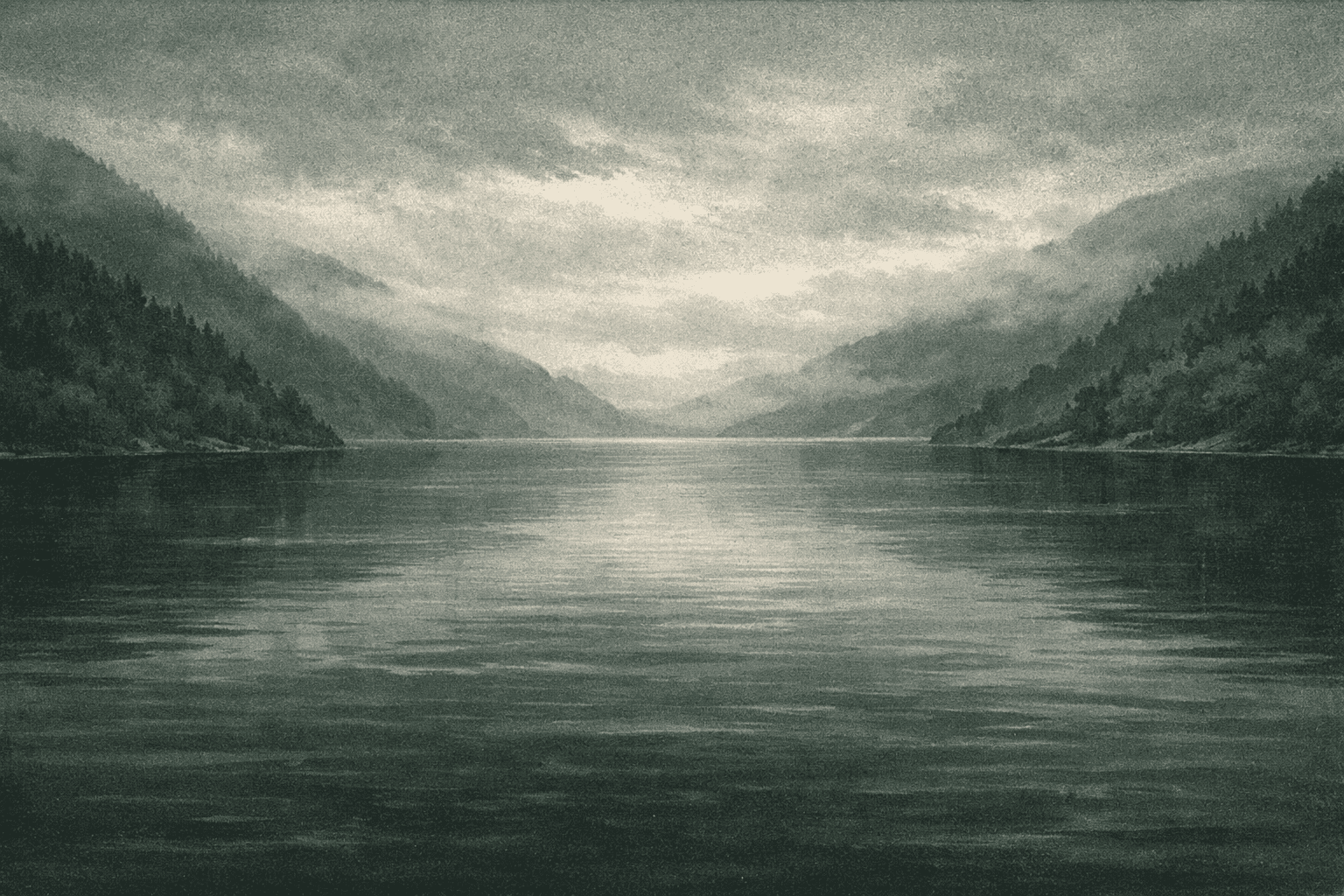
On May 2, 1933, the Inverness Courier published a short report by its water bailiff correspondent, Alex Campbell, describing an encounter by John and Aldie Mackay, a local couple who had been driving along the northern shore of Loch Ness when they observed what they described as an enormous creature rolling and plunging in the water. Campbell's account described it as resembling a whale, and the Courier's editor, Evan Barron, made the fateful editorial decision to use the word "monster" in his headline. The story was picked up by the wire services and spread internationally within days. Within months, the London Daily Mail had dispatched a big-game hunter to the Scottish Highlands to track the creature, a former circus manager had published a photograph he claimed was the monster's spoor, and Loch Ness — a twenty-three-mile-long, nearly 800-foot-deep body of fresh water in the Great Glen of Scotland — had been transformed from a scenic regional landmark into the most famous unexplained mystery in the world.
What followed across the next ninety years is a story as much about human psychology as natural history. The most famous image of Nessie — the "Surgeon's Photograph" of 1934, purporting to show a long-necked creature rising from the loch's surface — was convincingly debunked in 1994 as a hoax involving a toy submarine fitted with a sculpted head. Sonar surveys conducted in 1967, 1987, and 2003 found no evidence of a large animal in the loch. A 2018 environmental DNA study of the loch's waters found no genetic traces of any large unknown creature, though it did find abundant evidence of eels. The scientific consensus is clear: there is no monster in Loch Ness. And yet the legend persists with a vitality that no debunking has managed to diminish, drawing more than 500,000 visitors to the loch each year — many of them scanning the water with genuine hope. Nessie endures not because the evidence supports her existence but because the human imagination, offered a dark, deep Scottish loch and the possibility of something ancient and inexplicable within it, finds the idea simply too good to relinquish.
Payola
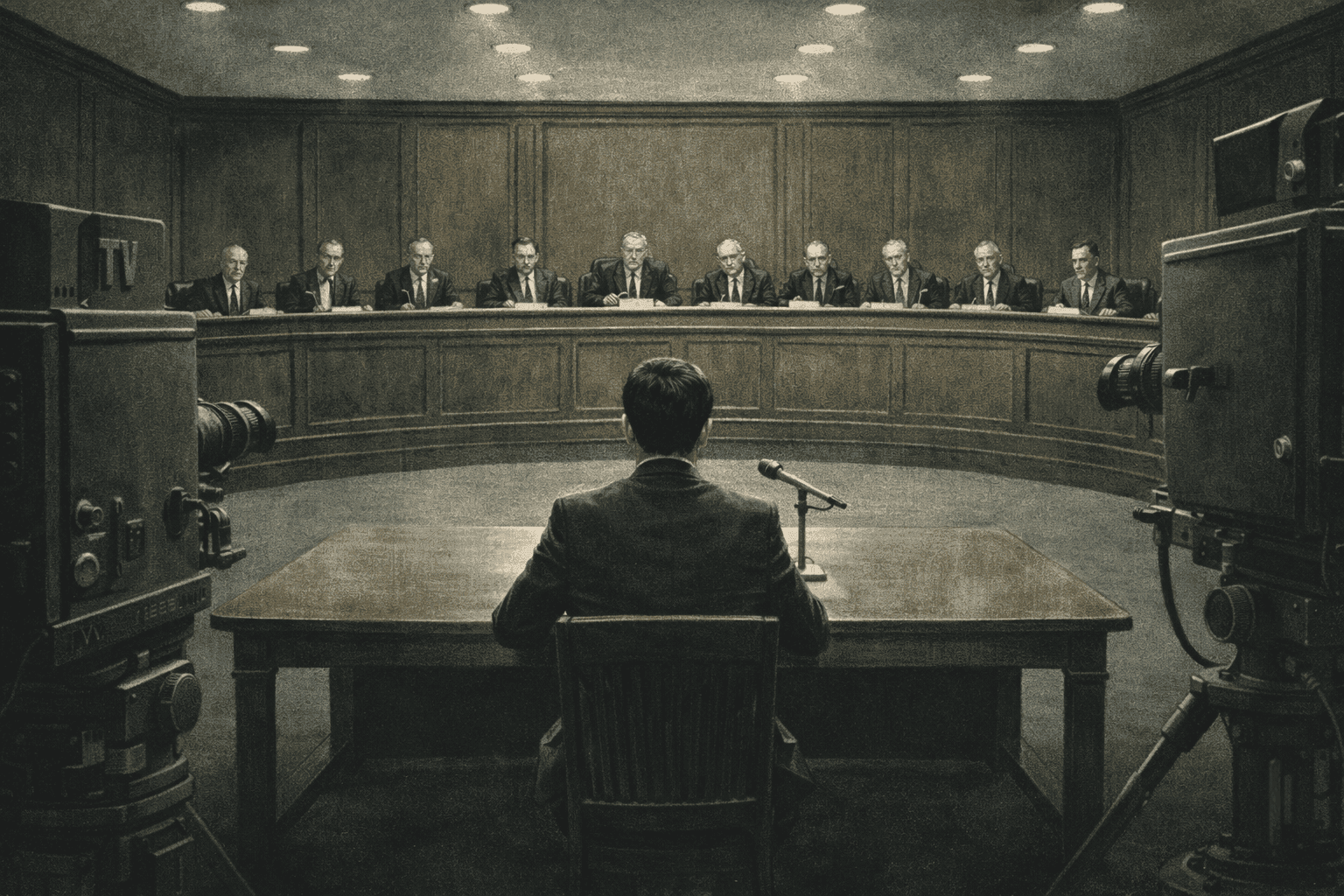
On May 2, 1960, Dick Clark testified before the House Legislative Oversight Subcommittee in Washington, D.C., as part of its investigation into payola — the practice by which record labels and music promoters paid disc jockeys and television hosts to play specific songs, without disclosure to the listening or viewing public. The investigation had already claimed the career of Alan Freed, the disc jockey widely credited with coining the term "rock and roll," who had been fired by his New York radio station and would never recover his professional standing. Clark arrived before the committee having divested himself, at ABC's insistence, of his financial interests in music publishing and record companies — interests that had been extensive and that created obvious conflicts of interest with his role as the nation's most influential tastemaker in popular music. The question before the committee was whether Clark had used his platform on American Bandstand to promote songs in which he had a financial stake.
Clark's testimony was careful, thorough, and effective. He acknowledged the financial entanglements, maintained that he had never accepted cash payments for airplay, and presented himself with the boyish sincerity that had made him a television star. Subcommittee chairman Oren Harris famously told him, "You're a fine young man." Clark walked out of the hearing with his reputation not merely intact but, in some respects, enhanced — the survivor of a scandal that had destroyed his chief competitor. The payola hearings were, in retrospect, as much a reaction to the cultural disruption of rock and roll — a music of Black origins that had unsettled the mainstream — as a genuine reform effort, and their legacy is complicated. But they established, in law and in practice, the disclosure requirements that govern the relationship between commercial payments and broadcast airplay to this day. Clark went on to host American Bandstand for another thirty years and to produce Dick Clark's New Year's Rockin' Eve for four decades. The hearing on May 2, 1960, was the test he passed that made the rest of the career possible.
Operation Neptune Spear
In the early morning hours of May 2, 2011, local time in Pakistan — late evening of May 1 in Washington — two Black Hawk helicopters carrying twenty-three Navy SEALs from SEAL Team Six crossed the border from Afghanistan into Pakistani airspace and descended on a walled compound in Abbottabad, a mid-sized city in the Khyber Pakhtunkhwa province. The compound had been identified by CIA analysts who had spent months tracking the movements of a courier known to have connections to al-Qaeda's senior leadership. Inside it, on the compound's third floor, was Osama bin Laden — the architect of the September 11, 2001, attacks that had killed 2,977 people, the founder of al-Qaeda, and the most wanted man in the world. The operation lasted approximately forty minutes. Bin Laden was killed by gunfire. His body was flown to the USS Carl Vinson in the North Arabian Sea and buried at sea in accordance with Islamic tradition, to prevent his grave from becoming a shrine.
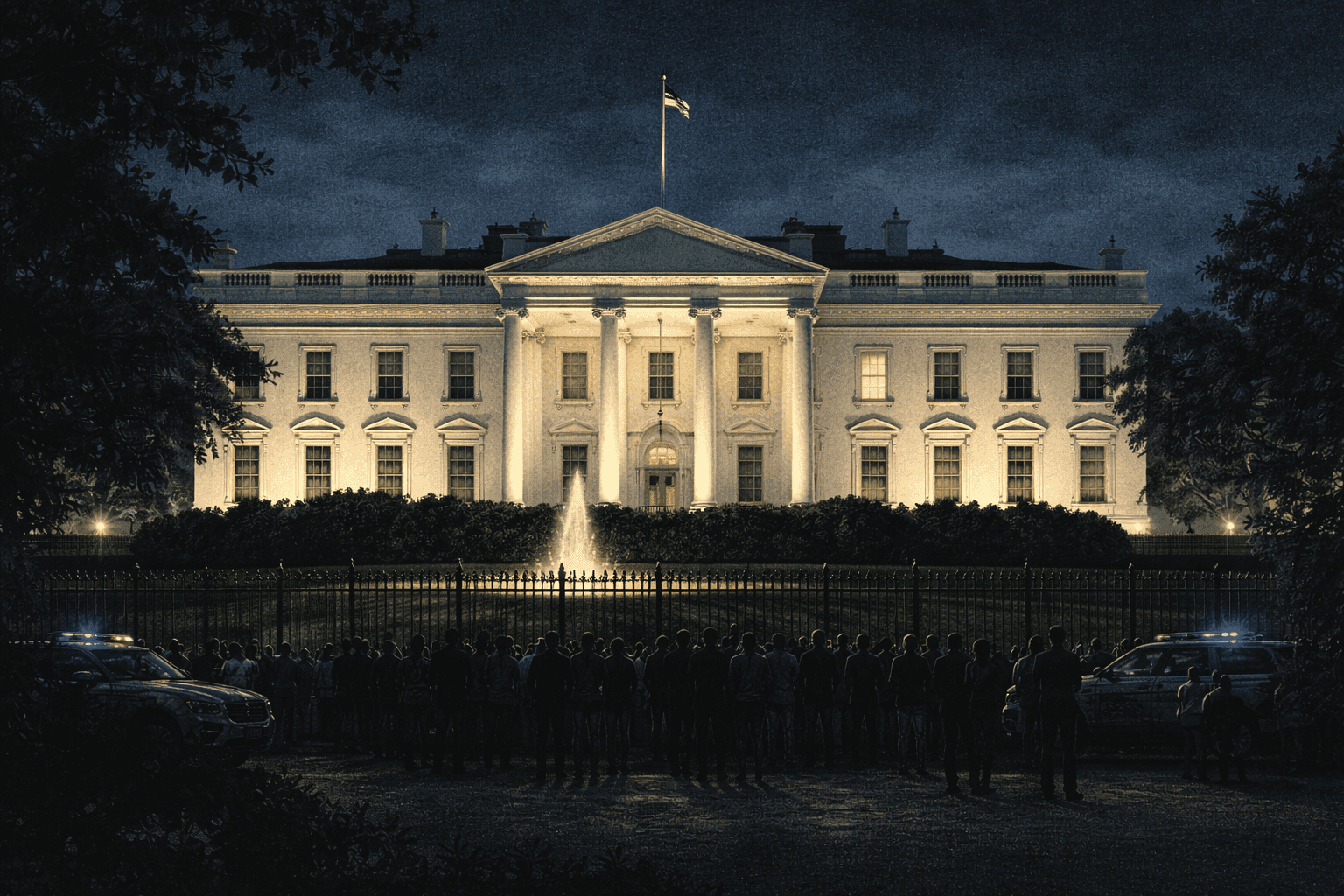
President Barack Obama announced the operation to the nation shortly before midnight on May 1, Washington time, in a brief televised address from the East Room of the White House. The announcement produced scenes of spontaneous public celebration outside the White House and at Ground Zero in New York that were broadcast around the world. The response was understandable — nearly ten years of war, grief, and vigilance had been aimed, in part, at this outcome — but the celebrations also prompted reflection on what bin Laden's death actually resolved. Al-Qaeda had already decentralized significantly; affiliated groups in Yemen, North Africa, and elsewhere continued to operate. The wars in Afghanistan and Iraq, begun in the name of the September 11 response, would continue for years. The Abbottabad operation also raised pointed questions about Pakistani sovereignty and the extent to which Pakistani intelligence had been aware of bin Laden's presence in a city that housed a major military academy. May 2, 2011, was not the end of anything that could be cleanly ended. But it was, for the families of 2,977 people, a form of accounting that had taken nearly a decade to arrive.