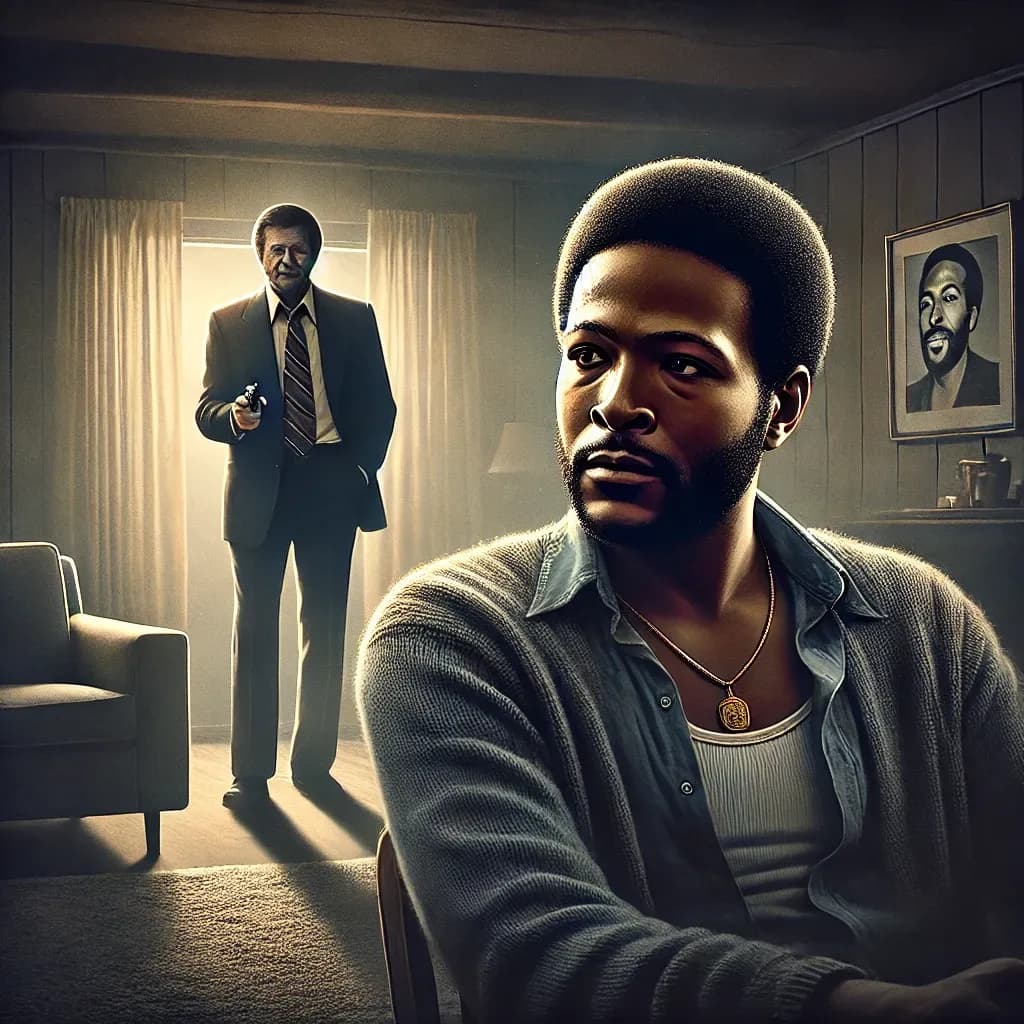
On April 1, 1984, the world of music was rocked by the devastating news that legendary soul singer Marvin Gaye had been shot and killed—by his own father, Marvin Gay Sr.—during a domestic dispute at their home in Los Angeles, California. Just one day before his 45th birthday, Gaye’s life came to a sudden and violent end, shocking fans and fellow artists across the globe. The tragedy was not only a heartbreaking moment for those who loved his music, but also a haunting reflection of the personal struggles he carried with him behind the scenes.
A Voice for the Ages
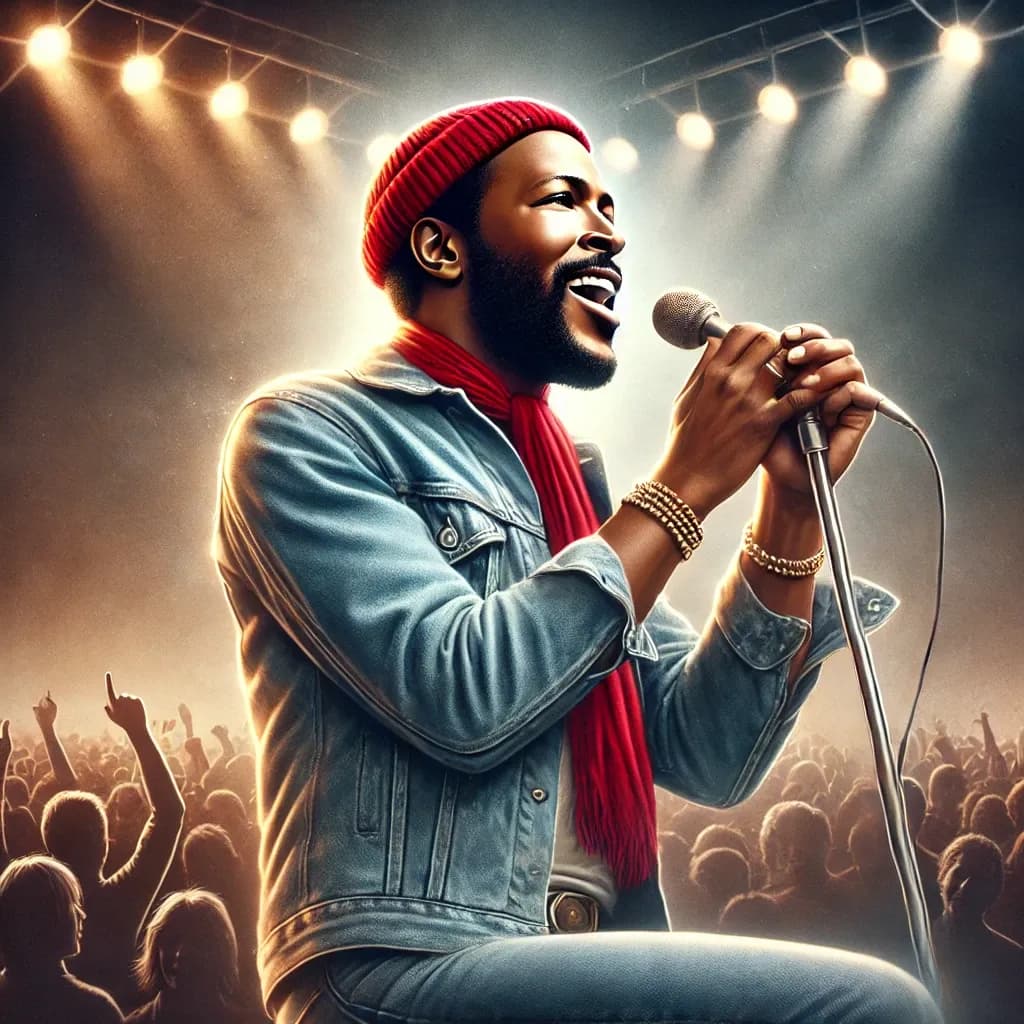
Marvin Gaye rose to fame in the 1960s as a cornerstone of the Motown sound, crafting timeless hits like “What’s Going On,” “Let’s Get It On,” and “Sexual Healing.” His silky voice, emotionally raw lyrics, and fearless approach to social commentary set him apart from his peers and helped reshape the landscape of American music. Gaye tackled issues ranging from war and poverty to love and addiction, blending soul, funk, and R&B in ways that felt both intimate and universal.
By the 1970s, Gaye had become more than just a pop icon—he was a cultural figure who gave voice to the struggles of a generation. His landmark 1971 album What’s Going On was a daring and deeply personal plea for peace and understanding, inspired by the Vietnam War and civil unrest at home. The album broke from Motown’s traditional formulas and proved that soul music could be both commercially successful and socially conscious.
Personal Turmoil Behind the Fame
Despite his musical success, Marvin Gaye battled a host of personal demons throughout his life. He faced substance abuse, failed relationships, and intense financial and legal troubles. Much of his inner turmoil stemmed from a complicated and volatile relationship with his father, a strict and often abusive preacher. Their tensions had long been a source of emotional pain for Gaye, who struggled to reconcile the man he was with the son he had always been expected to be.
In the months leading up to his death, Gaye had moved back into his parents’ home as he dealt with a bout of depression and declining health. On the morning of April 1, a heated argument erupted between father and son, culminating in Marvin Gay Sr. fatally shooting his son with a gun Marvin Gaye himself had previously given him. The act was both senseless and symbolic—a tragic end to a life filled with conflict, brilliance, and vulnerability.
A Legacy That Resonates
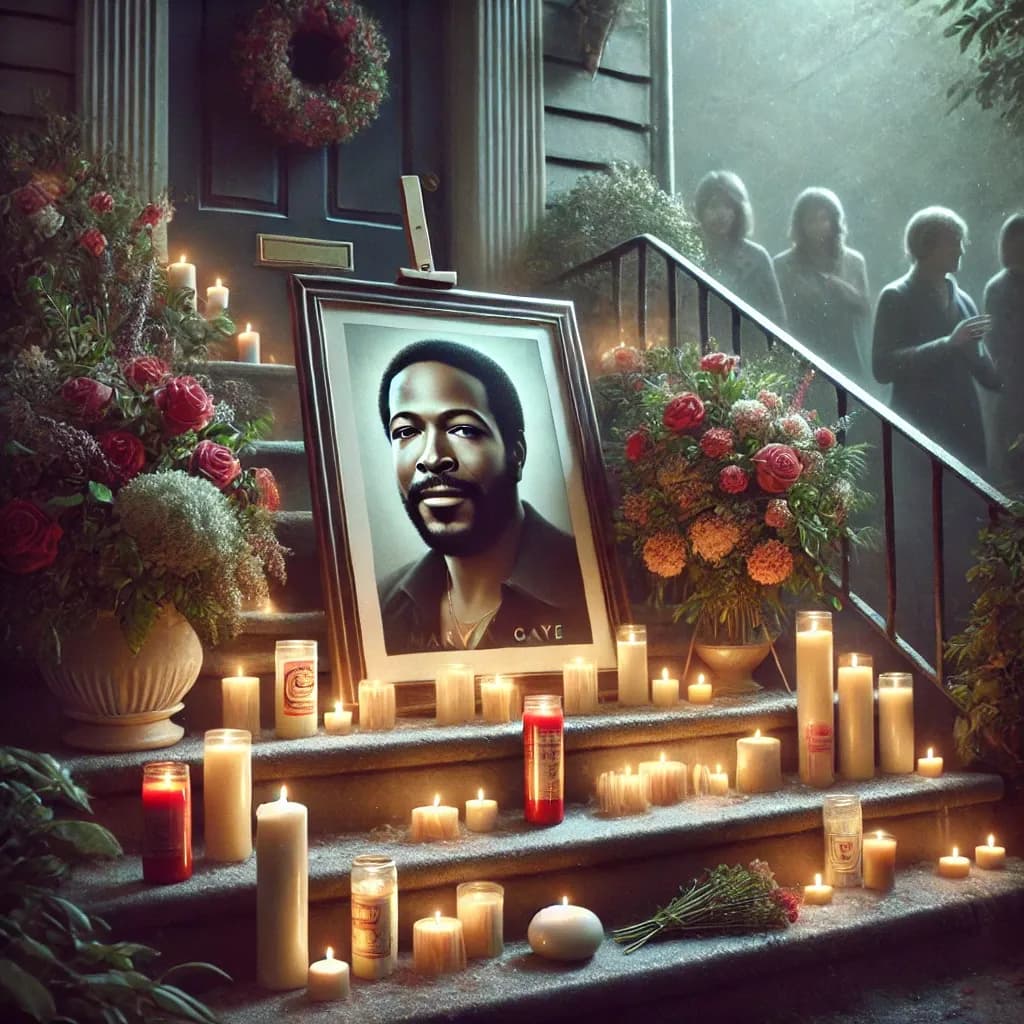
Marvin Gaye’s death marked the end of an era, but his influence continues to resonate. His music has been sampled by countless artists and remains a touchstone for generations of singers, songwriters, and activists. Tracks like “Mercy Mercy Me (The Ecology)” and “Inner City Blues” still feel relevant in today’s conversations about environmental justice, racial inequality, and mental health.
In the years since his passing, Gaye has been posthumously honored with numerous accolades, including induction into the Rock and Roll Hall of Fame and a Grammy Lifetime Achievement Award. His life and work have inspired books, documentaries, and films, all attempting to capture the complexity of a man whose music gave so much while he himself was fighting to stay afloat.
Marvin Gaye’s story is one of triumph and tragedy, brilliance and heartbreak. His voice may have been silenced far too soon, but the echo of his songs—and the messages they carry—still reverberate around the world. On this day in history, we remember not just the loss of a great artist, but the enduring legacy of a man who dared to sing the truth.