March 6: A Genius Born, A Fortress Falls, A Medicine Patented
March 6 has witnessed three profound expressions of human endeavor. An artist born who would capture divine beauty in marble and paint, defenders who chose death over surrender in a battle that would become legend, and a chemist who patented a simple compound that would ease suffering for billions. Together, these moments reveal humanity's capacity for transcendent creation, stubborn courage, and practical compassion—the ability to make beauty, to stand firm in impossible circumstances, and to alleviate pain.
The Divine Made Marble
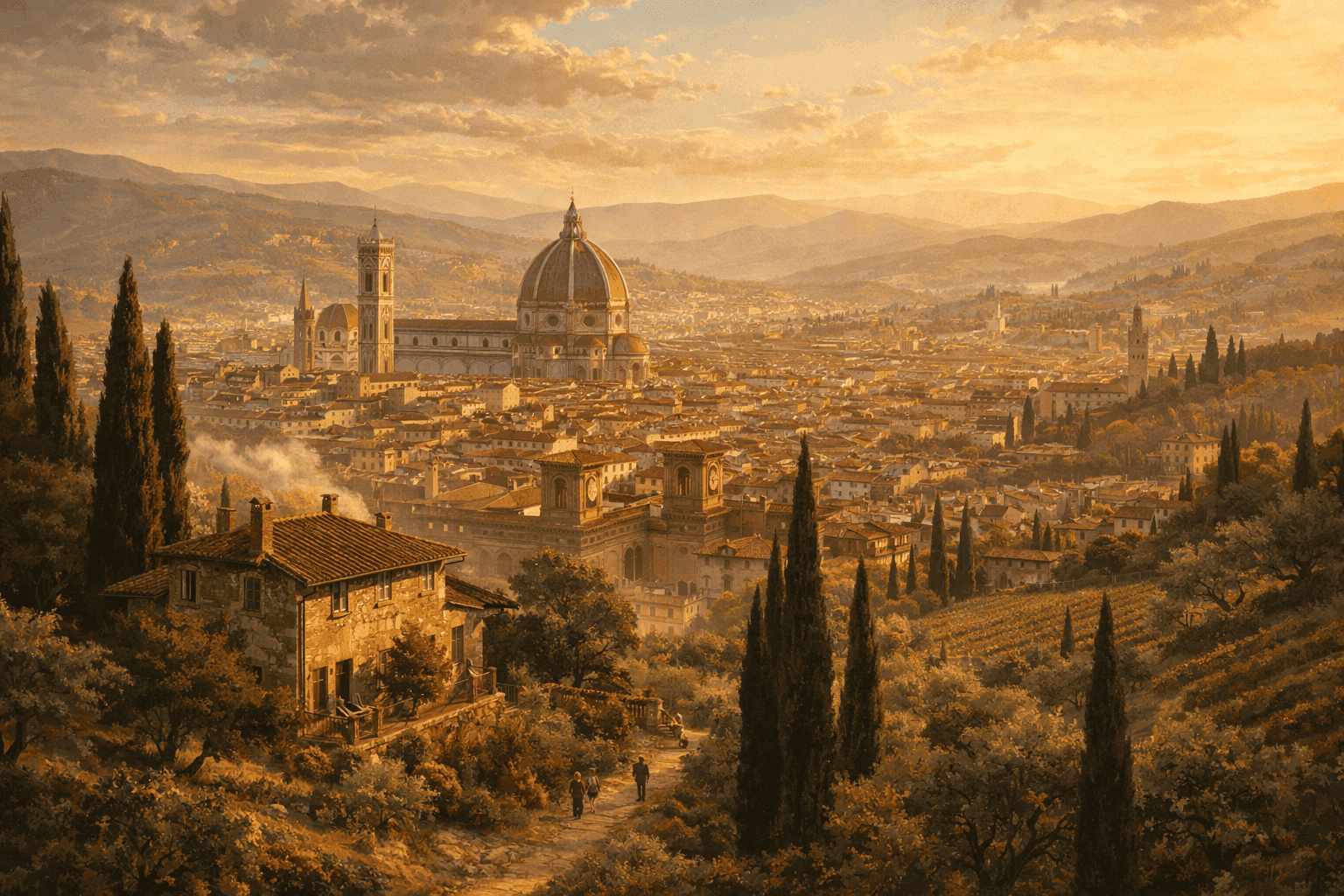
On March 6, 1475, in the small town of Caprese in the Republic of Florence, Michelangelo di Lodovico Buonarroti Simoni was born to a minor noble family. His father initially opposed his artistic ambitions—art was considered manual labor, beneath their family's station—but the boy's talent proved undeniable. Apprenticed to painter Domenico Ghirlandaio at thirteen, Michelangelo soon attracted the attention of Lorenzo de' Medici, who brought him into the Medici household where he studied classical sculpture and mingled with Florence's intellectual elite. What emerged was a genius who would spend the next 88 years transforming marble, paint, and architecture into expressions of human and divine beauty.
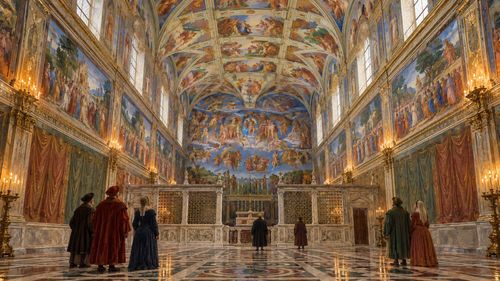
Michelangelo's masterworks define Renaissance achievement. His David, carved from a single block of marble, captured idealized human form with anatomical precision and psychological intensity. The Sistine Chapel ceiling, which he painted while lying on scaffolding for four years, depicts the creation story with such power that visitors still crane their necks in awe five centuries later. His Pietà rendered grief in stone so movingly that viewers forget they're looking at rock. Unlike many artists, Michelangelo achieved fame during his lifetime, though success brought its own torments—demanding patrons, incomplete commissions, and the burden of being called "Il Divino," the divine one. He lived until 1564, creating until his final days, driven by what he described as a compulsion to free the figures he saw imprisoned in marble. Michelangelo's birth gave the world an artist whose work continues to define what humans can achieve when talent, vision, and relentless determination converge.
Remember the Alamo
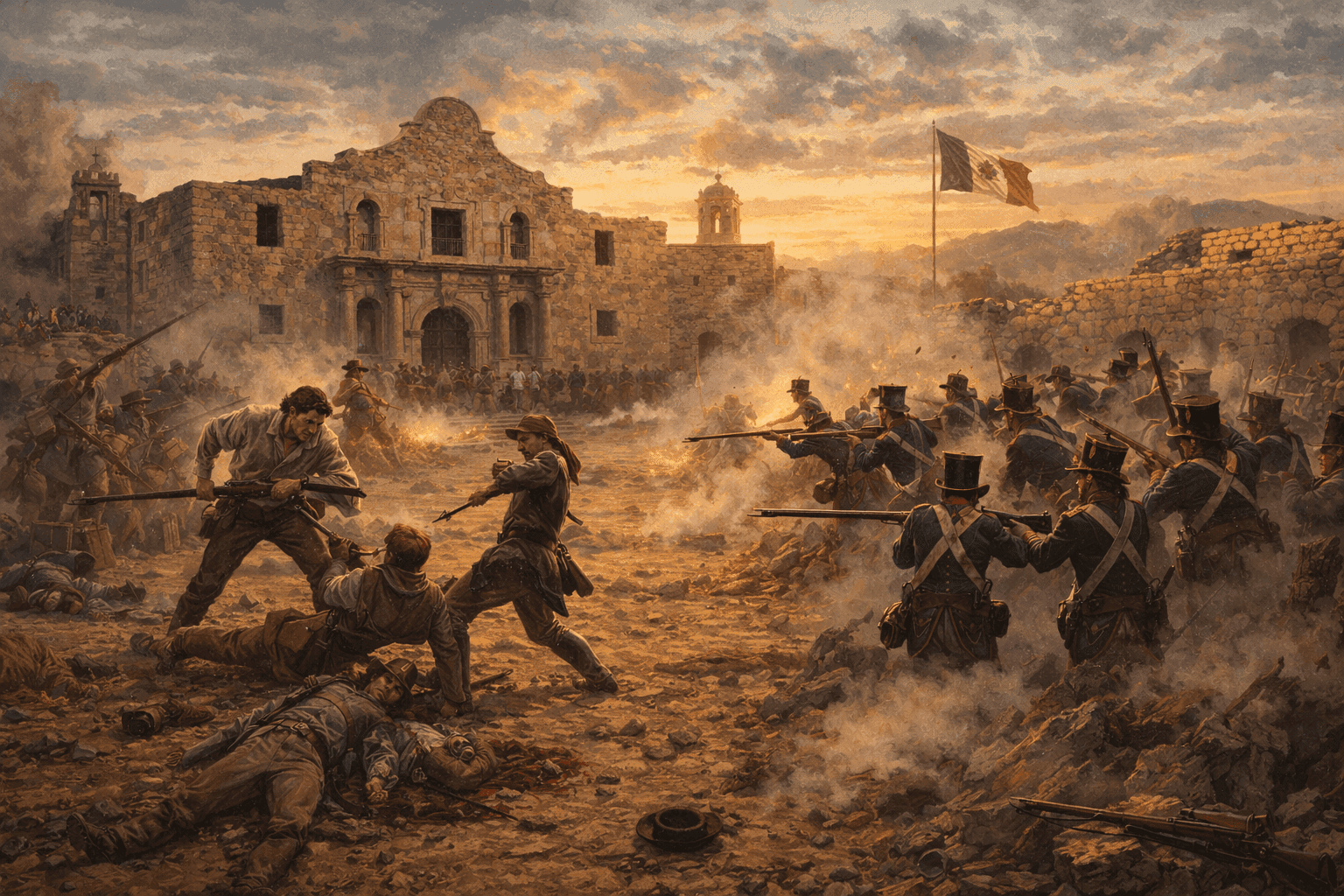
Three hundred sixty-one years after Michelangelo's birth, on March 6, 1836, Mexican forces under General Antonio López de Santa Anna launched their final assault on the Alamo Mission in San Antonio, Texas. After a thirteen-day siege, approximately 1,800 Mexican soldiers overwhelmed fewer than 200 Texian defenders. Nearly all the defenders died, including legendary frontiersmen Davy Crockett and Jim Bowie. The battle lasted just 90 minutes once the walls were breached, but those minutes became the stuff of American mythology—defenders fighting to the last man, refusing surrender even when defeat became inevitable.
The Alamo's fall was a tactical defeat but a strategic victory. The defenders' resistance bought precious time for Sam Houston to organize a proper Texian army, and their deaths provided a rallying cry that would echo at the Battle of San Jacinto six weeks later, where Texians routed Santa Anna's forces while shouting "Remember the Alamo!" The battle's mythology has often obscured its complexities: this was ultimately a rebellion by American settlers seeking to preserve slavery in Mexican territory where it had been abolished. Yet the defenders' courage was genuine, their sacrifice real. The Alamo demonstrated that sometimes losing creates more powerful narratives than winning, that martyrdom can inspire more effectively than survival. The mission's crumbling walls became a shrine to defiance, stubbornness, and the willingness to die for a cause—even when that cause was far more complicated than the legend suggests.
The Wonder Drug
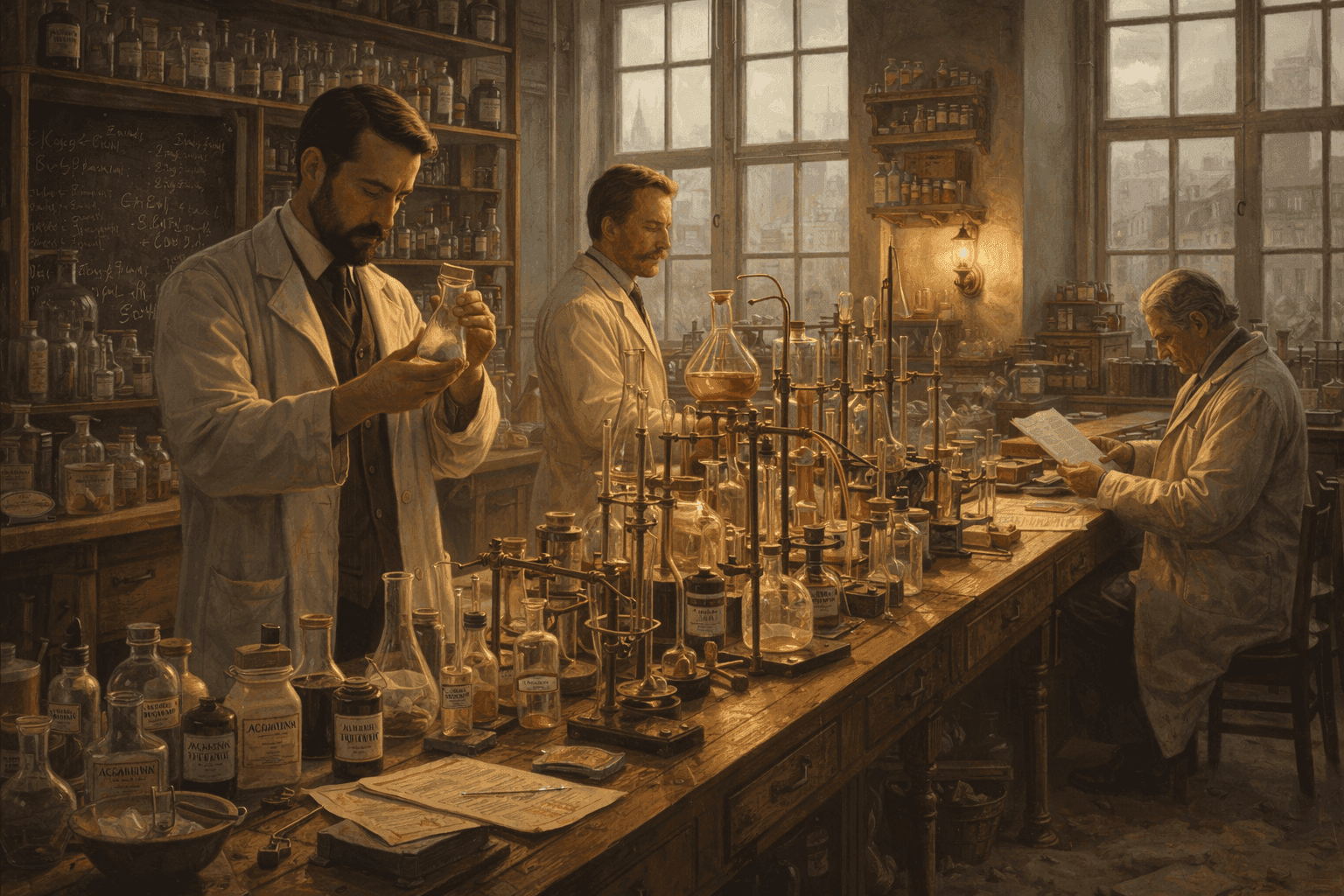
On March 6, 1899, sixty-three years after the Alamo fell, German chemist Felix Hoffmann received a patent for acetylsalicylic acid—aspirin. Working for the pharmaceutical company Bayer, Hoffmann had synthesized a stable form of a compound derived from willow bark, which had been used for pain relief for millennia. His innovation was creating a version that was effective, stable, and didn't cause the severe stomach upset of earlier salicylic acid preparations. The story goes that Hoffmann was motivated by his father's arthritis pain and intolerance to existing treatments, though historians debate whether Hoffmann or his colleague Arthur Eichengrün deserves primary credit.
Aspirin became one of the first mass-produced synthetic drugs and remains among the most widely used medications globally. Its applications expanded far beyond the original pain-relief purpose—reducing fever, preventing heart attacks and strokes, and showing promise against certain cancers. Over a century after its patent, billions of aspirin tablets are consumed annually. The drug's success helped establish the modern pharmaceutical industry and demonstrated that ancient remedies could be transformed through chemistry into reliable, standardized medicines. Aspirin's story is one of practical compassion—taking human suffering seriously enough to pursue its relief methodically. While Michelangelo elevated human spirit through art and the Alamo defenders accepted death for their cause, aspirin represents a different kind of achievement: the patient work of reducing everyday pain for ordinary people, one headache, one fever, one aching joint at a time. Sometimes the most profound impacts come not from grand gestures but from simple solutions to universal problems.