March 3: A State Joins, An Anthem Adopted, A Beating Captured
March 3 has witnessed America at different stages of defining itself. A territory scarred by conflict became a state, expanding the union southward. A song about resilience in war became the official expression of national identity. And a brutal beating captured on video forced the nation to confront uncomfortable truths about race, power, and accountability. Together, these moments reveal how nations are built—through territorial growth, symbolic unity, and the painful exposure of injustice that ideals alone cannot erase.
The Peninsula Becomes a State
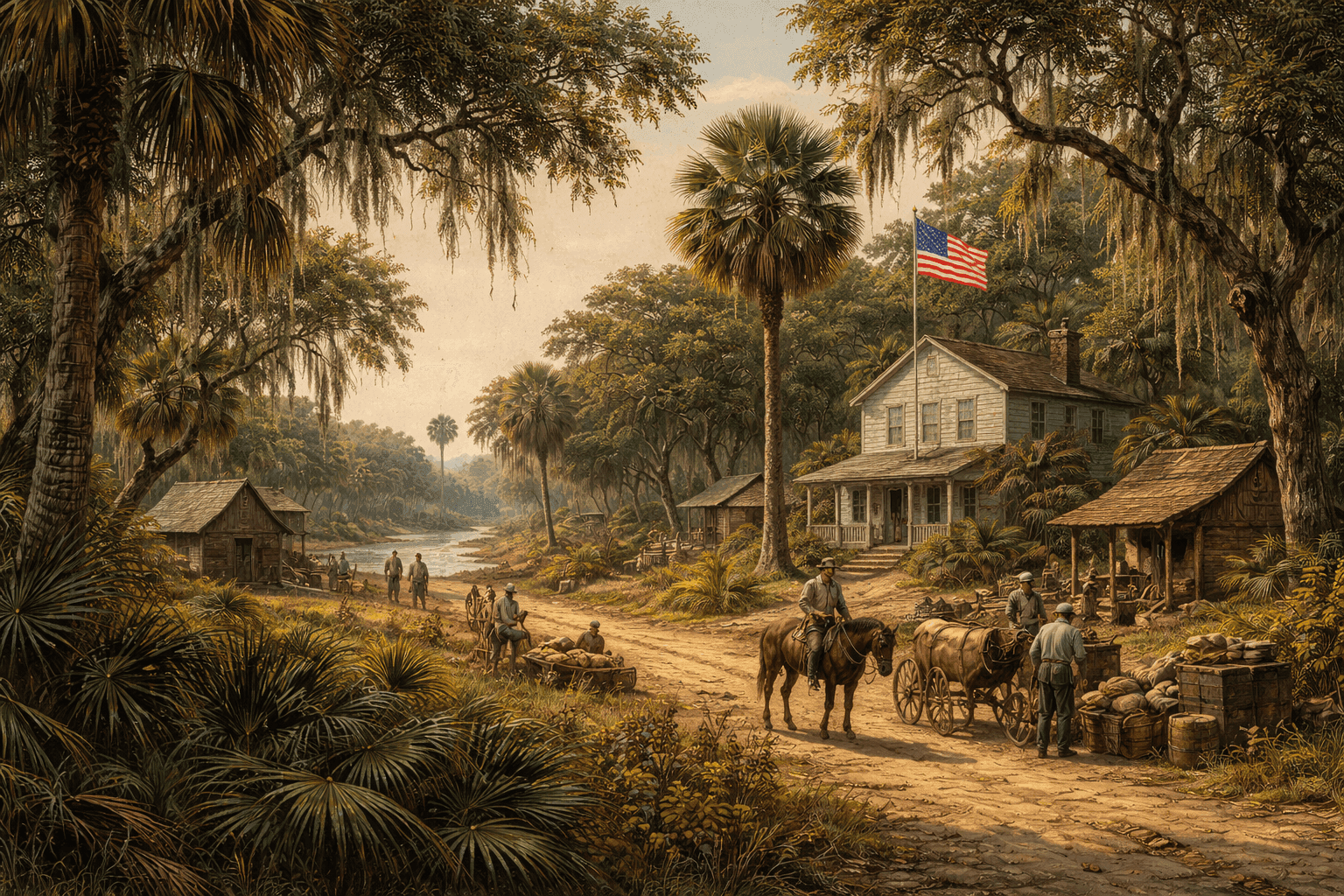
On March 3, 1845, Florida became the 27th state admitted to the Union, culminating a complex journey from Spanish colony to American territory to statehood. The United States had acquired Florida from Spain in 1819 through the Adams-Onís Treaty, but territorial status lasted over two decades as the federal government waged brutal wars against the Seminole people who refused to be removed from their ancestral lands. By 1845, American settlers had flooded the peninsula, establishing cotton and sugar plantations worked by enslaved people. Florida's admission came as part of the delicate political calculus that maintained sectional balance—it entered as a slave state alongside Iowa, which entered as a free state.
Florida's statehood represented more than territorial expansion; it was the culmination of Indian removal, settler colonialism, and the spread of slavery into new regions. The Seminole Wars had been among the costliest Indian conflicts in American history, both in lives and treasure, yet the federal government pursued them relentlessly to clear land for settlement. The state's admission carried the seeds of future conflict—within sixteen years, Florida would secede and join the Confederacy, sending thousands to fight for slavery's preservation. The peninsula that generations of Spanish colonizers had struggled to control became an American state through violence, displacement, and the extension of an institution that would nearly tear the nation apart. Statehood brought political representation and economic opportunity for white settlers while foreclosing futures for the Seminoles and enslaved people who had no voice in the decision.
Rockets' Red Glare Made Official
Eighty-six years later, on March 3, 1931, President Herbert Hoover signed a congressional resolution making "The Star-Spangled Banner" the official national anthem of the United States. The song had been the de facto anthem for decades, played at military ceremonies and patriotic occasions since the Civil War, but it lacked official status. The lyrics, penned by Francis Scott Key during the War of 1812 while watching the British bombardment of Fort McHenry, celebrated the American flag still flying after a night of shelling. Set to the tune of a popular British drinking song, it combined martial triumph with relief at survival—a nation emerging from attack with its symbols intact.
The anthem's adoption wasn't without controversy. Critics noted its difficult vocal range, its focus on war rather than ideals, and its lesser-known verses that included troubling references. Yet supporters argued it captured something essential about American identity—resilience under fire, determination to endure, and the symbolic power of the flag itself. The song asks a question rather than making a declaration: "O say does that star-spangled banner yet wave?" It's a query born from uncertainty, from a moment when the nation's survival wasn't guaranteed. That questioning spirit, coupled with affirmation that yes, it still waves, gave America an anthem rooted in tested endurance rather than abstract idealism. In 1931, as the Great Depression deepened, that emphasis on surviving adversity perhaps resonated more than anyone anticipated.
The Video That Changed Everything
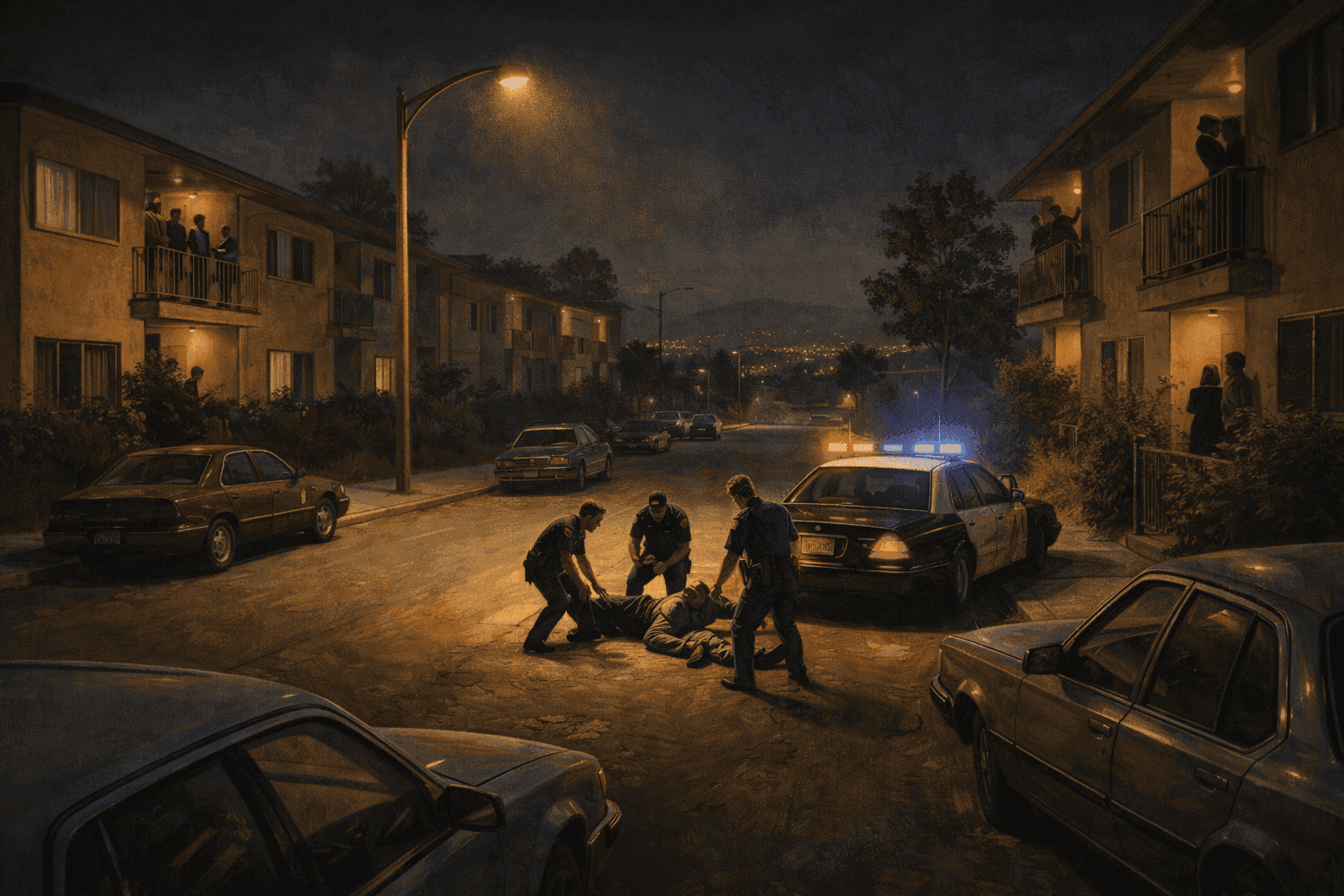
On March 3, 1991, sixty years after the anthem's adoption, George Holliday stepped onto his apartment balcony with a new video camera and recorded something that would shock the nation. Los Angeles police officers were beating Rodney King, a Black motorist they had pulled over after a high-speed chase. For 81 seconds, Holliday's camera captured four officers striking King with batons over 50 times while he lay on the ground, with more than a dozen other officers standing nearby without intervening. The footage was raw, brutal, and undeniable—visual evidence of the kind of police violence that Black Americans had reported for generations but that white America had often dismissed or ignored.
The video became a cultural earthquake. It aired on television stations nationwide, forcing Americans to confront what many had refused to believe: that police brutality wasn't aberration but pattern, that the justice system treated people differently based on race. When a jury acquitted the officers a year later despite the video evidence, Los Angeles erupted in riots that left 63 dead and exposed deep wounds in American society. The Rodney King beating marked the beginning of a new era—one where technology could capture and distribute evidence of injustice faster than institutions could suppress or explain it away. The video didn't solve police brutality; three decades later, similar videos continue to emerge with tragic frequency. But it made denial harder, shifted public discourse, and demonstrated that seeing, truly seeing, was the necessary first step toward accountability and change.