March 2: A Trade Banned, A Monster Unleashed, 100 Points Scored
March 2 has witnessed three moments when America confronted its limits—moral, creative, and physical. A nation took its first legislative step toward ending the horror of the slave trade while allowing slavery itself to continue, filmmakers created a cinematic spectacle that would define blockbuster entertainment for generations, and an athlete achieved a scoring feat so extraordinary it has stood untouched for over six decades. Together, these events reveal how progress, artistry, and excellence each push against what seemed possible yesterday.
The Trade Ends, The System Endures
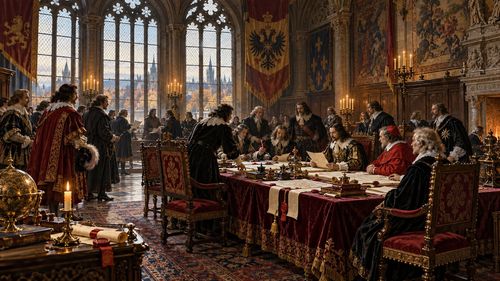
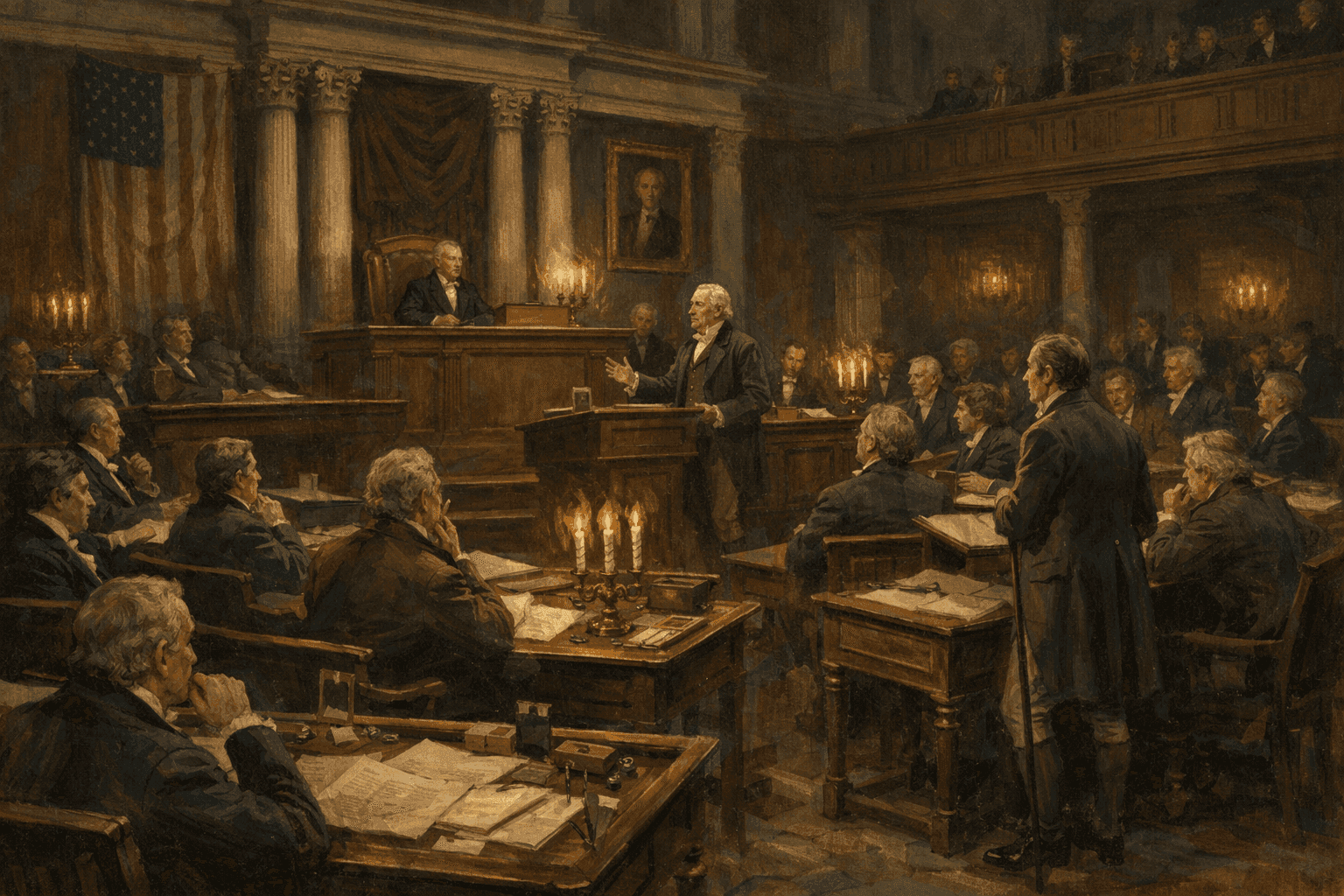
On March 2, 1807, President Thomas Jefferson signed into law the Act Prohibiting Importation of Slaves, which would take effect January 1, 1808—the earliest date allowed under the Constitution. The legislation made it illegal to bring enslaved people into the United States from abroad, closing American ports to the transatlantic slave trade that had forcibly transported hundreds of thousands of Africans across the Middle Passage. For abolitionists, it represented hard-won progress. For the enslaved, it offered little immediate relief—the law did nothing to free anyone already in bondage or to prevent the domestic slave trade that would continue to tear families apart for another six decades.
The act's passage revealed the contradictions at America's founding. Jefferson himself owned over 600 enslaved people during his lifetime, even as he signed legislation curtailing the institution. The law proved difficult to enforce—illegal importation continued through smuggling, particularly into southern ports. More fundamentally, ending external supply didn't weaken slavery; it strengthened the domestic trade as prices for enslaved people rose and breeding became more profitable. The Upper South increasingly became an exporter of human beings to the expanding cotton plantations of the Deep South. The 1807 act demonstrated that incremental reform could coexist with fundamental evil. America had closed one avenue of the slave trade while leaving intact the system that made such trade profitable. It would take civil war, not legislation, to finally end what the Constitution's framers had been unwilling to prohibit outright.
Beauty and the Beast
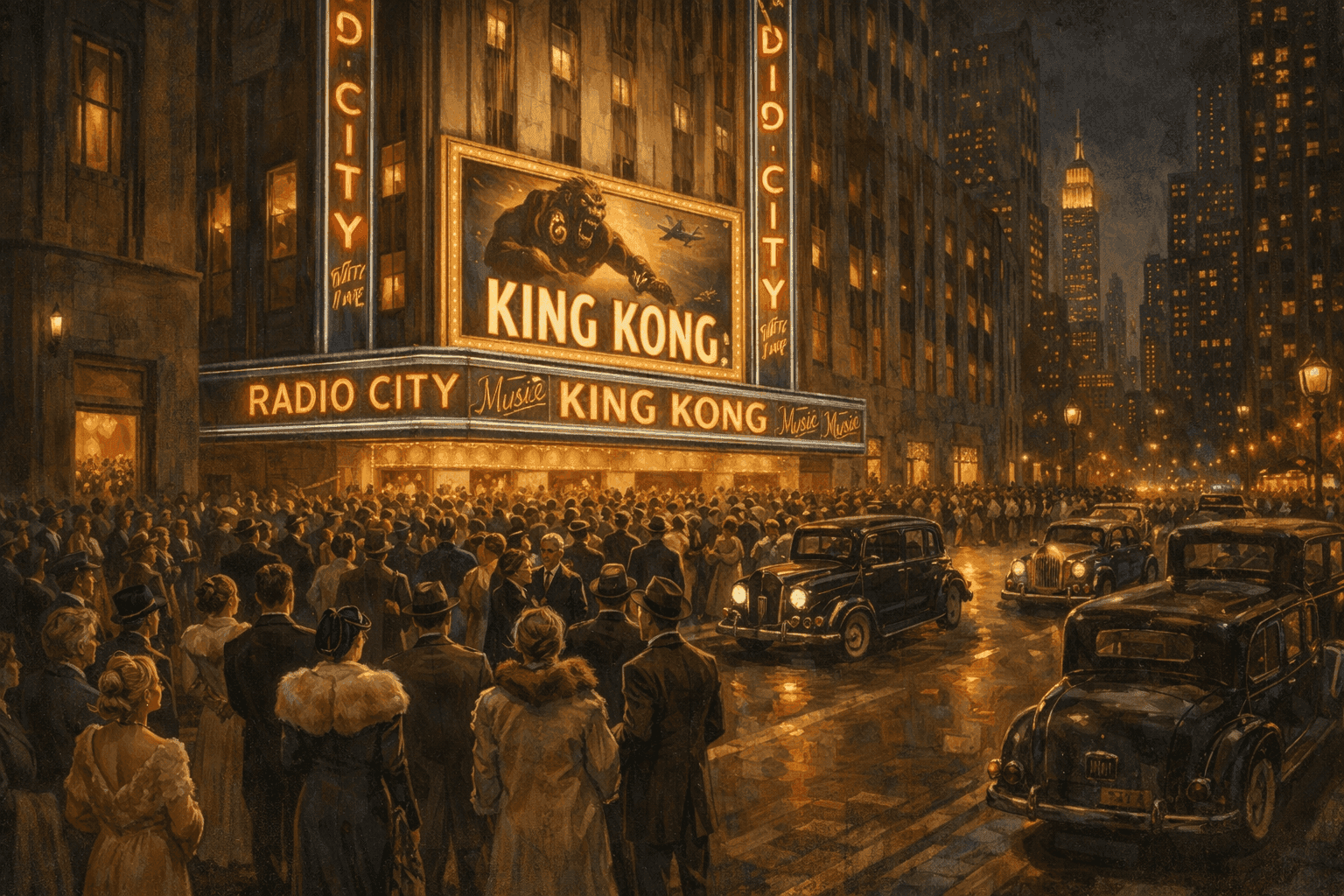
One hundred twenty-six years later, on March 2, 1933, audiences packed Radio City Music Hall for the premiere of King Kong, a film that would revolutionize cinema and create a cultural icon that endures nine decades later. Directors Merian C. Cooper and Ernest B. Schoedsack combined stop-motion animation, rear projection, and miniature sets to bring to life a 50-foot gorilla who falls tragically in love with a human woman. The technical wizardry was unprecedented—Kong fighting dinosaurs on Skull Island, scaling the Empire State Building while swatting at biplanes—but the film's power came from something deeper: sympathy for the monster.
Kong wasn't simply a threat to be destroyed; he was a magnificent creature torn from his world and exploited for profit, meeting his doom atop New York's newest skyscraper. "It was beauty killed the beast," declares his captor in the final line, but the film suggests otherwise—it was greed, spectacle, and civilization's arrogance that killed him. King Kong arrived during the Great Depression, when Americans themselves felt powerless against forces beyond their control. The film gave them a monster who was simultaneously terrifying and pitiable, powerful and vulnerable. It established templates that countless films would follow: the sympathetic monster, the damsel in distress, the spectacular final showdown atop an iconic structure. King Kong proved that cinema could create entire worlds, evoke complex emotions, and birth legends that would outlive everyone who made them.
The Night Wilt Scored 100
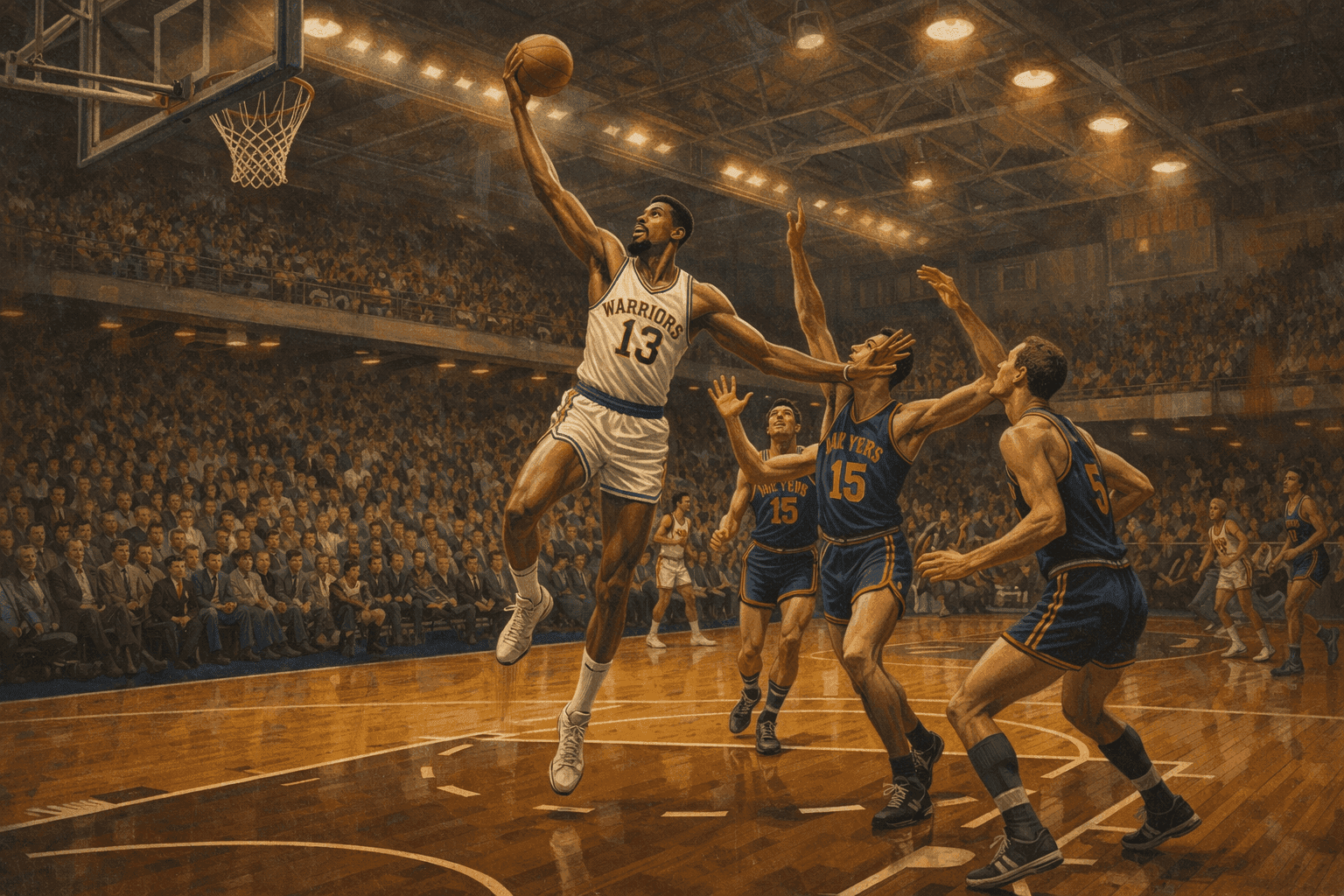
On March 2, 1962, twenty-nine years after Kong's premiere, Wilt Chamberlain walked onto a basketball court in Hershey, Pennsylvania, and proceeded to rewrite what was possible in a single game. Playing for the Philadelphia Warriors against the New York Knicks before just 4,124 fans, the 7-foot-1 center scored 100 points—a feat so extraordinary that no player in the six decades since has come within 19 points of matching it. Chamberlain made 36 of 63 field goal attempts and 28 of 32 free throws, dominating so completely that his teammates spent the game's final minutes doing everything possible to get him the ball.
No video footage exists of the game—it wasn't televised, and the arena had no film crew—leaving only grainy photographs, radio accounts, and the stat sheet as evidence. That absence somehow enhances the legend, making the 100-point game feel almost mythical. Chamberlain himself would score 70 or more points five other times that season alone, yet this night stood apart. The round number gave it narrative perfection; the achievement seemed to represent not just athletic dominance but the outer limit of individual performance. Basketball has evolved dramatically since 1962—better athletes, superior training, more sophisticated strategies—yet Chamberlain's record remains untouched. It stands as testament to a moment when one athlete so thoroughly dominated his sport that he pushed the boundaries of what we believed humanly possible, creating a standard that may prove eternal.