March 13: A Planet Discovered, Evolution Banned, A Life Taken
March 13 has witnessed humanity at its most curious, its most fearful, and its most tragic. An astronomer with a homemade telescope doubled the known size of our solar system, proving that patient observation could reveal cosmic truths. A state legislature banned teaching scientific theory because it threatened religious doctrine, choosing ideology over inquiry. And police executing a flawed warrant killed an innocent woman in her own home, exposing systemic failures in law enforcement that sparked a reckoning with racial justice. These three moments reveal the spectrum of human nature—our capacity for discovery, our tendency toward suppression when threatened, and our ability to inflict devastating harm through careless power.
The Seventh Planet
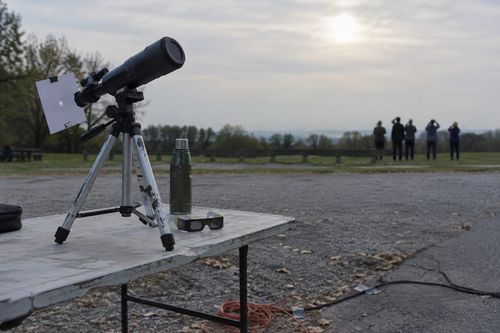
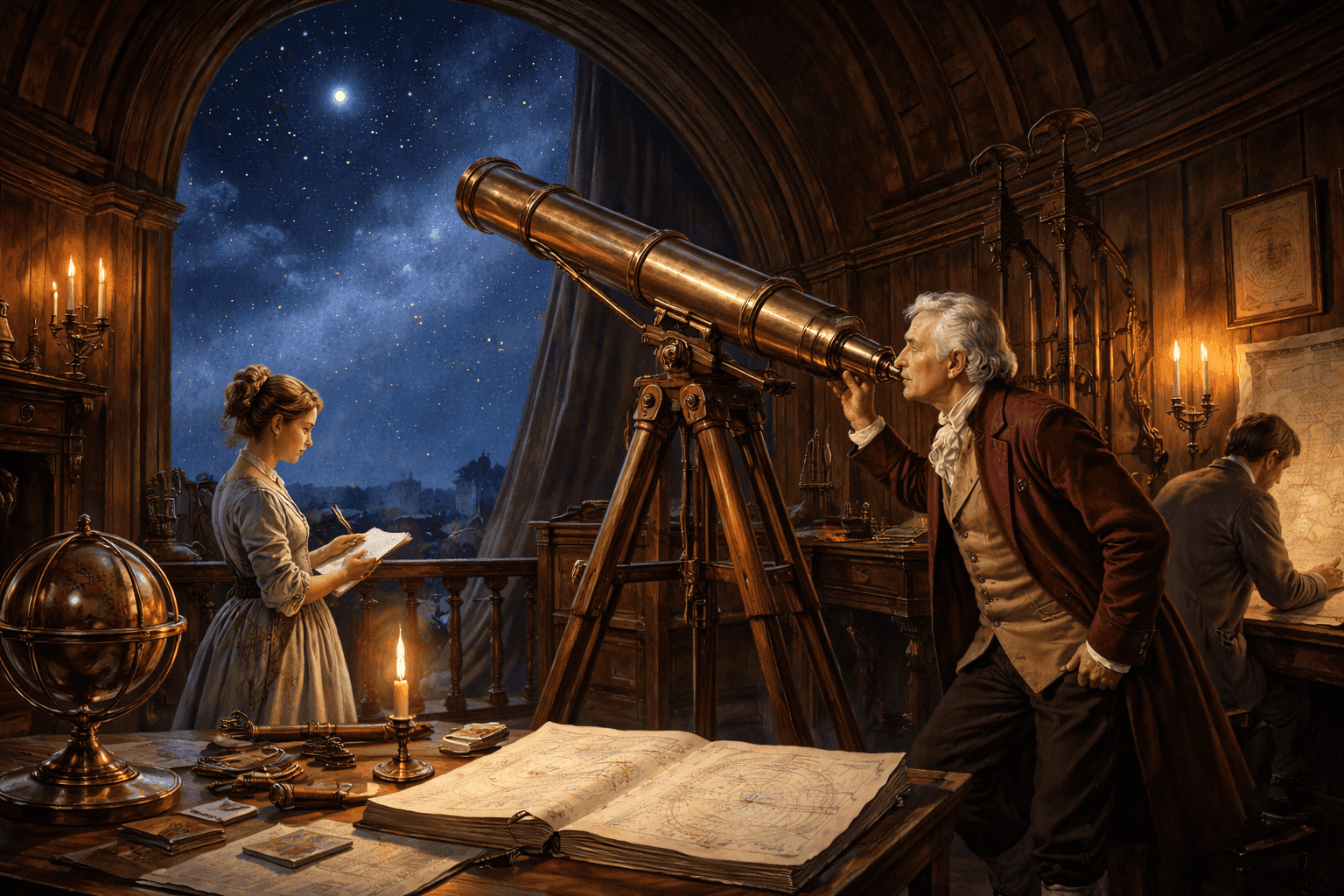
On March 13, 1781, British astronomer William Herschel was conducting a systematic survey of the night sky from his garden in Bath, England, using a telescope he had built himself. He noticed an object that appeared as a small disk rather than a point of light like stars. Initially thinking it might be a comet, Herschel tracked the object over subsequent nights and realized its movement and appearance didn't match comet behavior. He had discovered Uranus—the first planet found in recorded history, doubling the known size of the solar system at a stroke. Since ancient times, humanity had known five planets visible to the naked eye; Herschel proved there were more worlds waiting to be found.
The discovery revolutionized astronomy and elevated Herschel from amateur stargazer to scientific celebrity. King George III appointed him Court Astronomer with a salary allowing him to devote himself entirely to observation. Herschel initially wanted to name the planet "Georgium Sidus" (George's Star) after his patron, but the astronomical community eventually settled on Uranus, maintaining the tradition of naming planets after Roman gods. The discovery demonstrated that the solar system was larger and more complex than anyone had imagined, that careful observation with better instruments could reveal cosmic truths hidden for millennia. Herschel's homemade telescope had revealed a world 1.8 billion miles from the sun, reminding humanity that there were always more horizons to discover, that curiosity coupled with patience and precision could expand human knowledge beyond what previous generations deemed possible. The universe, Herschel proved, was far stranger and vaster than our ancestors had conceived.
When Fear Legislates Science
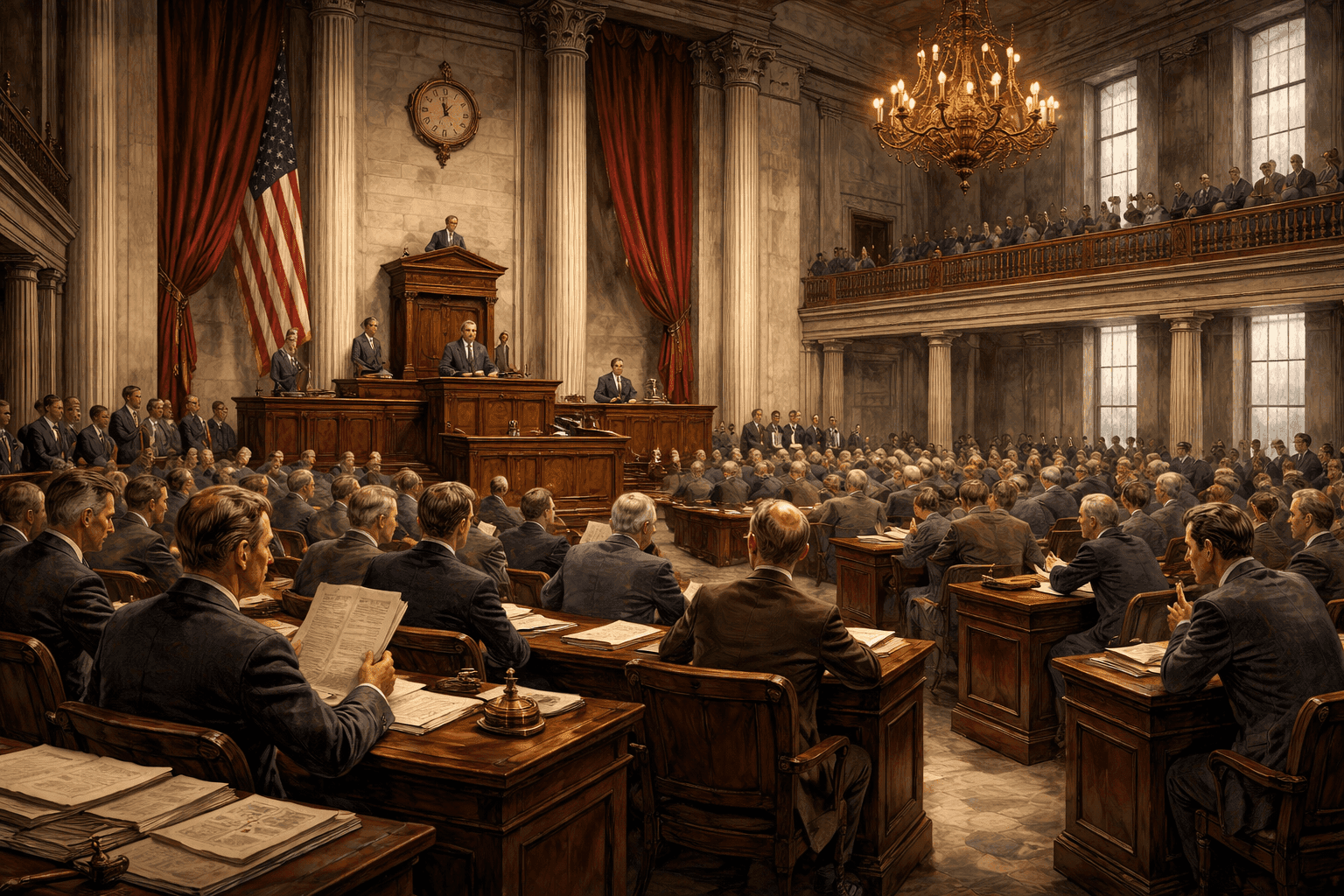
One hundred forty-four years after Herschel's discovery, on March 13, 1925, Tennessee Governor Austin Peay signed the Butler Act into law, making it illegal for any public school teacher "to teach any theory that denies the story of the Divine Creation of man as taught in the Bible, and to teach instead that man has descended from a lower order of animals." The law was a victory for fundamentalist Christians who saw Darwin's theory of evolution as a threat to biblical literalism and traditional religious authority. Tennessee became the first state to criminalize teaching evolution, though several others would follow. The penalty was mild—a fine of $100 to $500—but the symbolic stakes were enormous.
The law's effects were immediate and dramatic. Within months, the American Civil Liberties Union recruited John Scopes, a young high school teacher in Dayton, Tennessee, to deliberately violate the law by teaching evolution. The resulting trial became a media circus, pitting William Jennings Bryan defending biblical literalism against Clarence Darrow arguing for academic freedom. Scopes was convicted and fined $100, though the verdict was later overturned on a technicality. The Butler Act remained on Tennessee's books until 1967, and similar laws persisted elsewhere for decades. The law revealed the enduring tension between scientific inquiry and religious authority, between those who believe truth emerges from evidence and those who believe it comes from revelation. While Herschel expanded human knowledge by looking through a telescope at what actually existed, the Butler Act tried to contract it by forbidding teachers from sharing scientific understanding that conflicted with particular religious interpretations. The law demonstrated that fear of knowledge can be as powerful as curiosity, and that societies sometimes choose comfortable myths over uncomfortable truths.
Say Her Name
On March 13, 2020, ninety-five years after Tennessee banned teaching evolution, Louisville police officers executed a "no-knock" warrant at an apartment shortly after midnight. The warrant targeted Breonna Taylor's home based on the suspicion that her ex-boyfriend was using it to receive drug shipments—intelligence that was both outdated and wrong. Taylor, a 26-year-old emergency medical technician, was asleep in bed with her current boyfriend, Kenneth Walker, when they heard banging at the door. Walker, believing intruders were breaking in, fired one shot with his legally owned firearm. Officers returned fire with 32 rounds, six of which struck Taylor, killing her. No drugs were found. The officers were investigating the wrong address based on faulty information.
Taylor's death became a rallying cry in the summer of 2020 as protests erupted following George Floyd's murder. "Say Her Name" became a movement demand, insisting that Black women victims of police violence receive the same attention as Black men. The case exposed multiple systemic failures: no-knock warrants that put both police and residents in danger, insufficient verification of intelligence before raids, lack of body camera footage, and initial reluctance to hold officers accountable. One officer was eventually charged—not for killing Taylor but for endangering her neighbors with errant shots. Taylor's death, like too many others, demonstrated that institutional protections meant to prevent such tragedies fail when procedures become routine, when verification seems unnecessary, when Black lives are treated as less valuable. While Herschel expanded human vision by looking carefully at the sky, and Tennessee lawmakers restricted it by banning uncomfortable knowledge, Breonna Taylor's death revealed the deadly consequences when institutions fail to see the humanity of those they're supposed to protect. She was killed in her own home by people sworn to serve and protect, a reminder that power without accountability, like knowledge without curiosity or faith without humility, can destroy innocent lives.