On June 26, 1948, the United States and its allies launched the Berlin Airlift to break the Soviet blockade of West Berlin, delivering vital supplies by air to more than two million residents. In the face of immense political pressure and logistical challenges, the Western Allies coordinated a massive humanitarian and strategic effort that became a defining symbol of Cold War resistance and unity. The operation marked one of the first major crises of the Cold War and underscored the ideological divide between East and West.
The Blockade and the Crisis in Berlin
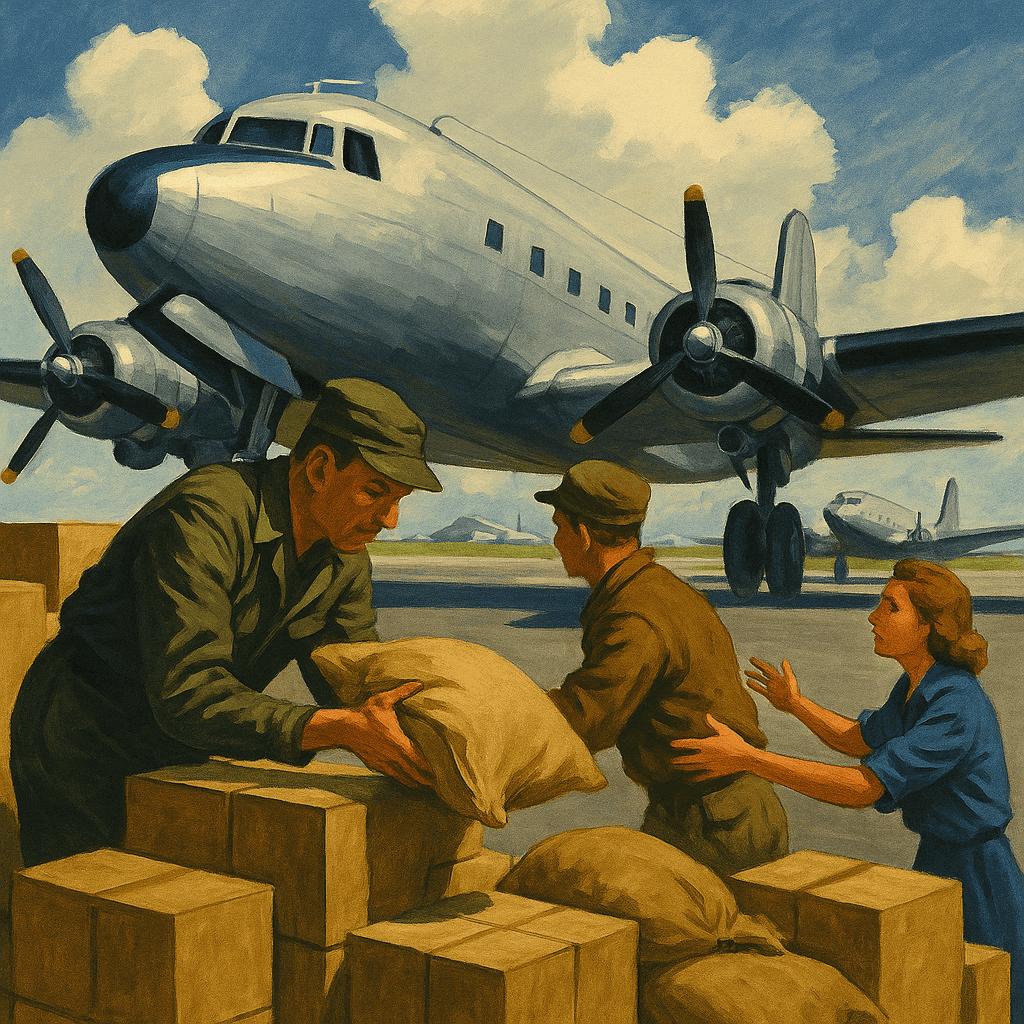
After World War II, Germany was divided into four occupation zones, each managed by an Allied power. Berlin, deep in the Soviet-controlled zone, was similarly divided among the Allies. Tensions escalated in 1948 as Western nations pushed forward with plans to unify their zones into a single, economically stable West Germany.
In response, the Soviet Union imposed a land blockade on West Berlin, hoping to force the Allies out by cutting off access to food, fuel, and other essentials. With no way to reach the city by road, rail, or canal, the Western Allies faced a critical choice: abandon Berlin or find another way to keep its residents alive.
Operation Vittles Takes Flight
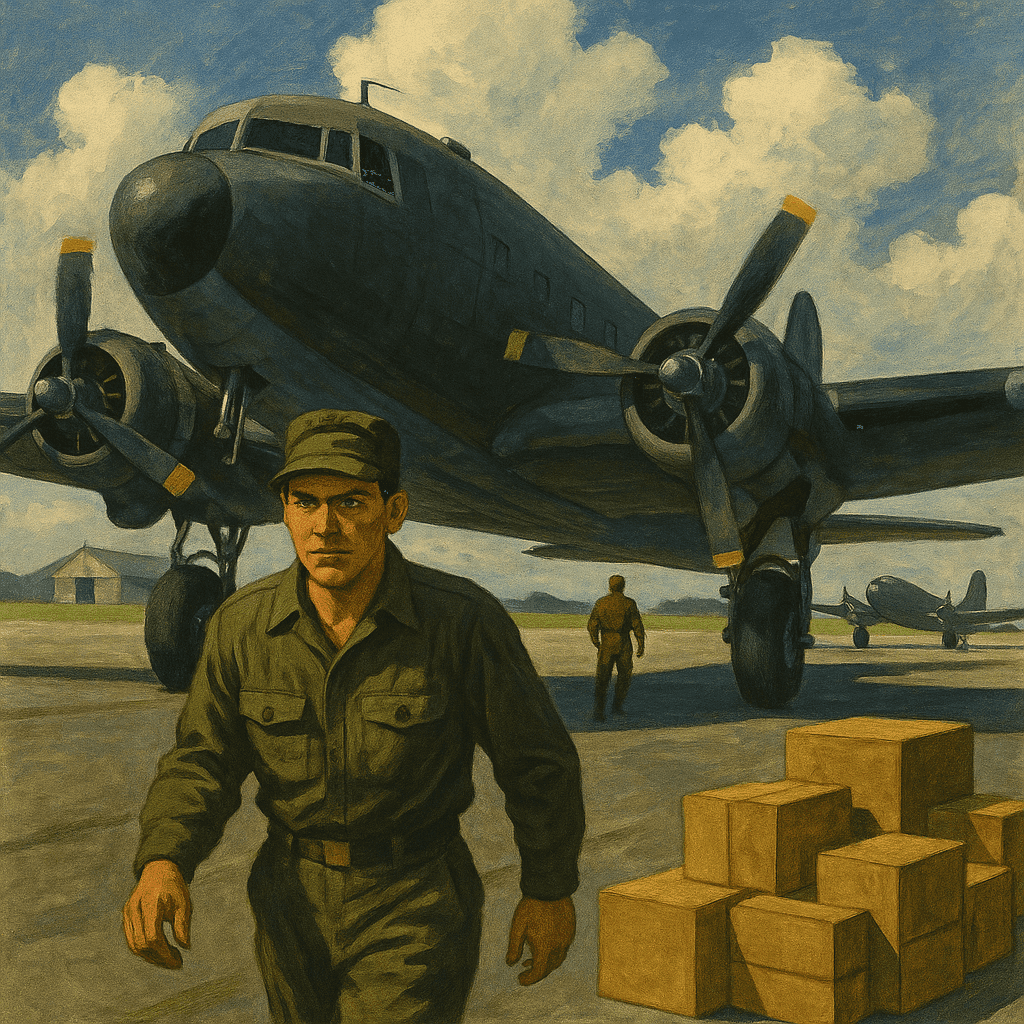
Determined not to give in, the United States and Britain initiated a bold plan to supply West Berlin entirely by air. Dubbed Operation Vittles, the airlift began on June 26, 1948, with cargo planes ferrying goods into Tempelhof and Gatow airports around the clock. The logistical coordination was staggering, with aircraft landing and departing every few minutes.
By spring 1949, the airlift was delivering nearly 9,000 tons of supplies daily. Pilots braved poor weather, narrow air corridors, and relentless schedules. The effort relied on thousands of personnel, including mechanics, loaders, and German civilians who helped distribute goods on the ground.
A Symbol of Resolve and Division
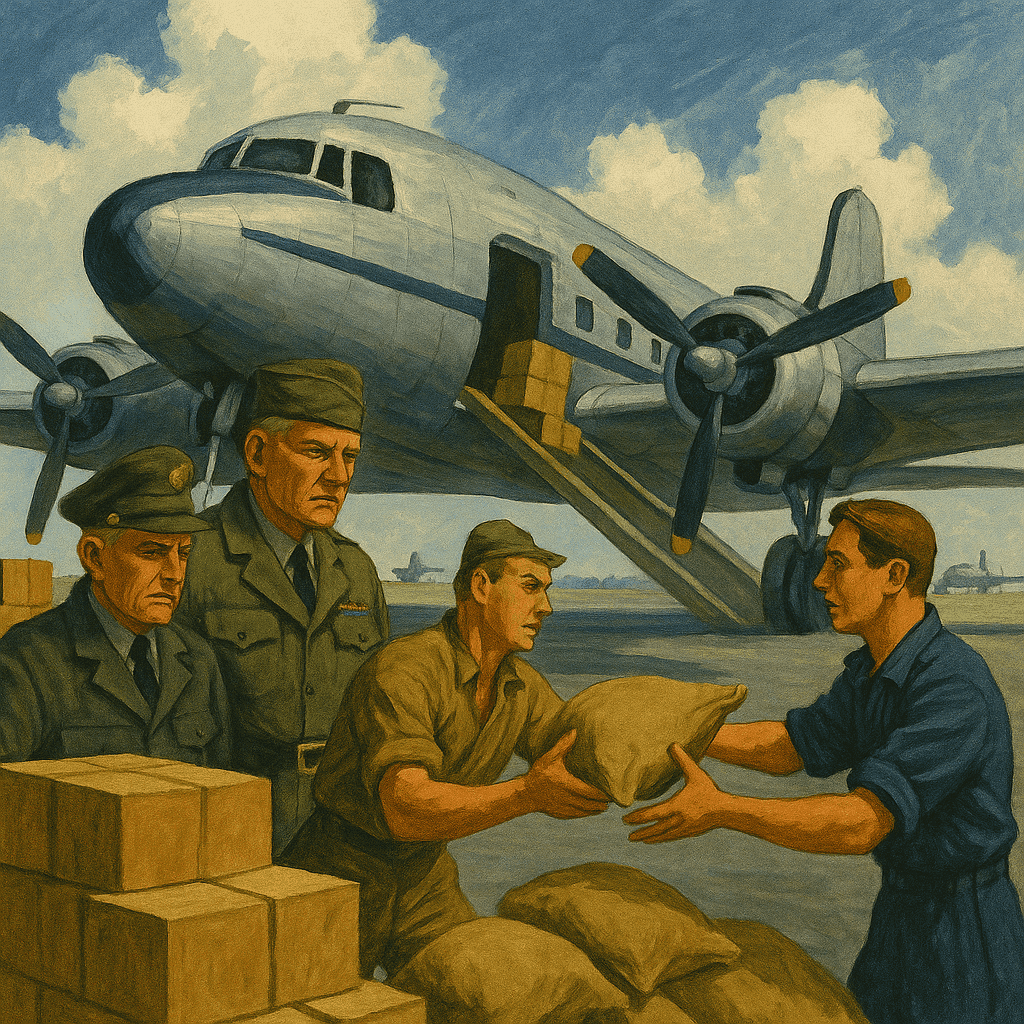
The Berlin Airlift not only saved the city from starvation, it also served as a potent symbol of democratic resolve in the face of Soviet pressure. For the citizens of West Berlin, the constant hum of Allied planes overhead meant survival and solidarity. For the world, it was proof that Western powers would not be bullied into retreat.
The Soviets lifted the blockade in May 1949, but the crisis had lasting effects. It solidified the division of Germany, set the tone for Cold War confrontations, and led to the formal establishment of NATO. Today, the Berlin Airlift stands as a powerful reminder of how determination and cooperation can triumph in the face of authoritarian aggression.