On what he calculated to be April 27, 4977 B.C., the renowned German astronomer Johannes Kepler proposed the creation date of the universe—a bold attempt to pinpoint the moment of cosmic origin using the tools and understanding of his time. Though modern science has since established a much earlier timeline, Kepler’s work represents a milestone in the enduring human pursuit to unravel the mysteries of existence and our place within it.
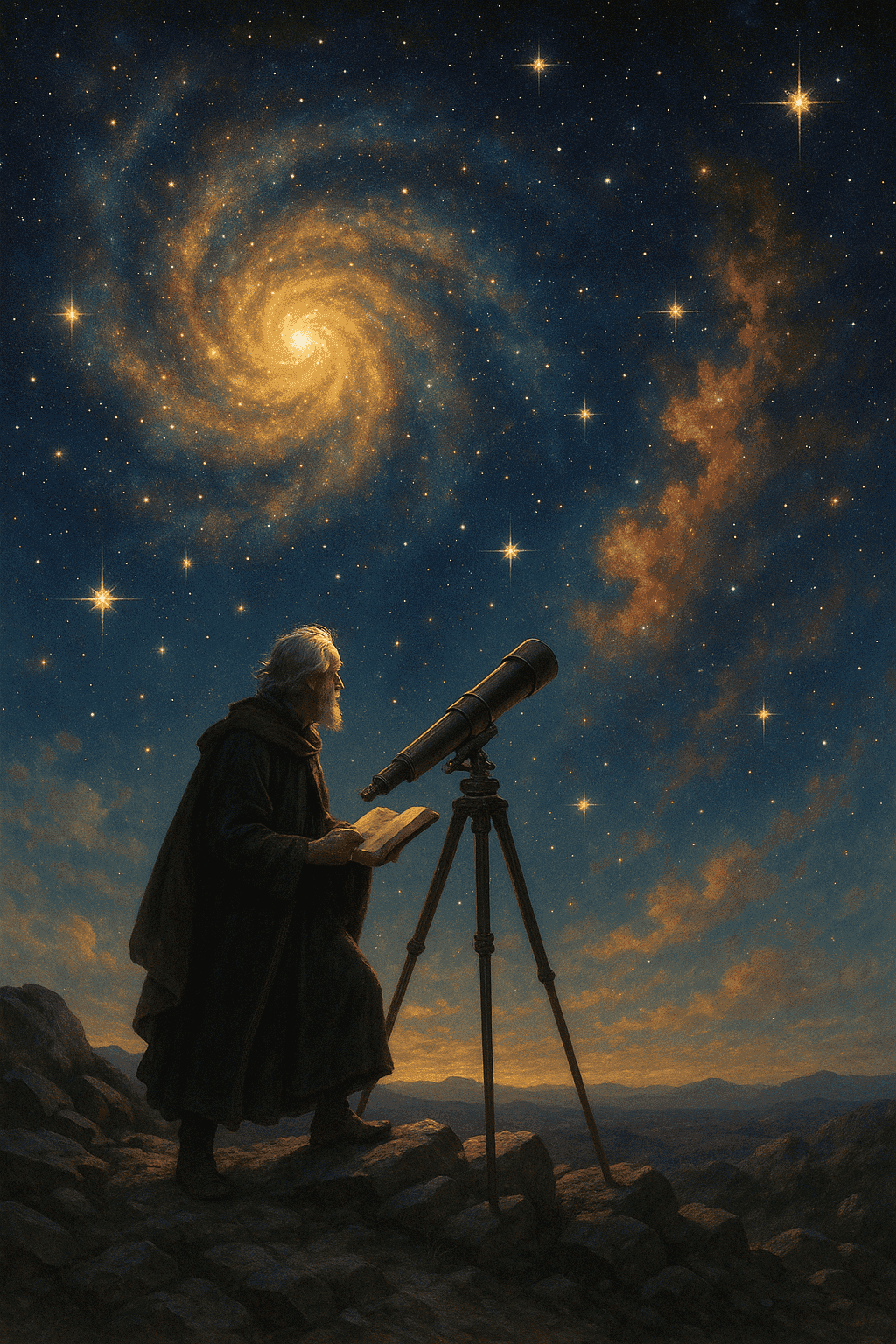
A Pioneer of Celestial Mechanics
Johannes Kepler (1571–1630) was one of the foremost scientific minds of the early 17th century. Best known for his three laws of planetary motion, Kepler revolutionized the way we understand the heavens. His laws demonstrated that planets orbit the sun in ellipses, not perfect circles—an insight that helped validate and refine the heliocentric model first proposed by Copernicus.
In addition to his mathematical breakthroughs, Kepler brought a sense of wonder and spiritual curiosity to his studies. He believed that the universe was created according to a divine geometric plan and sought to uncover its secrets through astronomy, mathematics, and philosophical reflection. His estimate of the universe's creation—April 27, 4977 B.C.—was part of this larger vision, a fusion of science, faith, and imagination.
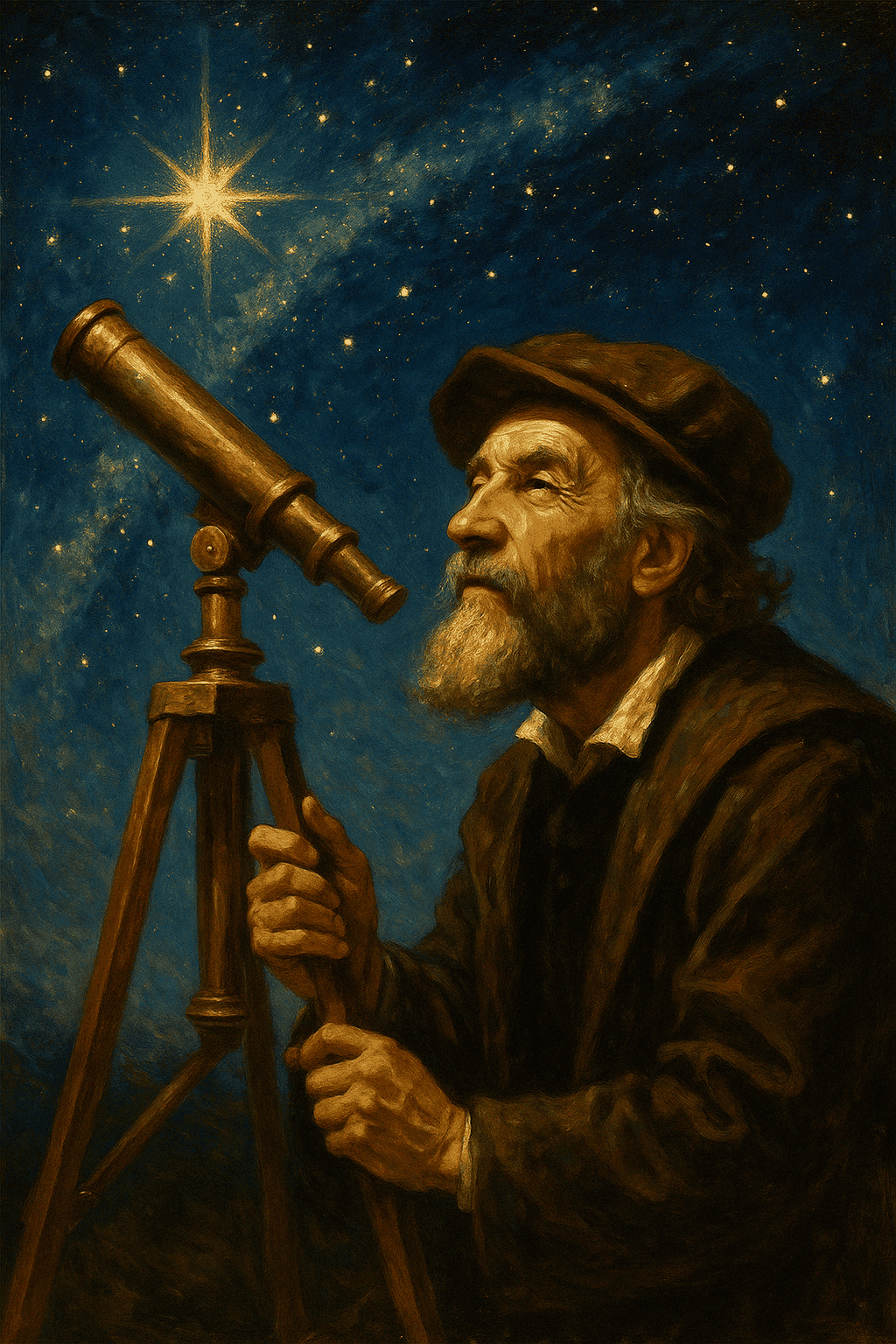
Bridging Faith and Science
Kepler lived in a time when astronomy was still deeply entwined with astrology and theology. His calculation of the universe’s origin was less a literal scientific assertion and more a symbolic gesture grounded in his belief in cosmic harmony. Using planetary alignments and biblical references, Kepler sought to create a chronology that placed celestial order at the heart of creation.
While his specific date is not supported by current cosmological understanding—which estimates the universe to be about 13.8 billion years old—Kepler’s efforts exemplified a critical turning point in scientific thought. He moved away from purely mystical interpretations of the cosmos and toward evidence-based reasoning, setting the stage for modern astronomy.
A Legacy Written in the Stars
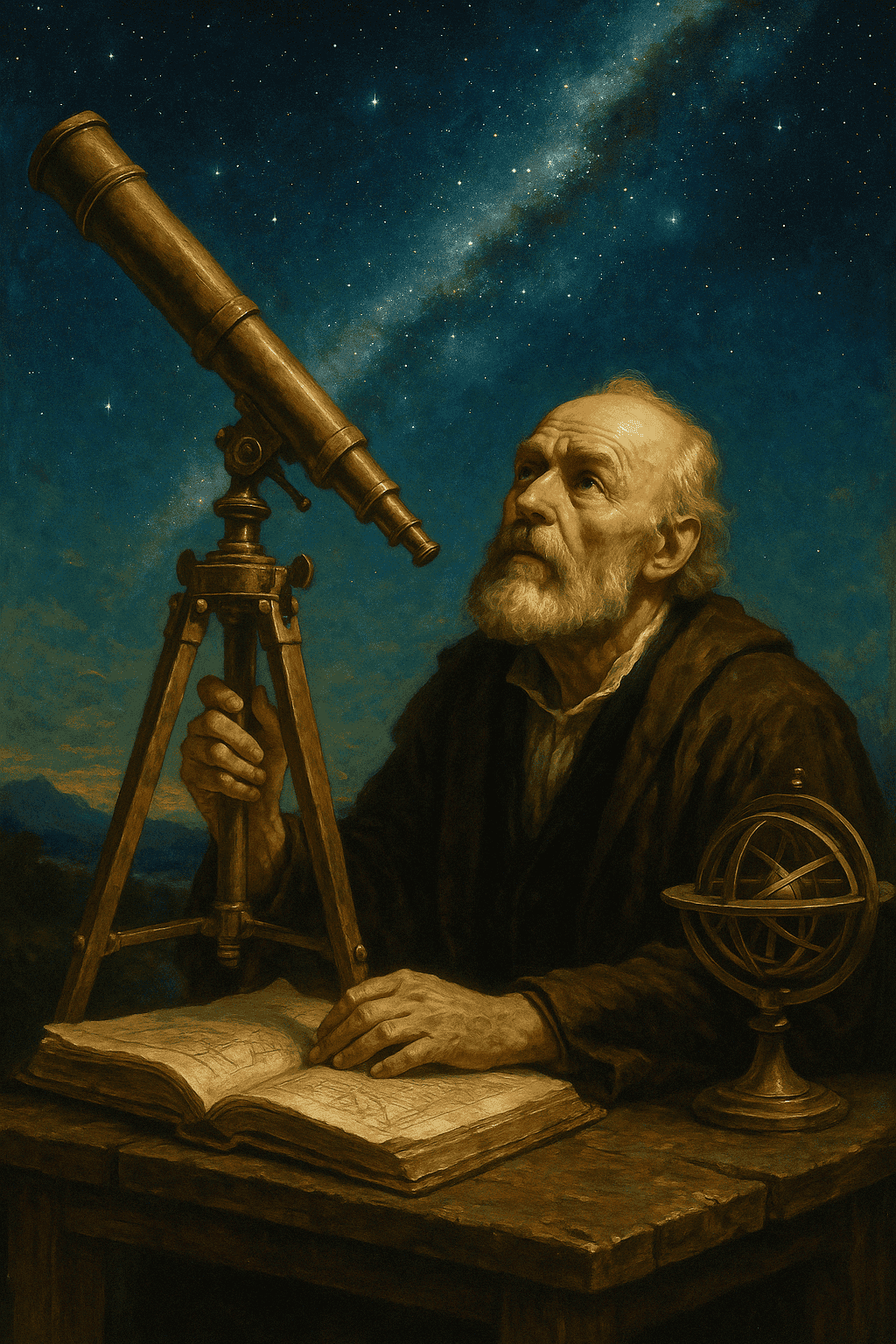
Today, Kepler’s name lives on not only in textbooks but also in space exploration. NASA’s Kepler Space Telescope, launched in 2009, was named in his honor and has discovered thousands of exoplanets, continuing the work of seeking other worlds and perhaps, someday, clues to our ultimate origins.
April 27 serves as a symbolic reminder of Kepler’s extraordinary legacy—a man who dared to chart the cosmos with numbers and dreams. Though his calculated date of creation has been superseded by new discoveries, the spirit behind his quest remains timeless: a longing to understand the universe, to find order in the stars, and to bridge the infinite with the human mind.