On April 5, 1984, in a moment that would forever be etched in sports history, Kareem Abdul-Jabbar of the Los Angeles Lakers surpassed Wilt Chamberlain’s all-time NBA scoring record of 31,419 points. Playing against the Utah Jazz in Las Vegas, Abdul-Jabbar’s signature skyhook swished through the net, giving him the record and marking the culmination of years of excellence, perseverance, and dominance. The crowd erupted in celebration, honoring a milestone that symbolized more than just numbers—it was the embodiment of greatness.
Kareem Abdul-Jabbar was no stranger to the spotlight. From his college days at UCLA under Coach John Wooden to his early years with the Milwaukee Bucks, Abdul-Jabbar (born Lew Alcindor) had long been a dominant force. But the scoring record set him apart in a league filled with legends. His skyhook became one of the most unstoppable moves in basketball history. While Wilt Chamberlain had set his record with unmatched physical dominance, Abdul-Jabbar’s journey was one of finesse, precision, and incredible longevity. His consistency and ability to adapt his game as he aged set a new standard in professional sports.
A Testament to Endurance and Excellence
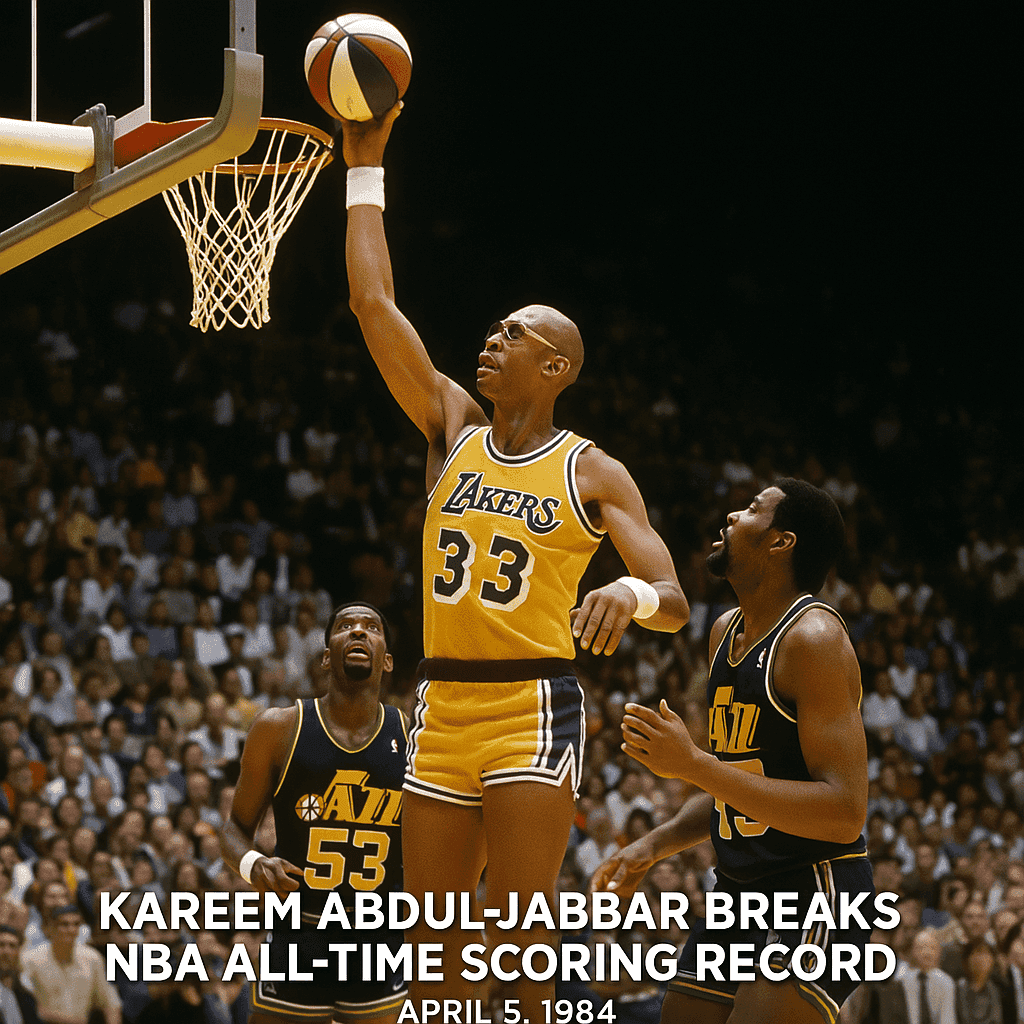
Kareem's path to the record wasn't just a story of talent but a testament to endurance. By the time he broke the record, he had been in the NBA for 15 seasons, facing younger, faster players every night. Yet, he remained a centerpiece of a championship-caliber team. His training, discipline, and focus allowed him to keep playing at a high level and stay remarkably injury-free, a rare feat in the physically demanding world of pro basketball. The scoring record was as much a reward for durability as it was for dominance.
The emotional weight of the moment was undeniable. Teammates lifted him on their shoulders, fans held signs, and even opponents offered their congratulations. It wasn’t just about the Lakers or the NBA; it was a cultural moment. Kareem Abdul-Jabbar, a man who had spoken openly about social justice, religious freedom, and education, became a symbol of quiet strength and determination. The record elevated him beyond sports into the realm of American icons.
Impact Beyond the Hardwood
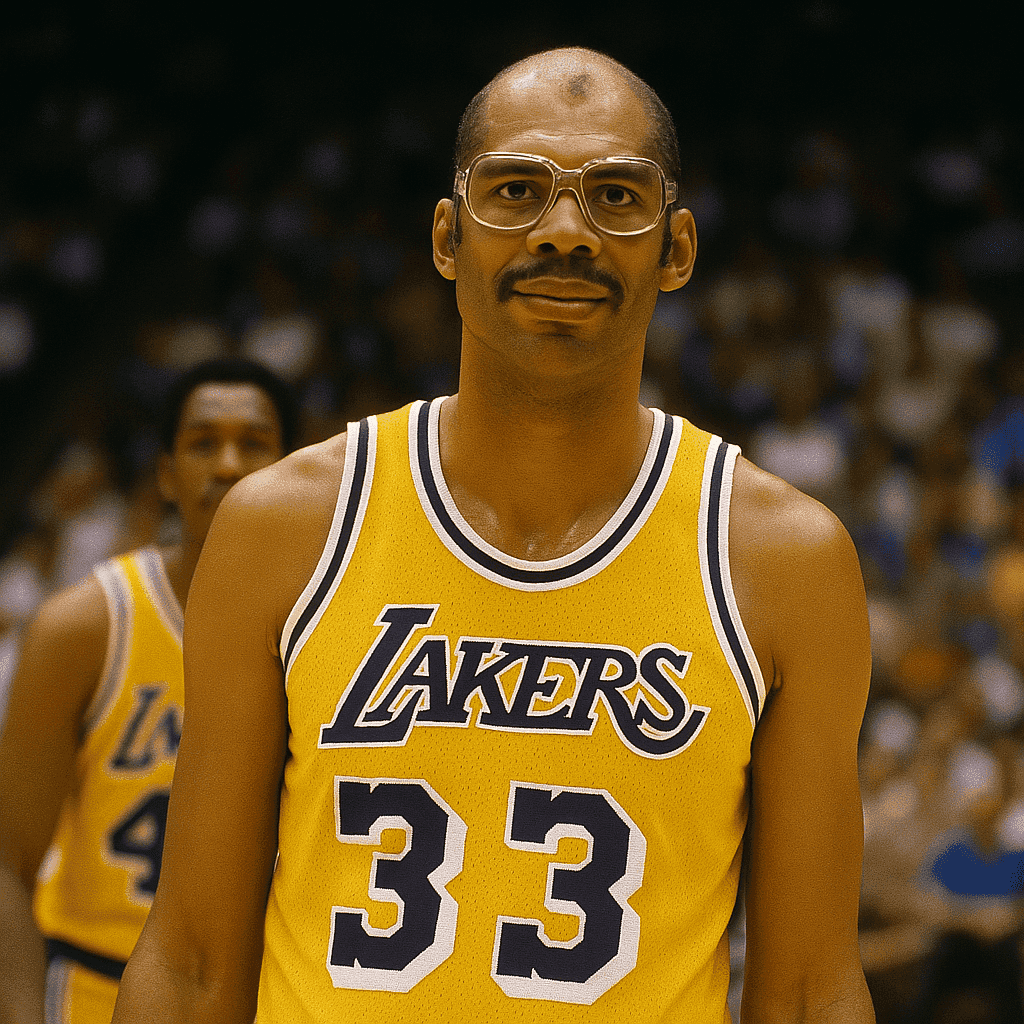
Kareem Abdul-Jabbar's scoring record stood untouched for nearly four decades, a testament to how difficult and rare such a feat truly is. But perhaps more importantly, the moment added to the conversation about what it means to be great—not just as an athlete, but as a person. Abdul-Jabbar used his platform to advocate for civil rights, write extensively on history and culture, and become a respected public intellectual. The record didn’t define his legacy—it amplified it.
Even after retirement, his impact continues. Players like LeBron James, who would eventually break Abdul-Jabbar’s scoring record in 2023, have cited Kareem as both an inspiration and a role model. The influence of his skyhook, his quiet leadership, and his off-court activism ripple through generations of athletes. His career showed that greatness isn’t just about what you achieve, but how you achieve it—and what you do with the platform success affords you.
A Record for the Ages
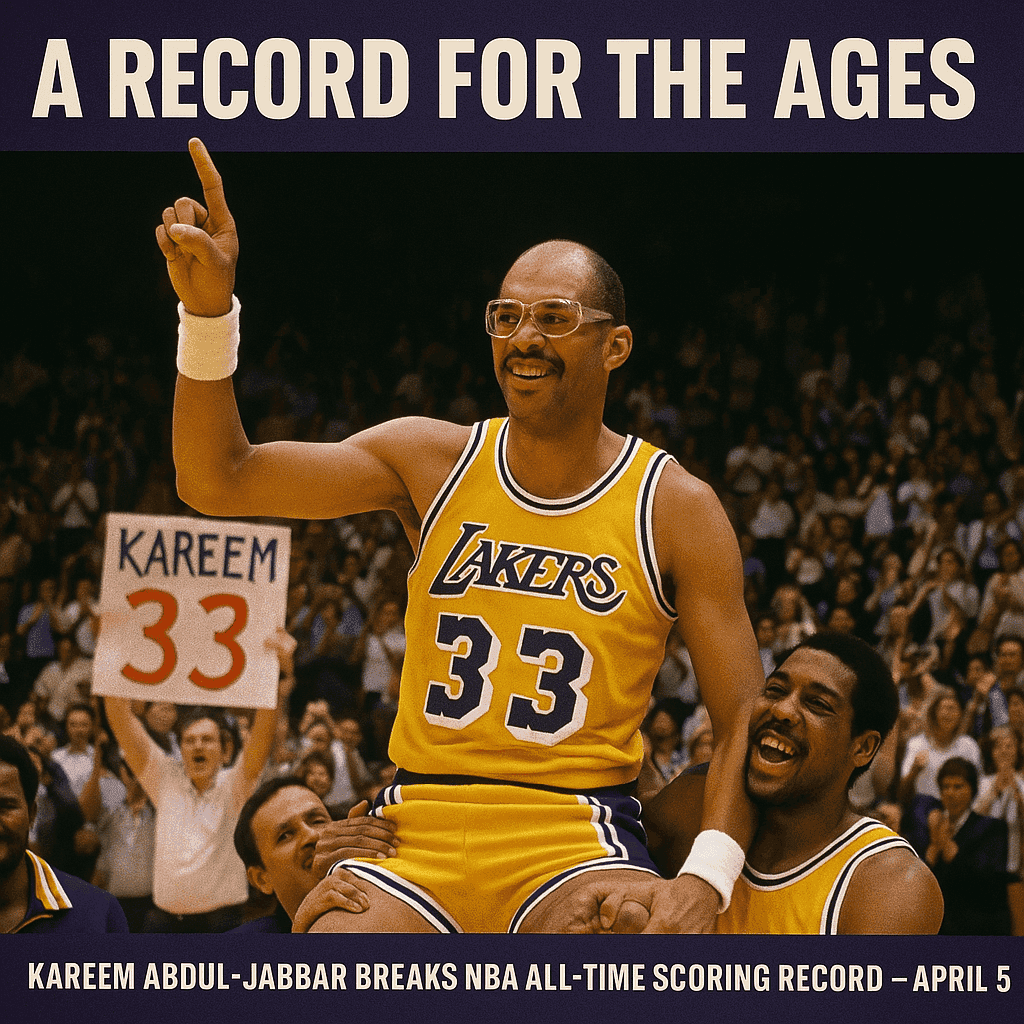
The night of April 5, 1984, was more than a stat line—it was the celebration of a career marked by brilliance, purpose, and longevity. Kareem Abdul-Jabbar didn’t just break a record; he shattered expectations of what an athlete could be. In doing so, he paved the way for future stars to aspire not only to greatness on the court but also to meaningful impact off it.
Today, as fans revisit the footage of that legendary skyhook, they see more than just a basketball going through a hoop. They see history in motion, a man who changed the game, and a moment that will forever resonate in the heart of sports.