On June 19, 1865, Union General Gordon Granger arrived in Galveston, Texas, and announced that all enslaved people were free. Though the Emancipation Proclamation had taken effect more than two years earlier, this was the first time the order was enforced in Texas. The moment marked the true end of slavery in the most remote state of the former Confederacy and planted the seeds for what would become Juneteenth—an enduring symbol of delayed justice, hard-won freedom, and continued resilience.
A Message Long Overdue
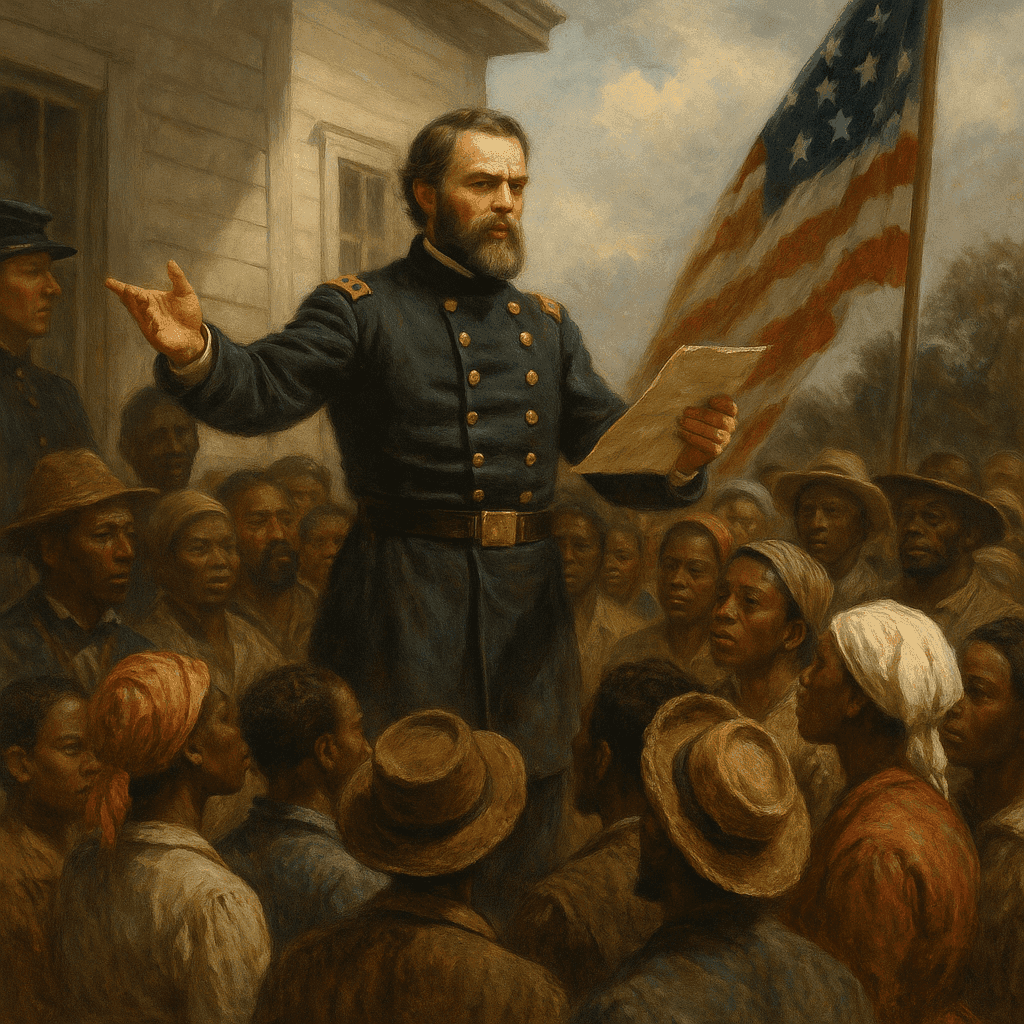
Texas had remained largely untouched by the Civil War, making it a haven for enslavers and a place where slavery thrived even after Union victories elsewhere. When General Granger issued General Order No. 3, it was a shock to many who had clung to the institution of slavery despite its official end. For the 250,000 enslaved people in Texas, this day marked both liberation and a new chapter of uncertainty in a society still hostile to their rights.
The order made clear that the formerly enslaved were now equal under the law, but the reality was far more complex. Many slaveholders withheld the news until after the harvest, and acts of violence against newly freed individuals were common. Freedom came not just with celebration but with fear, struggle, and determination to build new lives from the ashes of bondage.
Celebration as Resistance
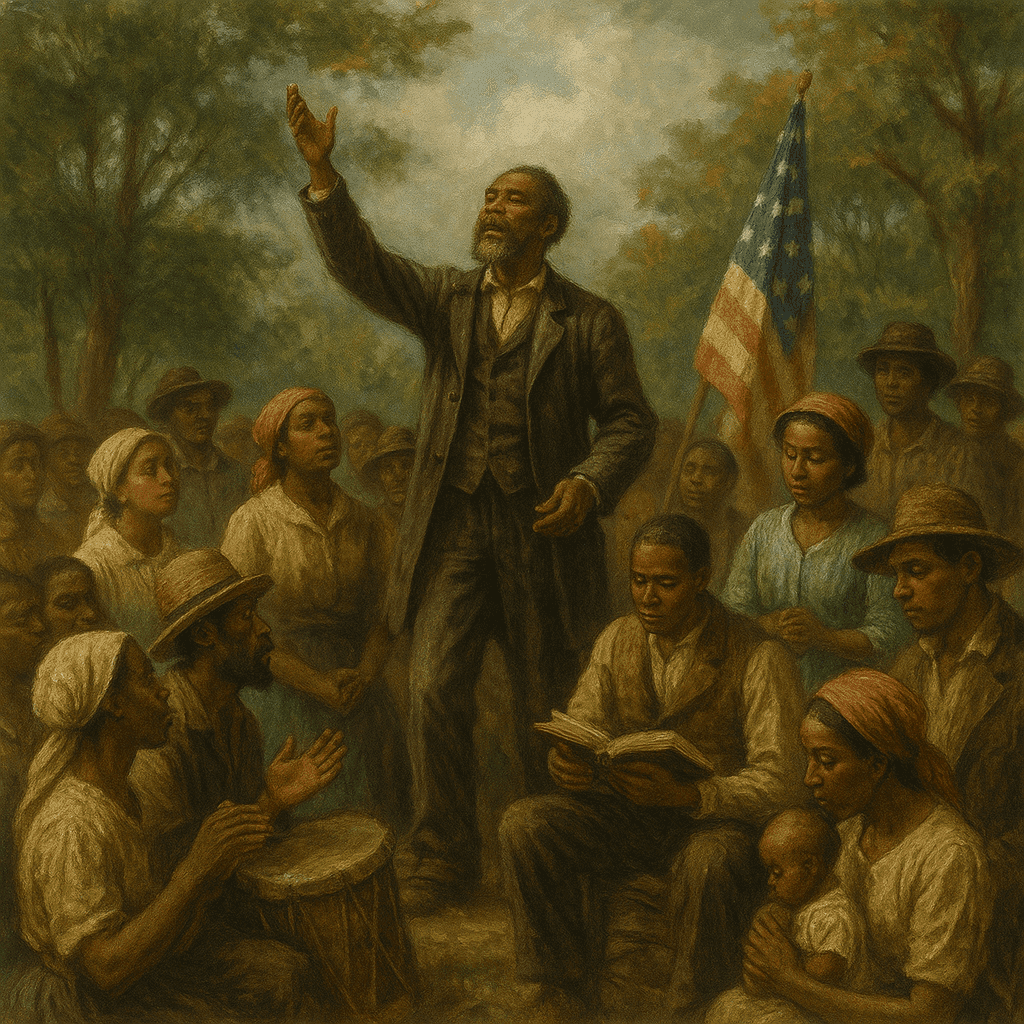
Juneteenth celebrations began a year later in 1866, first among freedmen in Texas and gradually spreading through African American communities nationwide. These gatherings were both jubilant and solemn—filled with food, song, and prayer, but also with speeches about the ongoing fight for equality. Community members pooled funds to buy land for festivals when public parks were closed to Black citizens, a quiet act of resistance and ownership.
Over the decades, Juneteenth became a vital cultural touchstone, especially as Black Americans faced new forms of discrimination under Jim Crow laws. Even when ignored or suppressed by the broader public, the holiday thrived as an intergenerational tradition, reinforcing pride, solidarity, and the memory of emancipation as a continuing story rather than a single event.
Recognition and Relevance Today
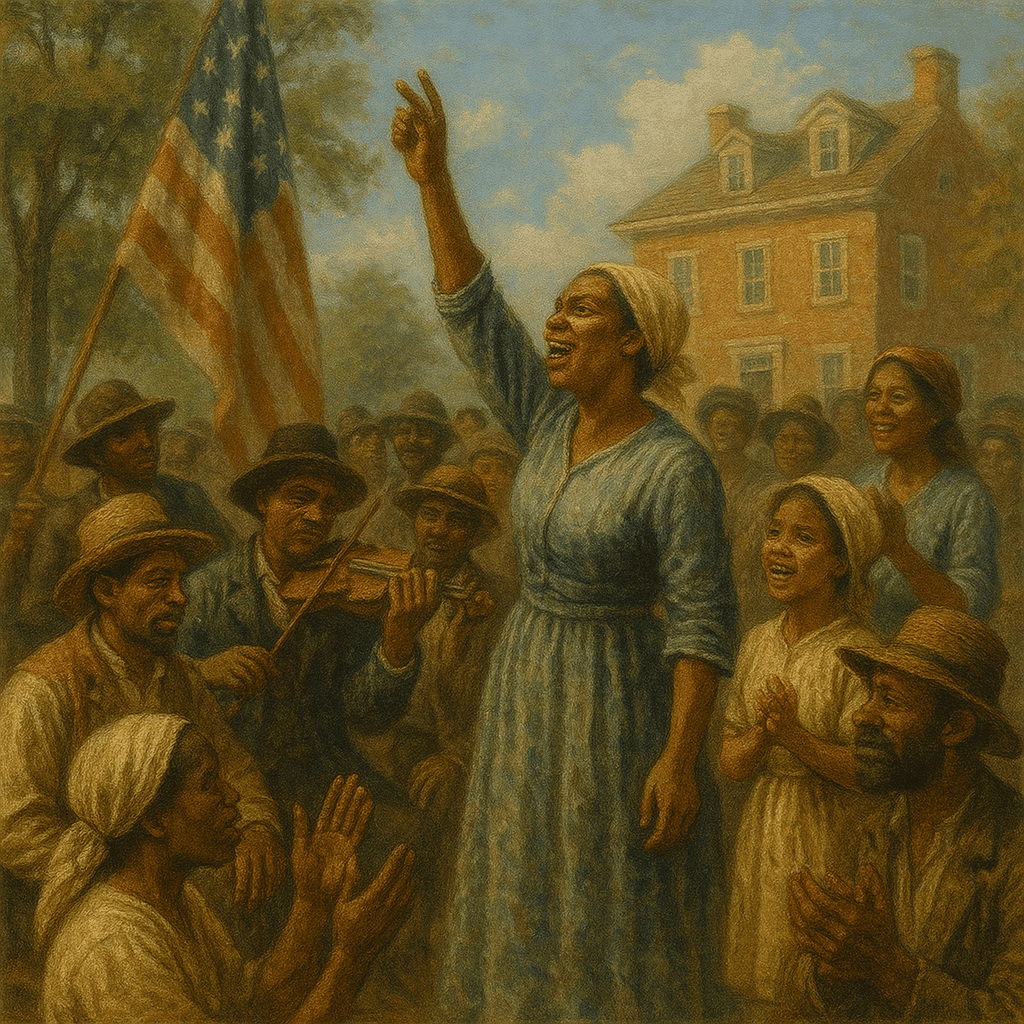
Though long celebrated in Black communities, Juneteenth was not widely acknowledged in national discourse until the late 20th century. The civil rights movement renewed interest in its message, and in 1980, Texas became the first state to declare it a state holiday. Growing public awareness eventually culminated in federal recognition in 2021, following nationwide protests demanding racial justice.
Today, Juneteenth serves as more than a historical remembrance—it is a day of reflection, activism, and education. It challenges Americans to confront systemic inequalities that persist and to recommit to the ideals of freedom and justice for all. As celebrations continue to evolve, Juneteenth stands as both a hard-earned victory and a reminder that the struggle for true liberation is ongoing.