On May 1, 2002, former NBA All-Star Jayson Williams was indicted for manslaughter in the shooting death of his limousine driver, Costas "Gus" Christofi. The incident, which had occurred over two years earlier in February 2000, sent shockwaves through the sports world and beyond, transforming the public image of a once-beloved basketball player into a cautionary tale of recklessness and accountability. Williams, known for his fierce presence on the court and charismatic personality off it, suddenly found himself at the center of a legal battle that blurred the lines between celebrity, justice, and personal tragedy.
The Incident That Sparked a Legal Storm
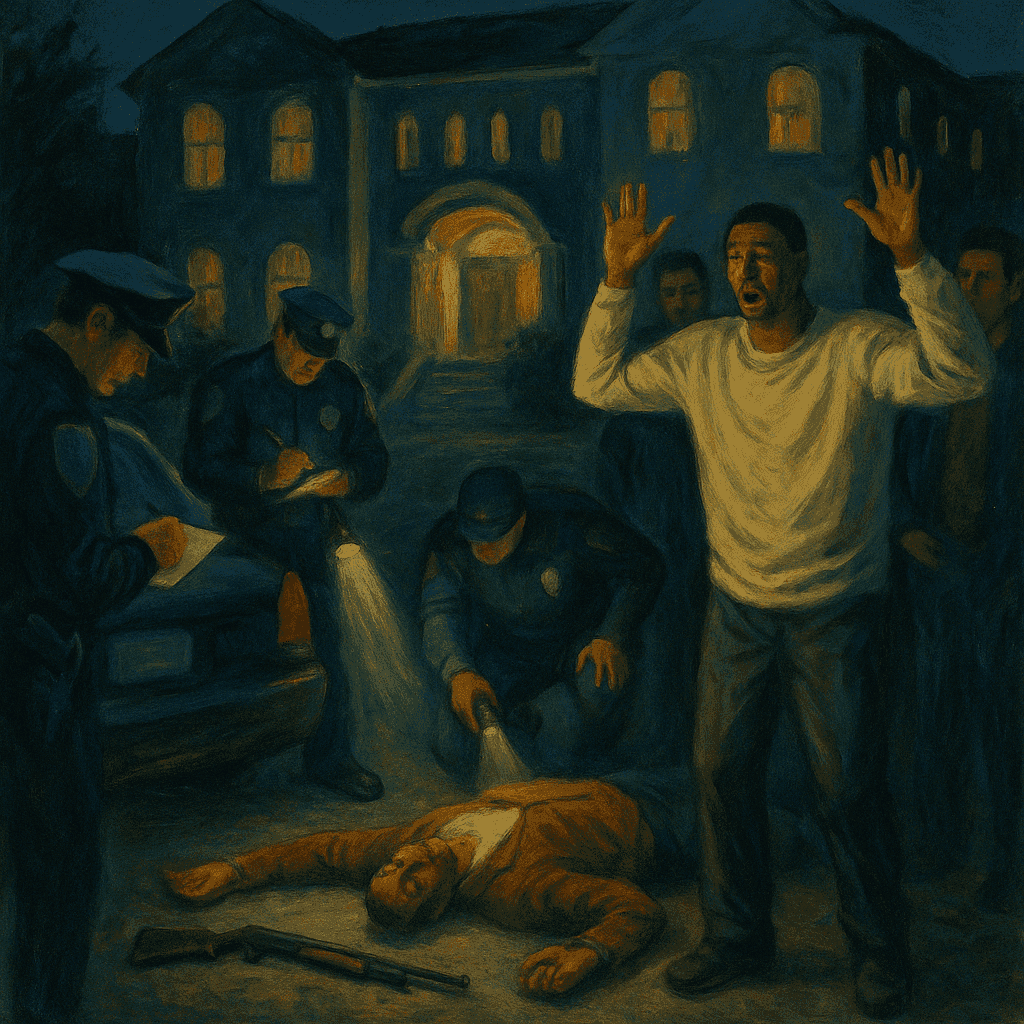
The fatal shooting took place at Williams’ New Jersey mansion during a gathering with friends and teammates. According to prosecutors, Williams had been showing off a shotgun when it discharged, striking Christofi and killing him instantly. What followed was a series of allegedly suspicious actions by Williams and others at the scene, including efforts to cover up the circumstances of the shooting. Although he initially claimed the shooting was accidental, prosecutors pursued charges that suggested Williams had acted recklessly and attempted to obstruct justice in the aftermath.
The indictment included charges of aggravated manslaughter, reckless manslaughter, and witness tampering, among others. This wasn’t just a case of a tragic accident—it quickly became a high-profile criminal case scrutinized by the media and legal commentators alike. The fact that Williams had retired just a year earlier from the NBA added another layer of intrigue, as fans and observers tried to reconcile the All-Star athlete's image with the allegations' seriousness.
A Career Overshadowed
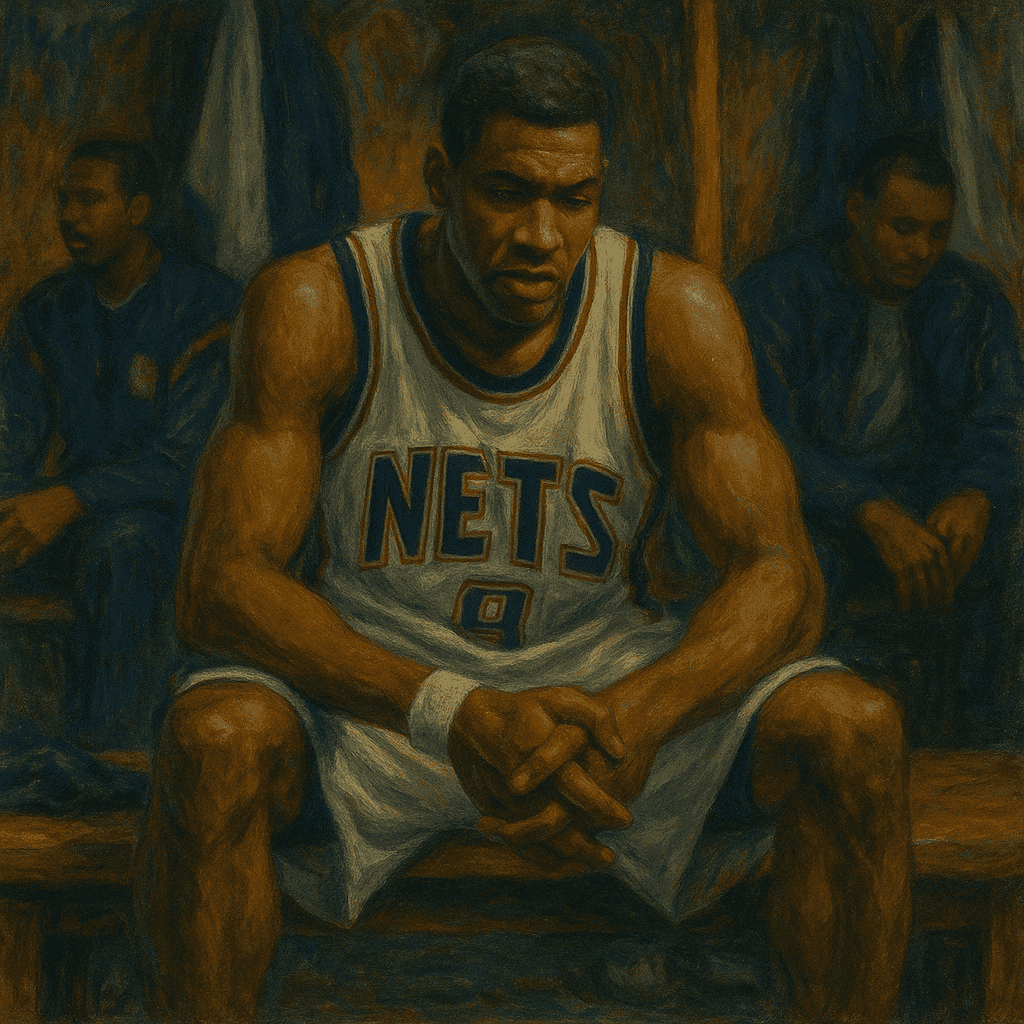
Before the shooting, Jayson Williams was regarded as one of the NBA’s standout players. Drafted by the Philadelphia 76ers in 1990 and later flourishing with the New Jersey Nets, he was known for his rebounding prowess and physical dominance in the paint. In 1998, he earned a spot in the NBA All-Star Game, marking the peak of his professional career. Off the court, Williams was often in the public eye for his humor and energy, appearing in commercials and occasionally on TV programs.
But his promising career had already been disrupted by a leg injury that forced him into early retirement in 2000, the same year the shooting occurred. The timing was grimly ironic: just as one chapter of his life closed, another—marked by legal peril and personal turmoil—began. As details of the case emerged, public opinion began to shift. The focus turned away from Williams the athlete and toward Williams the defendant, a man accused of taking another’s life through careless and irresponsible behavior.
Legal Fallout and Life After the Verdict
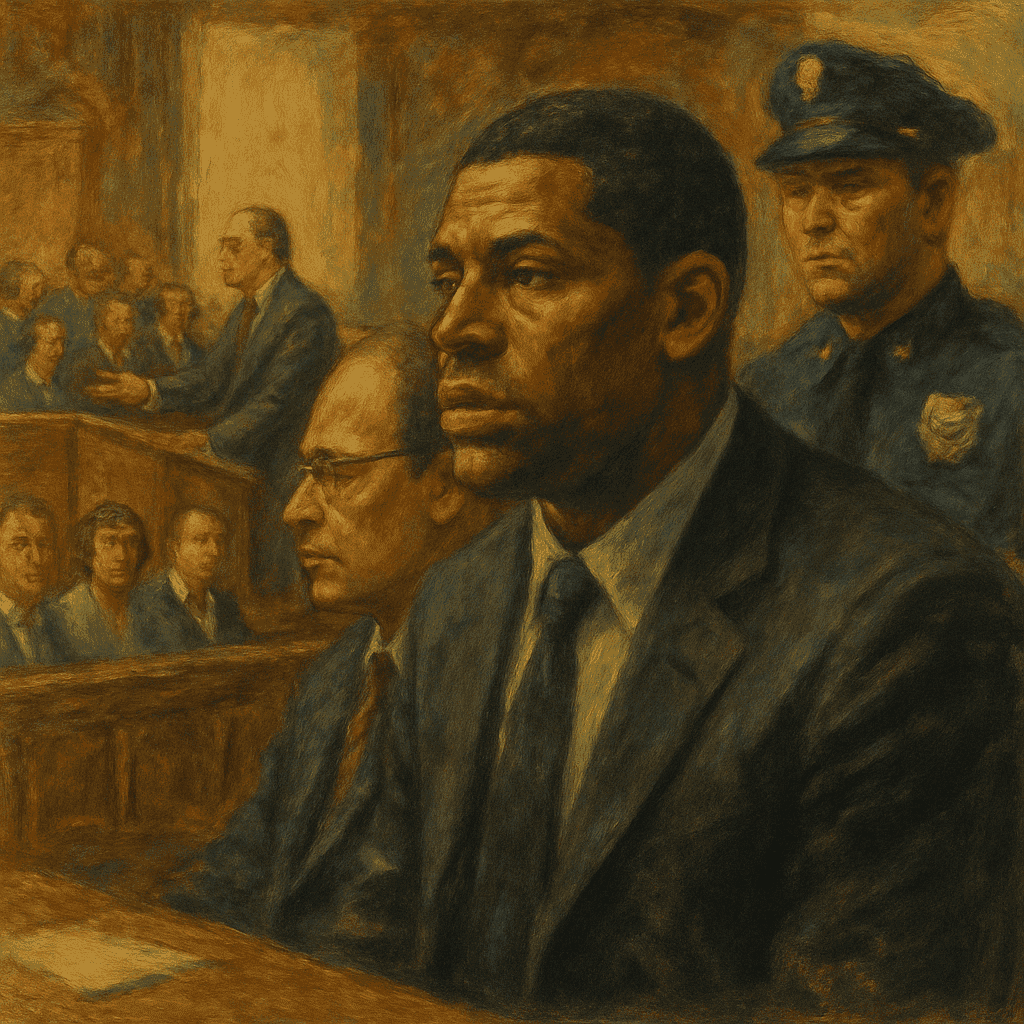
Jayson Williams’ legal saga dragged on for years. In 2004, a jury acquitted him of the most serious charge—aggravated manslaughter—but deadlocked on reckless manslaughter. However, he was convicted on four counts related to covering up the shooting. Eventually, in 2010, Williams pleaded guilty to aggravated assault in a deal that ended the prolonged legal battle. He was sentenced to five years in prison and served around 18 months behind bars.
The case stood as a stark example of how fame and fortune offer no immunity from consequence. It also reignited discussions about the behavior and accountability of professional athletes, many of whom are idolized by millions. Since his release, Williams has spoken publicly about his struggles with addiction, depression, and guilt. He has attempted to rebuild his life and use his experience as a platform for reflection, often speaking about redemption and the need for mental health support in the sports community.
Lasting Impact on Sports and Accountability
The Jayson Williams case remains a touchstone in the conversation about celebrity justice and athlete conduct. It helped set a precedent for how criminal cases involving athletes are covered by the media and treated in court. In the years since, other high-profile athletes have faced legal troubles, and many have cited the Williams case as an early example of how fame can both shield and spotlight misconduct.
More broadly, the incident prompted organizations like the NBA to invest more deeply in player support programs, focusing on mental health, gun safety, and post-career planning. The ripple effects of the case are still felt today, as leagues across sports seek to address the complex realities their athletes face once the spotlight fades. The tragic death of Costas Christofi and the downfall of Jayson Williams remain reminders of the fragile line between stardom and tragedy—and the enduring importance of accountability, no matter how high the pedestal.