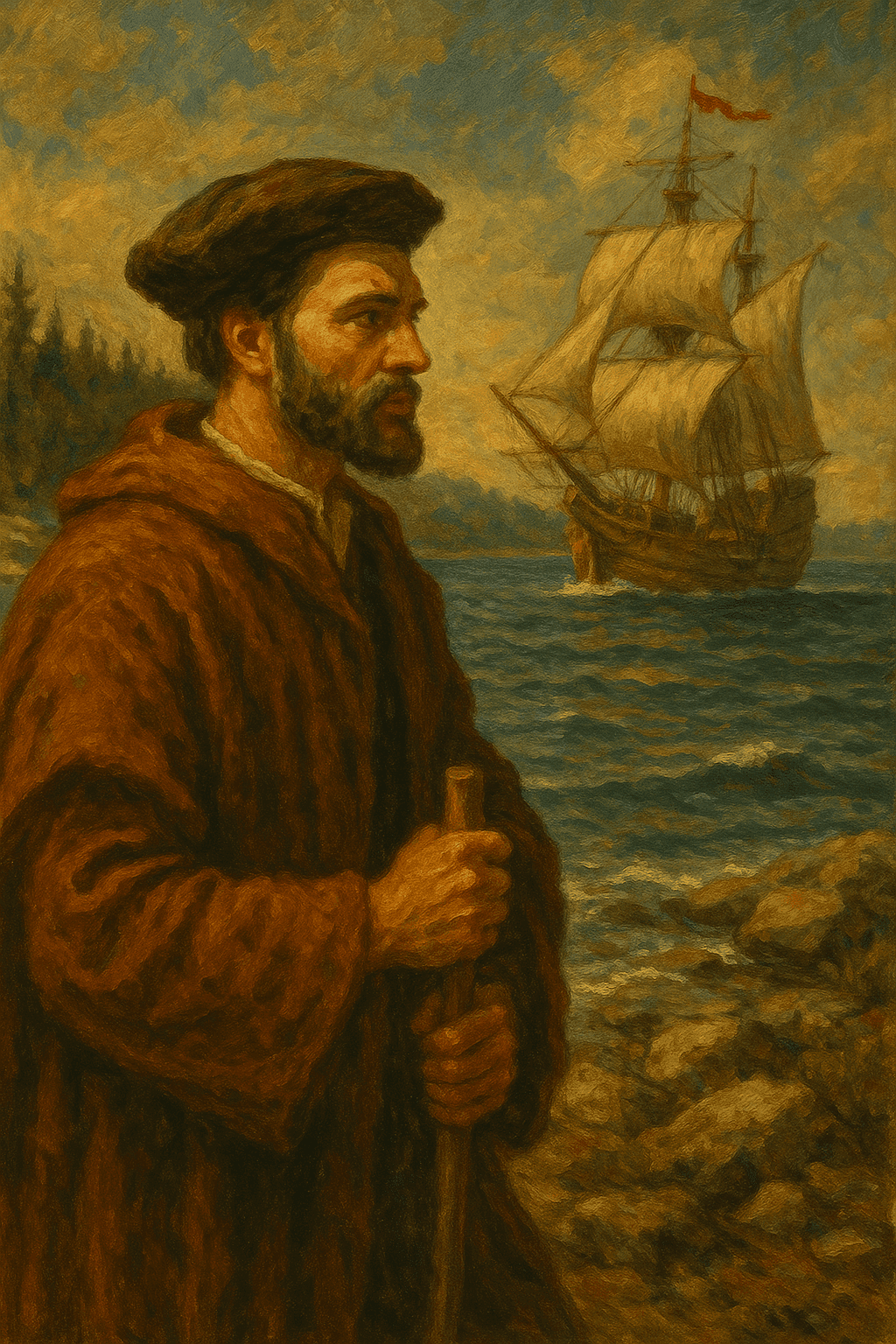
On June 9, 1534, French navigator Jacques Cartier began his historic exploration of the St. Lawrence River, launching what would become a foundational moment in the history of North American colonization. Commissioned by King Francis I of France, Cartier’s voyage marked the beginning of French involvement in the New World and laid the groundwork for centuries of exploration, trade, and cultural exchange—often fraught—with Indigenous nations.
A Mission of Discovery and Claim
Cartier's 1534 voyage was driven by France's desire to find a northwest passage to Asia and to expand its global influence. Sailing west across the Atlantic, Cartier reached the Gulf of St. Lawrence and began charting the coasts of what is now Newfoundland, Prince Edward Island, and parts of the Gaspé Peninsula.
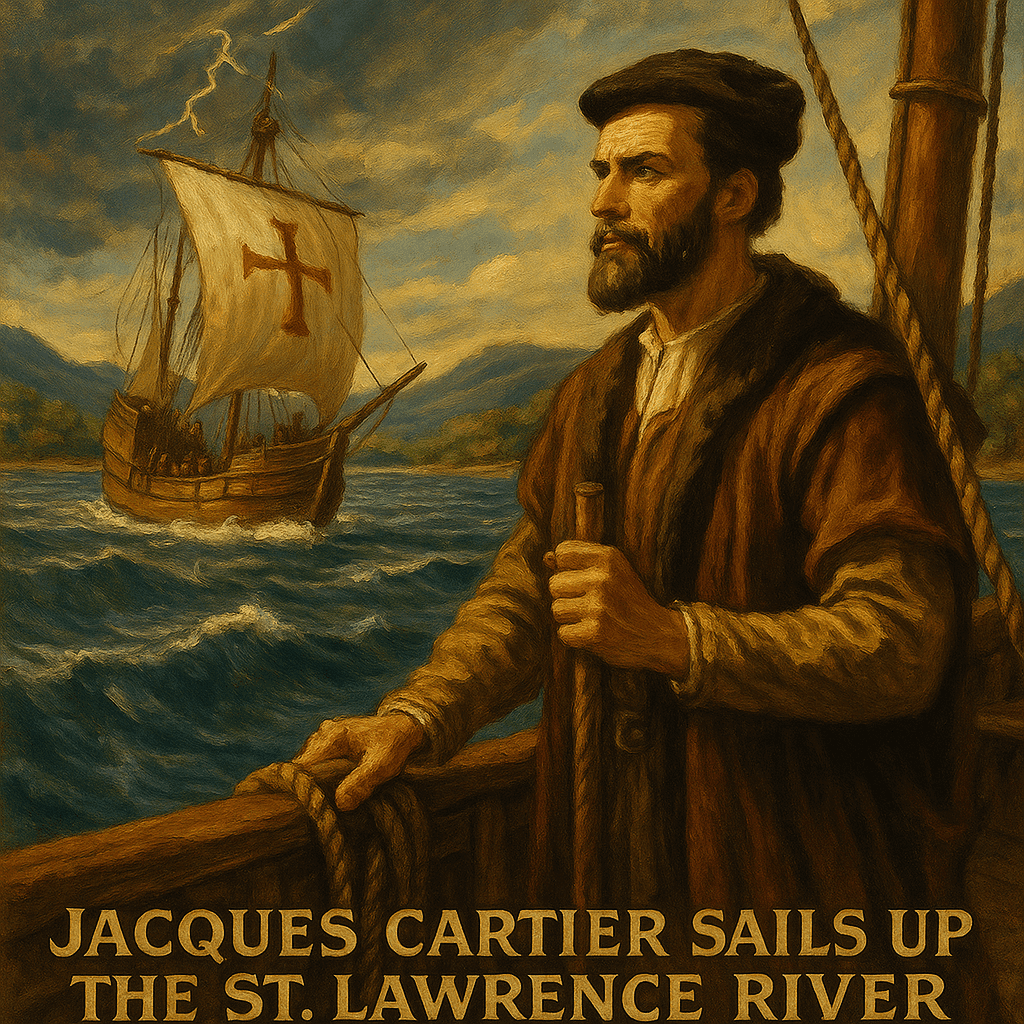
On June 9, he turned inland and sailed into the mouth of the St. Lawrence River, becoming the first European known to explore this vast waterway. Though he initially did not grasp its significance, the St. Lawrence would become the main route for French colonization in North America.
Encounters with Indigenous Peoples
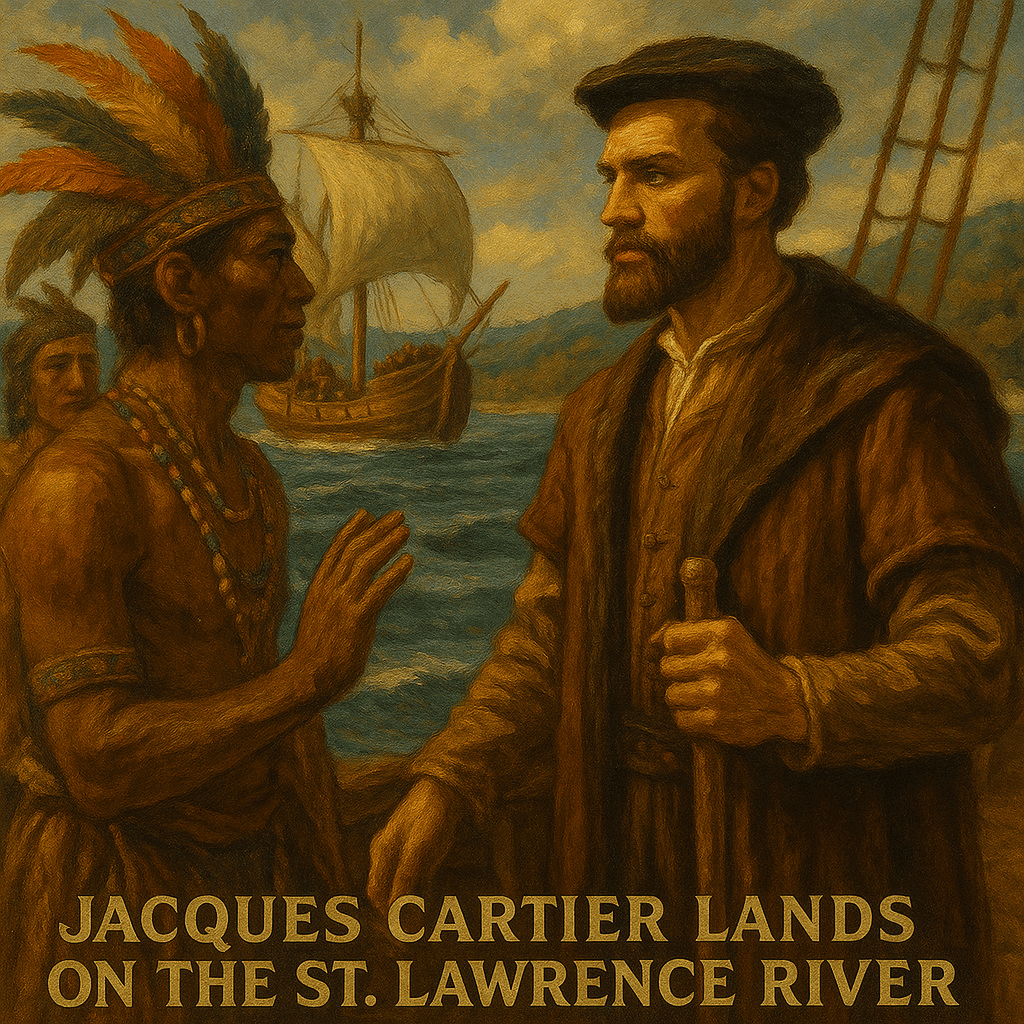
Cartier’s exploration also marked the beginning of sustained contact between the French and the St. Lawrence Iroquoians, particularly near present-day Quebec. While some exchanges were peaceful and included trade, Cartier's arrival also brought misunderstanding and tension. He famously planted a cross on the Gaspé Peninsula to claim the land for France—a gesture that alarmed local Indigenous leaders.
These early encounters set a precedent for the complex and often contentious relationships that would develop between European colonizers and Indigenous communities in the centuries to follow.
Legacy of Exploration and Empire
Cartier would return to the St. Lawrence region on two subsequent voyages, exploring as far as the future site of Montreal and naming the river after St. Lawrence, whose feast day coincided with his arrival. His expeditions provided Europe with some of the first detailed maps of the region and convinced French authorities of the potential for settlement and resource exploitation.
Ultimately, Cartier’s voyages set the stage for Samuel de Champlain’s founding of Quebec in 1608 and the establishment of New France, shaping the cultural and linguistic identity of Canada.
A Turning Point in North American History
The events of June 9, 1534, marked more than just a geographic milestone—they signaled the beginning of France’s deep and lasting engagement with North America. Jacques Cartier’s journey up the St. Lawrence River was a moment of discovery for Europe and the opening chapter in a complex history of colonization, resistance, and cultural transformation that continues to shape the Canadian landscape and identity today.