The Seven Years’ War, which began in earnest on May 15, 1756, when Britain formally declared war on France, was more than a struggle between two European powers—it was a conflict that spanned the globe. Often considered the first true world war, the conflict involved battles not just in Europe, but also in North America, Africa, India, and the Philippines. As colonial ambitions clashed and old rivalries intensified, the war ushered in a new era of geopolitical realignment and imperial power that would influence international relations for generations.
A European Powder Keg Ignites
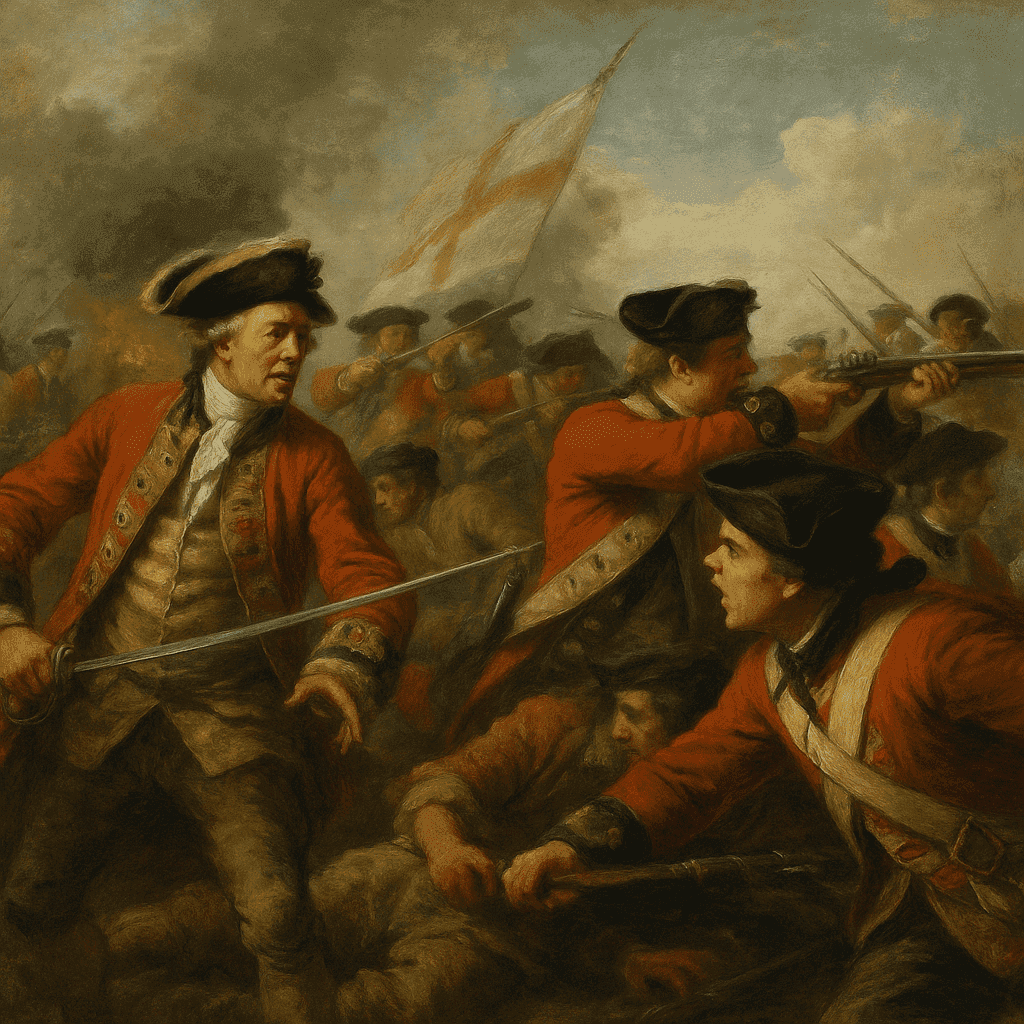
Although war was officially declared in 1756, tensions had been simmering for years. In North America, British and French colonial forces had already clashed in what became known as the French and Indian War, a precursor to the wider conflict. In Europe, the longstanding rivalry between Habsburg Austria and rising Prussia contributed to a complex web of alliances, dragging multiple nations into war. Britain allied with Prussia, while France, Austria, and Russia formed a counter-alliance. These entanglements meant that when war was finally declared, it quickly spread beyond Europe’s borders.
In many ways, the Seven Years’ War was a collision of old monarchic rivalries and emerging colonial ambitions. Maritime supremacy, commercial control, and access to lucrative trade routes were as much at stake as territorial borders. This shift in focus marked a turning point in how and why global wars would be fought moving forward.
The Global Battlefield
In North America, the war played out as a fierce contest between British and French forces, often with Native American tribes enlisted by both sides. The British victory at the Plains of Abraham in 1759 proved pivotal, effectively signaling the end of French influence in Canada. Meanwhile, in India, the British East India Company clashed with the French-backed forces, setting the stage for British dominance on the subcontinent. The Caribbean, West Africa, and the Philippines also became flashpoints, reflecting the truly global nature of the conflict.
At sea, Britain’s naval superiority gave it a critical edge. The Royal Navy was able to choke off French supply lines and assert control over key ports and trade routes. This allowed Britain to sustain its global military campaigns more effectively than its rivals and ultimately helped tip the balance in its favor. The war also exposed the logistical and financial limits of empires spread thin across the globe.
Aftermath and Enduring Legacy
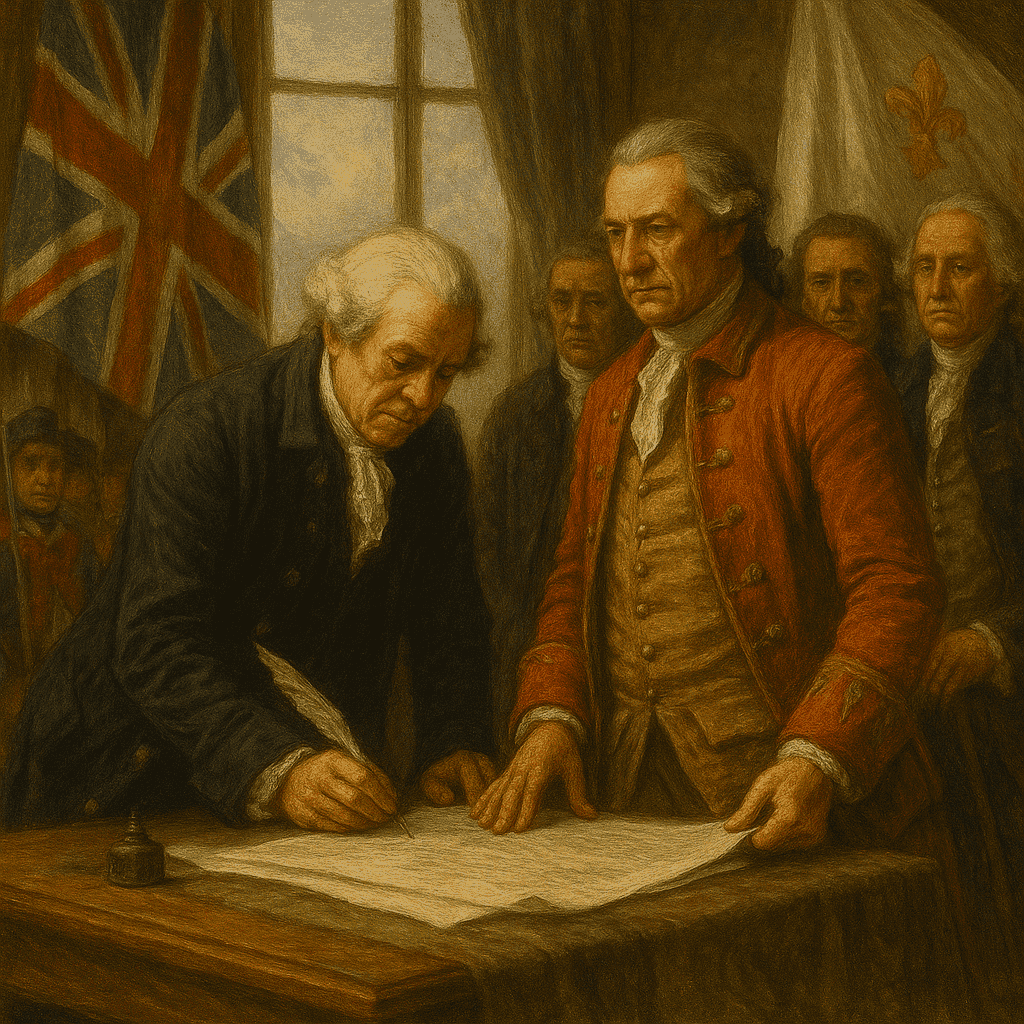
The Treaty of Paris in 1763 formally ended the war, dramatically redrawing the world map. France ceded Canada and lands east of the Mississippi River to Britain, while Spain handed over Florida in exchange for French territories in the Caribbean. India was left largely under British influence, marking the beginning of a new imperial era. Yet victory came at a cost: Britain emerged with significant debt, prompting increased taxation in the American colonies—a move that would fuel revolutionary sentiment.
The Seven Years’ War not only marked the rise of the British Empire as a global superpower, but also laid the groundwork for modern military alliances and colonial strategies. The shifting power dynamics and the strain placed on imperial systems foreshadowed the age of revolution and upheaval that would soon follow. In many ways, the war redefined global politics, commerce, and conflict, ushering in a new world order.