On July 3, 1890, Idaho was officially admitted as the 43rd state of the United States, cementing its place in the expanding American West. Known for its abundant natural resources and dramatic landscapes, Idaho's entry into the Union reflected the nation's broader push to incorporate frontier territories and capitalize on their economic potential. From vast mineral wealth to fertile farmland, the state offered new opportunities for settlers and contributed to shaping the character of the Western frontier.
From Territory to Statehood
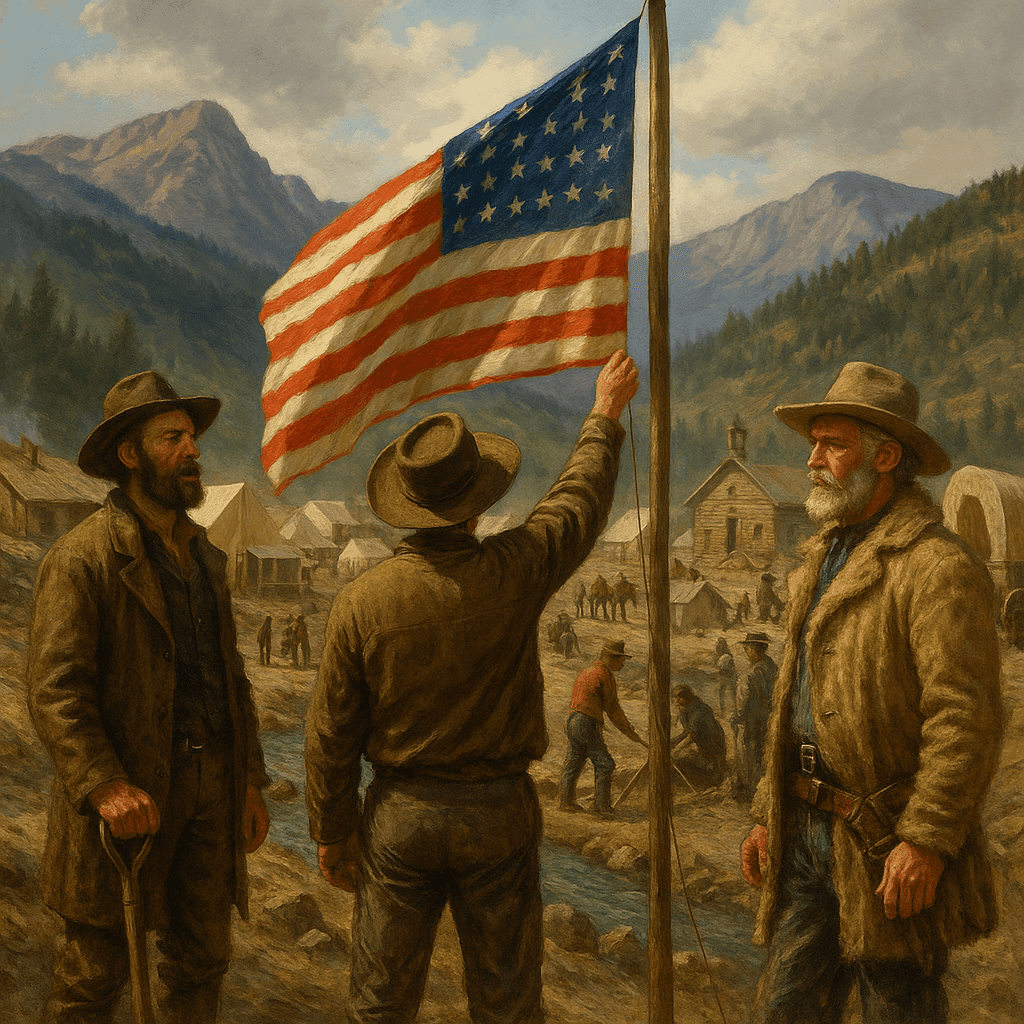
Idaho’s path to statehood began with its designation as a U.S. territory in 1863, during a time of rapid western expansion. The discovery of gold and other valuable minerals in the region drew thousands of settlers, fueling the population growth needed for Idaho to eventually qualify for statehood. As railroads reached into its rugged terrain, access to the territory improved, making Idaho a more viable candidate for joining the Union. The drive for statehood was also motivated by residents seeking greater political representation and local control over resources and governance.
Despite its sparse population and remote geography, Idaho demonstrated readiness for self-governance and economic development. A constitutional convention was held in 1889, and its resulting document laid the foundation for a state rooted in mining, agriculture, and individualism. On July 3, 1890, President Benjamin Harrison signed the proclamation admitting Idaho into the United States, just weeks before neighboring Wyoming achieved the same milestone. The rapid succession of new states underscored the federal government’s goal of strengthening its hold over the West.
Shaped by Land and Labor
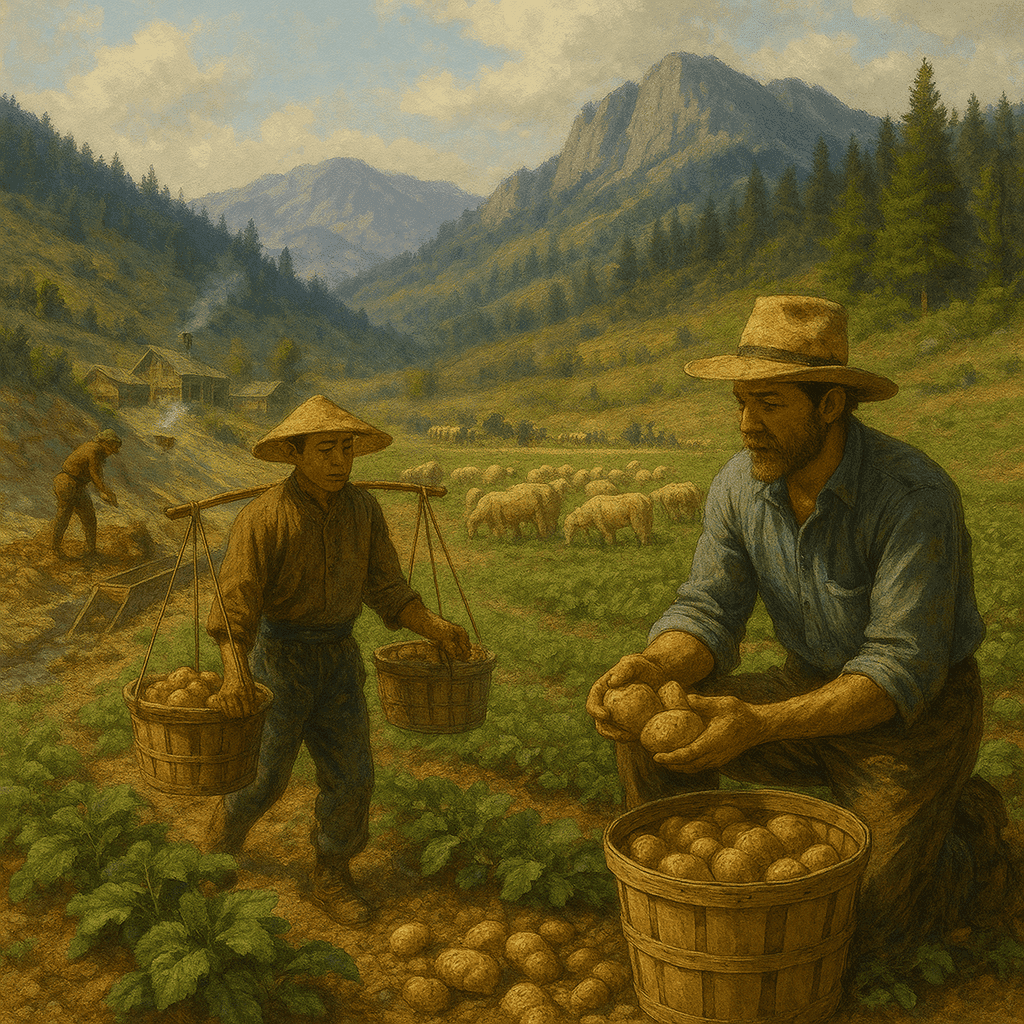
Idaho’s early economy was heavily influenced by its geography. The mountainous north was rich in minerals like silver, lead, and gold, attracting miners and investors, while the southern plains provided fertile land for farming and ranching. These dual economies fostered a rugged, independent spirit among Idahoans that continues to shape the state's identity today. Lumber from the dense forests of the panhandle and sheep from its high plains also became major contributors to the economy.
Immigration played a critical role in Idaho's development. Chinese laborers, Basque herders, and other ethnic groups helped build infrastructure and sustain agricultural and mining operations. Although discrimination and exclusion laws limited many of their rights, their contributions were foundational to the state’s early growth. Idaho’s population continued to diversify as more settlers arrived from other parts of the U.S., bringing with them distinct traditions that enriched the cultural fabric of the new state.
A Lasting Legacy
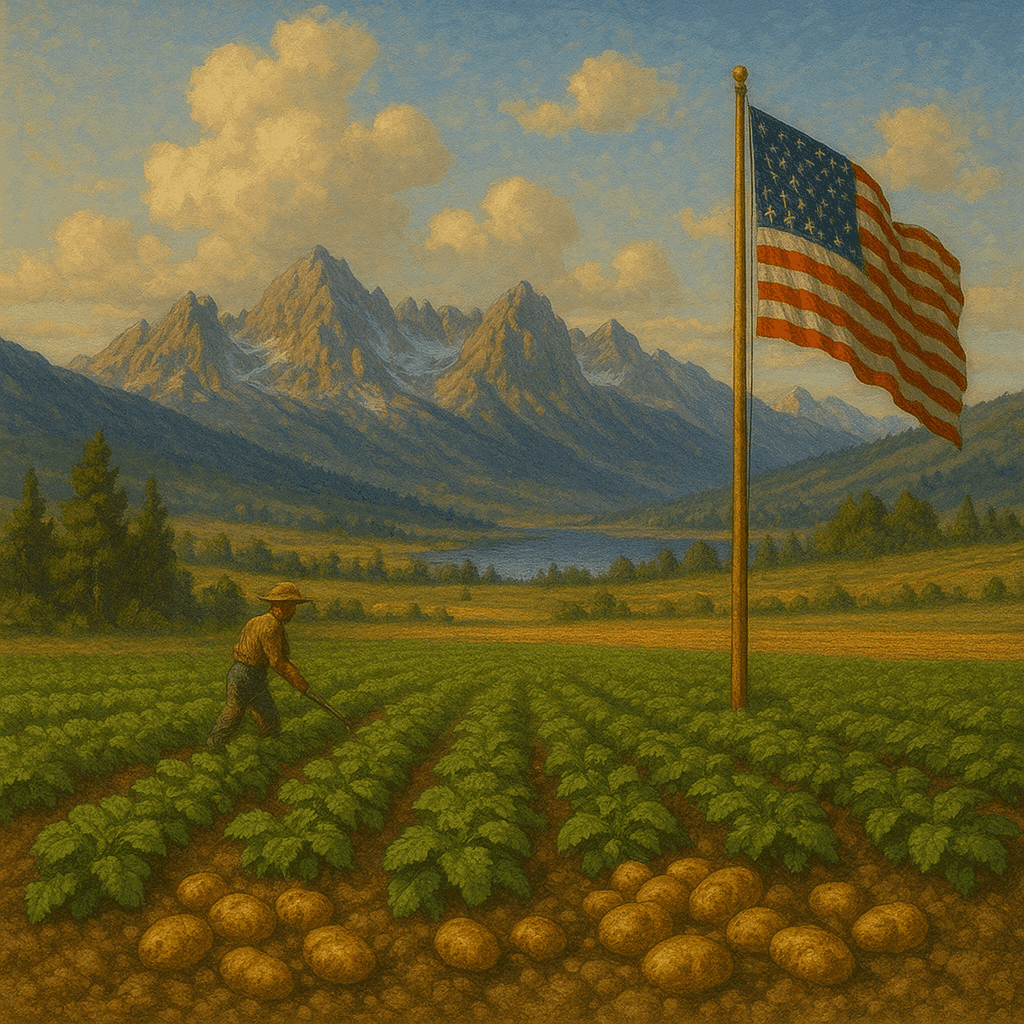
Idaho's admission to the Union helped complete the mosaic of the American West. As the decades passed, its identity as the “Gem State” was reinforced by its wealth of resources and natural beauty. From Hell’s Canyon to the Sawtooth Mountains, Idaho's landscapes became both an economic asset and a source of state pride. Its agricultural contributions, especially in potatoes, became nationally recognized, helping cement its role in feeding the nation.
Today, Idaho stands as a testament to the American spirit of exploration, resilience, and self-reliance. While it continues to grapple with issues of growth, environmental stewardship, and cultural change, its legacy as a frontier state persists. The events of July 3, 1890, serve as a reminder of the state’s beginnings and the enduring values that helped shape its path into the 21st century.