On June 26, 1974, a seemingly routine purchase at a supermarket in Troy, Ohio, marked a historic technological leap. When a cashier at Marsh’s Supermarket scanned a pack of Wrigley’s Juicy Fruit chewing gum using a Universal Product Code (UPC), it was the first time a barcode was used in a commercial transaction. That moment laid the groundwork for a revolution in how goods would be tracked, sold, and managed across the globe.
A Revolution in Retail
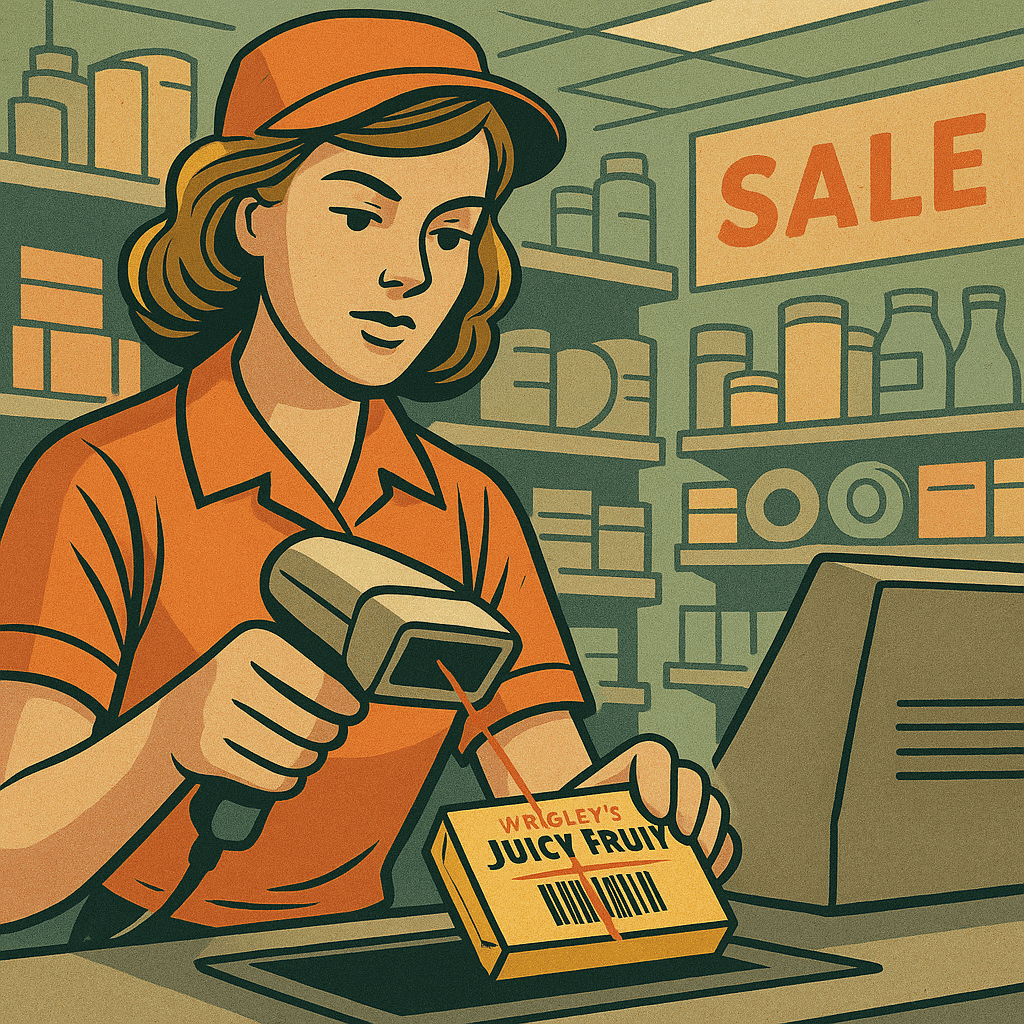
Prior to the adoption of barcodes, the retail industry was bogged down by inefficiencies. Prices were manually tagged, and cashiers entered them by hand at the register. This process was slow and error-prone, creating bottlenecks for both workers and customers. The UPC system changed that overnight by automating price lookup, reducing human error, and streamlining the checkout process.
Barcodes also enabled more effective inventory management. With each scan, a store could update its inventory in real-time, minimizing stockouts and over-ordering. Retailers gained valuable insights into consumer purchasing behavior, which helped them optimize shelf space and plan promotions more strategically. The economic implications of this innovation were enormous, allowing even small stores to adopt smarter, data-driven practices.
The public gradually embraced this change. Although some consumers were skeptical at first—concerned about privacy or resistant to automation—the benefits quickly became clear. Faster checkouts, fewer pricing mistakes, and better product availability won over the skeptics and made UPC barcodes a retail norm within a few years.
From Gum to Global Systems
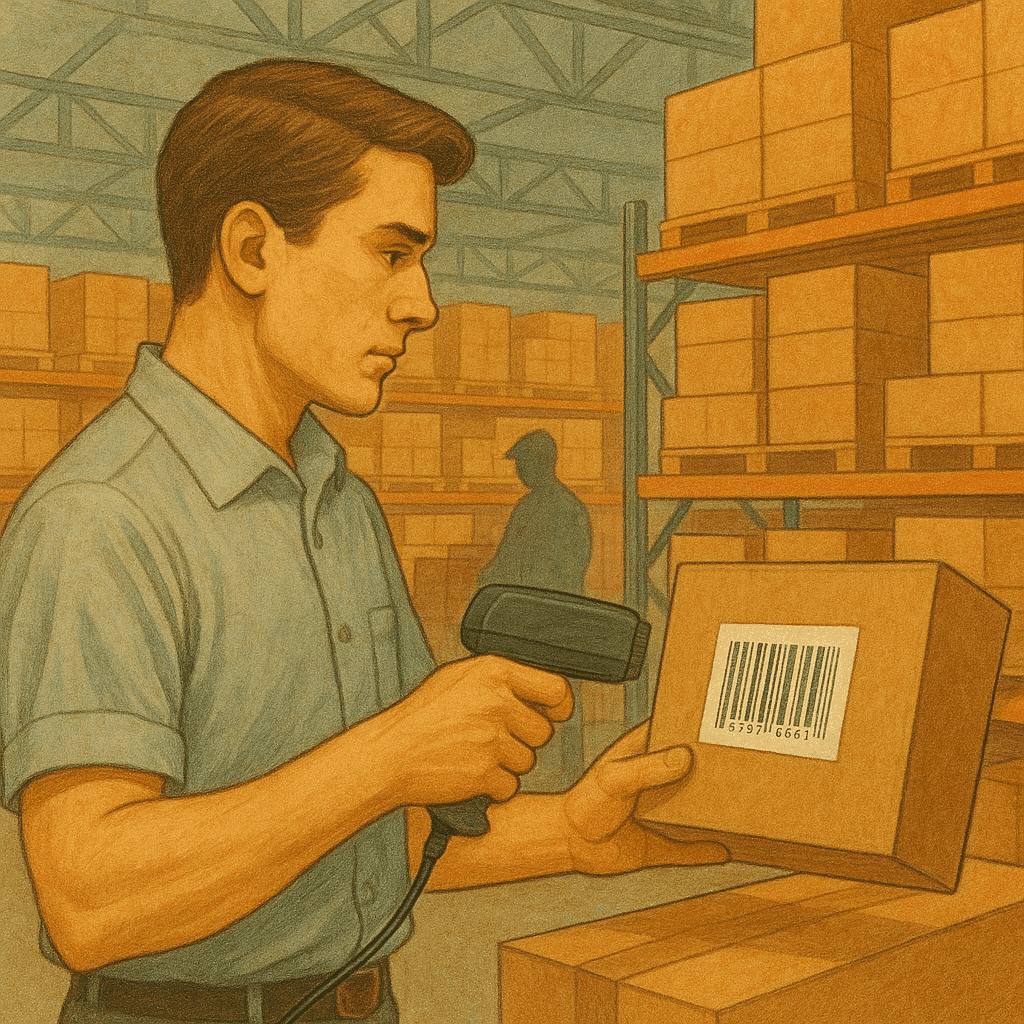
What started with a pack of gum soon spread throughout the retail industry. As manufacturers began printing UPCs on their packaging, the system became scalable and reliable. By the early 1980s, barcodes were widespread in grocery stores, and they soon expanded into department stores, pharmacies, and supply chains.
This small innovation quickly grew into a universal system. The standardization of barcodes meant that goods could be tracked and sold internationally with consistency. Companies could now share data across suppliers, distributors, and stores, creating a tightly interconnected web of commerce. The barcode had gone from a retail convenience to a fundamental element of global trade.
Enduring Impact and Digital Legacy
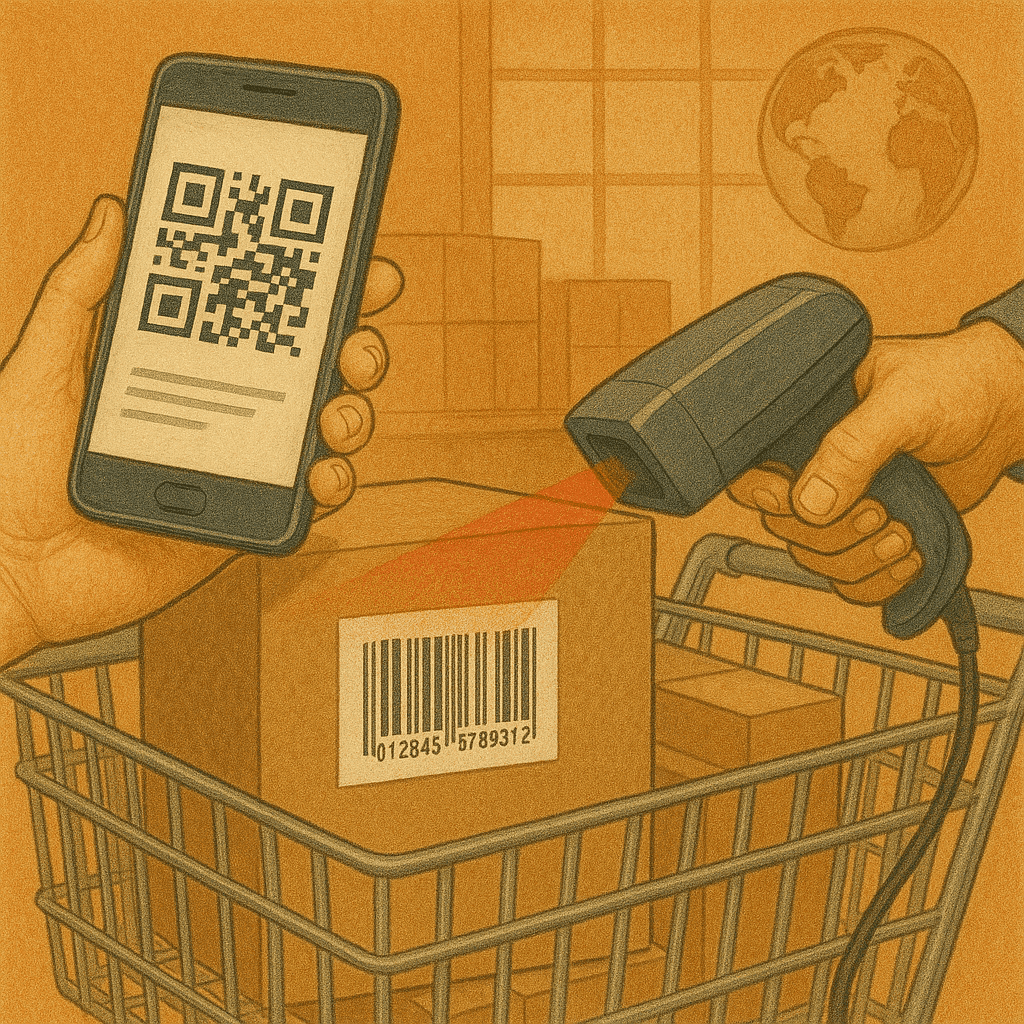
The legacy of the UPC barcode is still unfolding. It paved the way for related technologies like QR codes and RFID tags, which now appear in logistics, advertising, and healthcare. Today’s digital supply chains and e-commerce platforms are built on the foundation laid by barcode scanning.
The barcode's quiet presence on nearly every product reminds us how powerful a simple system can be when paired with global adoption. From a supermarket in Ohio to warehouses, hospitals, and airports around the world, the UPC remains one of the most transformative innovations in modern history.