
February 27: Thirty Years of Catching Them All
On February 27, 1996, a game developer named Satoshi Tajiri watched his six years of obsessive work go on sale at Japanese game shops. Pocket Monsters Red and Pocket Monsters Green — two cartridges for Nintendo's aging Game Boy handheld — had nearly been cancelled multiple times during development, nearly bankrupted the studio that made them, and arrived with modest expectations. Thirty years later, to the day, The Pokémon Company is celebrating an anniversary that no one in the industry saw coming: Pokémon has become the single highest-grossing media franchise of all time, surpassing Star Wars, the Marvel Cinematic Universe, and Hello Kitty, having generated over $150 billion in revenue across games, trading cards, animation, merchandise, and film.
From a Child's Bug Collection to a Global Empire
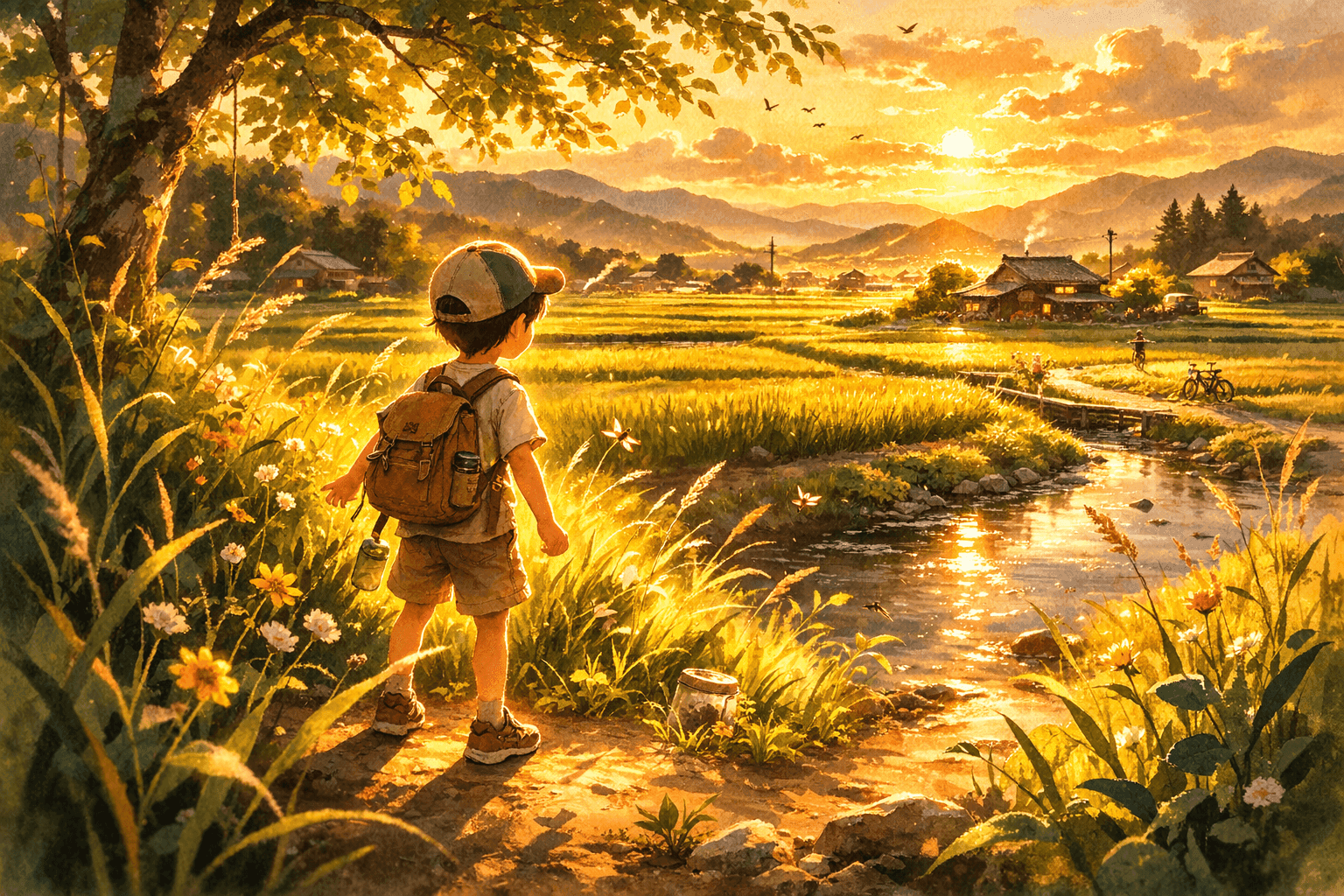
The origin of Pokémon is one of the most improbable creative stories in entertainment history. Satoshi Tajiri, who grew up catching insects in the rice paddies and streams outside Tokyo, watched those natural spaces disappear to urban development throughout his childhood. The longing to recapture that experience — the thrill of discovery, the joy of collecting, the simple wonder of finding something alive hiding under a rock — became the philosophical backbone of his game. It took him six years to build it. His studio, Game Freak, ran out of money multiple times. Staff went without salaries. Nintendo's internal teams were skeptical. But Tajiri's producer, Shigeru Miyamoto — the creator of Mario — believed in it, and on February 27, 1996, the games shipped. The trading mechanic, which required players to connect their Game Boys with a physical link cable to exchange creatures, was a stroke of design genius: no single cartridge contained every Pokémon, making connection with other players not just fun but necessary. Scarcity and community, baked directly into the game's architecture.
Today, on the franchise's 30th Pokémon Day, the scale of what grew from those two Game Boy cartridges is nearly incomprehensible. There are now 1,025 individual Pokémon species. The trading card game has sold over 47 billion cards worldwide. The animated series has run for nearly three decades across hundreds of episodes. Pokémon Go, released in 2016, briefly became a worldwide cultural phenomenon, sending hundreds of millions of people into parks and streets with their phones held aloft. This morning, The Pokémon Company marked the milestone with a global Pokémon Presents broadcast, revealing new games and a year's worth of anniversary celebrations — including the re-release of the original FireRed and LeafGreen on Nintendo Switch, first-ever official LEGO Pokémon sets, and plans for live events designed for the generation of adults who grew up as the franchise's very first players.
What Pokémon's 30-year arc reveals, perhaps more than anything, is the staying power of a genuinely original idea rooted in universal human feeling. The franchise survived the death of the Game Boy, the rise of mobile gaming, the fragmentation of entertainment, and the churn of generational taste by doing something elegantly simple: it kept the wonder of discovery at its center. Parents who played the original games in elementary school are now introducing their own children to the same Pikachu, the same Charmander, the same opening question — "Are you a boy or a girl?" — that greeted them on a small gray screen in 1996 or 1998. That continuity, across three decades and four generations of players, is not just a commercial achievement. It is a small, peculiar, and genuinely touching piece of cultural history — the story of a man who missed catching bugs as a child, and gave that feeling to the world.