February 27: A Parade Begins, A Tower Tilts, A Stand Begins
February 27 has witnessed moments when people refused to let their stories fade—whether through jubilant celebration, desperate preservation, or defiant occupation. From a parade that would define a city's soul, to engineers racing to save an architectural wonder, to activists reclaiming sacred ground in the name of justice, these events remind us that culture, heritage, and dignity are worth fighting for in whatever form that fight must take.
Let the Good Times Roll
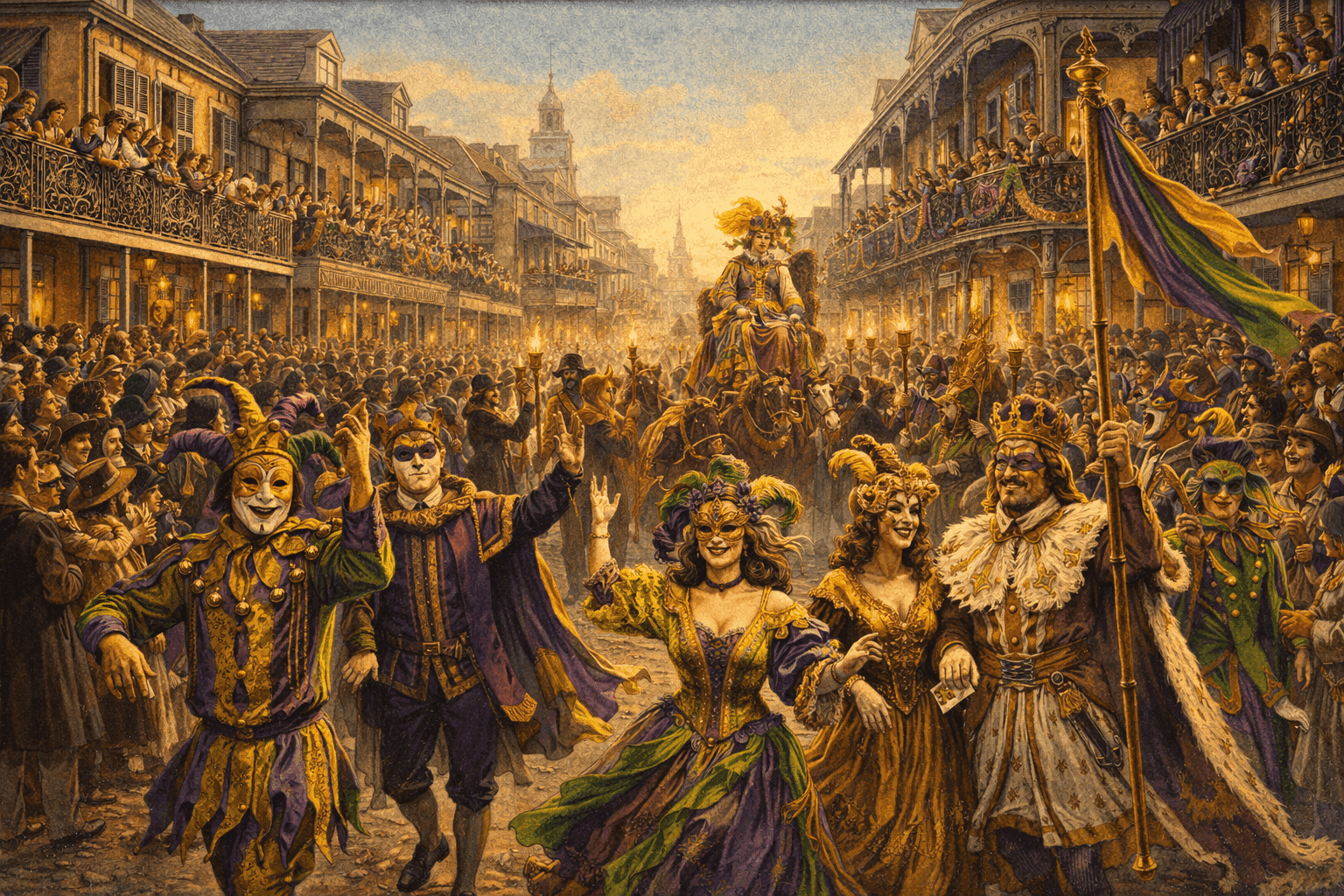
On February 27, 1827, New Orleans witnessed its first recorded Mardi Gras parade as costumed revelers marched through the streets in a celebration that would become synonymous with the city itself. The tradition had roots in medieval Europe, brought to Louisiana by French Catholic settlers who marked the day before Lent—"Fat Tuesday"—with feasting and merrymaking before the austere weeks ahead. What began as spontaneous street celebrations evolved into organized parades complete with elaborate floats, masked balls, and the throwing of trinkets that would become a Mardi Gras signature.
Over nearly two centuries, Mardi Gras has grown into something far larger than a religious observance. It became New Orleans' cultural heartbeat—a celebration where European, African, Caribbean, and American influences blend into something uniquely Louisianan. The krewes that organize parades range from elite social clubs to neighborhood organizations, each with their own traditions and identities. The festival survived Civil War, yellow fever epidemics, economic collapse, and Hurricane Katrina, adapting but never disappearing. Today it attracts over a million visitors annually and generates hundreds of millions in economic impact. Yet for New Orleanians, Mardi Gras remains something more than tourism—it's an assertion of identity, a defiant celebration of joy and resilience in a city that has weathered more than its share of tragedy.
The Tilt That Won't Quit
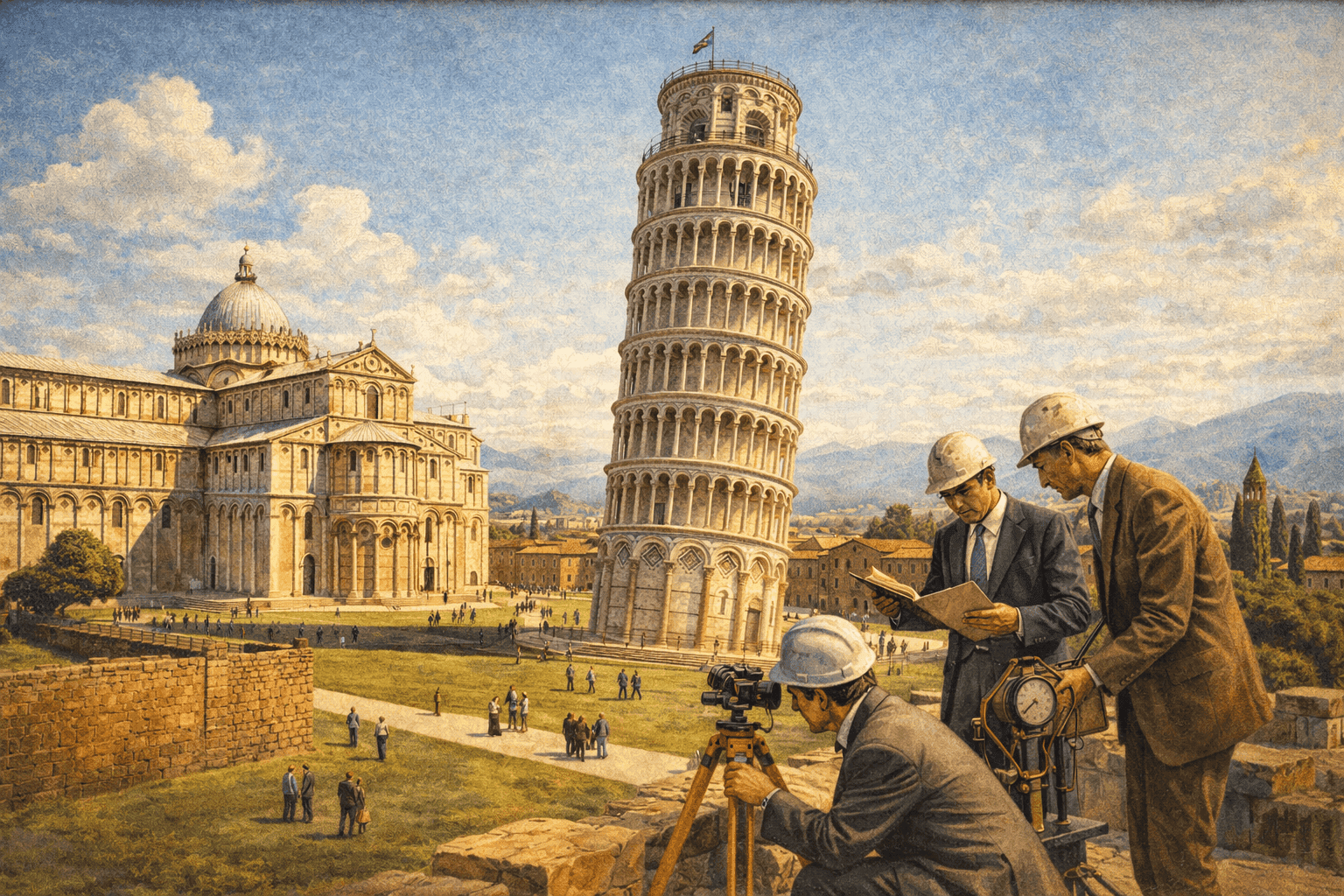
One hundred thirty-seven years later, on February 27, 1964, the Italian government issued an international appeal for help saving one of the world's most famous architectural accidents. The Leaning Tower of Pisa, which had been tilting since construction began in 1173, was leaning more dramatically with each passing year. By 1964, the 186-foot bell tower was 5.5 degrees off vertical and moving about one millimeter annually—seemingly inexorably toward collapse. Engineers calculated that without intervention, the tower would eventually topple under its own weight, destroying an 800-year-old masterpiece and likely killing anyone unfortunate enough to be nearby.
The problem was deceptively simple: soft soil on one side couldn't support the tower's weight, causing it to sink and tilt. The solution proved maddeningly complex. Over decades, engineers proposed and tested various interventions—counterweights, foundation strengthening, even freezing the ground. Some attempts made the tilting worse. Finally, in the 1990s, a combination of careful soil extraction from beneath the higher side and temporary counterweights gradually reduced the lean by about half a degree, buying centuries of additional stability. The tower reopened to visitors in 2001, still leaning but no longer in danger of imminent collapse. The irony wasn't lost on anyone: Pisa's defining landmark became famous precisely because of a construction flaw, and preserving it meant ensuring it remained flawed—just not fatally so.
Reclaiming Sacred Ground
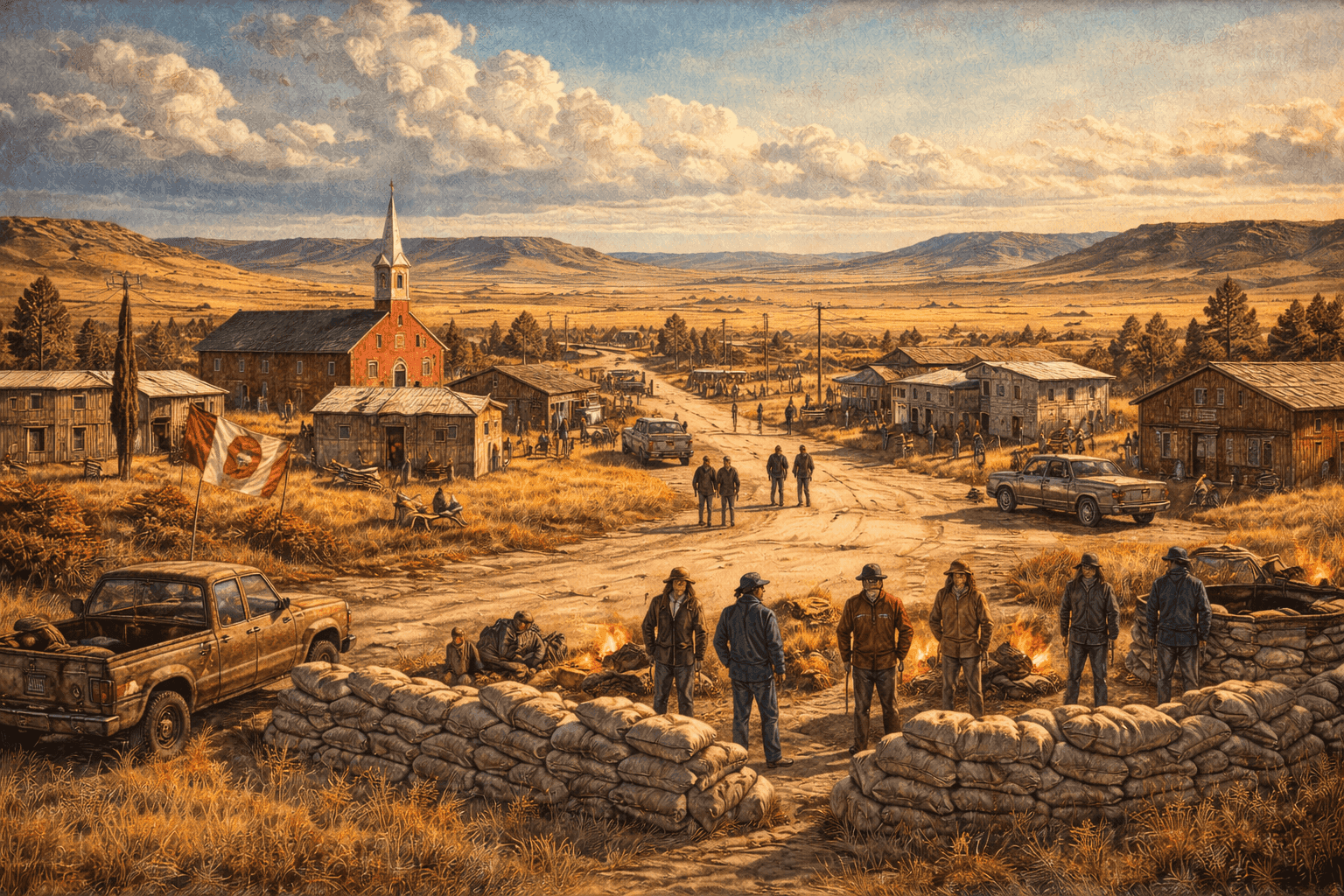
On February 27, 1973, approximately 200 members of the American Indian Movement and local Oglala Lakota activists occupied the village of Wounded Knee on South Dakota's Pine Ridge Reservation. They chose this site deliberately—it was where U.S. troops had massacred between 250 and 300 Lakota men, women, and children in 1890, marking the final spasm of the Indian Wars. The activists' grievances were both specific and sweeping: corrupt tribal leadership they believed was imposed by the federal government, broken treaties dating back over a century, and broader patterns of discrimination and poverty afflicting Native communities across America.
What followed was a 71-day standoff with federal authorities that transfixed the nation. FBI agents, U.S. Marshals, and National Guard troops surrounded the village, while activists inside demanded genuine tribal sovereignty and a review of treaty violations. Firefights erupted sporadically; two activists were killed and a federal marshal was paralyzed. National media coverage brought Indigenous issues into American living rooms with unprecedented intensity. The siege ended in May with negotiated surrender, but its impact reverberated far beyond Pine Ridge. The occupation catalyzed reforms in federal Indian policy, inspired a generation of Native activists, and forced Americans to confront uncomfortable truths about broken promises and ongoing injustice. Wounded Knee became both a literal and symbolic reclamation—of land, of history, and of the right to be heard after centuries of being silenced.