On May 1, 1931, the Empire State Building was officially dedicated, staking its place in the New York City skyline as the tallest building in the world. Rising 1,250 feet into the air, the skyscraper stood as a beacon of hope, achievement, and ambition during a time of economic despair. It was more than a marvel of steel and stone—it was a symbol of the American dream at a time when many questioned its very existence.
A Race Toward the Sky
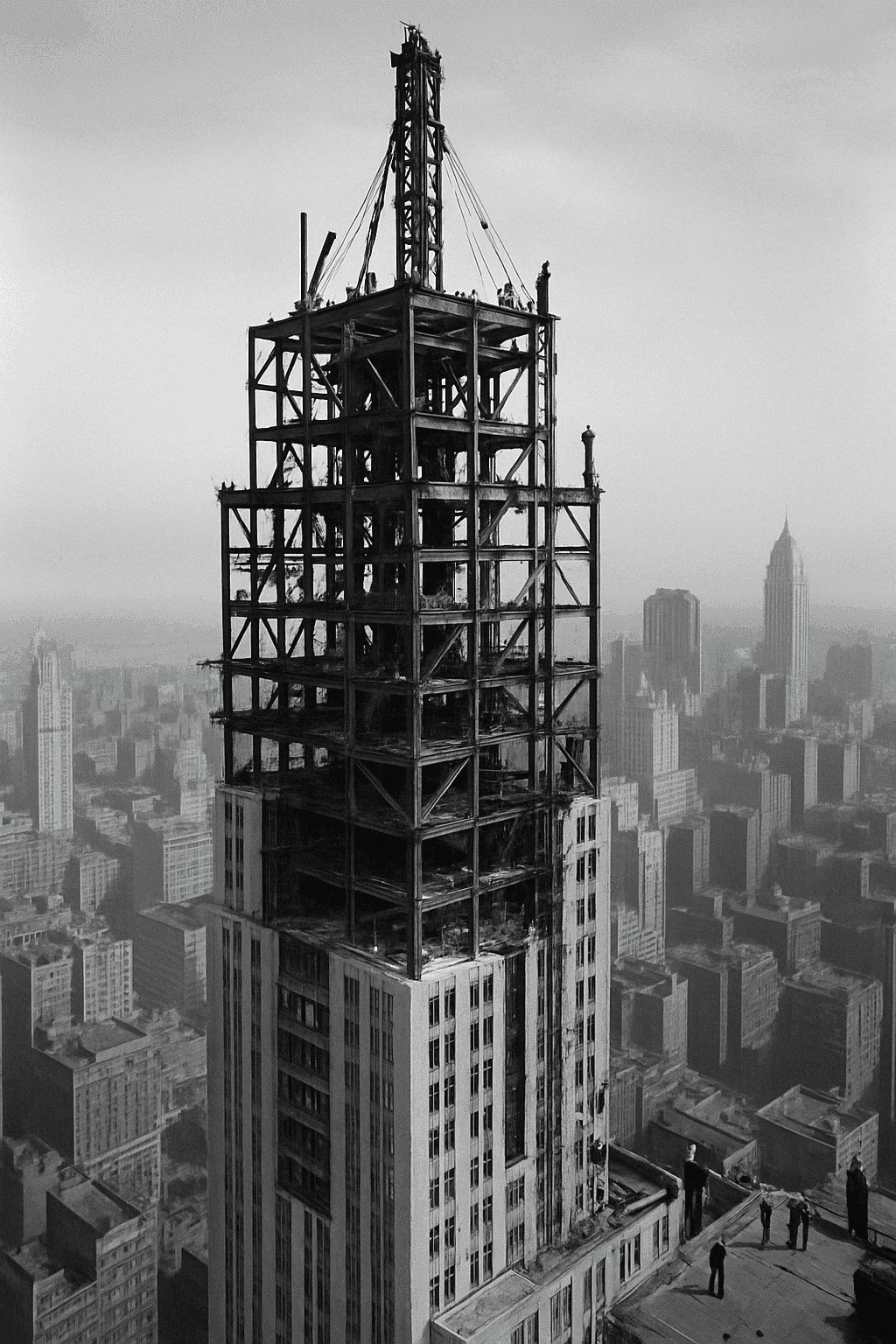
The early 20th century was marked by an unprecedented race to build higher and higher, with cities competing to define the modern skyline. In the wake of the Chrysler Building’s completion in 1930, the Empire State Building was conceived not just as an office space, but as a triumph over the limits of architecture and ambition. Designed by the architectural firm Shreve, Lamb & Harmon and financed largely by former New York Governor Alfred E. Smith, the project was completed in just over a year—an astonishing feat at the time.
Built during the depths of the Great Depression, the Empire State Building became known as the "Empty State Building" due to its initially low occupancy rates. Yet, its swift completion and towering presence were cause for celebration in a country hungry for signs of progress. The building’s dedication ceremony even included President Herbert Hoover pressing a button in Washington, D.C., which symbolically turned on the building’s lights.
A Cultural and Economic Icon

Beyond its architectural brilliance, the Empire State Building rapidly became woven into the cultural fabric of America. It was immortalized in films like King Kong (1933), further embedding its image into the national imagination. Its observatories drew tourists from around the world, bringing in much-needed revenue during a difficult economic time and offering breathtaking views of the city that never sleeps.
The Empire State Building retained a magnetic pull even as newer and taller skyscrapers emerged. It came to symbolize New York itself—ambitious, resilient, and iconic. For decades, it hosted everything from romantic rendezvous to annual races up its 86 flights of stairs, maintaining its relevance through generations and changing times.
Lasting Influence and Global Recognition
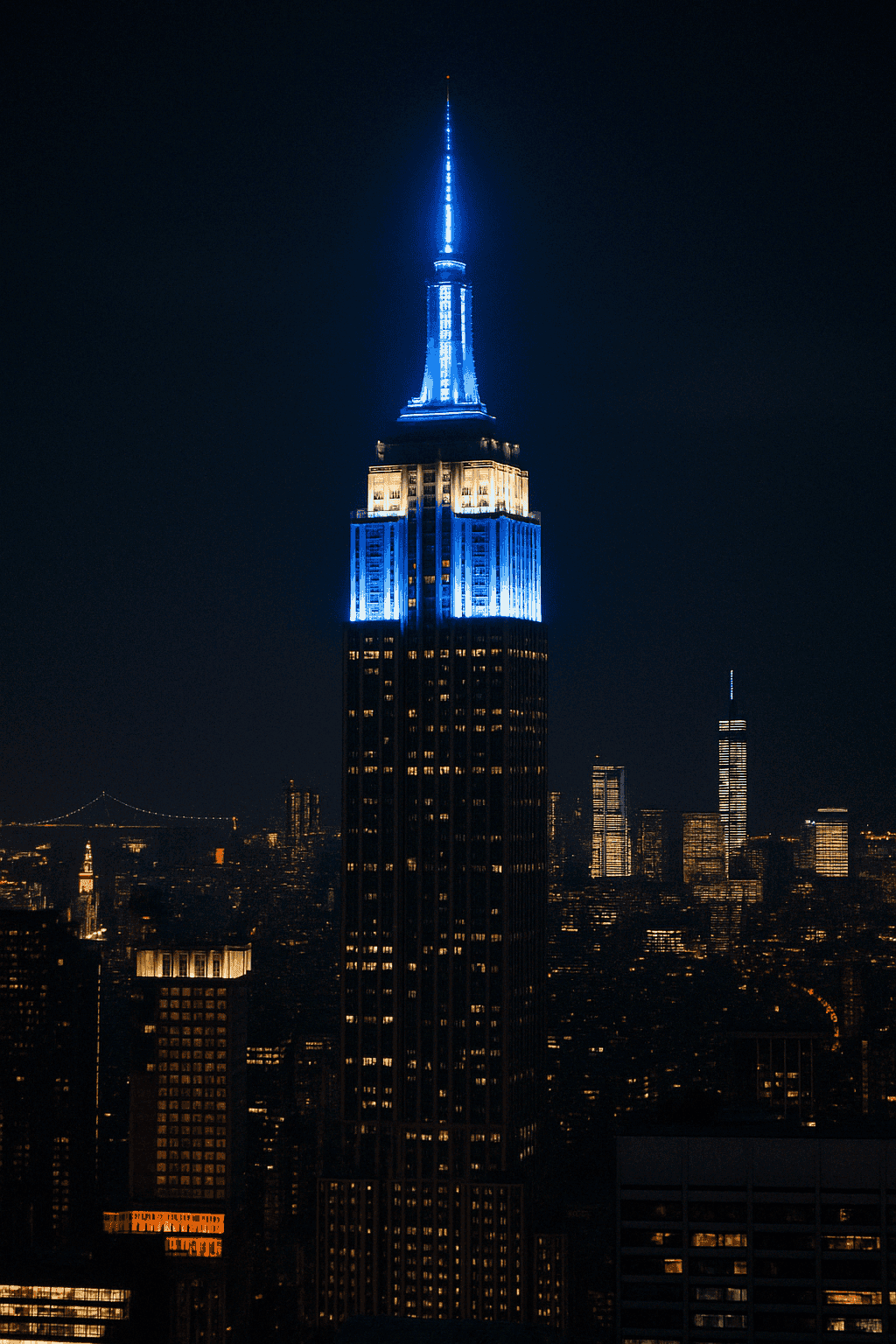
The Empire State Building’s influence extended far beyond New York. It inspired the development of urban skylines around the globe and became a model of streamlined Art Deco design. In 1986, it was designated a National Historic Landmark, ensuring its preservation and continued status as a vital piece of American history.
Today, the Empire State Building remains one of the world's most visited and photographed structures. Its energy-efficient retrofits and dynamic lighting displays reflect its continued adaptation to the needs and spirit of each new generation. From its foundation to its tip, it is a testament to what human vision and collective will can achieve, even in the darkest times.