On April 13, 1928, history was made in the skies above the Atlantic. Three pioneering aviators—Captain Hermann Köhl of Germany, Major James Fitzmaurice of Ireland, and Baron Ehrenfried Günther Freiherr von Hünefeld—successfully completed the first nonstop flight from Europe to North America. Their aircraft, a modified Junkers W33 monoplane named Bremen, lifted off from Baldonnel Aerodrome near Dublin and landed over 36 hours later on Greenly Island, a remote strip of land off the coast of Labrador, Canada. Their daring feat reversed the direction of Charles Lindbergh’s celebrated 1927 solo flight and helped reshape the future of global aviation.
A Leap Into the Unknown
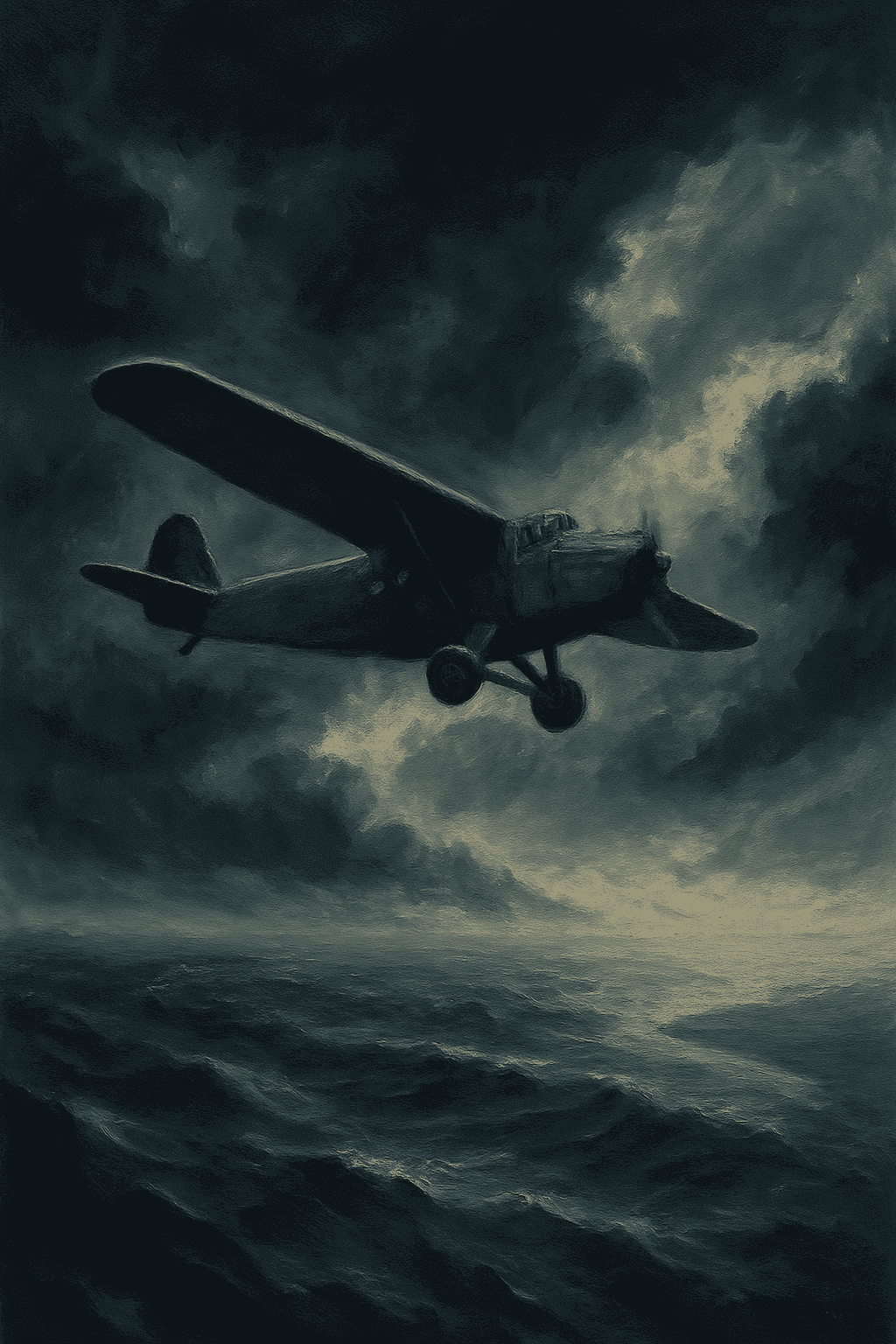
While Lindbergh’s flight had gone from west to east—benefiting from tailwinds—the reverse journey posed far greater challenges. Strong headwinds, unreliable navigation tools, and unpredictable weather made westward transatlantic crossings particularly perilous. Yet Köhl, Fitzmaurice, and von Hünefeld were determined to prove it could be done. Their aircraft, built in Germany and fitted for long-range flight, was a marvel of its time, but it was still operating on the edge of its capabilities.
Shortly after takeoff, the Bremen experienced technical failures. The radio broke down, leaving the crew without contact for the rest of the journey. Storms pounded the aircraft, ice formed on its surfaces, and visibility dropped to near zero. For long stretches of time, the crew didn’t know exactly where they were. They relied on dead reckoning and celestial navigation, all while battling exhaustion and the bone-chilling cold.
Their landing was not smooth. They crash-landed on the icy ground of Greenly Island, damaging the aircraft, but they walked away unharmed. Though it wasn’t the planned destination, it was still solid ground in North America—an undeniable success. The flight made global headlines. These three men had done what many believed was impossible: they had crossed the Atlantic westward, nonstop, by air.
A New Age for Aviation
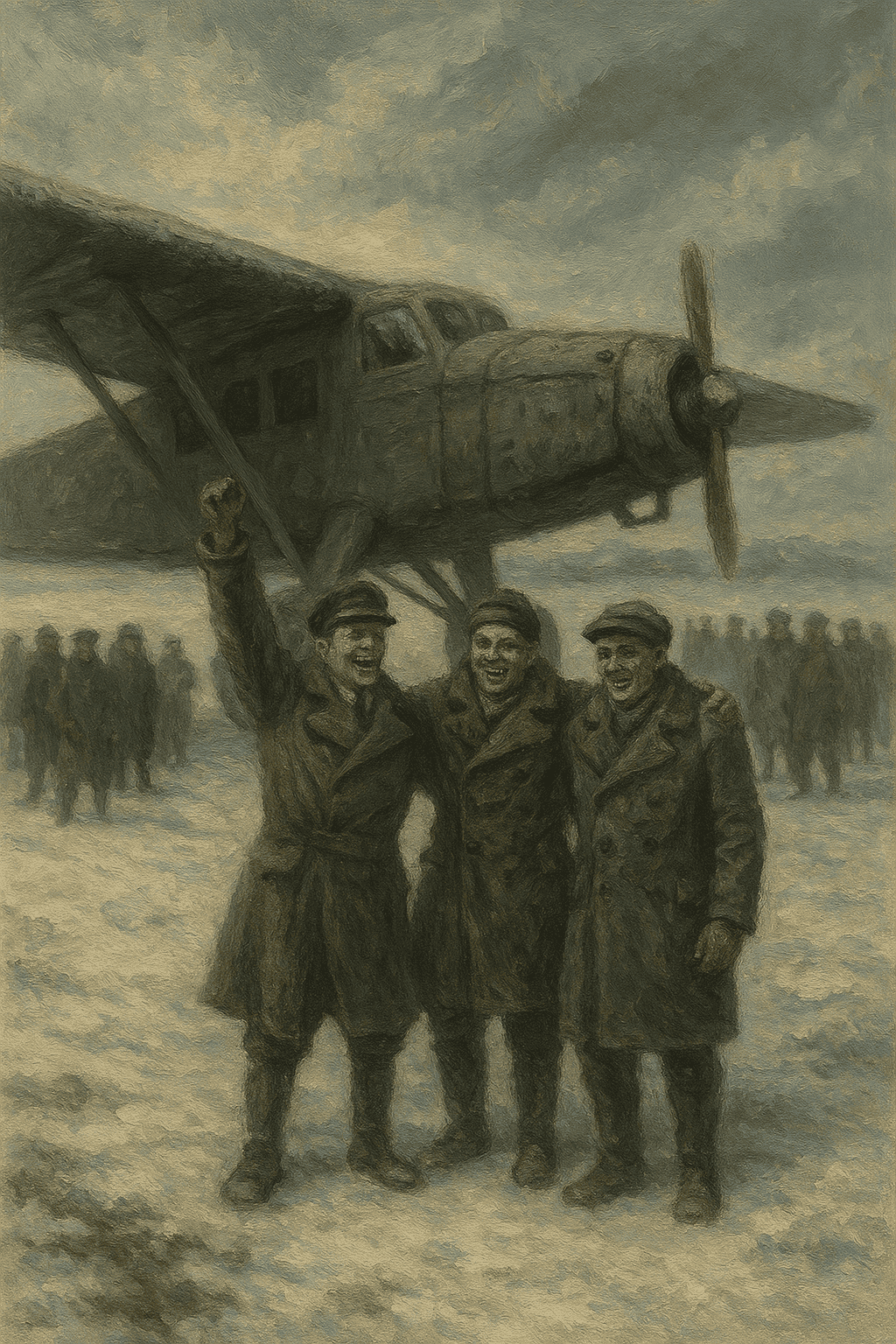
The flight of the Bremen was more than a demonstration of skill and bravery—it was a powerful statement about the potential of aviation. The Junkers W33 was among the most advanced planes of its era, and its performance helped prove that long-distance commercial air travel could become a reality. The flight's success accelerated interest and investment in the aviation industry across Europe and North America.
Before this flight, transatlantic air travel was still seen as dangerous and impractical. But the Bremen’s journey showed that it could be achieved with the right combination of engineering and courage. Aviation companies began experimenting with routes, governments considered funding airports and infrastructure, and the public’s fascination with air travel only grew. What had once seemed a fantasy was now firmly within reach.
Köhl, Fitzmaurice, and von Hünefeld became instant celebrities. They received accolades from their governments, awards from aviation societies, and hero’s welcomes in cities across Europe and North America. But perhaps their most lasting legacy was inspiring future generations of pilots, engineers, and explorers to keep pushing the boundaries of what was possible in the skies.
Legacy That Still Soars
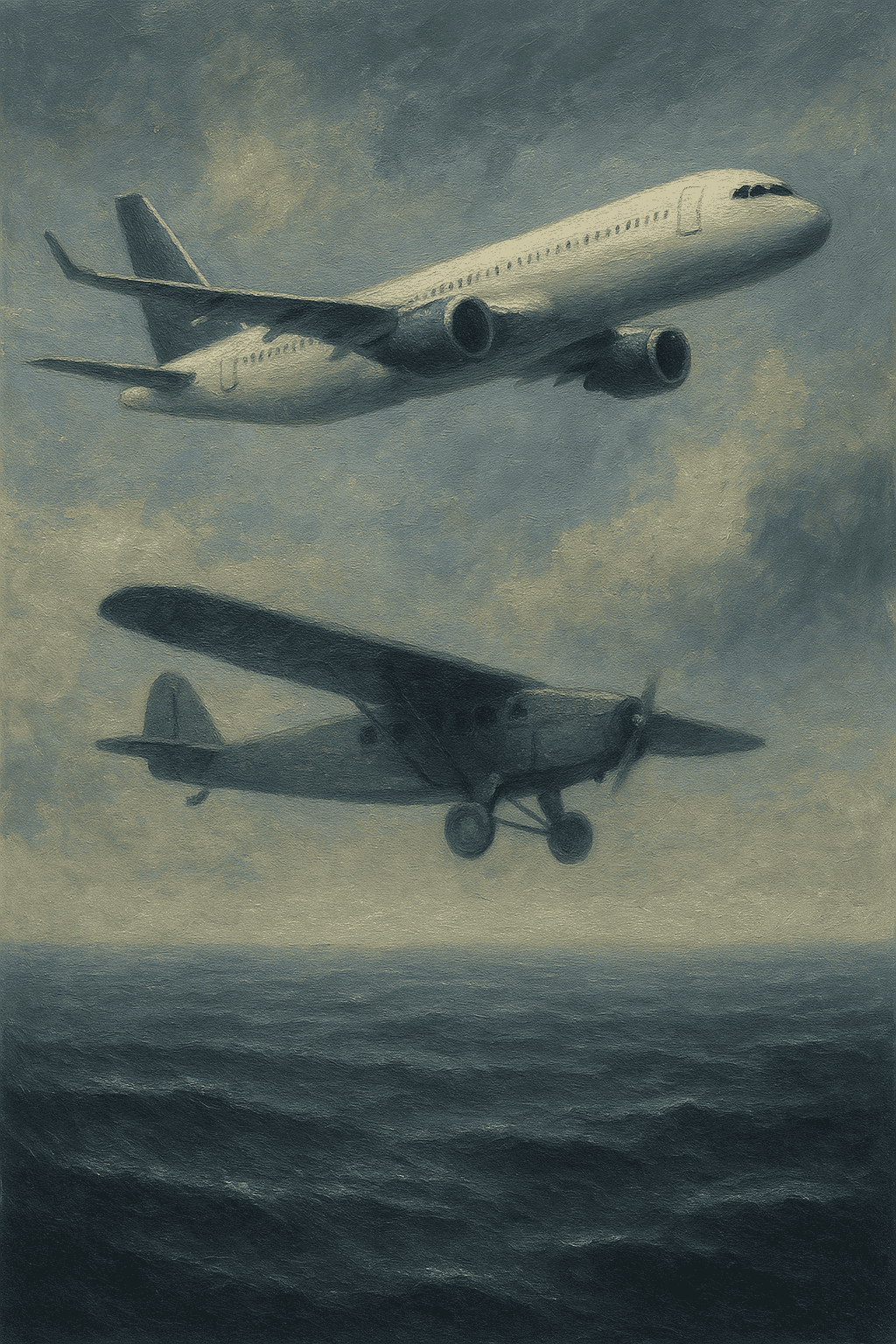
Today, thousands of flights cross the Atlantic every week in both directions. What once took over a day now takes just a few hours. Travelers think nothing of hopping between continents, but it all began with daring efforts like that of the Bremen’s crew. Their journey paved the way for modern air travel and demonstrated that persistence, innovation, and teamwork could overcome even the most daunting odds.
The Bremen itself was eventually returned to Germany and placed on display in the Deutsches Museum in Munich, where it continues to inspire visitors with its storied past. Greenly Island, the site of their unexpected landing, remains a quiet and remote place, but it holds a unique place in aviation history.
The legacy of that 1928 flight lives on not just in museums or textbooks, but in every aircraft that makes the Atlantic crossing today. What was once a thrilling first is now a daily routine—and that transformation began with three aviators, one plane, and the unshakable belief that the impossible might just be possible.