On April 10, 1941, in the midst of World War II, Croatia declared its independence from the Kingdom of Yugoslavia. This pivotal announcement was not merely a quest for sovereignty but rather a complex and controversial chapter in Balkan history—one deeply intertwined with the Axis powers' invasion of Yugoslavia. Spearheaded by the fascist Ustaše movement and backed by Nazi Germany and Fascist Italy, the creation of the Independent State of Croatia (NDH) represented both a dramatic break from the past and the start of a dark, tumultuous era.
The Rise of the Ustaše and Axis Intervention
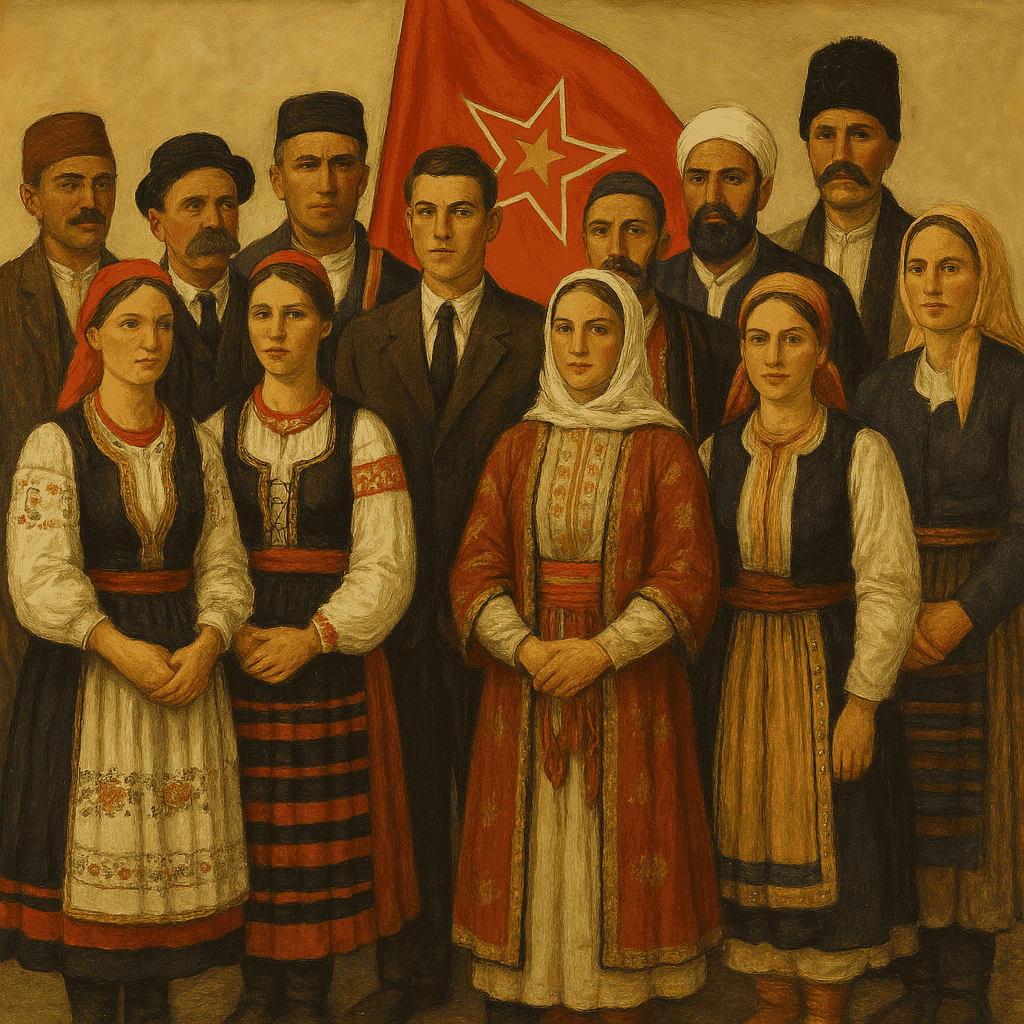
The declaration of independence was made possible largely due to the military collapse of Yugoslavia under the onslaught of Axis forces. Seizing the moment, the Ustaše, a far-right ultranationalist organization led by Ante Pavelić, swiftly aligned themselves with Hitler and Mussolini. With their support, the puppet state known as the NDH was established, encompassing much of modern-day Croatia, Bosnia, and Herzegovina. While this new state claimed sovereignty, it functioned more as a client regime of the Axis powers than a truly independent nation.
The Ustaše government quickly embarked on a campaign of brutal repression and genocide, targeting Serbs, Jews, Roma, and political dissidents in its effort to create an ethnically "pure" Croatian state. These atrocities would leave deep scars on the region and sow the seeds for future ethnic tensions and conflicts. The Ustaše’s actions delegitimized the independence movement in the eyes of many Croats and intensified resistance among various ethnic and political groups.
Wartime Legacies and Post-War Repression
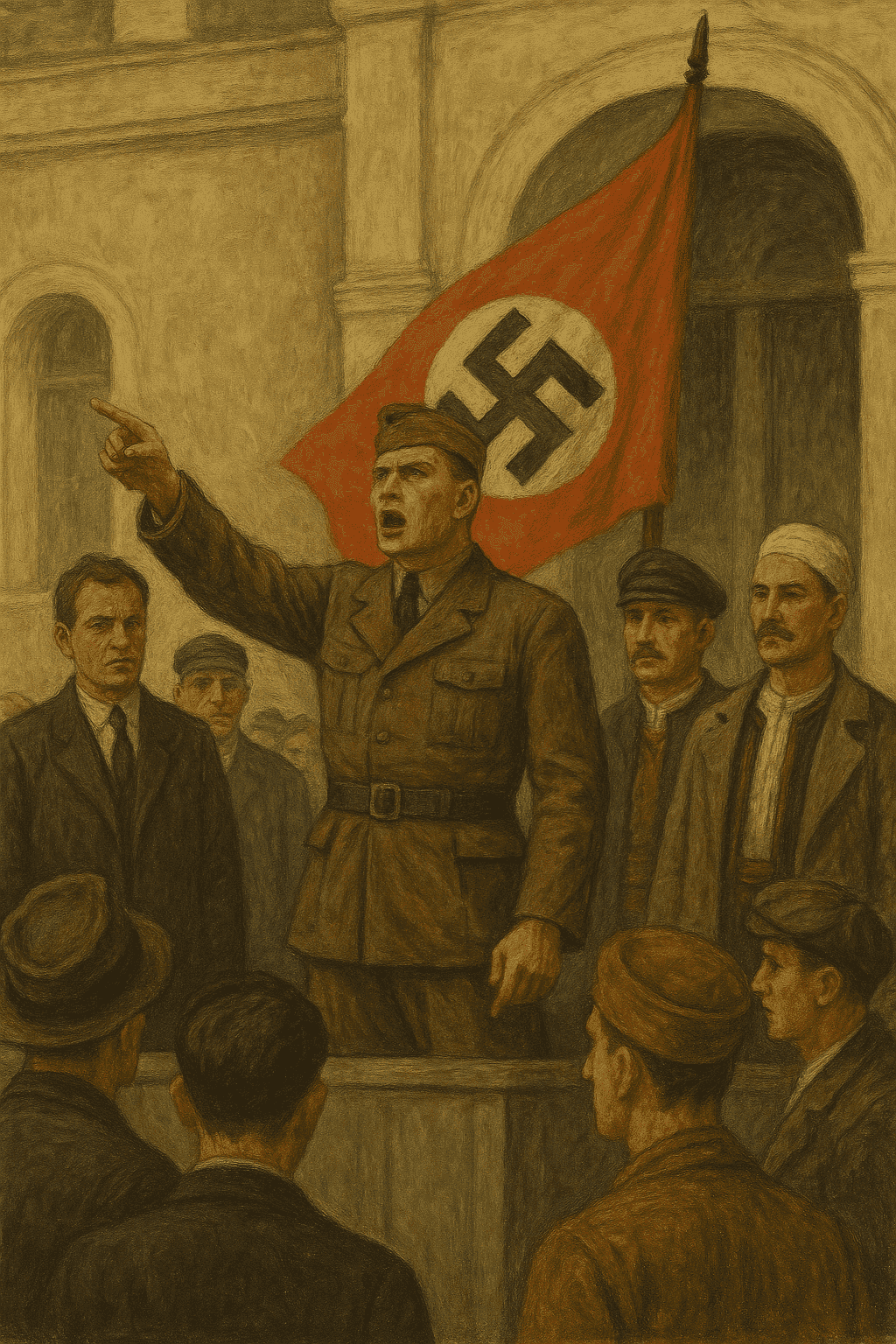
The fall of the NDH in 1945 marked the end of the short-lived wartime Croatian state. In its place, the Socialist Federal Republic of Yugoslavia emerged under Josip Broz Tito, bringing Croatia back into a multi-ethnic federation. The brutalities of the Ustaše regime, however, were neither forgotten nor forgiven. Post-war Yugoslavia enforced strict repression of nationalist sentiments, and any discussion of Croatian independence was heavily censored.
Despite these constraints, a sense of Croatian identity endured, often simmering beneath the surface of Yugoslav unity. Cultural expressions, regional pride, and historical memory of 1941's declaration continued to shape the collective consciousness. The NDH remained a highly controversial symbol—reviled for its fascist collaboration but remembered by some as an early, albeit flawed, step toward Croatian self-determination.
Echoes in Modern Croatia
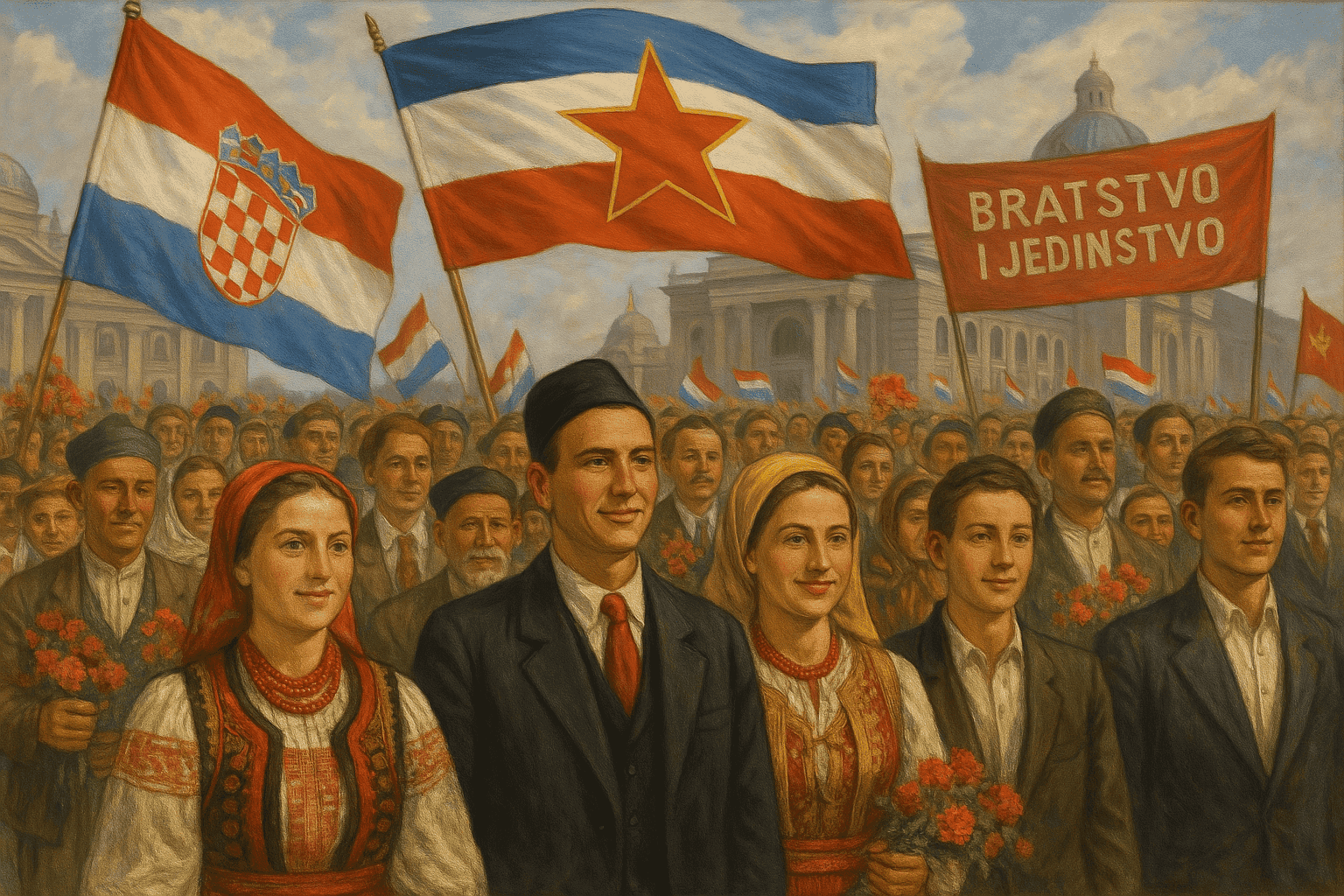
The legacy of Croatia’s 1941 declaration is still debated in the country today. While modern Croatia, which declared its independence from Yugoslavia in 1991, does not celebrate the 1941 event officially due to its ties with fascism and genocide, it nonetheless stands as a critical point in understanding the long and painful road to national sovereignty. Contemporary Croatian politics and society continue to wrestle with the memory of the NDH, balancing national pride with a commitment to confronting historical truth.
Today’s democratic Republic of Croatia, a member of the European Union and NATO, owes its existence to a complex tapestry of events—including the grim chapter that began on April 10, 1941. The story of that day is a reminder that the journey to independence can be fraught with peril, shaped by both noble aspirations and tragic missteps. Understanding this moment is essential to grasping the broader history of the Balkans and the persistent struggles over identity, sovereignty, and memory.