On June 7, 1913, an expedition led by Episcopal archdeacon Hudson Stuck and guide Harry Karstens reached the summit of Denali, then known as Mount McKinley, achieving the first confirmed ascent of the tallest mountain in North America. Rising 20,310 feet above sea level, Denali's remote location and brutal weather made it one of the most formidable peaks on the planet. The successful climb marked a milestone in the history of mountaineering and exploration, symbolizing human endurance and the relentless pursuit of discovery.
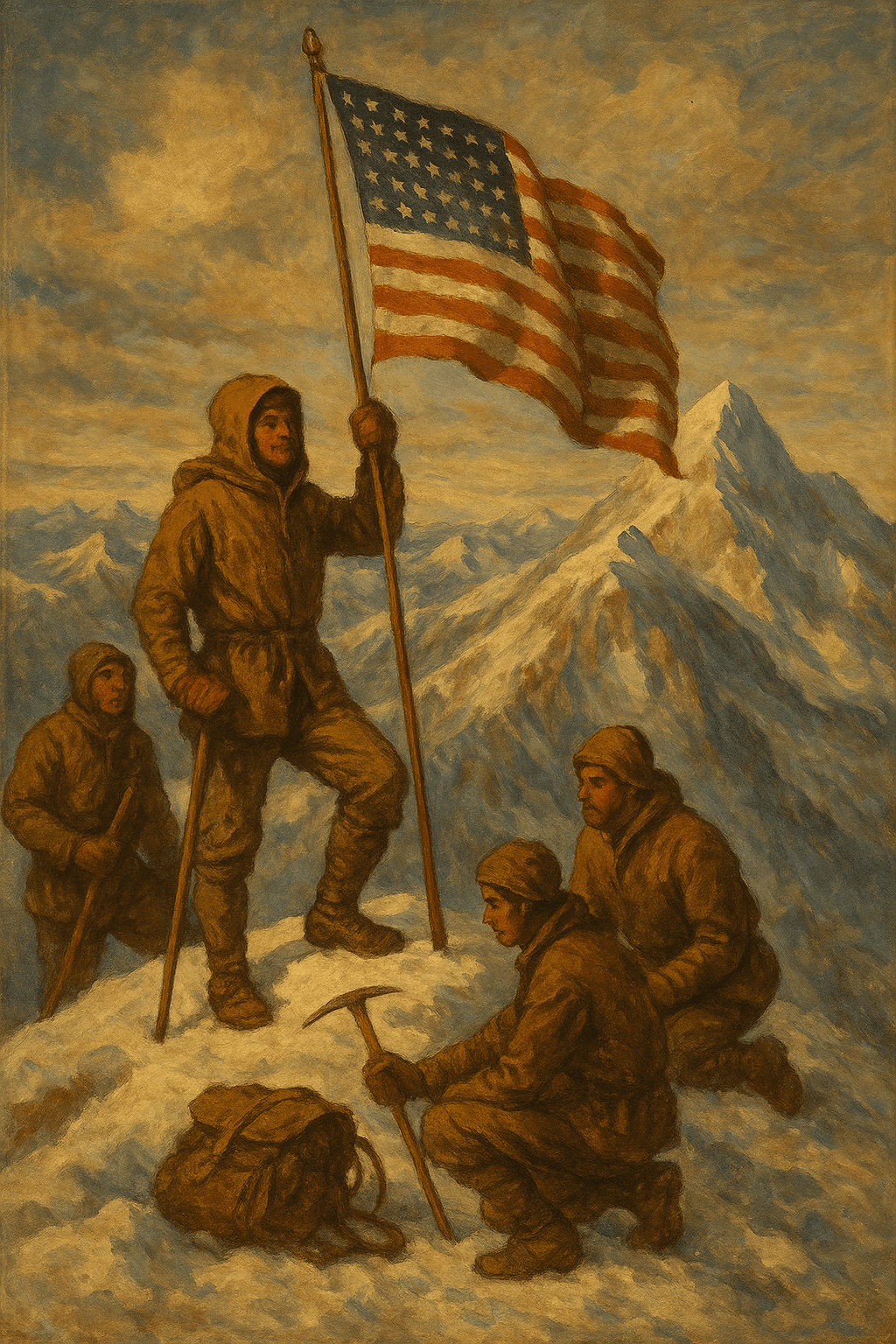
A Team of Determined Explorers
The historic team included Hudson Stuck, Harry Karstens, Walter Harper, and Robert Tatum, along with a small support group. Harper, a 21-year-old Alaska Native of Athabascan descent, was the first to set foot on the summit. His achievement stands as a proud moment in Indigenous and mountaineering history.
Setting out from Nenana, Alaska, in March 1913, the expedition faced weeks of grueling travel just to reach the base of the mountain. Their journey involved dog sleds, treacherous river crossings, and deep snowfields before the team even began their ascent. Climbing Denali required overcoming extreme cold, high winds, crevasses, and altitude sickness—challenges that had defeated previous attempts by other explorers.
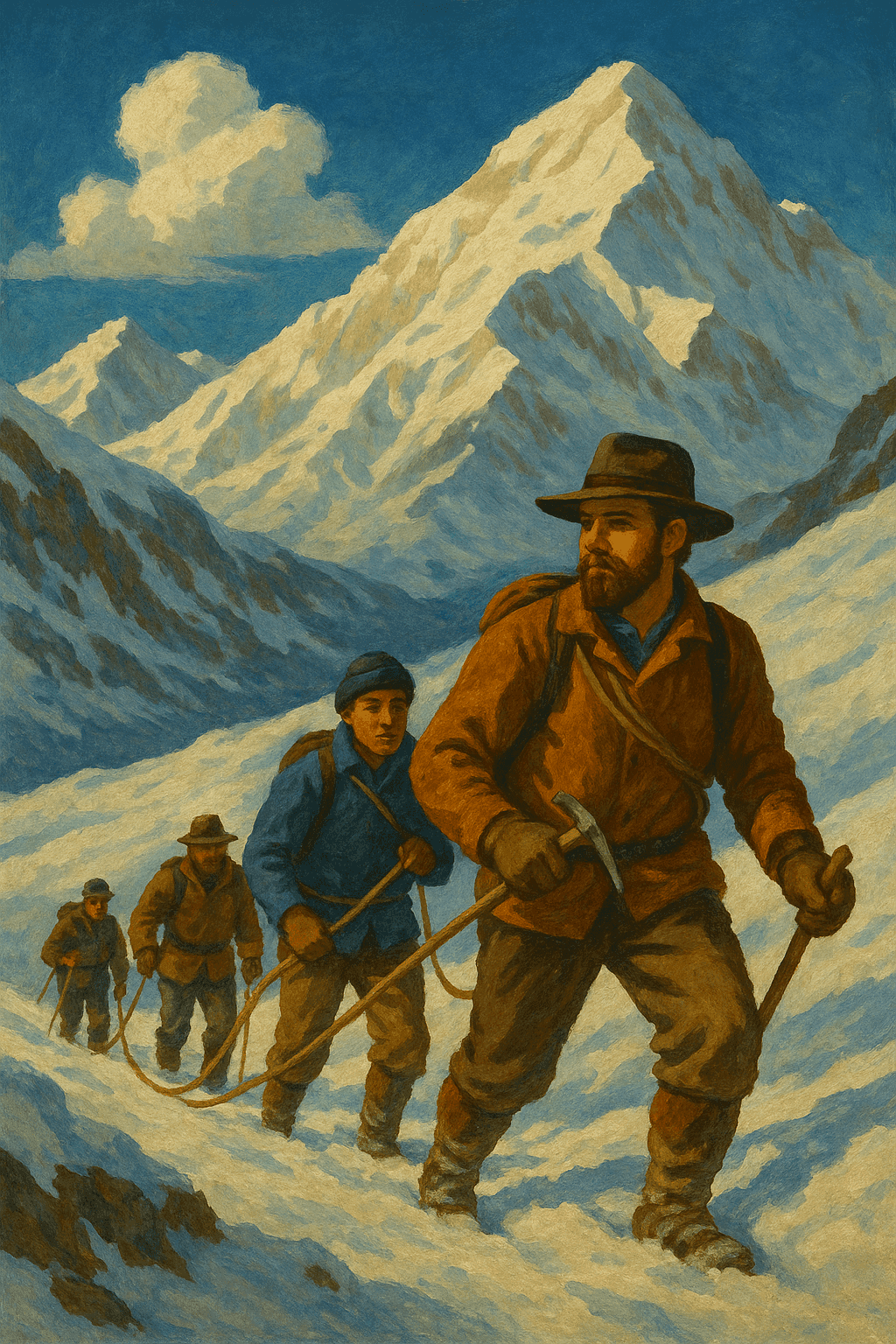
Triumph at the Summit
After months of preparation and hardship, the team reached the summit of Denali's South Peak—the true high point—on June 7. The climbers planted a flag and conducted scientific observations, including barometric readings and photographs, to document their success. Their ascent was methodical and cautious, with an emphasis on teamwork and safety, setting a precedent for future high-altitude expeditions.
The climb was not only a physical triumph but also a logistical and moral victory. Hudson Stuck viewed the ascent not just as an athletic endeavor, but as a mission of education, science, and spirituality.
A Legacy of Exploration and Respect
Denali, located in what is now Denali National Park and Preserve, is known for its massive vertical relief and severe weather, making it one of the most challenging climbs in the world. The 1913 expedition was groundbreaking in its demonstration of careful planning, cultural cooperation, and respect for the environment. Walter Harper’s role also brought overdue attention to the contributions of Native peoples in Alaskan exploration.
The mountain was officially known as Mount McKinley until 2015, when the U.S. government restored its original Indigenous name, Denali, meaning "The High One" in the Koyukon Athabascan language—a decision that honored the mountain’s cultural significance to Alaska Native communities.
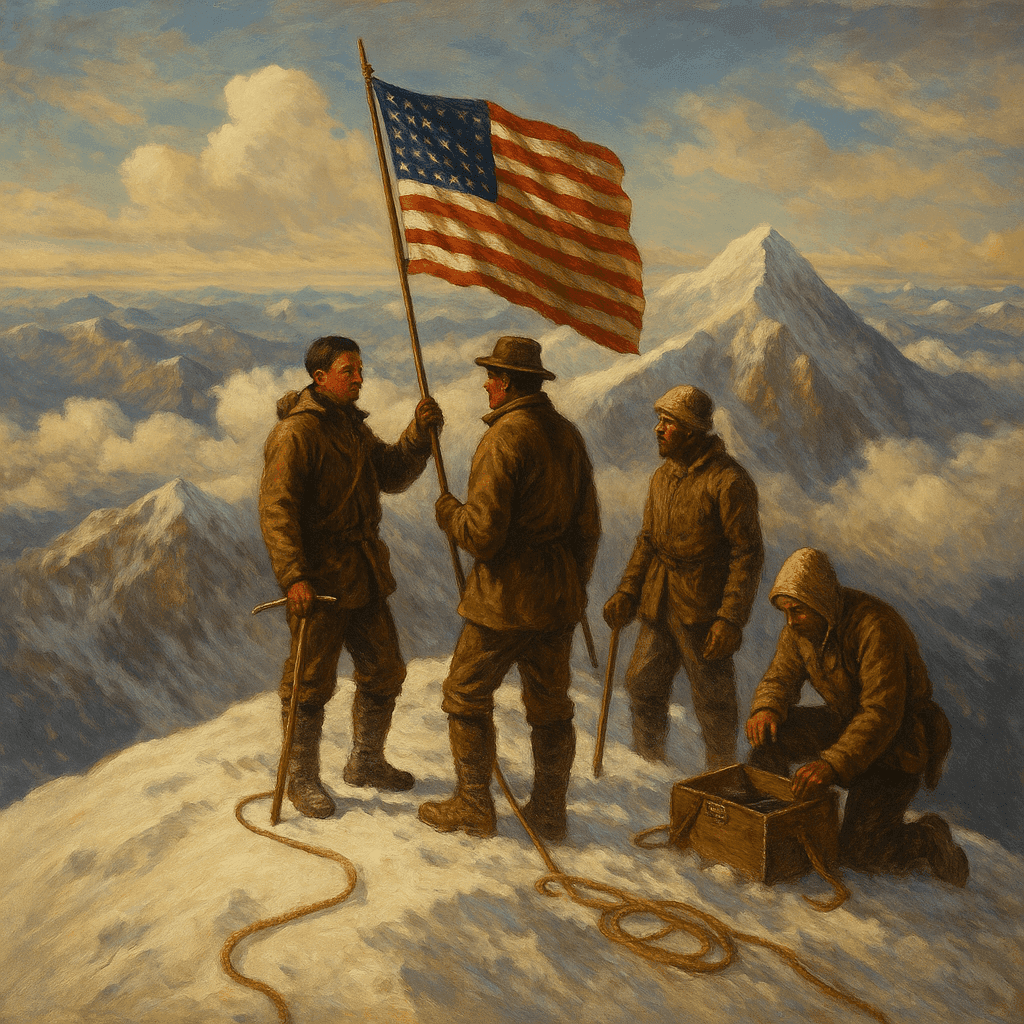
Remembering the Ascent
The first ascent of Denali on June 7, 1913, remains a defining moment in North American exploration. It exemplifies the spirit of adventure and the capacity of ordinary individuals to achieve extraordinary things in the face of nature’s most formidable challenges. More than a century later, Denali continues to inspire climbers, scientists, and lovers of the wilderness who look to its towering summit as a symbol of perseverance, unity, and the enduring call of the wild.