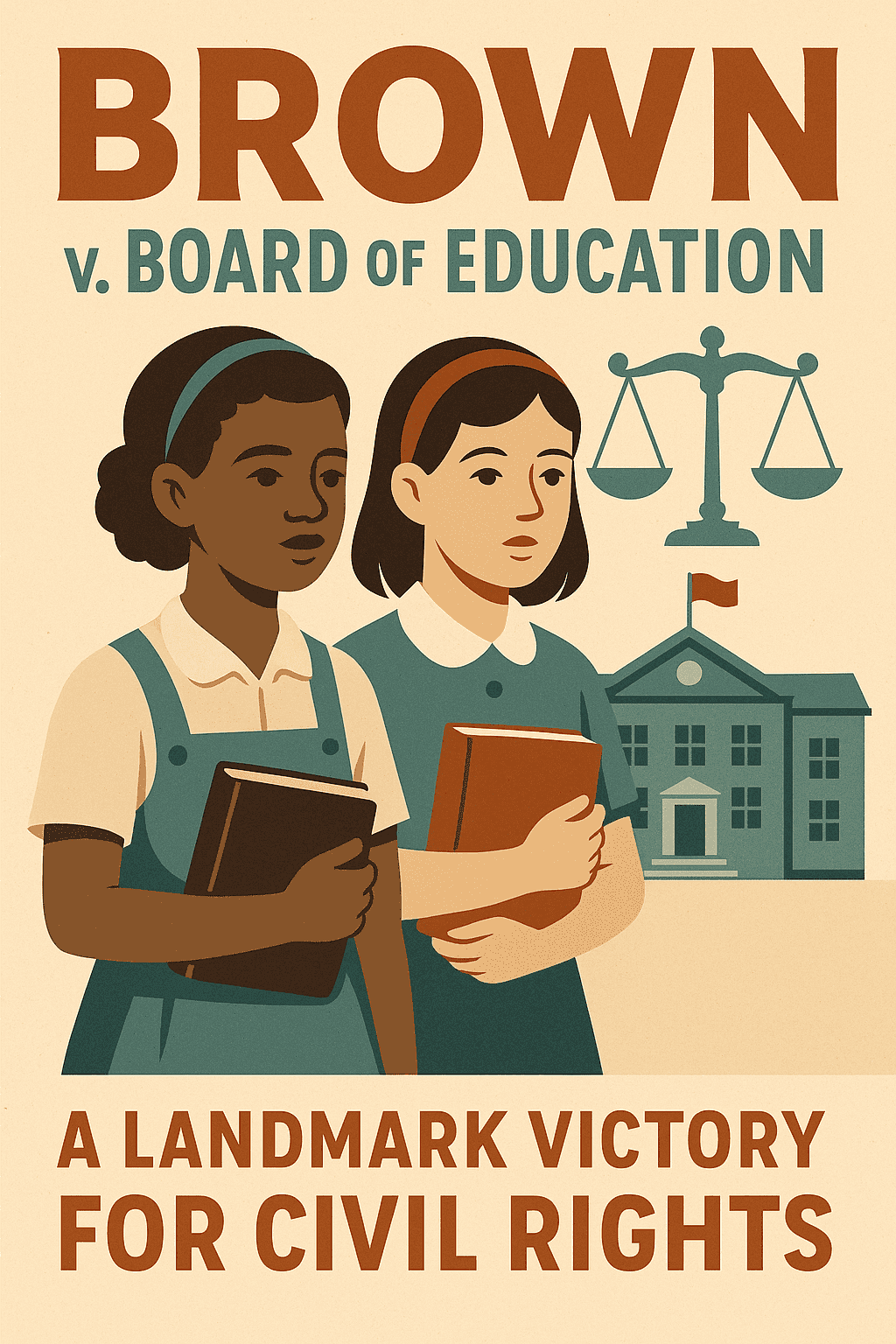
On May 17, 1954, the United States Supreme Court issued a unanimous and transformative decision in Brown v. Board of Education of Topeka, declaring that racial segregation in public schools was unconstitutional. This historic ruling overturned the 1896 precedent set by Plessy v. Ferguson, which had upheld the principle of “separate but equal.” The Brown decision not only reshaped the American educational system but also served as a catalyst for the broader civil rights movement, challenging the legal foundations of racial segregation across the nation.
A Case That Changed the Course of Justice
Brown v. Board of Education was a consolidation of five cases brought by African American families across the country, all seeking the same fundamental right: equal access to quality education for their children. At the center of the lead case was Oliver Brown, a parent in Topeka, Kansas, who challenged the school board's policy of racially segregated elementary schools.
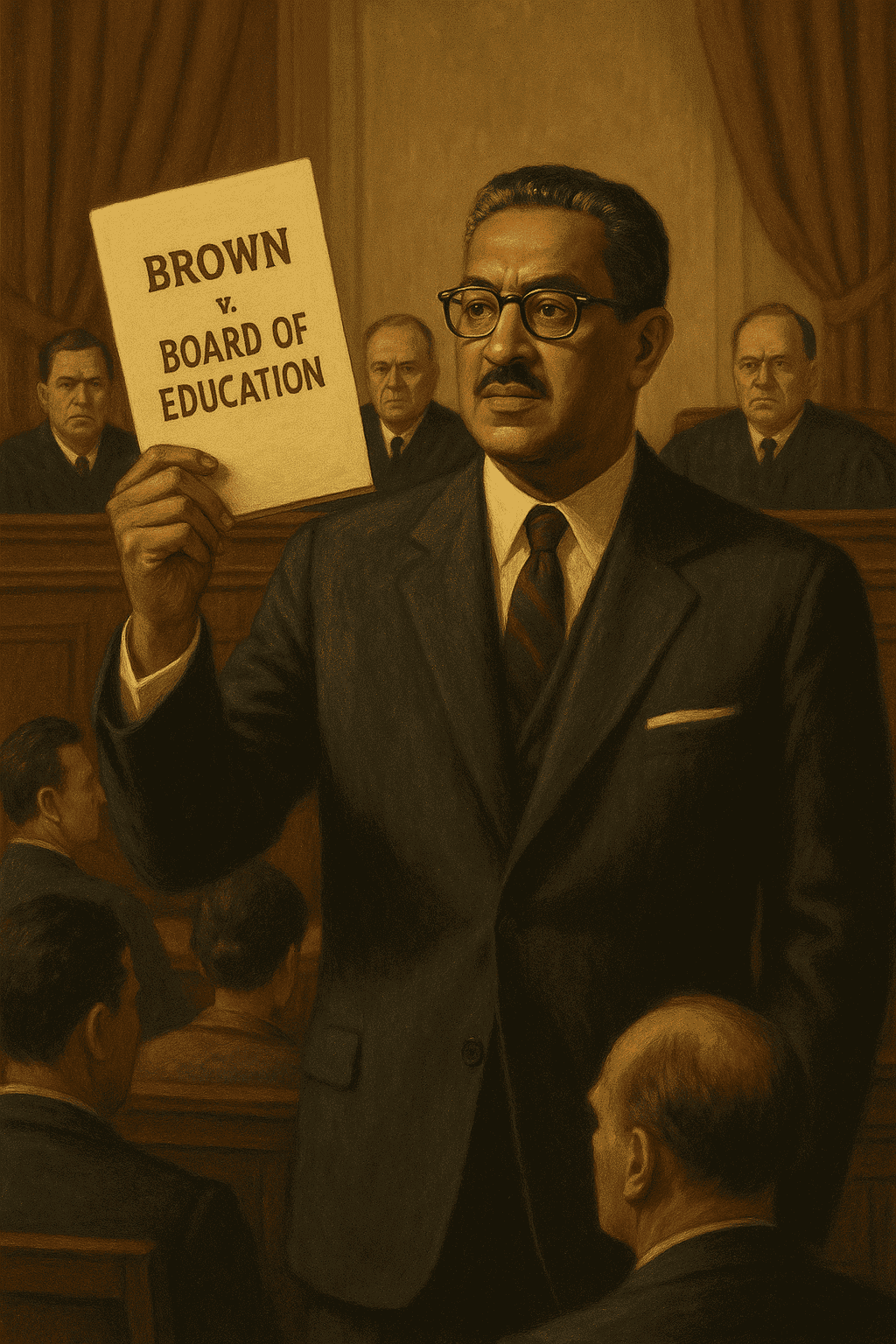
The legal team, led by Thurgood Marshall of the NAACP Legal Defense Fund (who would later become the first Black Supreme Court justice), argued that segregation inherently harmed Black children and denied them equal protection under the 14th Amendment. Chief Justice Earl Warren, writing for the unanimous Court, agreed—stating that “separate educational facilities are inherently unequal.”
Immediate Impact and Resistance
Though the Brown decision was a monumental legal victory, its implementation faced immediate resistance, especially in the South. The Court’s follow-up ruling in 1955, often referred to as Brown II, ordered desegregation to proceed “with all deliberate speed,” a vague directive that allowed many districts to delay meaningful integration for years.
Nevertheless, the ruling emboldened civil rights activists and laid the groundwork for future legal and legislative advances, including the Civil Rights Act of 1964 and the Voting Rights Act of 1965. It inspired landmark protests, including the Montgomery Bus Boycott and the Little Rock Nine’s integration of Central High School in Arkansas.
A Legacy of Equality and Ongoing Struggle
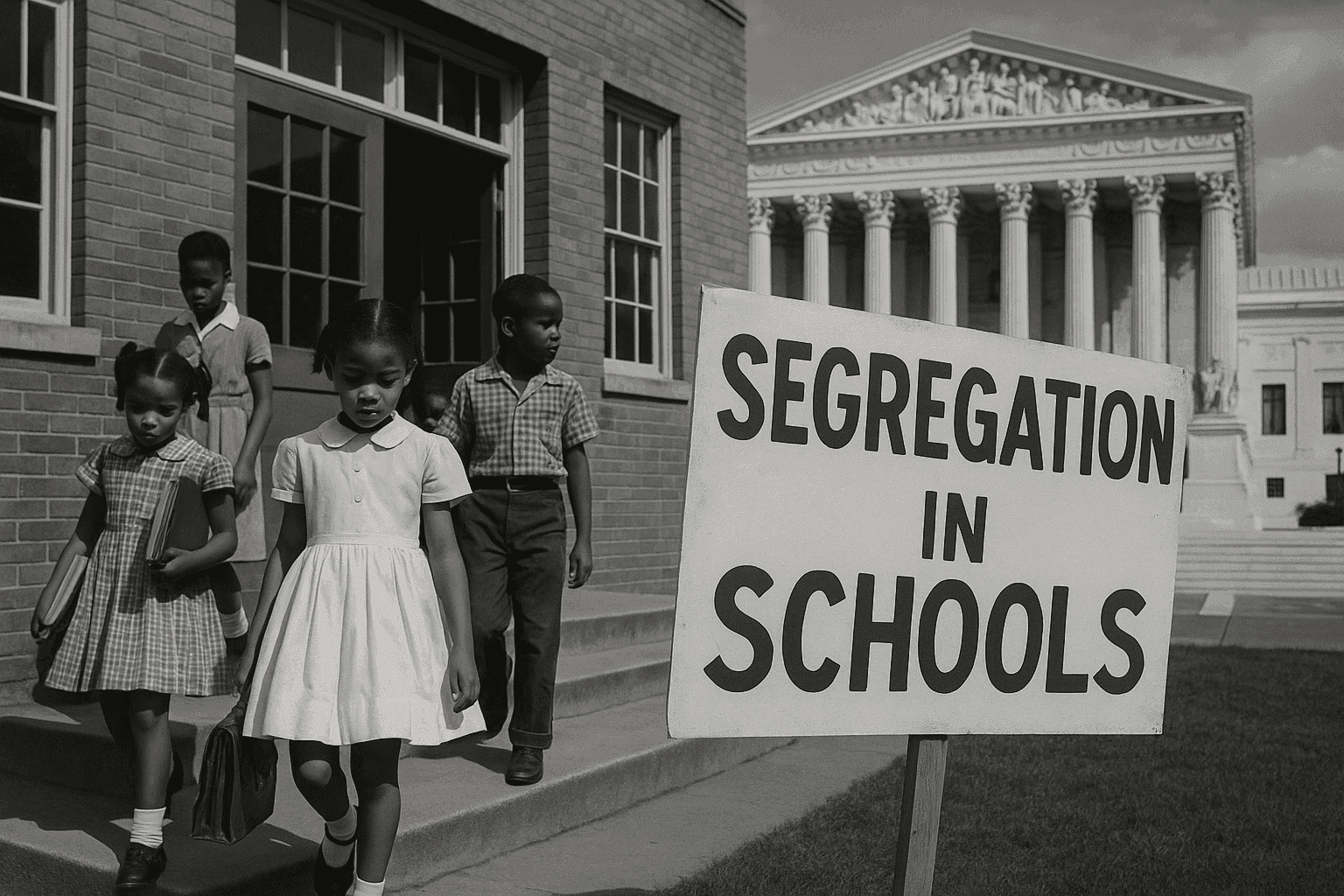
The Brown decision remains one of the most significant Supreme Court rulings in U.S. history. It marked a definitive break from institutionalized racial segregation and affirmed the federal government’s role in upholding civil rights. It also signaled to African Americans and their allies that the highest court in the land could be an instrument for justice.
Yet, even decades later, the dream of truly equal education remains incomplete. De facto segregation, disparities in school funding, and unequal access to resources continue to plague many communities. The spirit of Brown, however, lives on in ongoing efforts to make education a true equalizer in American society.
On May 17, 1954, the Supreme Court gave voice to a simple but powerful truth: separate is not equal. That declaration forever altered the trajectory of the nation’s struggle for justice and remains a cornerstone of the enduring fight for civil rights in America.