On June 10, 1692, Bridget Bishop became the first person executed during the infamous Salem witch trials, hanged at what would later be known as Gallows Hill in Salem, Massachusetts. Her death marked the grim beginning of one of the darkest chapters in colonial American history—a period of religious fervor, fear, and judicial failure that would result in the execution of 20 individuals and the imprisonment of many more, all accused of practicing witchcraft.
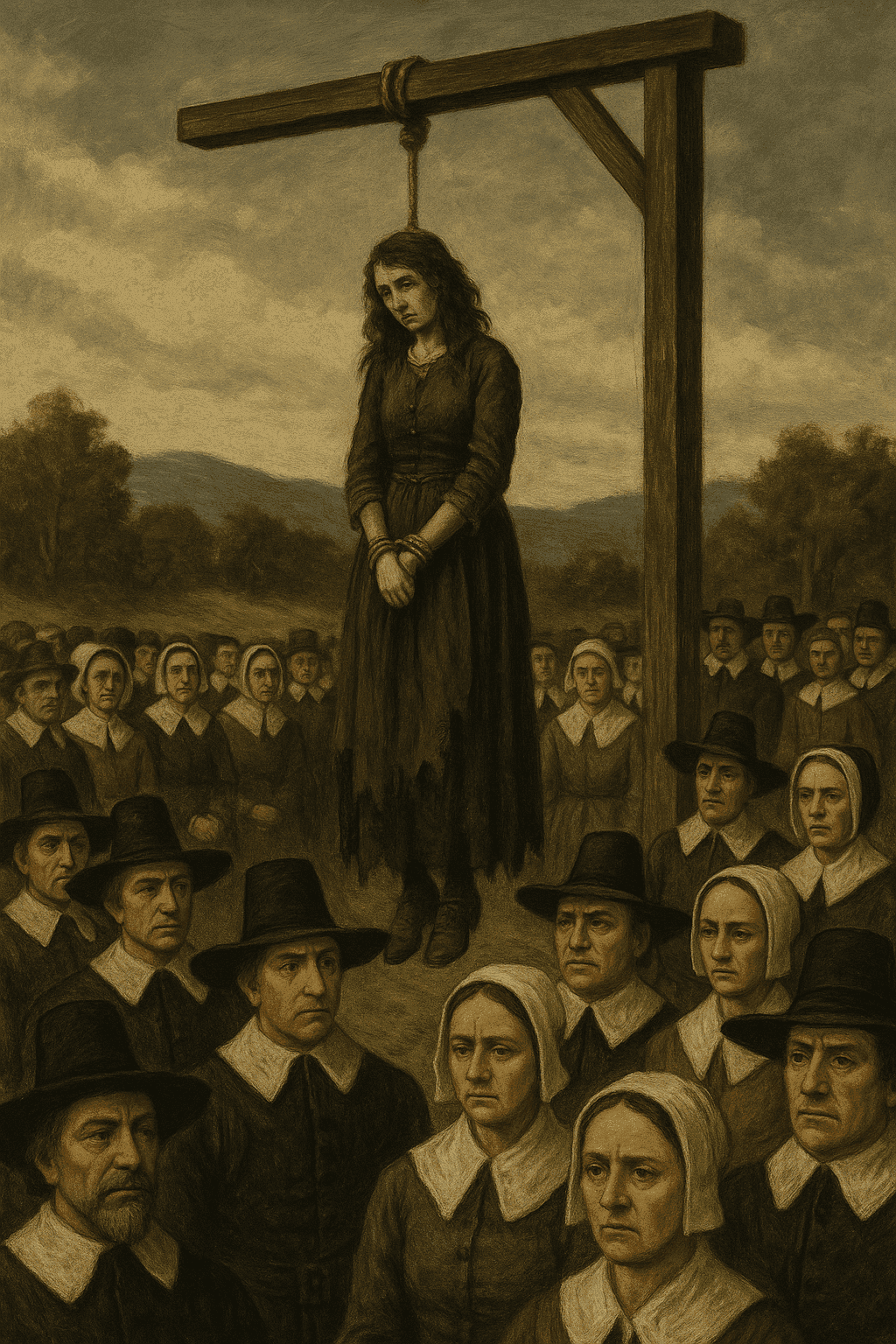
A Targeted Woman in a Time of Fear
Bridget Bishop was a tavern owner and known for her outspoken manner, colorful attire, and nonconforming lifestyle—traits that made her a target in the deeply Puritan, patriarchal society of 17th-century New England. She had been accused of witchcraft years earlier but was acquitted. In 1692, as panic over alleged satanic activity swept through Salem Village, she was among the first to be re-accused.
Her trial, like others that would follow, was marked by spectral evidence—testimony that the accused's spirit or "specter" had afflicted the accuser. Despite the lack of physical proof, she was swiftly convicted and sentenced to death.
The Start of a Tragic Chain Reaction
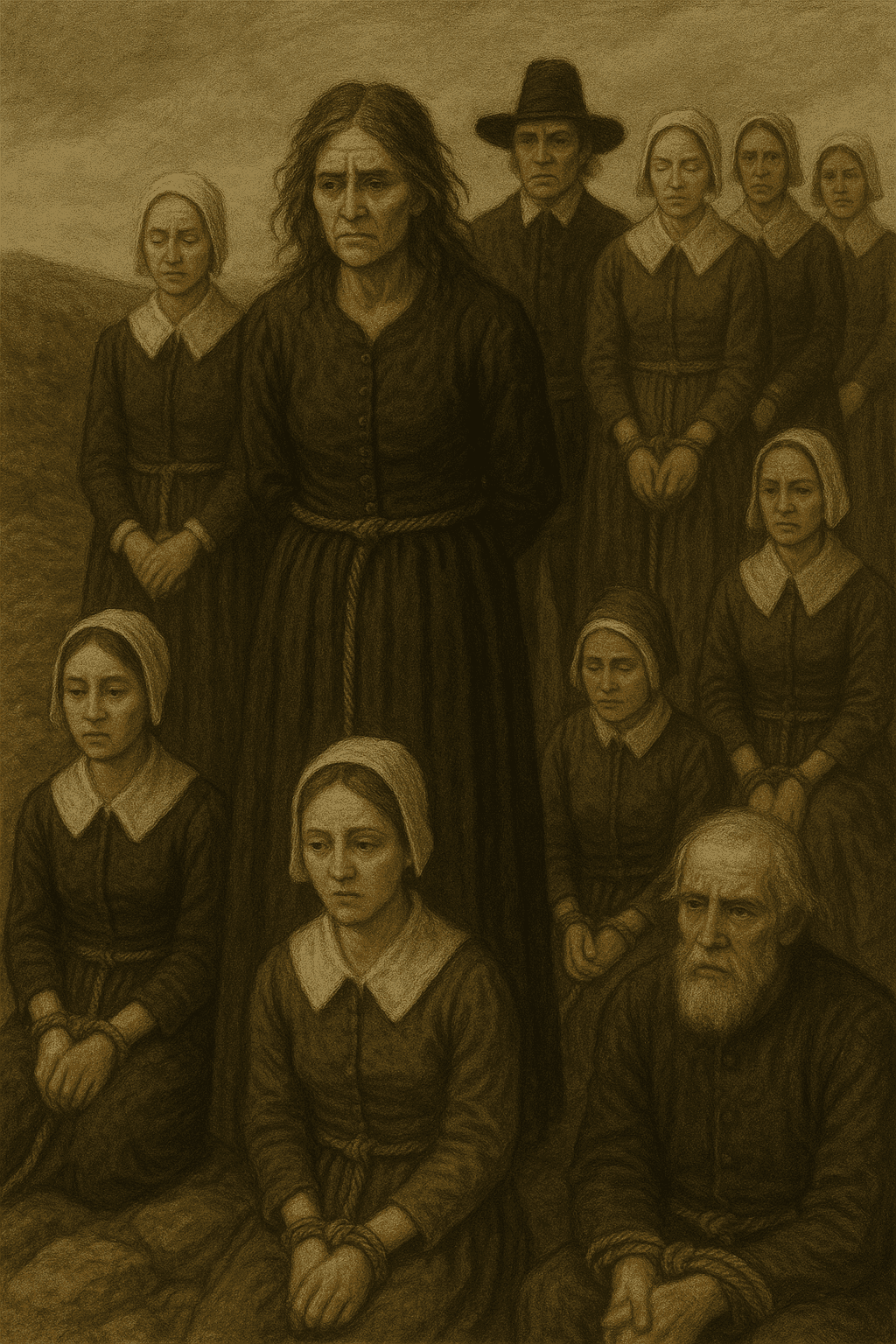
Bishop’s execution set a precedent that accelerated the trials. Over the next several months, 19 more people were hanged, and one man, Giles Corey, was pressed to death for refusing to enter a plea. Dozens were jailed under brutal conditions. The hysteria was driven by a mix of religious extremism, local rivalries, personal vendettas, and widespread fear of the devil's influence.
Judges accepted dubious evidence, including dreams and visions, and the accused were often denied proper defense. The colonial government initially supported the trials, but growing skepticism and public outcry eventually halted the proceedings.
A Legacy of Warning
By early 1693, the frenzy had subsided, and many remaining prisoners were released. In the years that followed, leaders of the colony expressed regret and offered compensation to the victims' families. The Salem witch trials became emblematic of the dangers posed by mass hysteria, religious intolerance, and failures in due process.
Bridget Bishop’s fate, as the first to die, symbolizes how quickly fear can override justice, and how individuals who deviate from societal norms often bear the brunt of collective paranoia.
Remembering June 10, 1692
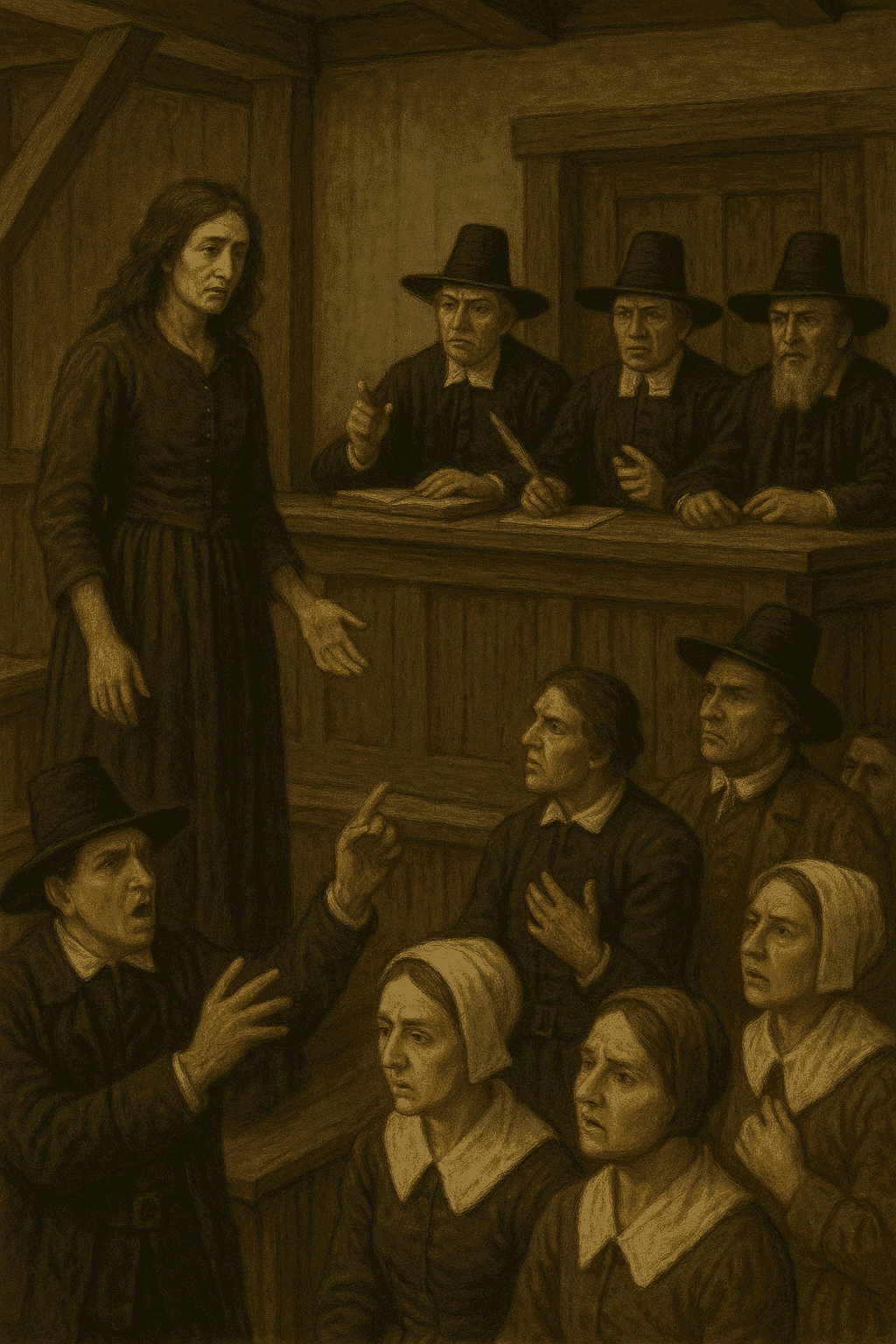
The execution of Bridget Bishop on June 10 remains a powerful historical reminder. Her death did not prove guilt but exposed the consequences of unchecked suspicion and the human cost of scapegoating in times of uncertainty. Today, the Salem witch trials are widely studied and memorialized as a cautionary tale—one that underscores the importance of critical thinking, fair legal practices, and the courage to resist fear-driven injustice.