On June 1, 1980, the Cable News Network (CNN) flipped the switch on a bold experiment: a television channel devoted entirely to news, airing around the clock. Founded by media entrepreneur Ted Turner, CNN introduced a revolutionary concept—delivering global news 24 hours a day, seven days a week. This move would redefine journalism, challenge established networks, and transform how audiences engage with world events.
A New Era in Journalism
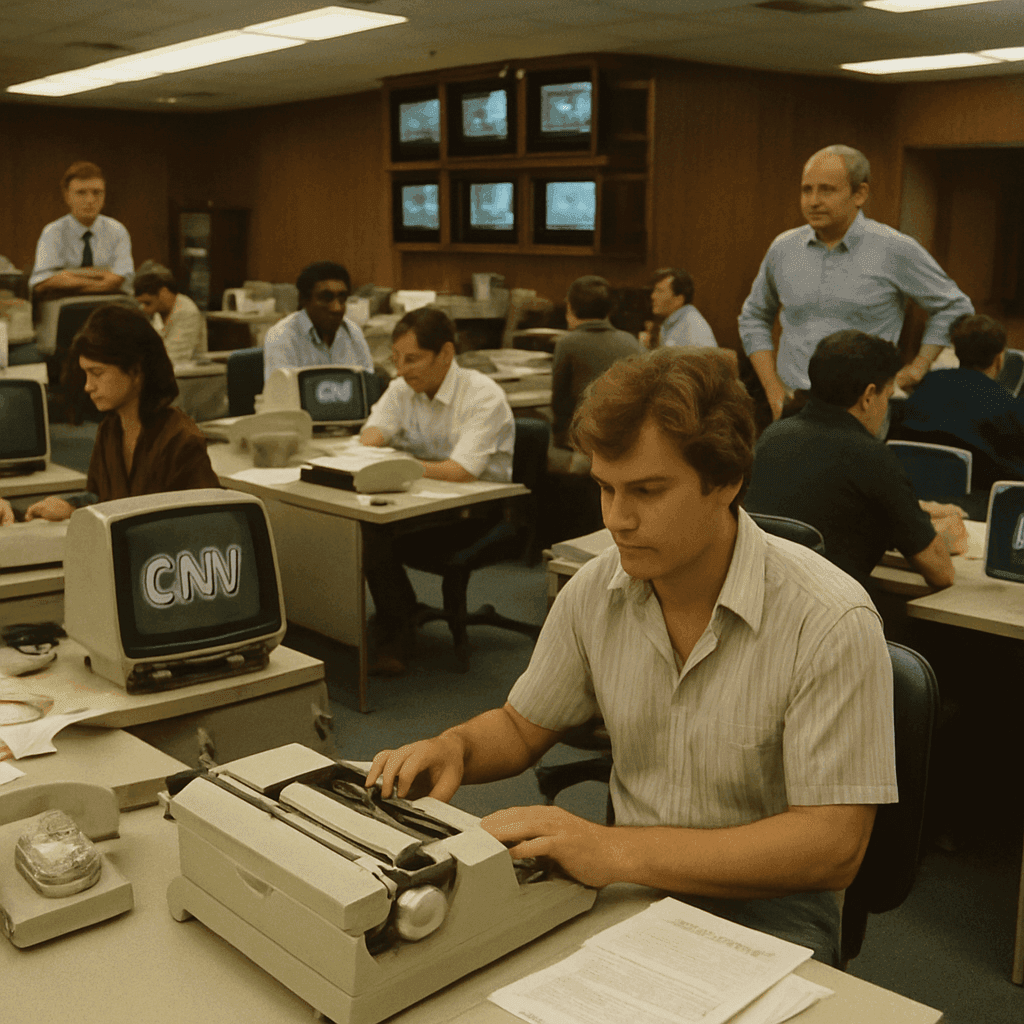
Prior to CNN’s debut, Americans relied on daily newspapers and tightly scheduled evening news broadcasts from major networks like ABC, NBC, and CBS. News came in curated segments, often long after events occurred. CNN shattered that paradigm by offering live, continuous coverage. Its launch ushered in an era where breaking news could be reported in real time, altering expectations for immediacy and depth in reporting.
CNN’s early operations were modest, with a skeleton crew and limited technological resources. Yet, its mission was clear: to provide timely, factual reporting to a global audience. From its Atlanta headquarters, CNN began building a new kind of news culture, one that emphasized speed, access, and around-the-clock availability—hallmarks of modern media today.
Defining Moments on the Global Stage

CNN’s 24-hour format proved its worth during major world events. Coverage of the Gulf War in 1991 marked a defining moment: viewers watched live night-vision footage of bombs falling on Baghdad, reported in real time by CNN correspondents. This kind of immediacy was unprecedented and firmly established the network’s global reputation.
Beyond wars, CNN became the go-to channel for disasters, political developments, and human-interest stories. The Challenger disaster, Tiananmen Square protests, and 9/11 attacks were all covered with the urgency and breadth only a nonstop network could provide. CNN didn’t just report news—it transported audiences to the scene, shaping global understanding.
The Legacy and Impact of CNN
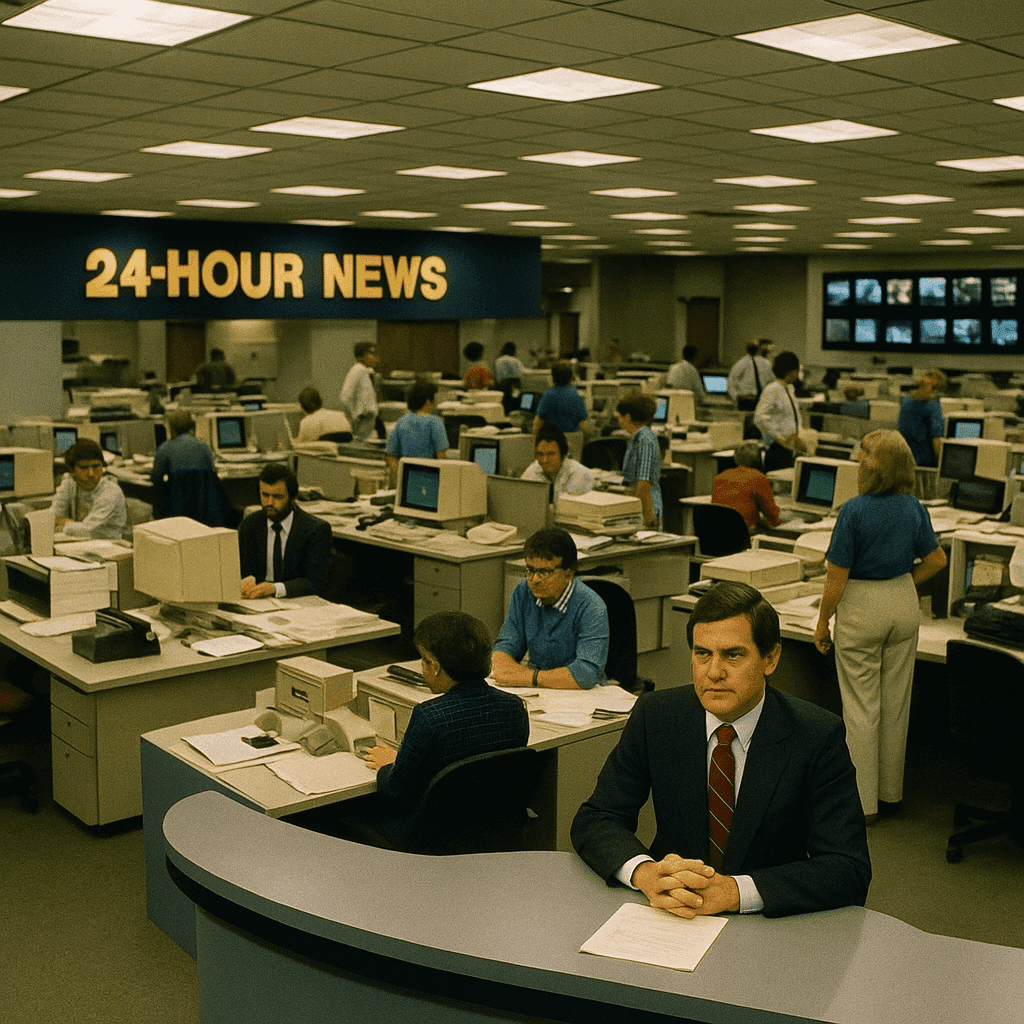
CNN’s success spawned a wave of imitators, and soon, 24-hour news became the industry standard. The network not only changed broadcast journalism but also influenced public opinion and policymaking by providing constant exposure to unfolding events. In doing so, it blurred the line between viewer and participant in global affairs.
Today, CNN faces competition from both traditional outlets and digital platforms, yet its influence endures. The network helped define the visual language and expectations of modern news, proving that access to information—anytime, anywhere—could be more than a novelty. CNN’s model paved the way for today’s multimedia journalism landscape.