Norma Jeane Mortenson, who would become known to the world as Marilyn Monroe, was born on June 1, 1926, in Los Angeles, California. Rising from a troubled childhood and humble beginnings, Monroe became the ultimate icon of mid-20th-century American cinema. Her image, voice, and vulnerability etched her into global memory—not just as a sex symbol but as a tragic figure whose story has been revisited and reinterpreted for decades. Her life and legacy remain as luminous and complex as her on-screen presence.
From Norma Jeane to Stardom
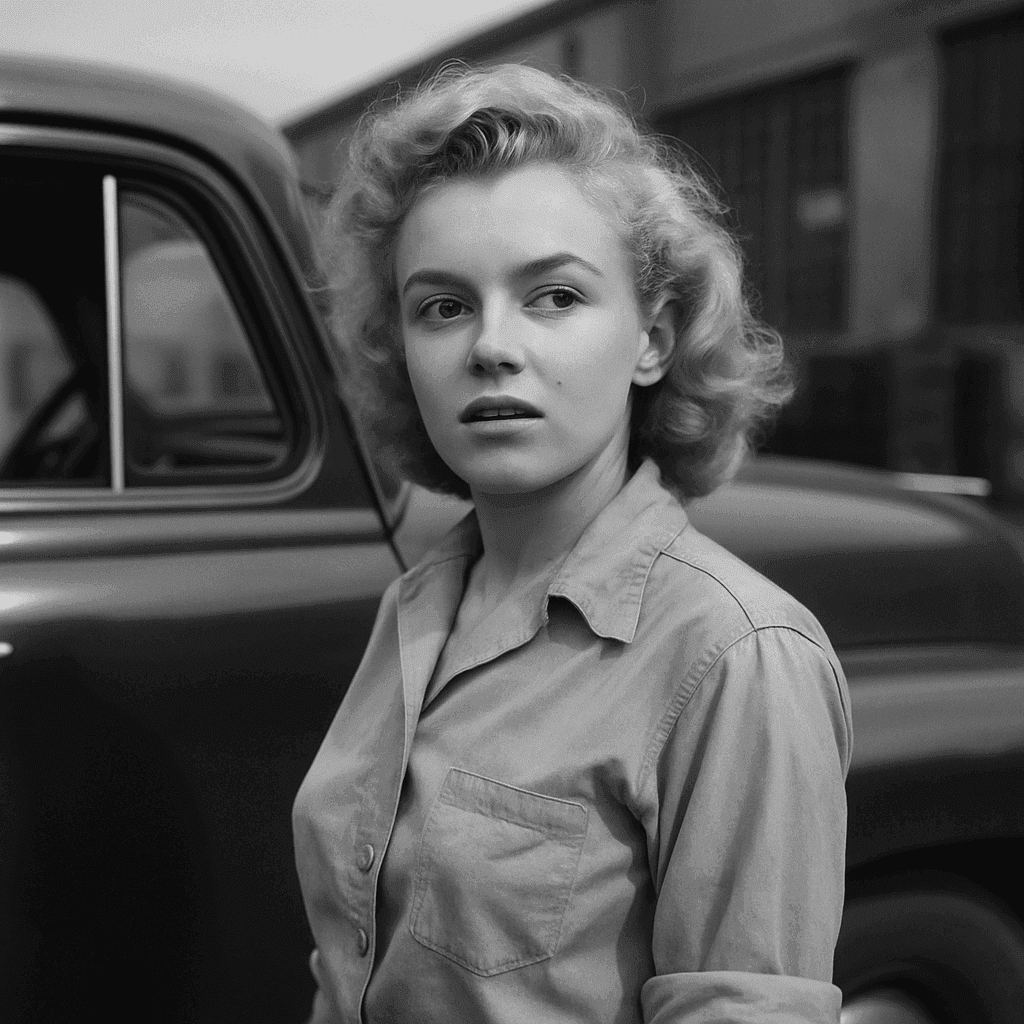
Marilyn Monroe’s early life was marked by instability. She spent much of her childhood in foster care, with her mother suffering from mental illness. She married at sixteen and soon began working in a factory, where a photographer discovered her. That moment marked the beginning of her transformation into a model and eventually into a film actress. By the late 1940s, she had changed her name and signed a contract with 20th Century Fox, slowly working her way up from bit parts to leading roles.
Monroe's breakthrough came in the early 1950s with films like Niagara, Gentlemen Prefer Blondes, and How to Marry a Millionaire. Her unique blend of innocence and seduction captivated audiences and studios alike. Monroe became one of the most bankable stars in Hollywood, embodying the fantasy of American glamour even as she struggled to assert herself in a male-dominated industry.
Icon of the Silver Screen
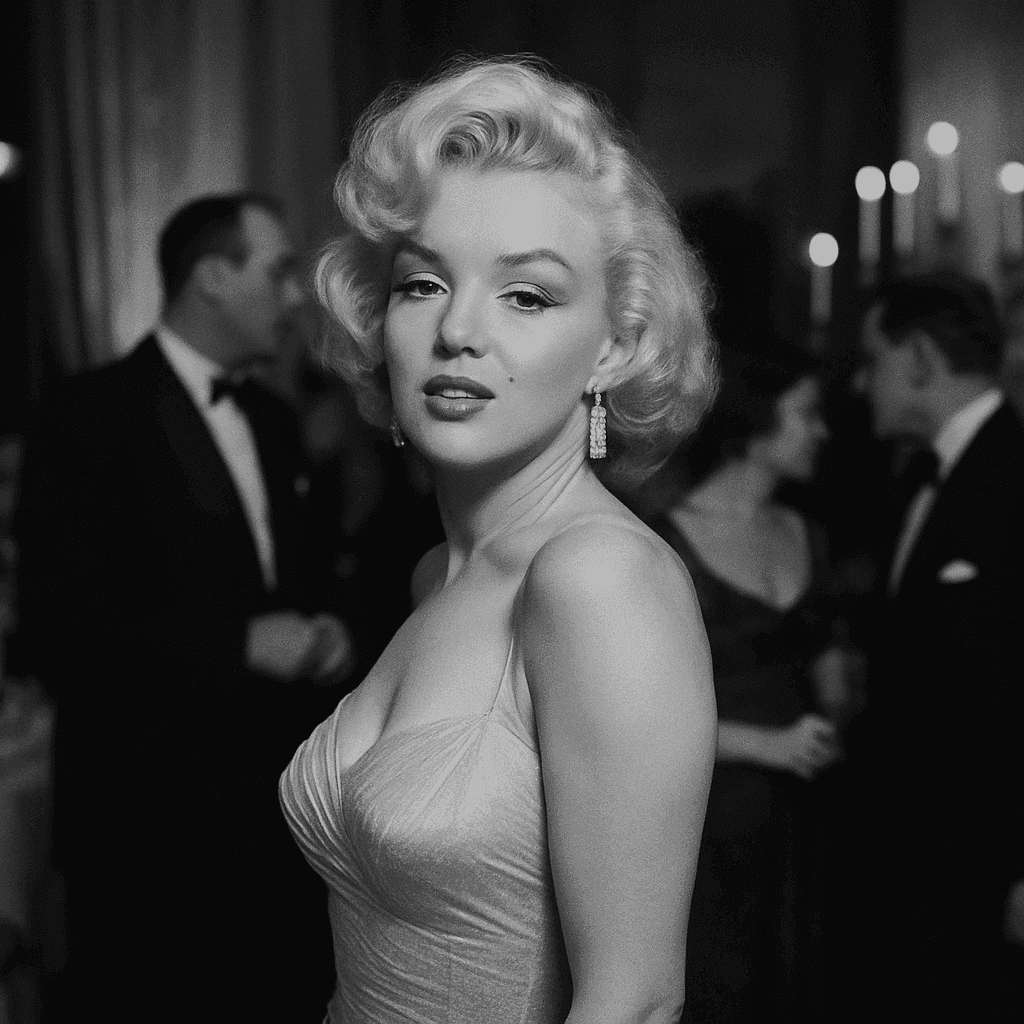
Despite her commercial success, Monroe sought greater artistic respect. She studied at the Actors Studio in New York and delivered what many consider her finest performance in Bus Stop (1956). Her performance in Some Like It Hot (1959) would win her a Golden Globe and solidify her reputation as both a gifted comedienne and dramatic actress. Yet, Monroe was also increasingly dogged by the pressures of fame, troubled marriages—including to Joe DiMaggio and Arthur Miller—and mental health issues.
Her iconic look—platinum hair, red lips, breathy voice—became an international symbol of desire. But beyond her beauty, Monroe was a sharp and ambitious woman often underestimated by Hollywood. She formed her own production company to gain more control over her roles, an unusual move for a woman in her era. Her ambition foreshadowed the growing independence of women in the entertainment industry.
Enduring Tragedy and Cultural Impact
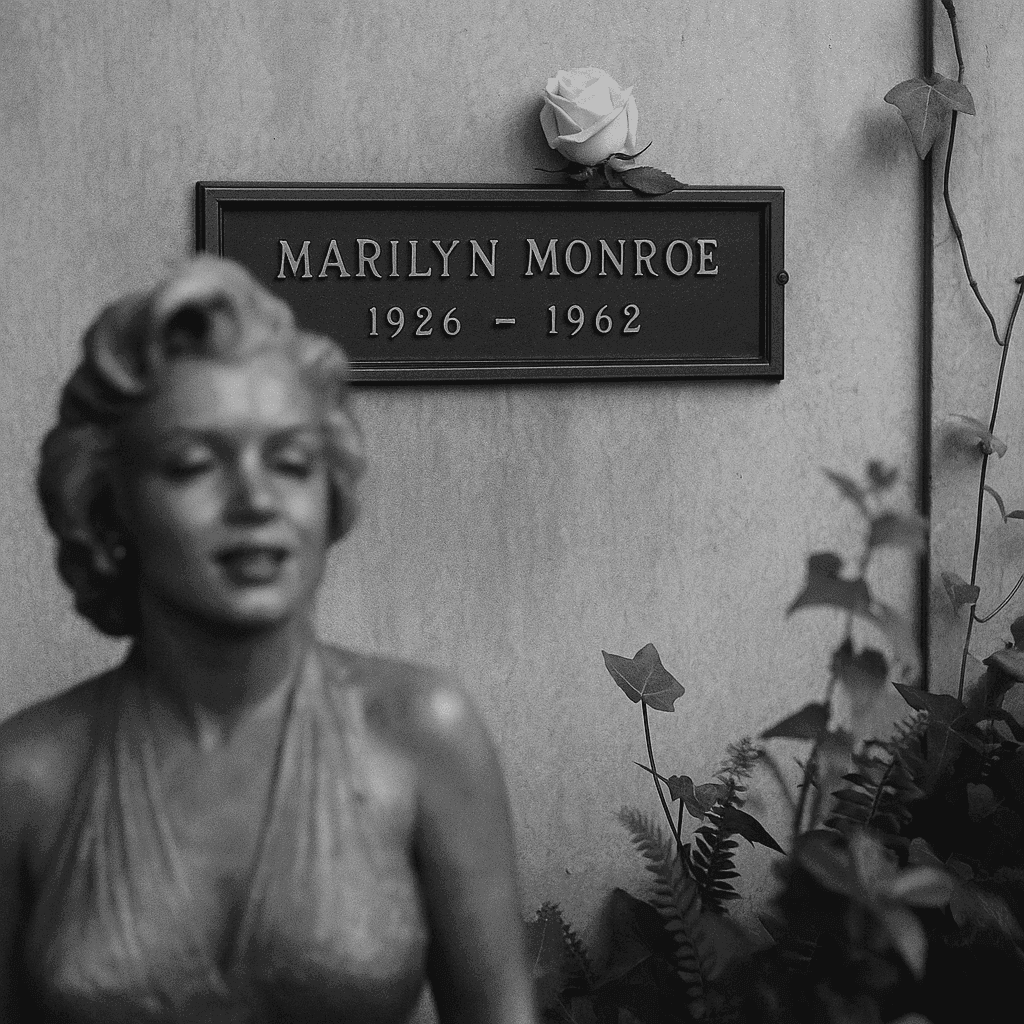
Monroe died tragically young at the age of 36 in 1962, under circumstances that remain the subject of speculation and fascination. Her death marked the end of a brief but spectacular career, yet her legend only grew. She became a symbol not only of allure but also of the vulnerability of celebrity. For many, she represents the darker side of fame—an artist caught between public adoration and personal pain.
Today, Marilyn Monroe’s legacy transcends the silver screen. Her image appears in art, fashion, music, and advertising. Generations continue to reinterpret her life, often seeing her as a proto-feminist figure—someone who struggled to be more than what the world wanted her to be. She remains an enduring part of American cultural identity, a reminder of both the dazzle and the danger of stardom.