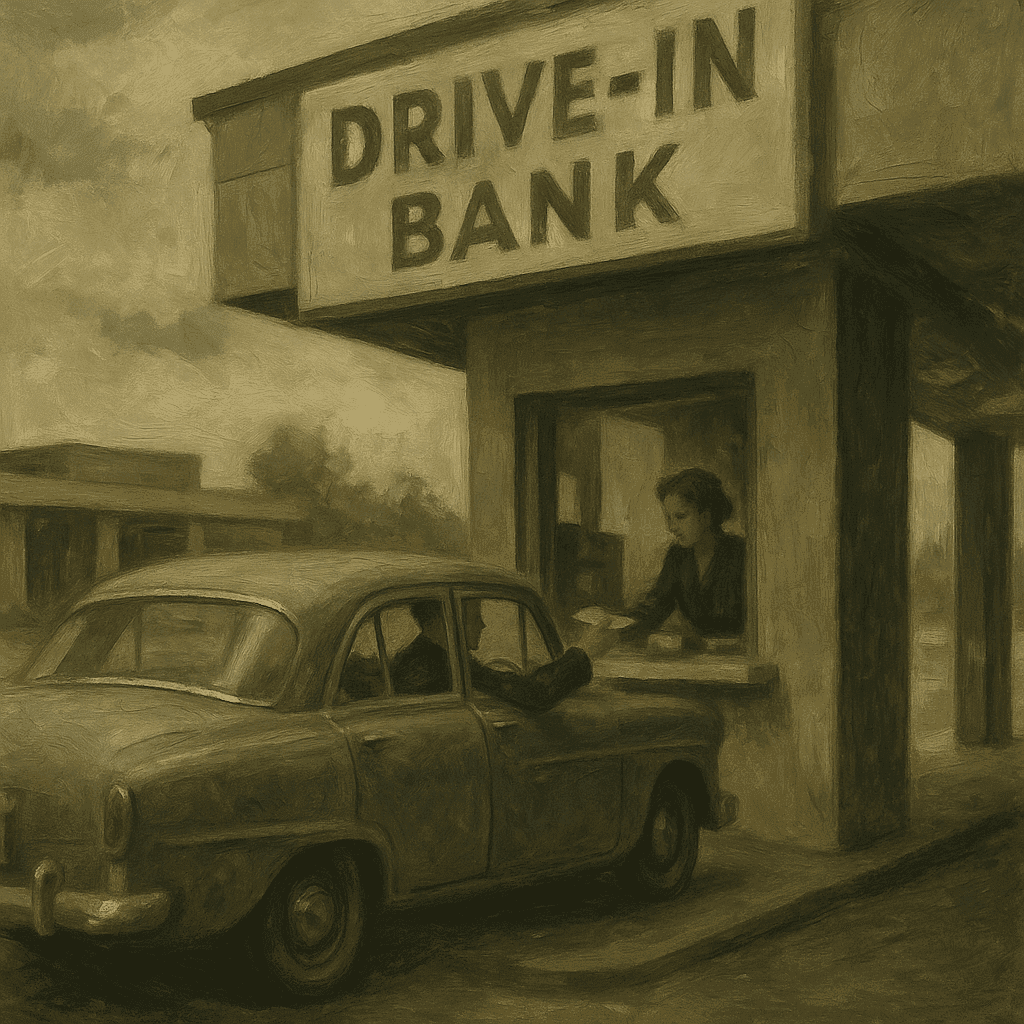
On June 7, 1962, Switzerland introduced a groundbreaking innovation in the financial world: its firstdrive-through bank. Designed to allow customers to conduct routine banking transactions from the comfort of their cars, this new model marked a pivotal shift in how banks interacted with the public. It was a significant move toward greater convenience and efficiency, aligning with broader mid-20th century trends that prioritized customer service and speed.
A New Era of Convenience
The drive-through banking concept emerged during a time of increasing automobile use and a growing desire for time-saving conveniences. Inspired in part by similar developments in the United States—where the first drive-through bank had appeared in the 1930s—Switzerland’s 1962 adoption signaled the growing international appeal of streamlined services.
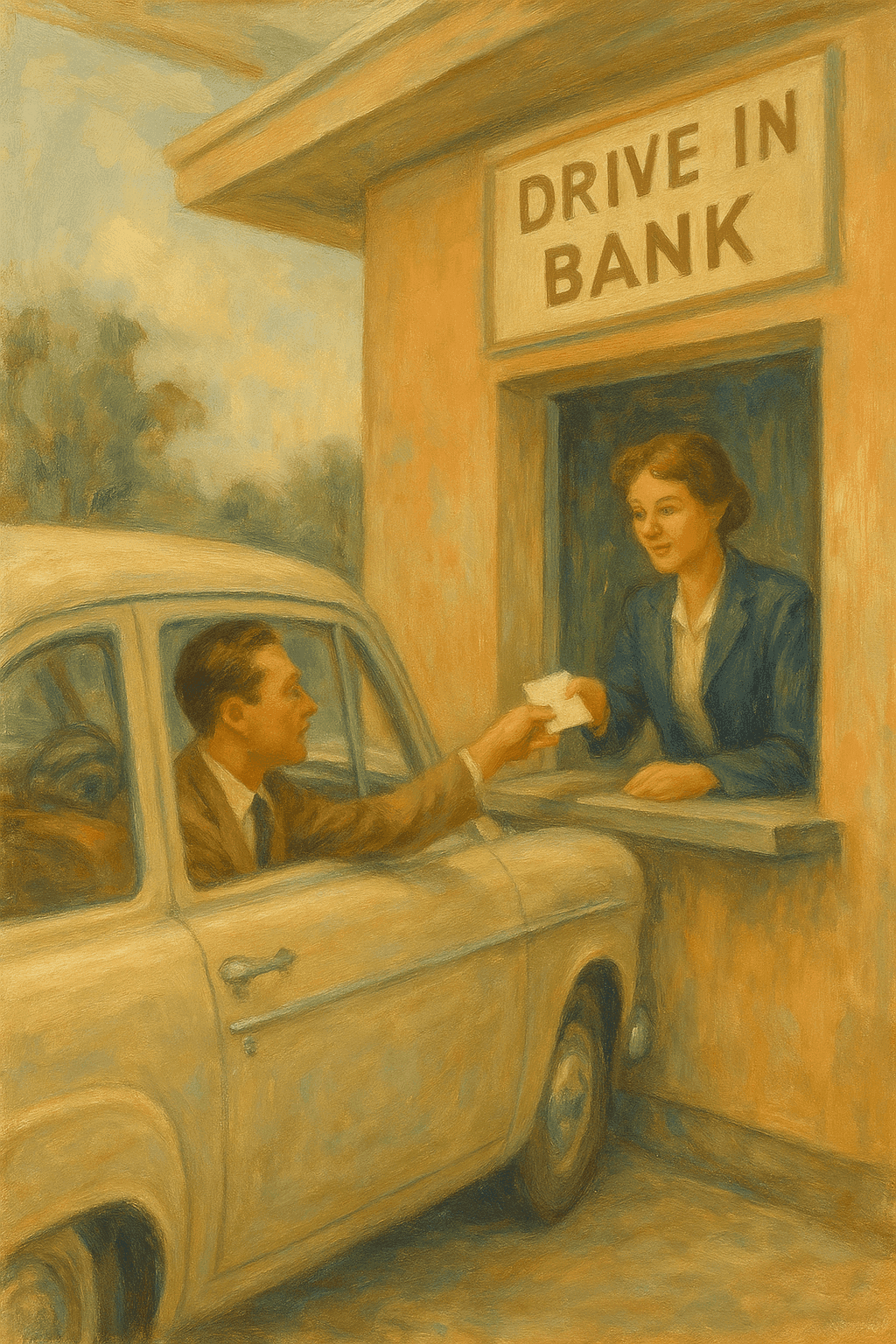
Motorists could now deposit checks, withdraw cash, and handle basic transactions without parking or entering a building. This approach reflected a cultural shift in favor of convenience, with banking adapting to meet the needs of an increasingly mobile and fast-paced society.
A Symbol of Modern Banking
The drive-through bank became an early symbol of modernity in the financial sector. As banks faced greater competition and rising customer expectations, the adoption of this model showcased their commitment to innovation and responsiveness. Switzerland’s foray into drive-through banking also helped dispel the image of the country’s banks as purely traditional and conservative.
The move was especially notable because it came from a nation known for its discreet, formal approach to finance. By embracing this accessible model, Swiss banks demonstrated an openness to evolving consumer behavior and set a precedent for future changes in the industry.
Spreading Across the Globe
Following Switzerland’s implementation, the drive-through bank concept expanded rapidly throughout Europe and other parts of the world. It became a staple of suburban banking in the United States and caught on in cities where car culture was dominant. Even in countries with more pedestrian-oriented societies, adaptations of the model began appearing as part of broader digital and self-service trends.
The drive-through format also laid the groundwork for the development of ATMs and, later, online and mobile banking—each innovation building on the same principle of customer empowerment and convenience.
A Legacy of Customer-Centric Innovation

June 7, 1962, marked more than the debut of a novel banking idea—it was a reflection of how traditional institutions could evolve with the times. The drive-through bank became a symbol of a new customer-first mentality, one that would come to define service industries in the decades to follow.
Though digital technology has since replaced many face-to-face transactions, the spirit of the drive-through bank lives on in today’s user-friendly apps, contactless payments, and 24/7 banking access. It remains a landmark example of how small changes in service delivery can ripple across industries and reshape everyday experiences.