Nine Men in a Hotel Room
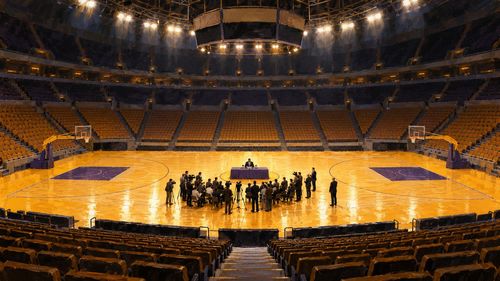
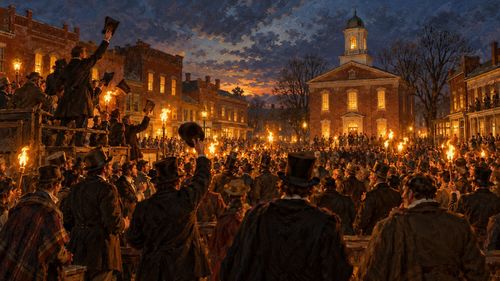
Tonight, April 23, 2026, the 91st NFL Draft opens at Acrisure Stadium in Pittsburgh, with tens of thousands of fans gathered along the banks of the Allegheny River, millions more watching at home, and Fernando Mendoza of Indiana — Heisman Trophy winner and national champion quarterback — widely expected to become the first overall pick of the Las Vegas Raiders. It is one of American sports' great annual spectacles. It is also, beneath all the pageantry, a 90-year-old act of competitive fairness whose inventor dreamed it up in the shadow of the Great Depression to save a league that was slowly tearing itself apart.
Bert Bell's Radical Idea
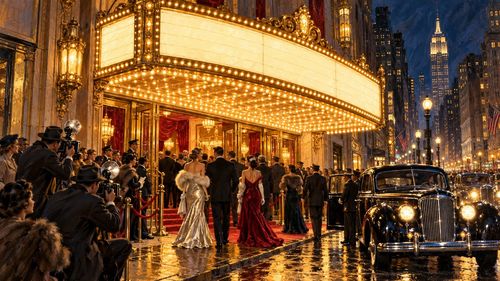
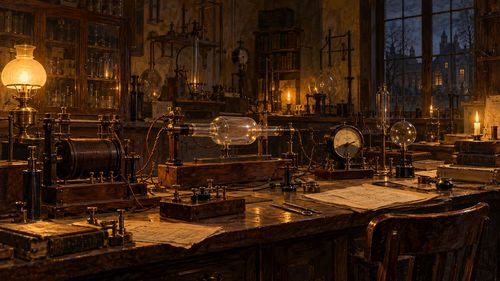
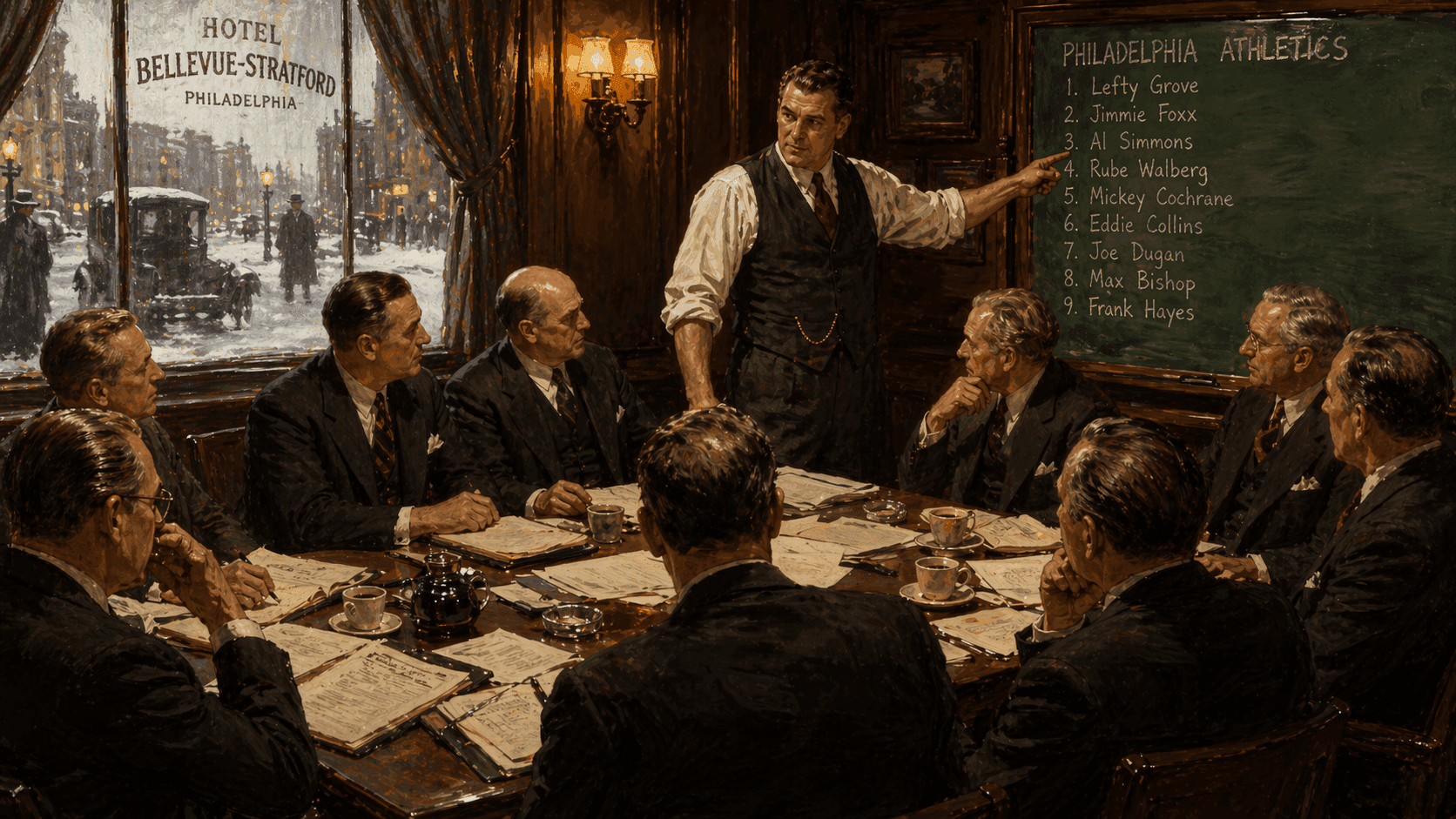
On February 8, 1936, nine NFL team executives gathered at the Ritz-Carlton Hotel in Philadelphia for what the league officially called the "Annual Player Selection Meeting" — a name it technically still carries today, even as the world calls it something else. There were no cameras. No agents. No green room with nervous prospects waiting to hear their names called. There was a chalkboard, a list of 90 eligible college players, and a radical concept put forward by Bert Bell, owner of the Philadelphia Eagles: that the worst teams in the league should pick first, giving them first access to the best college talent, and that this process — orderly, equitable, enforceable — should repeat every single year. Bell had watched the rich get richer across the NFL's first decade and a half and concluded, correctly, that an entertainment league where the same powerful franchises dominated every season would eventually bore its audiences to death. Competitive balance, he argued, was not just a sporting virtue — it was a financial necessity.
The first pick in draft history went to Bell's own Eagles, who selected Jay Berwanger — the first Heisman Trophy winner in history, a halfback from the University of Chicago and the most celebrated college player of his era. The Eagles promptly traded his rights to the Chicago Bears. The Bears couldn't meet his salary demands either. Berwanger, who had asked for $1,000 per game at a time when the Eagles were offering $150, took a job selling foam rubber and never played a professional down. It was, by any measure, an inauspicious beginning. And yet the idea beneath it was sound enough to survive. The draft was held again the next year, and the year after that, and every year since — through World War II, through the merger with the AFL, through the explosion of television revenues that transformed the NFL into the most profitable sports league in human history. Tonight in Pittsburgh marks the 91st consecutive running of the system Bert Bell sketched out in a Philadelphia hotel room nine decades ago.
The Pittsburgh draft returns the event to the city for the first time since 1948 — fitting, given that the Steelers are among the franchises that have most embodied everything Bell envisioned. Pittsburgh was a perennial also-ran before the draft era gave it the picks that would eventually become the Steel Curtain dynasty of the 1970s. The mechanism is the same one Bell designed: worst team picks first, champion picks last, and somewhere in between, careers are launched, legacies are shaped, and the competitive balance of the most-watched sports league in the world is reset for another year. Bert Bell died in 1959, watching a game from the stands of Franklin Field in Philadelphia — the city where he invented the thing that made the NFL what it became. Tonight in Pittsburgh, ninety years on, they are still running his play.