On April 17, 1970, the crew of Apollo 13 splashed down safely in the Pacific Ocean, bringing a dramatic and harrowing space mission to a victorious close. What was meant to be NASA’s third manned mission to land on the moon became an extraordinary tale of survival, resilience, and problem-solving under pressure. Dubbed “a successful failure” by mission commander Jim Lovell, Apollo 13 stands as one of the most remarkable examples of human ingenuity in the history of space exploration.
An Explosion Changes Everything
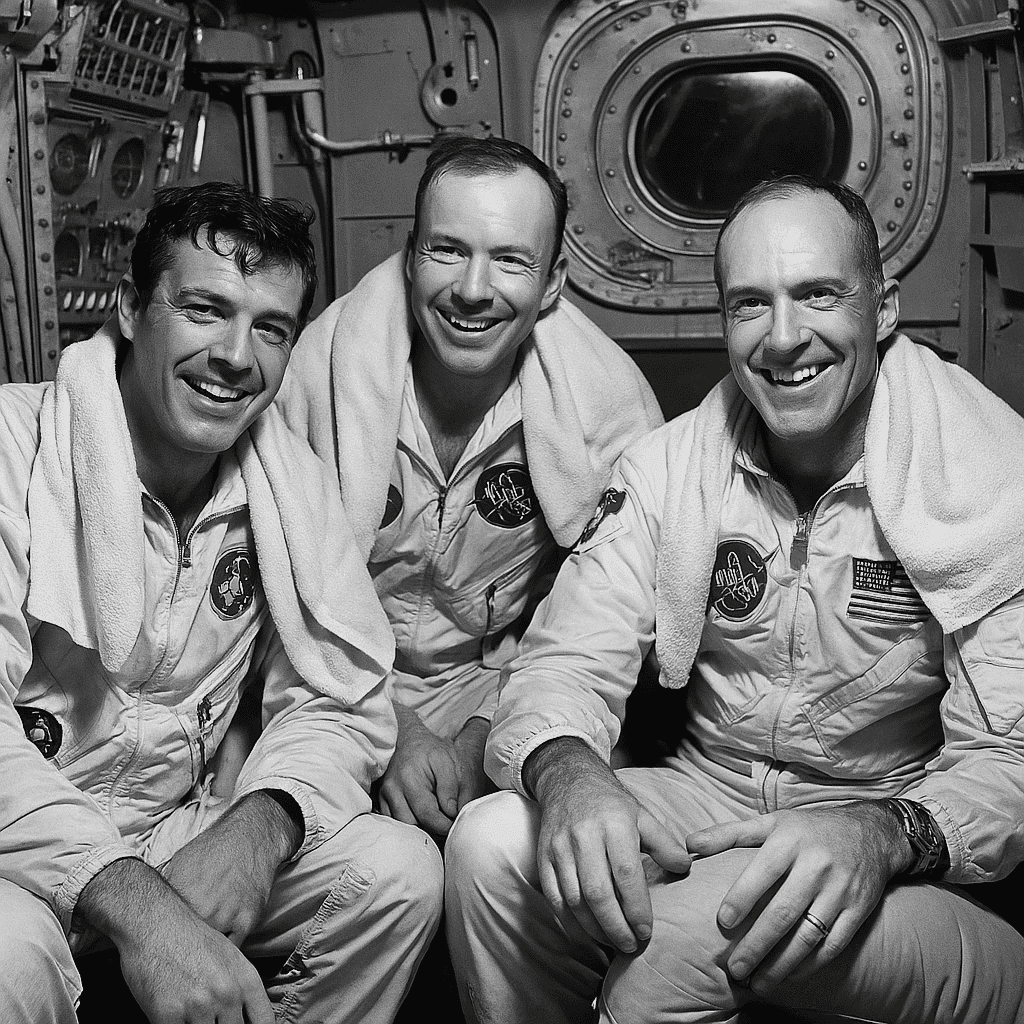
Launched on April 11, 1970, Apollo 13 began as a routine lunar mission. Astronauts Jim Lovell, Jack Swigert, and Fred Haise were en route to the moon when, just over 55 hours into the flight, disaster struck. An oxygen tank in the service module exploded, crippling the spacecraft and causing the infamous words from Swigert: “Houston, we’ve had a problem.” The explosion knocked out much of the spacecraft’s power and life-support systems, forcing the crew to abort their lunar landing plans and focus solely on survival.
Ingenuity in Action
With limited power, water, and oxygen, the astronauts were forced to use the lunar module as a makeshift lifeboat. Temperatures dropped, carbon dioxide levels rose, and resources dwindled. Meanwhile, on Earth, NASA’s mission control team in Houston worked tirelessly to develop and relay solutions in real time, including the now-famous improvised carbon dioxide filter built with materials on board—duct tape, plastic bags, and tubing.
The coordination between the astronauts and engineers was a masterclass in calm under pressure. Every maneuver, every calculation, had to be precise. The crew executed critical course corrections, conserved power by shutting down nearly all onboard systems, and battled through extreme conditions to maintain their trajectory back to Earth.
A Triumphant Return
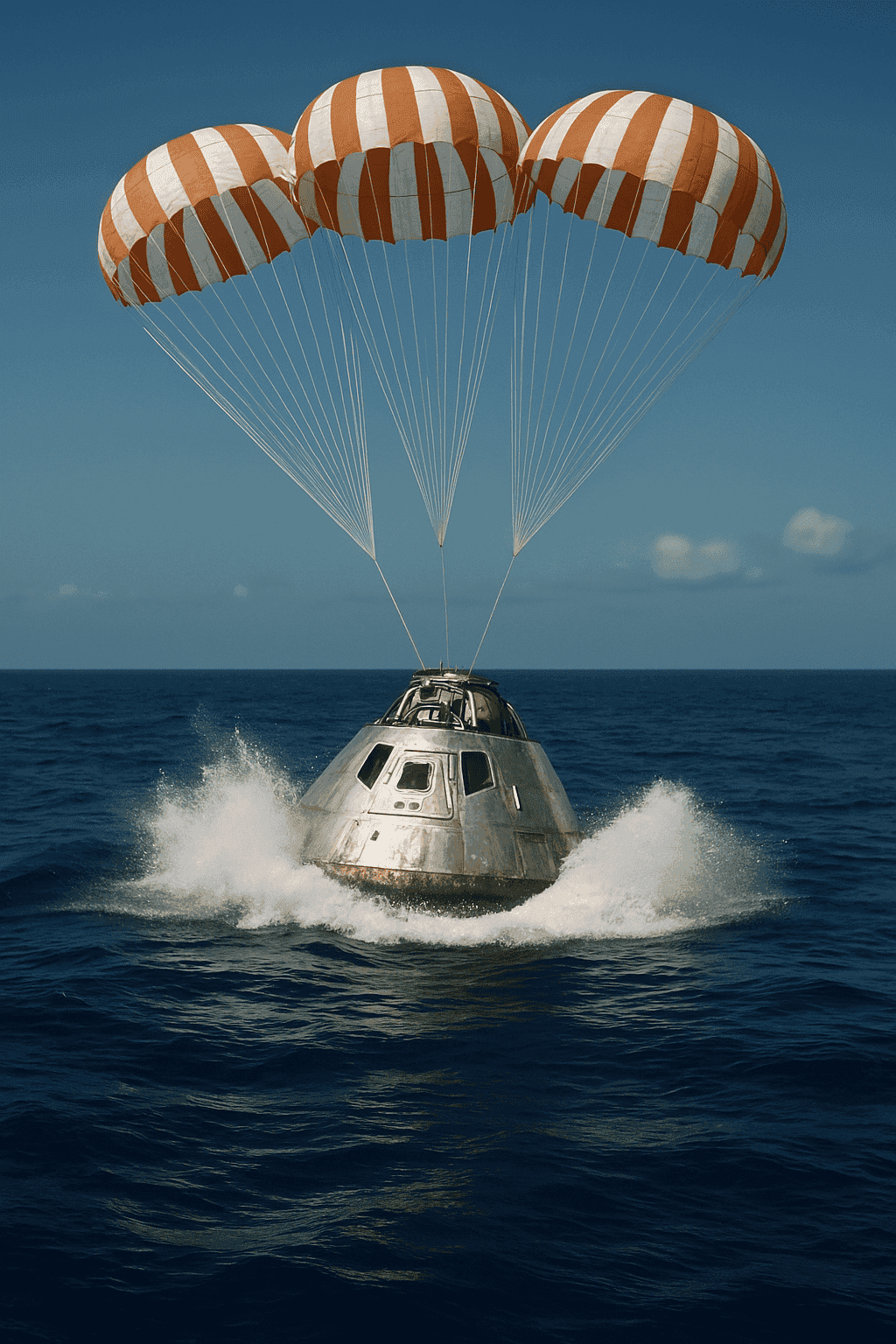
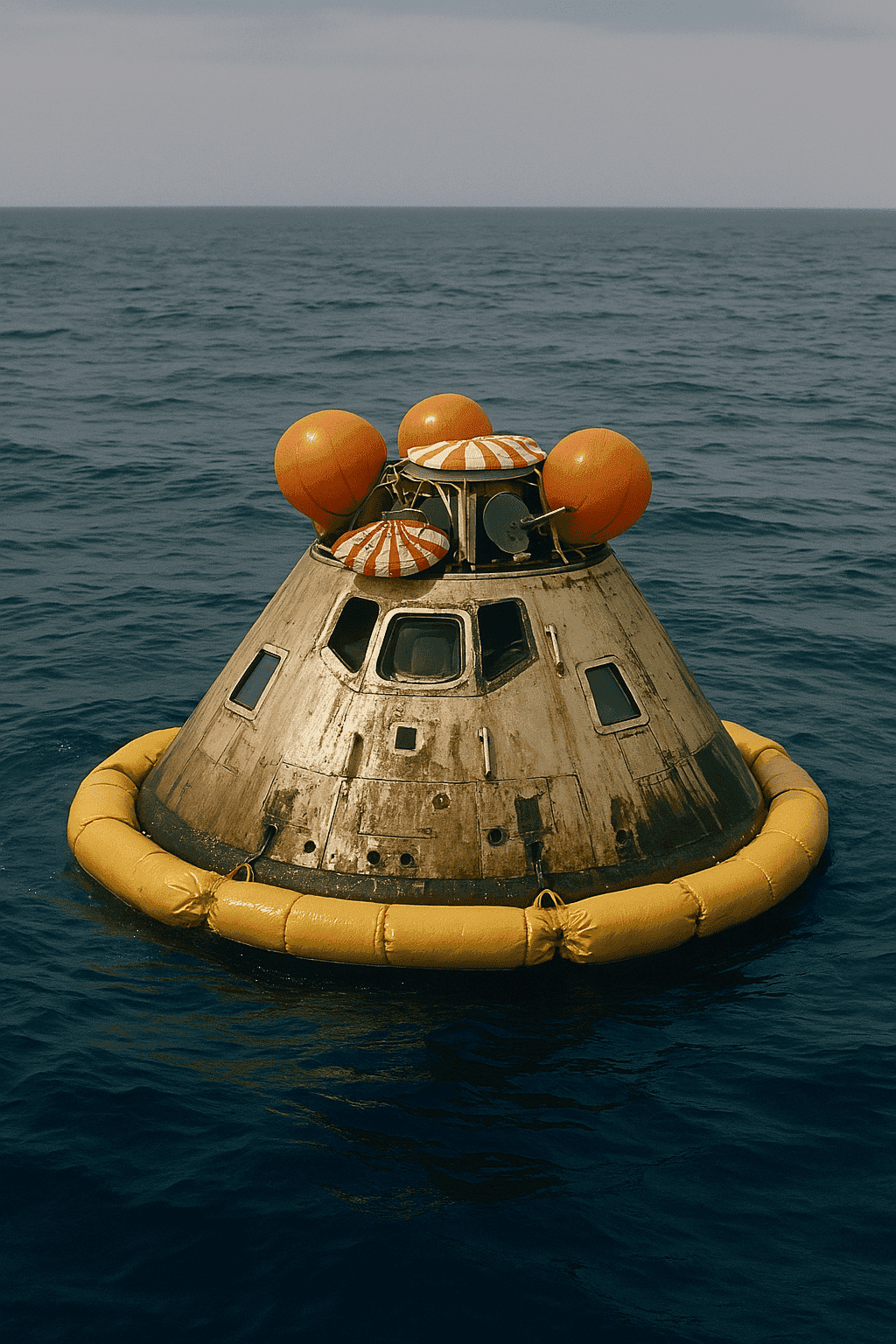
On April 17, six days after launch, Apollo 13 reentered Earth’s atmosphere and splashed down in the Pacific Ocean near Samoa. The world exhaled in relief and awe. The astronauts were alive, their mission aborted but their courage and composure intact. The mission, while technically a failure in its original objective, was a resounding success in demonstrating the resilience of the space program and the dedication of those involved.
NASA’s handling of Apollo 13 became a defining moment not just for space exploration, but for crisis management and problem-solving under extreme conditions. The mission inspired a renewed respect for the capabilities of NASA engineers and astronauts, and has been immortalized in books, documentaries, and the acclaimed 1995 film Apollo 13.
Legacy of Apollo 13
The Apollo 13 mission changed how future missions were planned and executed. Redundancies were improved, safety protocols enhanced, and the importance of training for failure became even more apparent. It also reinforced a central truth of space travel: that exploration is as much about resilience as it is about discovery.
The mission’s legacy endures not only in aerospace engineering, but also as a symbol of human perseverance and teamwork. As Commander Lovell later reflected, Apollo 13 showed that even in the face of potential disaster, people working together—guided by knowledge, creativity, and calm determination—can turn failure into triumph.
April 17 marks more than just the safe return of a space crew—it commemorates one of the most inspiring chapters in the history of exploration. Apollo 13 remains a testament to courage under pressure, the power of collaboration, and the unyielding spirit of discovery.