On April 25, 2015, Nepal was rocked by one of the most devastating natural disasters in its history—a magnitude 7.8 earthquake that struck near the capital of Kathmandu. The quake left a trail of destruction through urban centers and rural villages alike, crumbling centuries-old temples, flattening homes, and triggering deadly avalanches in the Himalayas. In the wake of the tragedy, the world responded with a wave of humanitarian assistance, while the Nepali people began the long journey of recovery and rebuilding.
A Nation Shaken
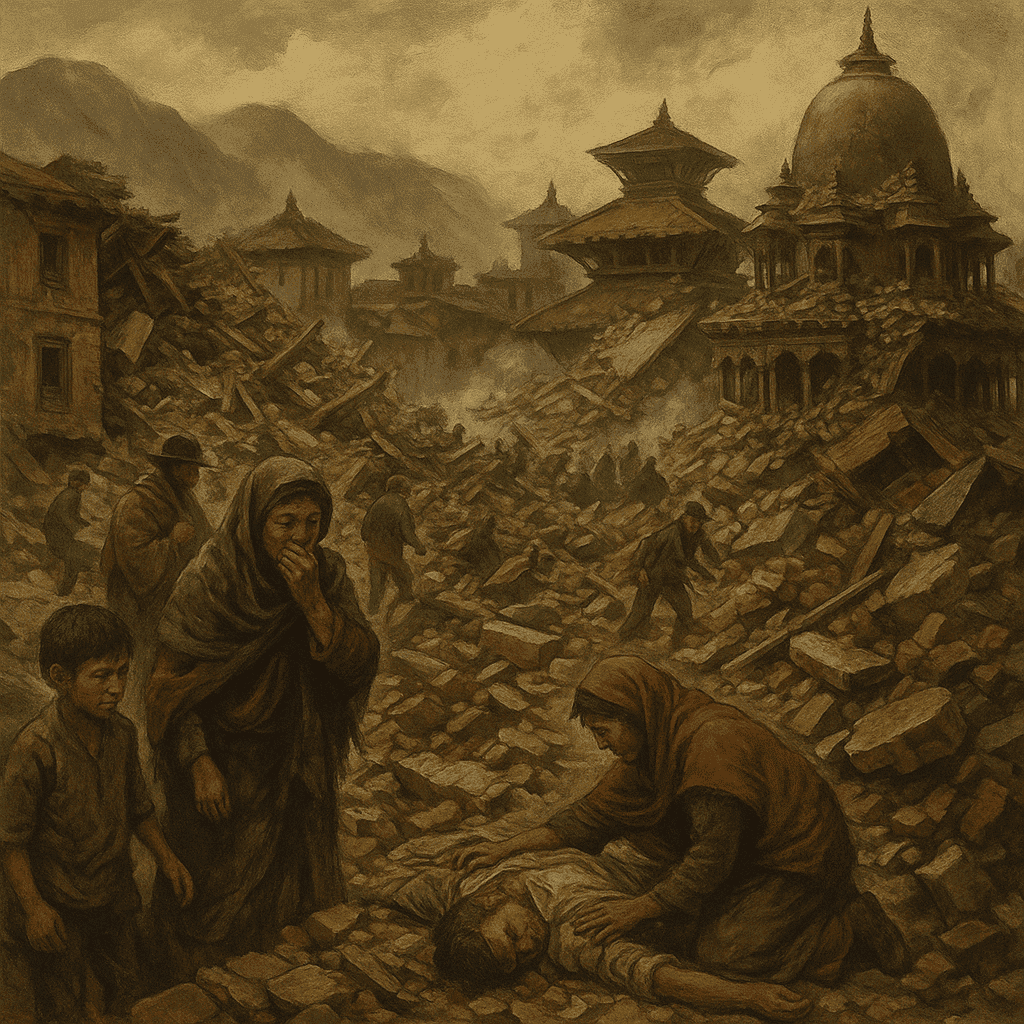
The earthquake's epicenter was located in the Gorkha District, but the destruction radiated far beyond. Over 9,000 people lost their lives, and more than 22,000 were injured. Historic landmarks were reduced to rubble, including the iconic Dharahara Tower and numerous UNESCO World Heritage sites in the Kathmandu Valley. Entire communities in remote mountainous regions were inaccessible for days, compounding the tragedy and slowing rescue efforts. The earthquake reshaped Nepal’s physical and cultural landscape in just a matter of minutes.
The human toll extended beyond the immediate casualties. An estimated 3.5 million people were left homeless, many forced to live in makeshift shelters under the looming threat of aftershocks. Hospitals and clinics were overwhelmed, and clean water, food, and medical supplies became scarce. The disaster exposed vulnerabilities that would take years to address for a nation already grappling with limited infrastructure and economic challenges.
Global Response and Aid
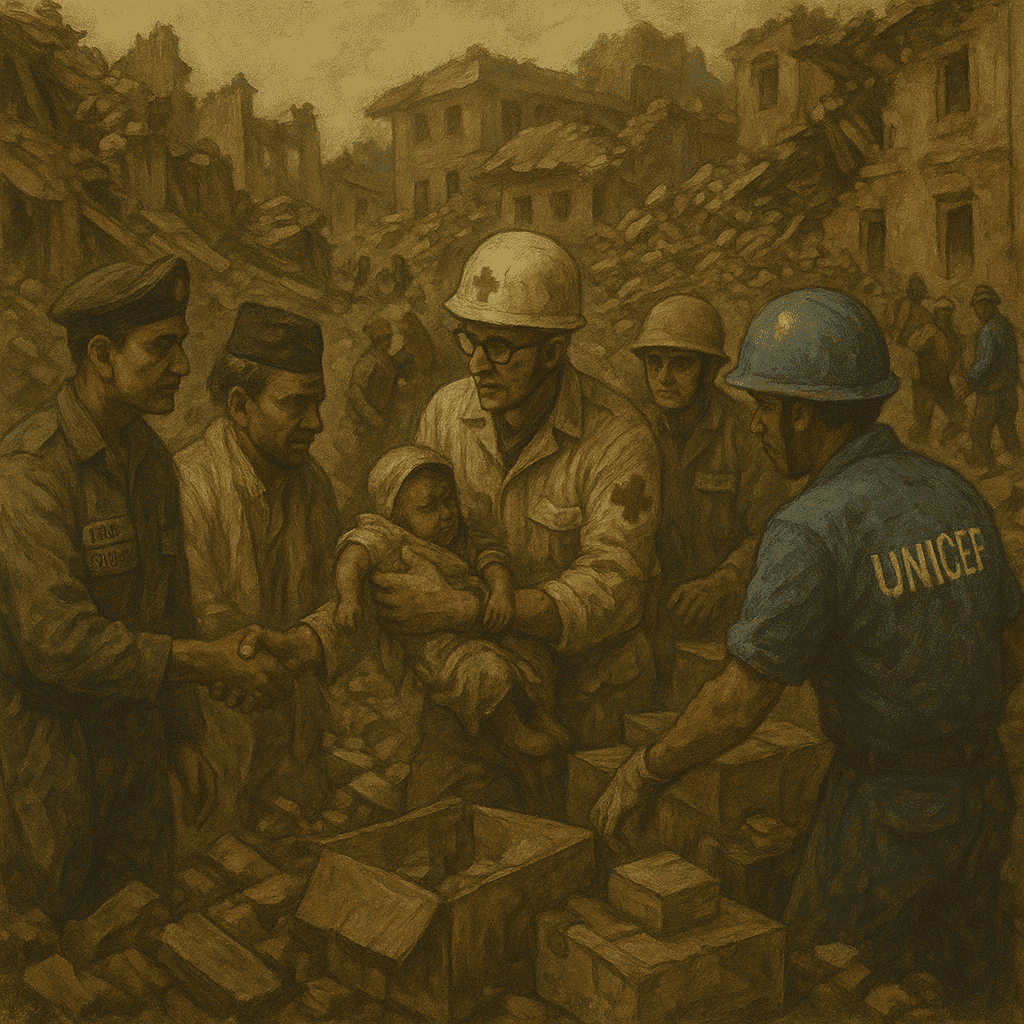
The international community mobilized rapidly in response to the crisis. Countries from around the globe sent aid workers, medical teams, and financial support. India launched “Operation Maitri” to assist in rescue and relief operations. The United States, China, the United Kingdom, and many others contributed substantial resources, while organizations like the Red Cross and UNICEF coordinated efforts on the ground.
Despite the outpouring of assistance, challenges arose in delivering aid to the most affected regions. Damaged roads, unpredictable weather, and bureaucratic hurdles slowed the distribution of supplies. Nevertheless, grassroots initiatives and volunteer groups emerged both locally and internationally, helping to fill the gaps left by government agencies and large NGOs. The event demonstrated both the potential and limitations of global disaster relief systems.
Long-Term Rebuilding and Resilience
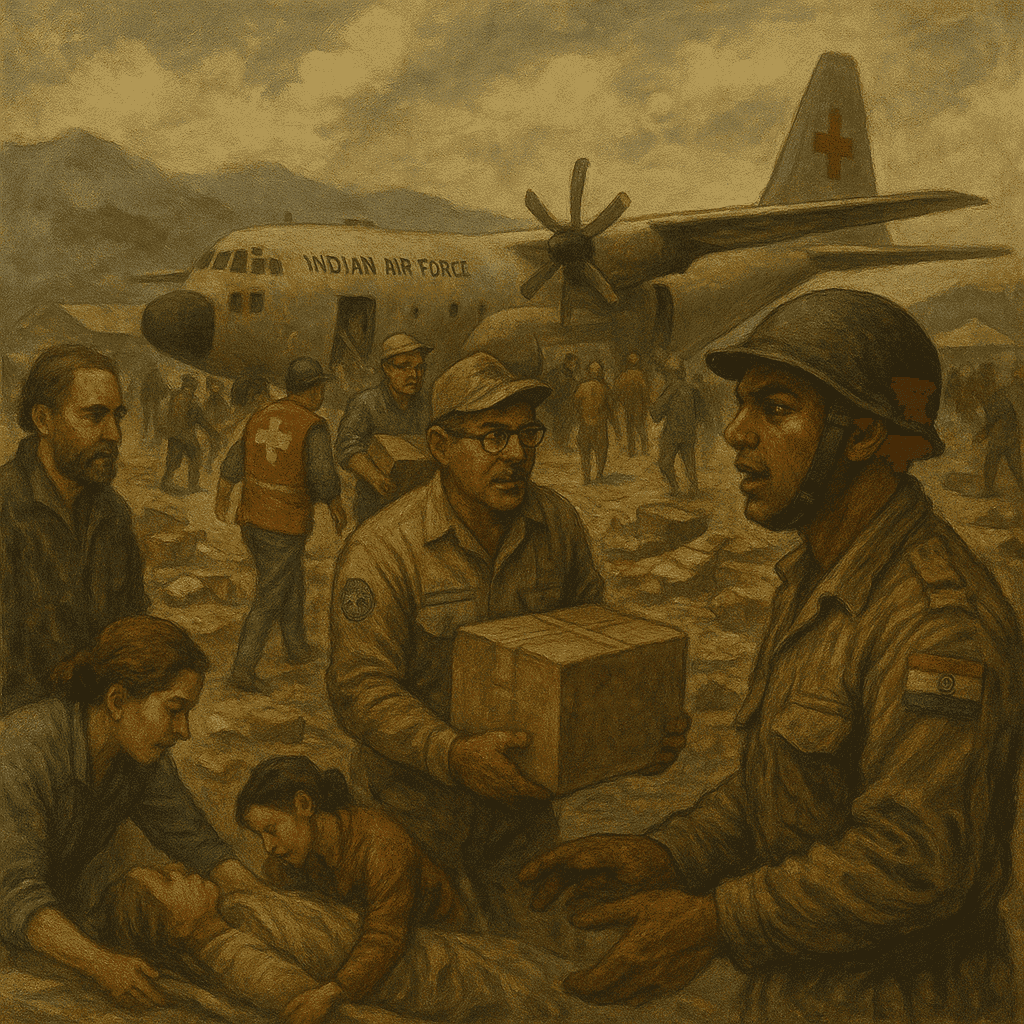
Reconstruction efforts in the years following the earthquake have been gradual and complex. In partnership with international donors, the Nepali government established the National Reconstruction Authority to oversee rebuilding. Homes, schools, and historical monuments have been steadily restored, though funding delays and political instability have often hindered the pace.
Perhaps the most enduring impact of the 2015 earthquake is how it has reshaped attitudes toward disaster preparedness. Nepal has since made efforts to strengthen its building codes, educate communities on emergency response, and integrate seismic risk assessments into national planning. While progress has been uneven, the tragedy served as a wake-up call for a country perched on one of the world's most seismically active zones.
The April 25, 2015, earthquake stands as a stark reminder of nature’s power and the fragility of human structures. But it also revealed the deep well of resilience, compassion, and solidarity that can emerge in the face of unimaginable loss.