On April 14, 1865, tragedy struck the heart of a weary nation. As the Civil War drew to a close, President Abraham Lincoln sought a moment of respite at Ford’s Theatre in Washington, D.C. But amid the laughter and applause of Our American Cousin, Confederate sympathizer John Wilkes Booth crept into the presidential box and fired a fatal shot. The assassination of Lincoln not only claimed the life of one of America’s greatest leaders—it sent shockwaves across the country and reshaped the course of U.S. history.
A President Targeted in a Time of Hope
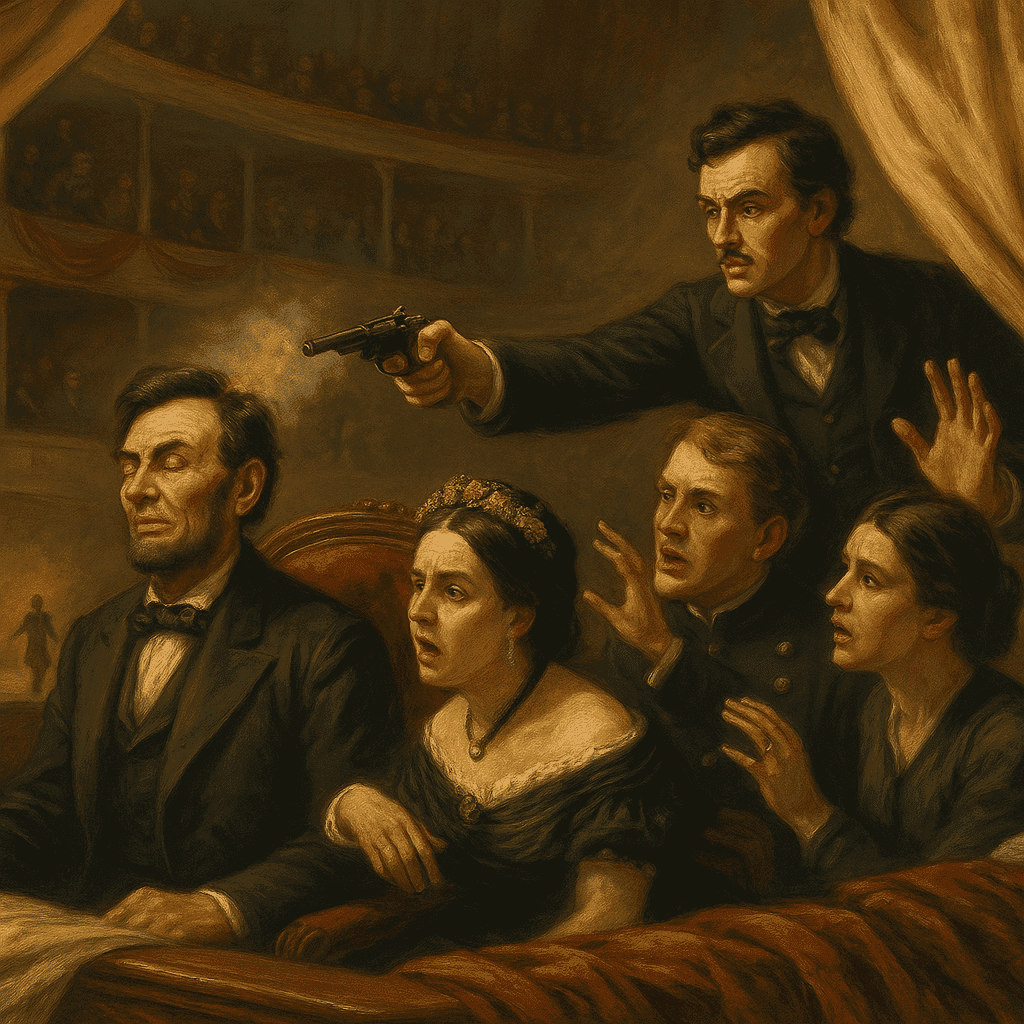 Lincoln's presence at Ford's Theatre was meant to signal a return to normalcy after four years of brutal war. But John Wilkes Booth, a well-known actor and fierce supporter of the Confederacy, saw the president’s public appearance as an opportunity. Slipping into Lincoln’s box with ease, Booth fired a single bullet into the back of the president’s head, then leapt dramatically onto the stage and fled the scene. Although the play continued for a moment in confusion, horror quickly spread as the reality of what had happened sank in.
The wounded Lincoln was carried across the street to the Petersen House, where doctors tended to him through the night. He never regained consciousness. At 7:22 a.m. the next morning, he was pronounced dead. Secretary of War Edwin Stanton solemnly declared, “Now he belongs to the ages.” Lincoln's assassination marked the first time a sitting U.S. president was murdered—a devastating blow to a country still reeling from the Civil War.
National Grief and a Stolen Vision
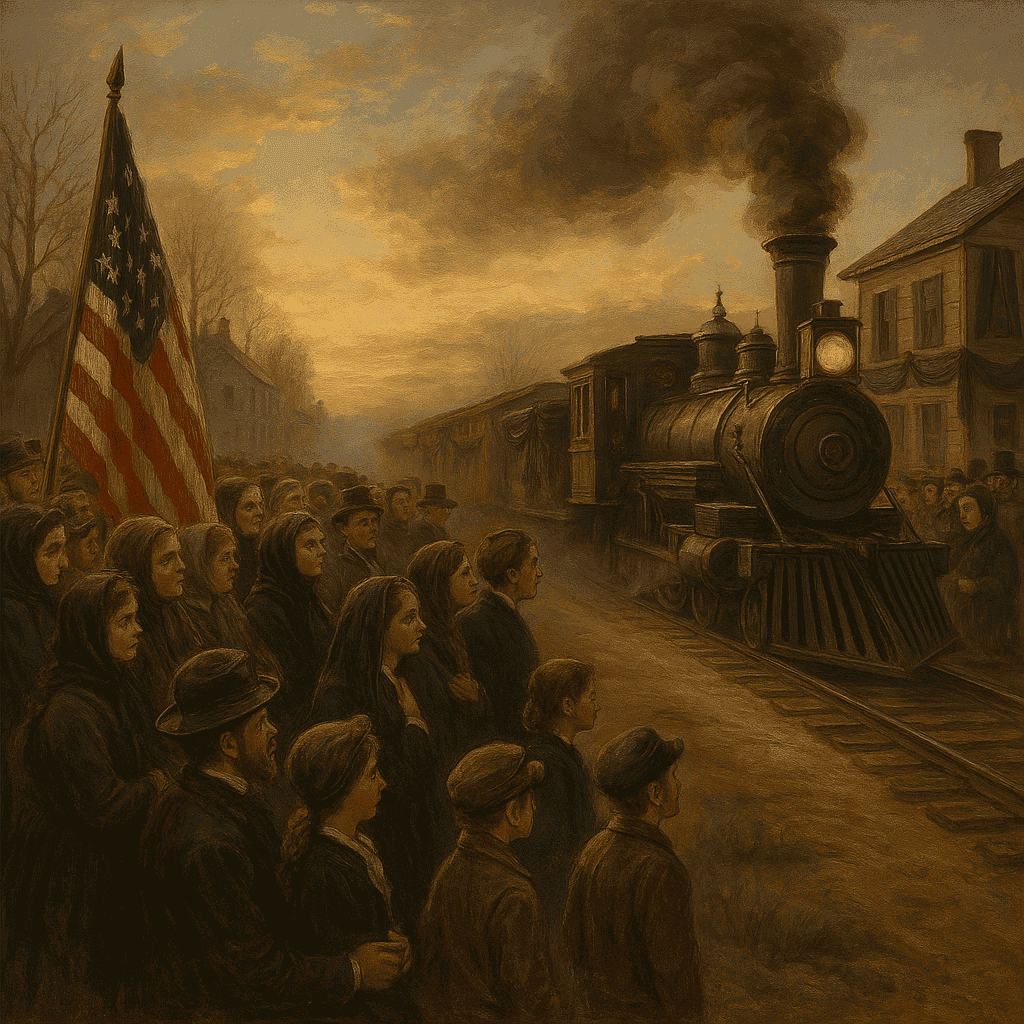 The news of Lincoln’s death triggered an unprecedented outpouring of grief. In cities and small towns alike, Americans draped their homes in black bunting and gathered for memorial services. A somber funeral train carried Lincoln’s body from Washington to Springfield, Illinois, with thousands of mourners lining the tracks to pay their respects.
While the nation mourned, authorities launched a manhunt for Booth and his co-conspirators. Twelve days later, Booth was cornered in a Virginia tobacco barn, where he was shot and killed. Four others were hanged for their roles in the plot. Yet the damage extended far beyond the conspiracy. With Lincoln gone, the promise of a compassionate and inclusive Reconstruction died with him. His successor, Andrew Johnson, failed to carry forward Lincoln’s vision, and the South soon fell into a pattern of racial violence, voter suppression, and economic exploitation that would last for generations.
Legacy of a Martyr and a Changed Nation
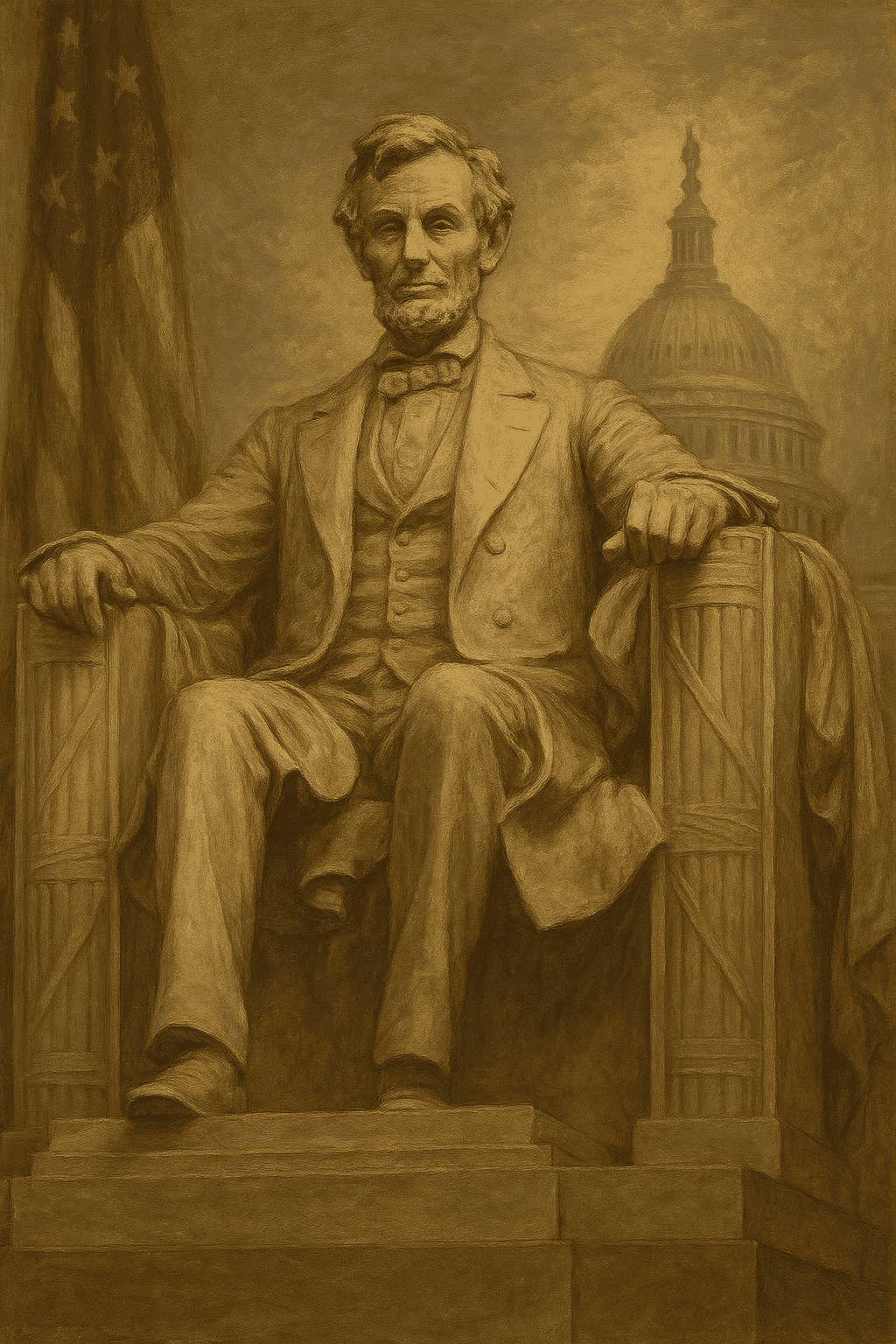 Abraham Lincoln's assassination permanently altered the trajectory of American history. His death elevated him to martyrdom in the eyes of many, turning his life and words into guiding symbols for future generations. Schools, monuments, and cities were named in his honor. His writings—particularly the Gettysburg Address and his Second Inaugural Address—became cornerstones of American civic education and political identity.
The event also reshaped the way the nation viewed presidential security. At the time, there was no organized detail to protect the president. Lincoln had often walked unescorted through Washington. In the years that followed, the federal government took gradual steps to ensure that future presidents would not face the same vulnerability. Today, Lincoln’s life and legacy are remembered not only for what he achieved but also for what the nation lost the moment that bullet was fired at Ford’s Theatre.