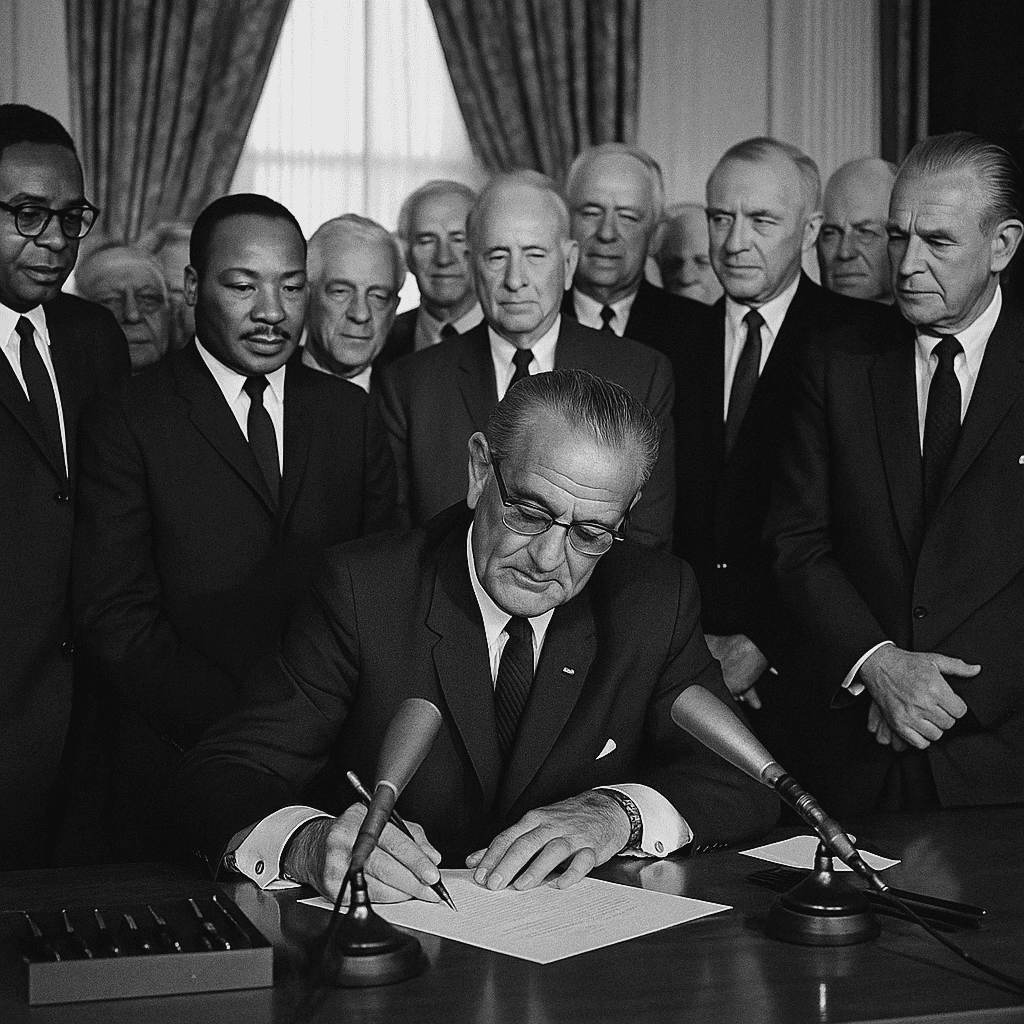
On July 2, 1964, President Lyndon B. Johnson signed the Civil Rights Act into law, ushering in a new era of legal protections and civil liberties in the United States. This landmark legislation, years in the making, addressed some of the most entrenched injustices in American society. With sweeping provisions that outlawed segregation and discrimination, the Civil Rights Act became a foundational pillar of modern American civil rights law and a testament to the power of persistent activism and courageous political leadership.
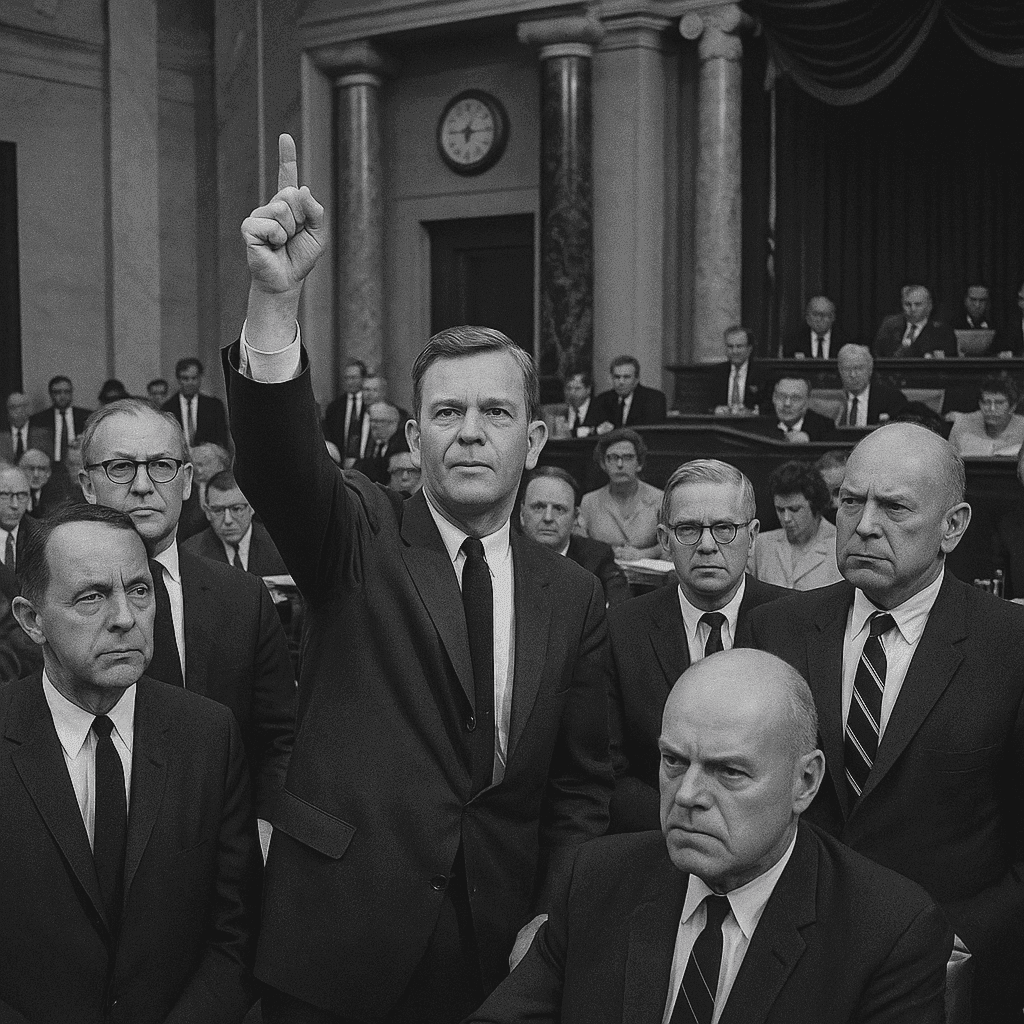
The signing ceremony, held at the White House, was broadcast live on national television. With civil rights leaders like Dr. Martin Luther King Jr. in attendance, President Johnson declared the law a step forward “toward the goal of justice.” Yet its passage was not without resistance—fierce opposition in Congress, particularly from Southern lawmakers, had delayed the bill’s approval and required a powerful coalition to bring it across the finish line.
Breaking Down Legal Barriers
The Civil Rights Act of 1964 tackled discrimination on multiple fronts. It barred segregation in schools, libraries, public transportation, and businesses such as restaurants and hotels. Title VII of the law also prohibited employment discrimination on the basis of race, color, religion, sex, or national origin—a critical expansion that laid the groundwork for future gender equality laws and workplace rights.
To enforce these sweeping changes, the law empowered the federal government to withhold funds from segregated programs and to bring lawsuits against violators. The creation of the Equal Employment Opportunity Commission (EEOC) ensured that workplace discrimination could be investigated and addressed on a national scale. These tools made the law more than symbolic—it became an instrument of real accountability and reform.
A Legacy Still Unfolding
The passage of the Civil Rights Act did not erase racism or inequality overnight, but it marked a critical turning point in American history. It emboldened further legislation, including the Voting Rights Act of 1965 and the Fair Housing Act of 1968, and set a precedent for federal intervention in the pursuit of civil liberties.
Its legacy continues to shape American society. The Act serves as a foundation for ongoing struggles for equity in education, employment, and public life—not just for Black Americans, but for women, religious minorities, immigrants, and the LGBTQ+ community. It is also regularly cited in court cases that challenge discriminatory practices, showing how its influence endures decades after its enactment.
The Long Road to Equality
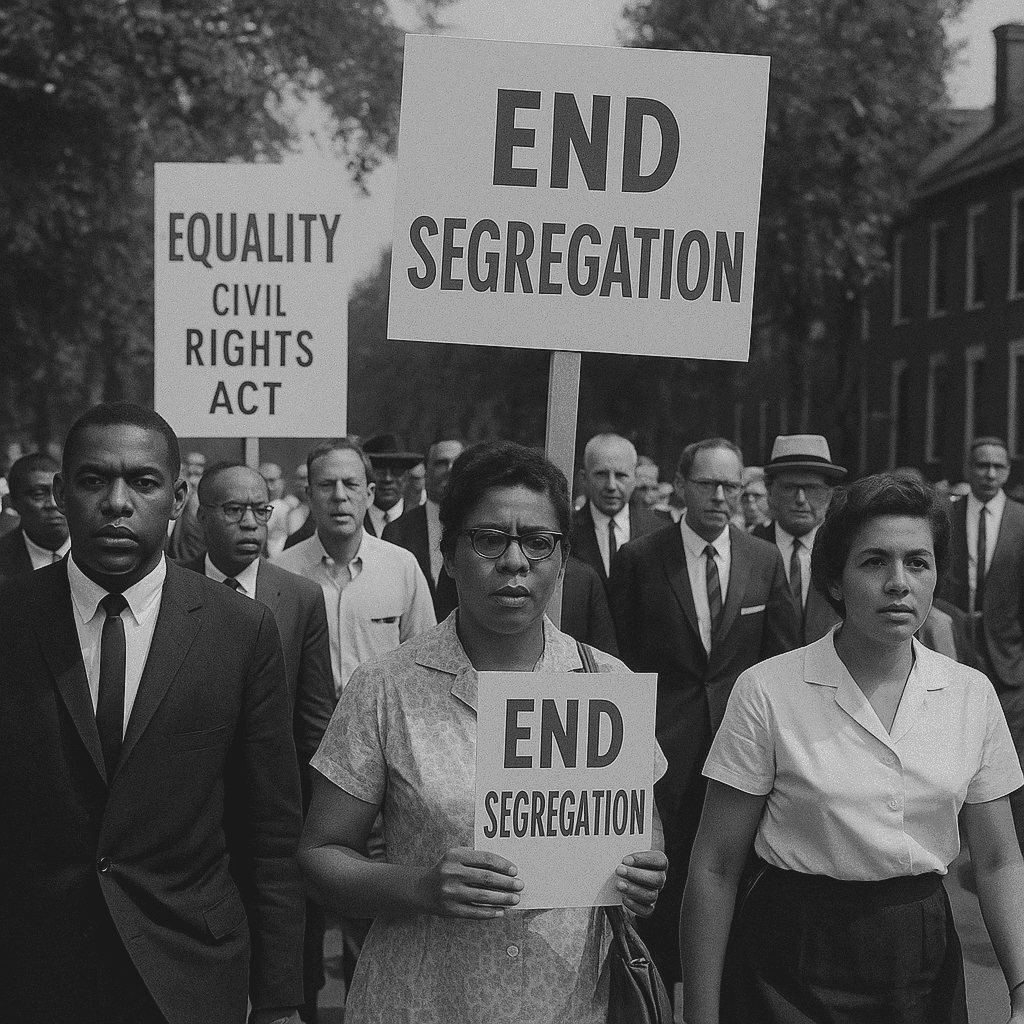
The Civil Rights Act of 1964 was the culmination of tireless efforts by countless individuals—activists, community leaders, students, and ordinary citizens—who faced violence and persecution in their fight for dignity and equality. Marches in Selma, sit-ins at lunch counters, and the rallying cries of the March on Washington helped forge the moral and political will necessary for change.
While the law itself was signed with a stroke of a pen, it was written with the courage, suffering, and hope of millions. As the nation continues to confront issues of inequality and injustice, the Civil Rights Act stands as both a historic milestone and a call to continue the unfinished work of creating a more just and inclusive society.