On April 26, 1954, a pivotal moment in medical history unfolded as the United States launched the first mass trials of the polio vaccine, developed by Dr. Jonas Salk. This monumental public health initiative brought new hope to families across the nation and the world, as it sought to stop a disease that had long haunted childhood—leaving tens of thousands paralyzed or dead each year.

The Polio Crisis and a Nation in Fear
In the first half of the 20th century, polio was one of the most feared diseases in the world. It struck with little warning, disproportionately affecting children and often leading to permanent paralysis or death. Summer months were particularly dreaded, as outbreaks filled hospitals and forced the closure of swimming pools, movie theaters, and schools in an effort to contain the virus.
By the early 1950s, the United States was experiencing tens of thousands of cases annually. The public demand for a solution was immense, and Dr. Jonas Salk—a virologist at the University of Pittsburgh—emerged as a beacon of hope. After years of research, Salk developed a vaccine using an inactivated (killed) virus, which showed promise in initial tests.
A Historic Public Health Effort
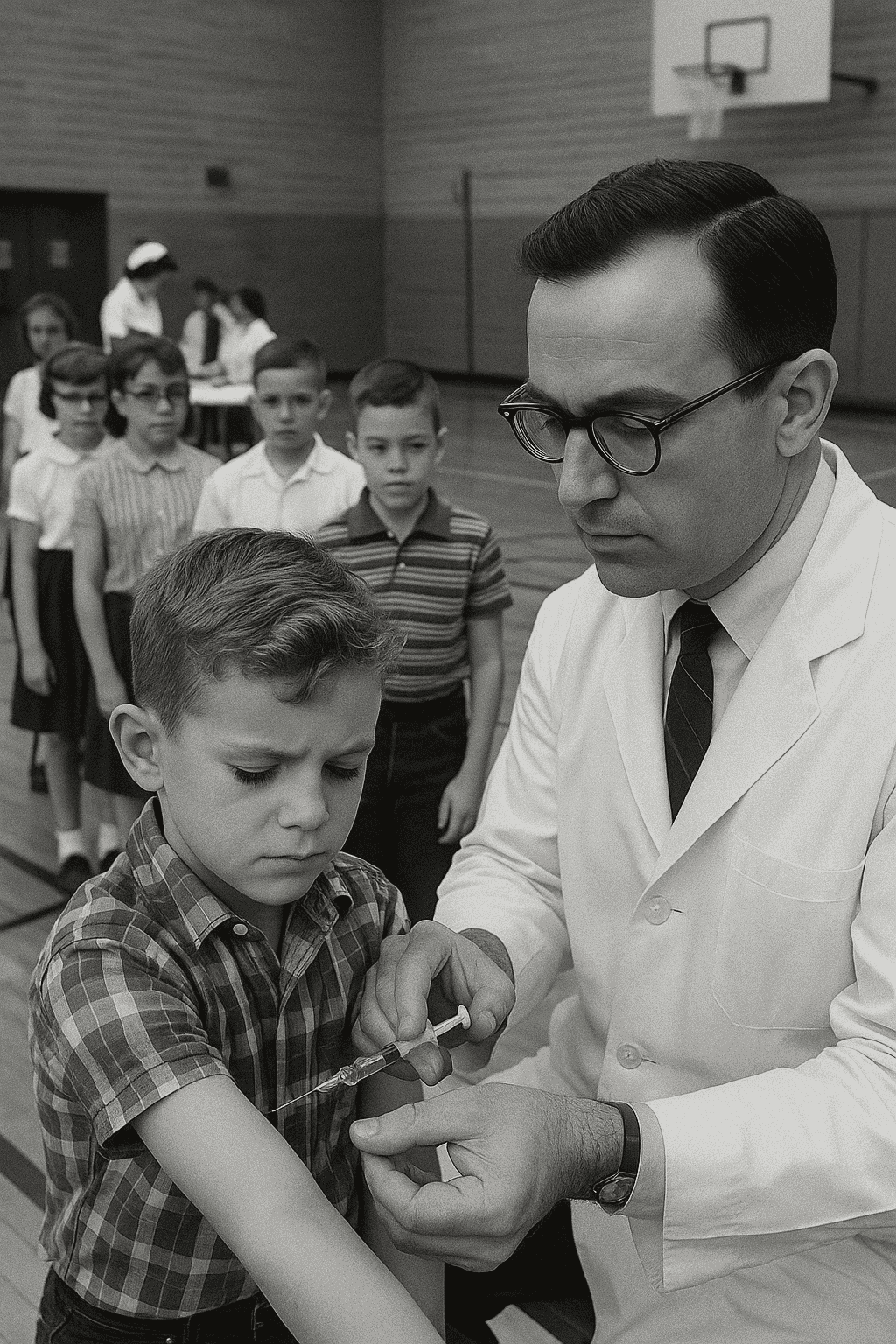
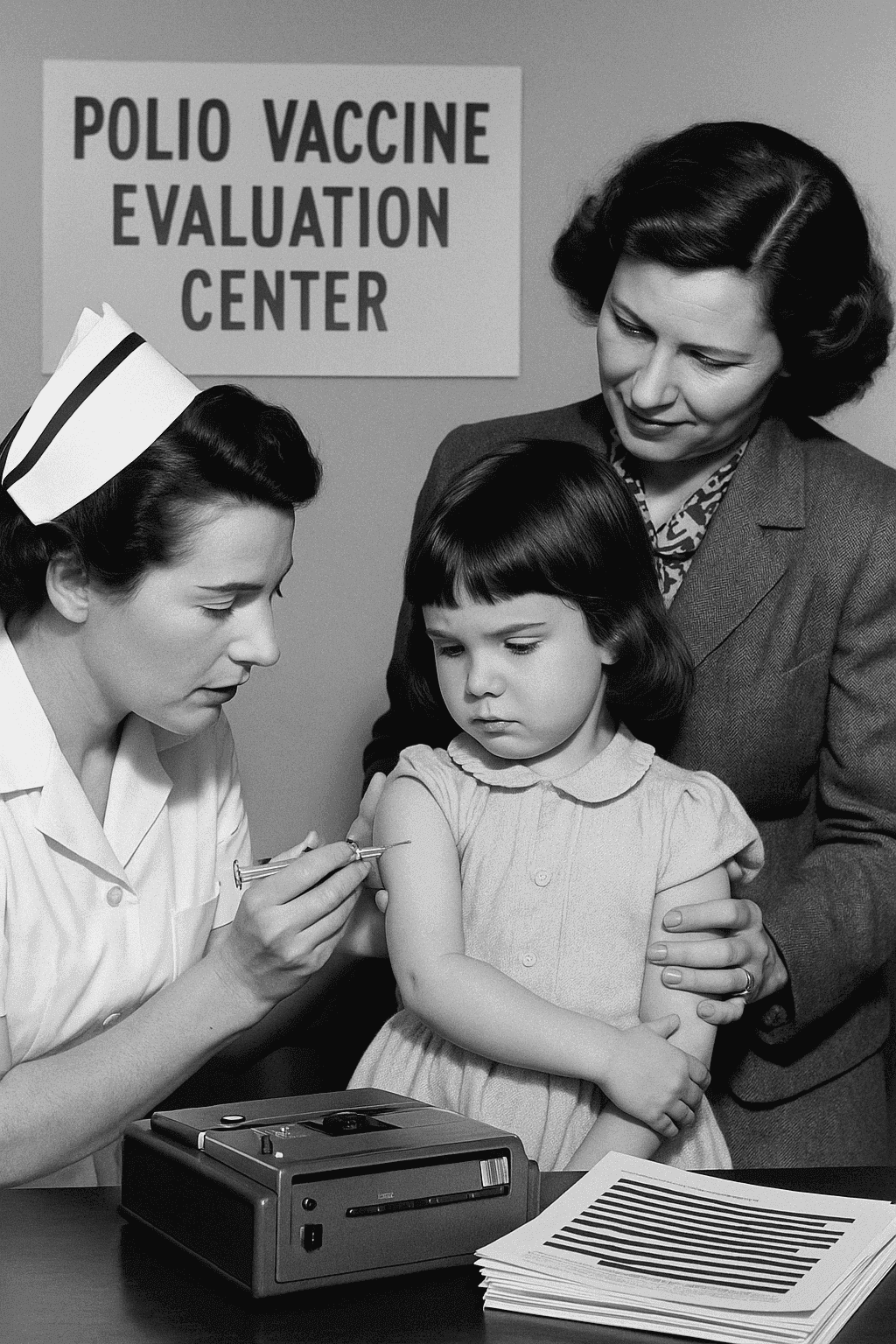
The mass trials that began on April 26, 1954, were unprecedented in scale and scope. Nearly 1.8 million children, dubbed “Polio Pioneers,” participated in the trials across 44 states. The effort involved thousands of doctors, nurses, teachers, and volunteers, all united by a common goal: to stop polio in its tracks.
The trials were meticulously structured, with participants randomly assigned to receive either the vaccine or a placebo. This level of scientific rigor helped ensure that the results would be conclusive. Less than a year later, on April 12, 1955, the vaccine was declared “safe, effective, and potent”—triggering widespread celebration and an immediate rollout across the country.
A Legacy of Innovation and Collaboration
The success of the polio vaccine was a triumph not only for science but for public trust and collective action. Dr. Salk famously refused to patent the vaccine, saying, “Could you patent the sun?” His commitment to accessibility underscored the humanitarian spirit that guided the project.
Over the following decades, widespread vaccination campaigns dramatically reduced polio cases worldwide. Today, polio remains endemic in only a few regions, and global eradication remains within reach—thanks to the pioneering work begun in 1954.
April 26 stands as a powerful reminder of what can be achieved when science, community, and compassion come together in the face of a public health crisis. The beginning of the polio vaccine trials was more than a medical milestone—it was a declaration that disease could be defeated, and that hope, when combined with action, can change the course of history.