On April 21, 1895, American audiences experienced something extraordinary: the first public demonstration of a motion picture projector in the United States. It was a moment that redefined entertainment forever, transforming still photography into dynamic, moving images projected onto a screen. This pivotal event marked the beginning of a revolution in how people engaged with stories, news, and visual experiences—one that would soon grow into a billion-dollar global industry.
The Mechanics of a Revolution
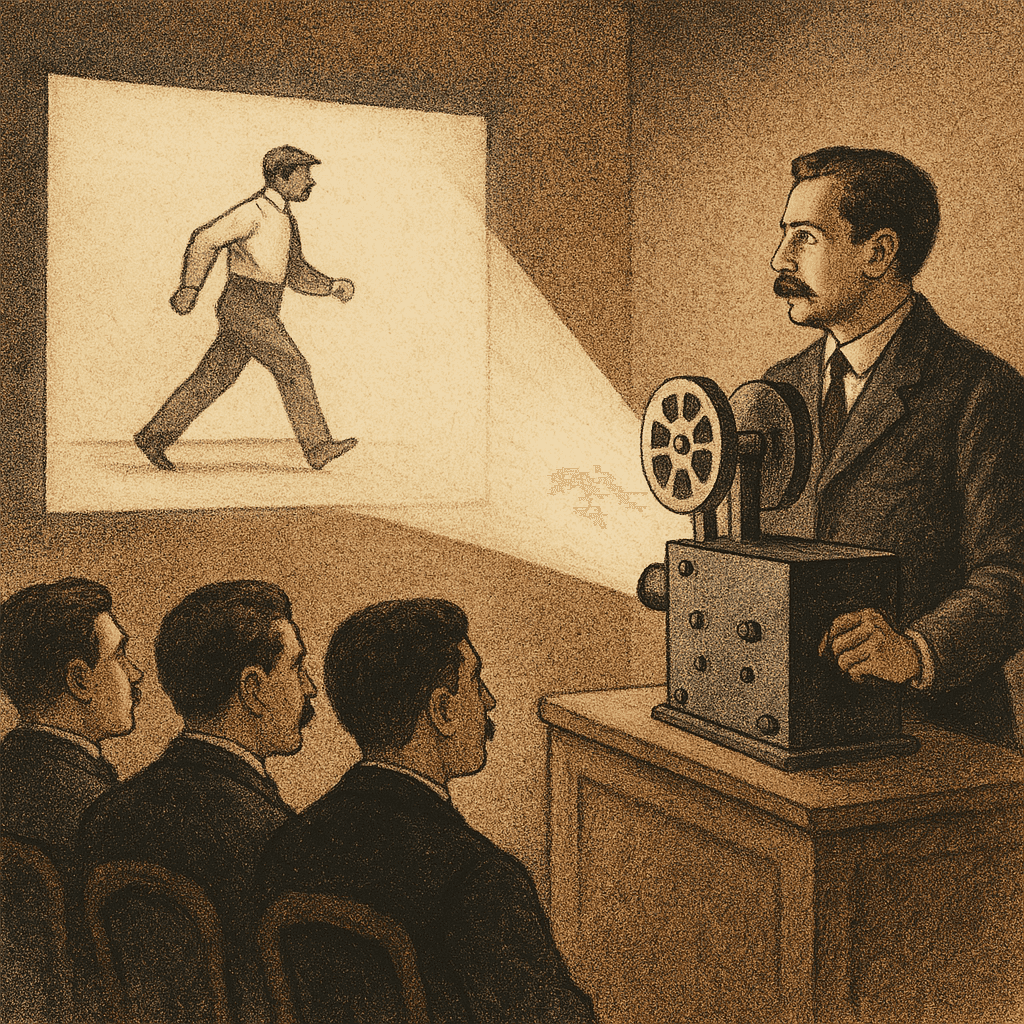
The machine that dazzled audiences that day was the Vitascope, a device designed to project films to a large audience. Developed by inventors Charles Francis Jenkins and Thomas Armat, the Vitascope was a leap forward from the peephole kinetoscope, which only allowed one viewer at a time. Armat later partnered with Thomas Edison, who saw the potential in mass exhibition and added his brand name to the device, helping it reach broader markets. The Vitascope’s ability to bring images to life on a shared screen created a communal viewing experience that would become central to the cinematic tradition.
What made the Vitascope truly revolutionary was its use of intermittent movement—a way to pause each frame briefly as it was projected to reduce flicker and give the illusion of smooth, continuous motion. The synchronization of film reels, light sources, and lenses required a delicate balance of engineering and innovation. It was more than just machinery—it was the birth of a medium, one that merged technology with imagination.
From Novelty to Industry
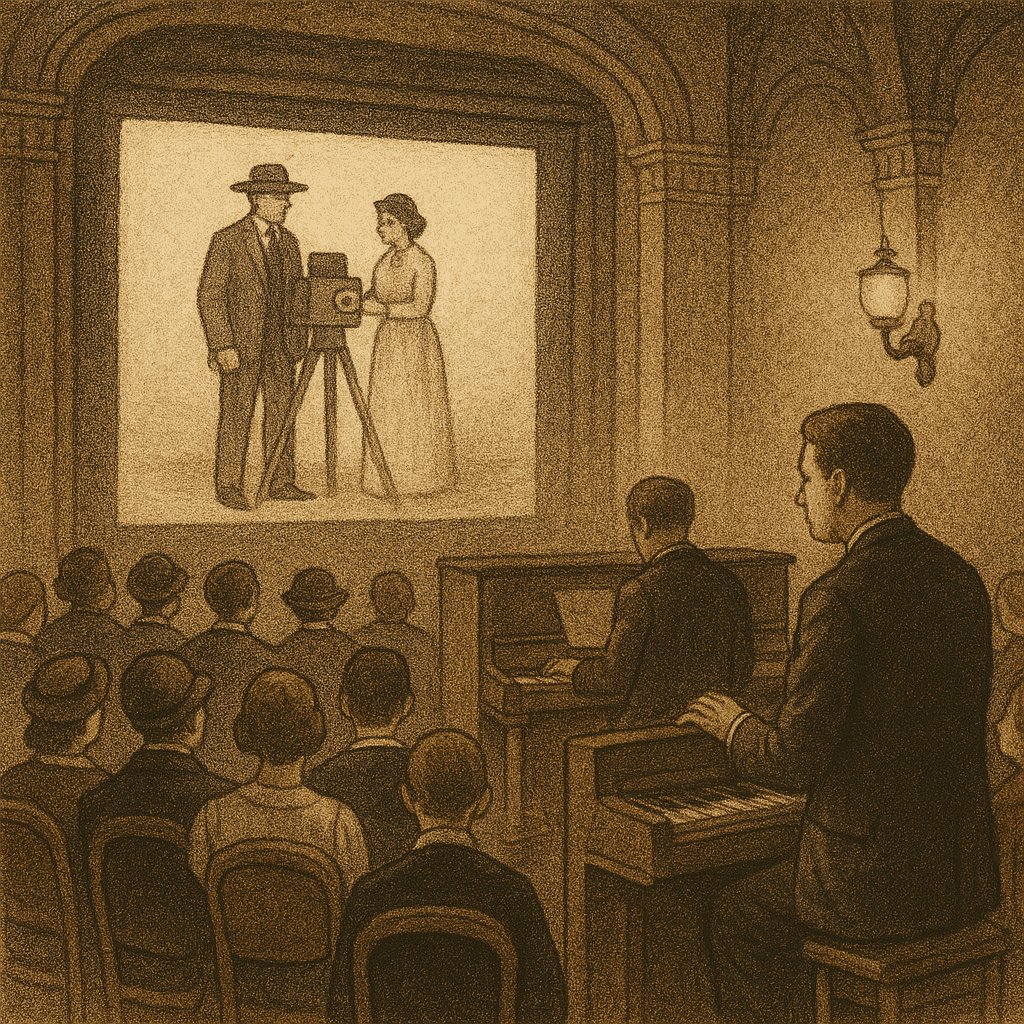
What began as a sideshow attraction quickly exploded into one of the most influential forms of mass entertainment. By the early 20th century, nickelodeons—small theaters dedicated to showing short films—began to spring up across the United States. Admission was often just five cents, making the medium accessible to all classes of society. Filmmakers and inventors continued to experiment, leading to longer narratives, intertitles, musical accompaniment, and increasingly sophisticated visual techniques.
As storytelling grew more complex, the film industry began to formalize. Studios were founded, production pipelines developed, and the star system emerged. Filmmakers like D.W. Griffith and Georges Méliès pushed the artistic boundaries of the medium. By the 1920s, feature-length films were the norm, and Hollywood had begun its rise as the epicenter of cinematic production. Motion pictures had evolved from technical novelty into cultural force.
A Legacy That Endures
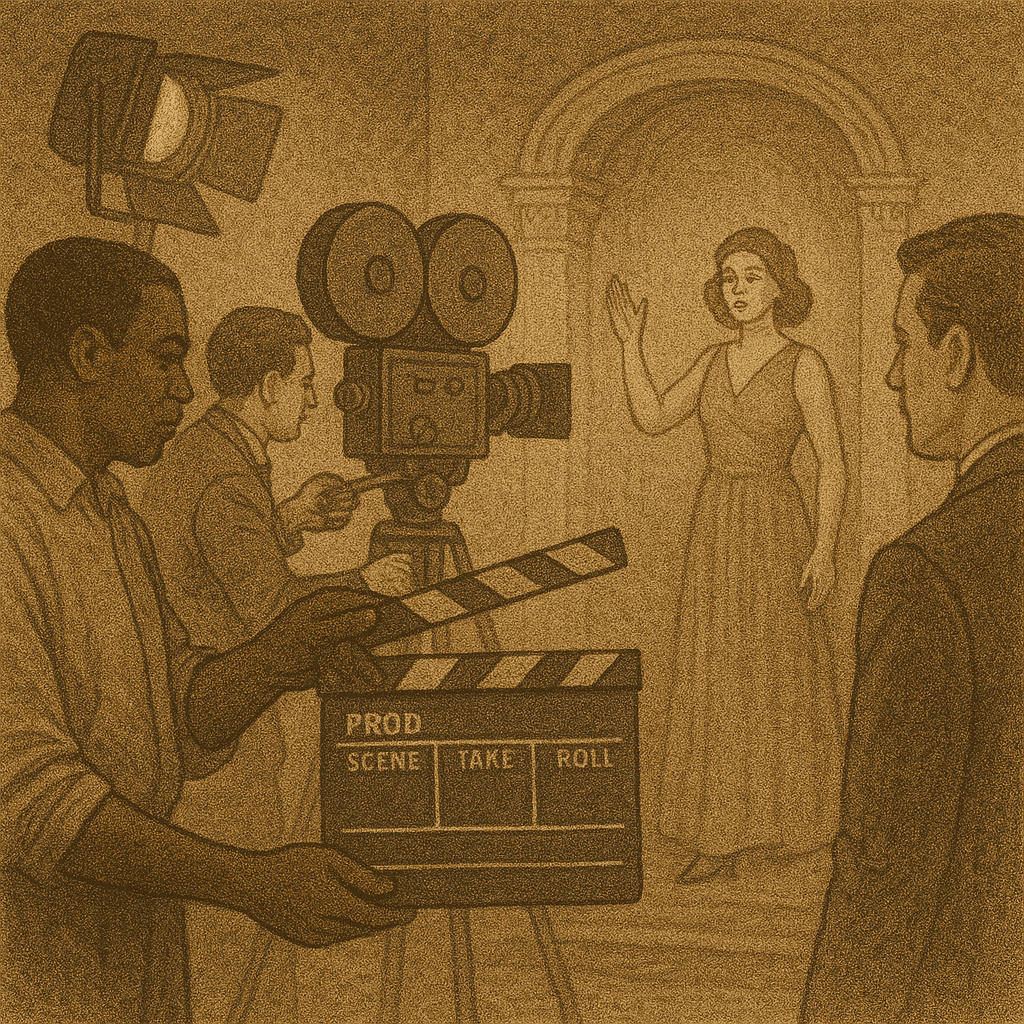
The influence of that first projection continues to echo through time. Today, cinema remains one of the most powerful forms of global communication. It is used not only to entertain but also to educate, document, and challenge societal norms. Directors, screenwriters, and visual artists work together to craft stories that resonate across cultures and languages, building on the foundation laid by early pioneers.
From silent films and talkies to color motion pictures and digital effects, the film industry has continuously adapted to technological advancements while maintaining its core mission: storytelling through sight and sound. Streaming platforms and virtual reality now push the boundaries of how films are made and consumed, yet they are still rooted in that same essential act of communal visual experience first introduced in 1895.
Even in an era of smartphones and short-form videos, the magic of the big screen persists. Film festivals, theatrical releases, and award shows continue to celebrate the art of cinema, reminding us of the enduring power of a good story told well. And it all began with a flicker of light, a strip of film, and a captivated audience looking toward the future.