Sirhan Sirhan, convicted of the assassination of Senator Robert F. Kennedy, was sentenced to death on April 23, 1969. The murder, which occurred just after Kennedy’s victory speech in the California Democratic primary, stunned a country already grappling with political unrest and social upheaval. The sentencing marked a pivotal chapter in a case that underscored the fragility of American democracy and the volatility of the era.
The Aftershock of an Assassination
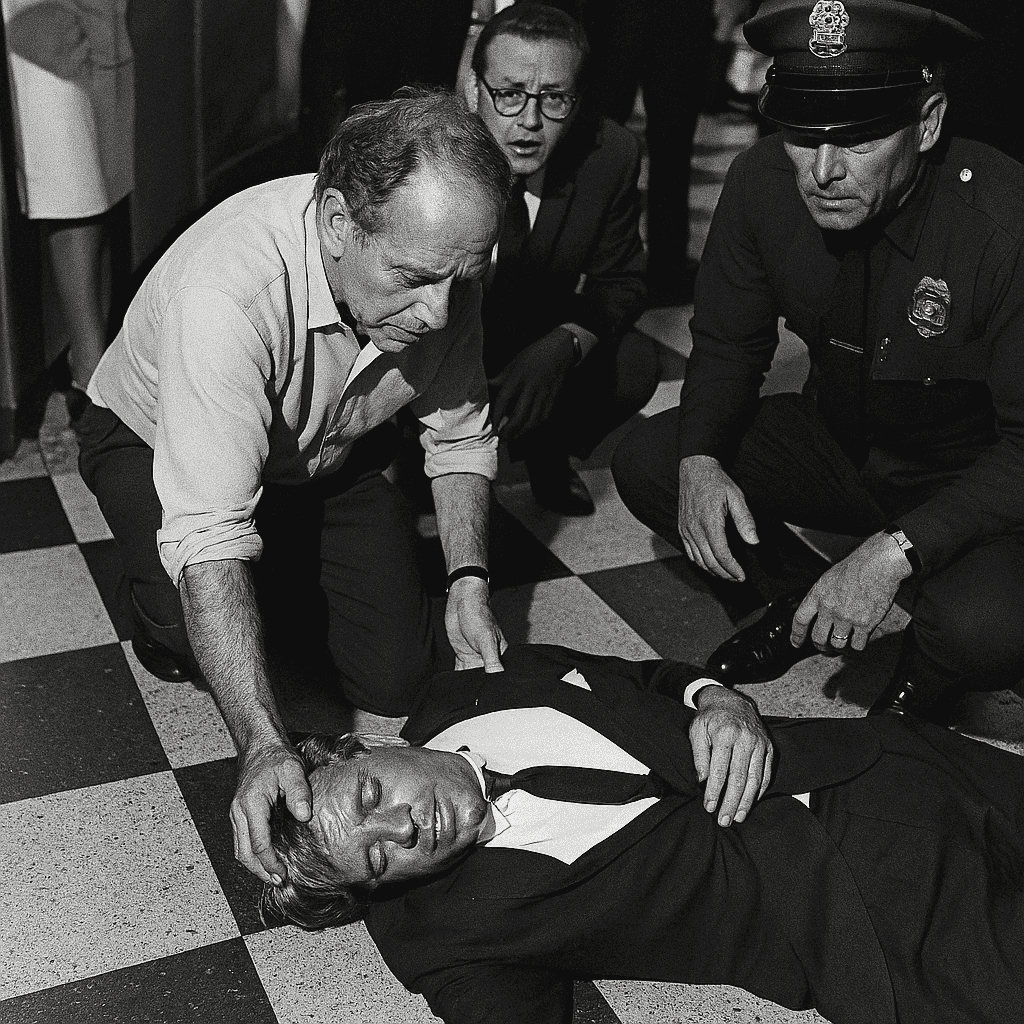
Robert F. Kennedy’s death on June 5, 1968, came less than five years after his brother, President John F. Kennedy, was assassinated. RFK’s presidential campaign had energized a broad coalition of voters hopeful for change, including those advocating for civil rights and an end to the Vietnam War. His assassination in Los Angeles devastated a nation clinging to his promise of unity and reform.
Sirhan Sirhan, a 24-year-old Palestinian immigrant, was arrested at the scene and quickly confessed. He claimed that Kennedy’s support for Israel had driven him to act, making the killing not just a personal tragedy, but a flashpoint in global tensions playing out on American soil.
A Trial that Captivated the Nation
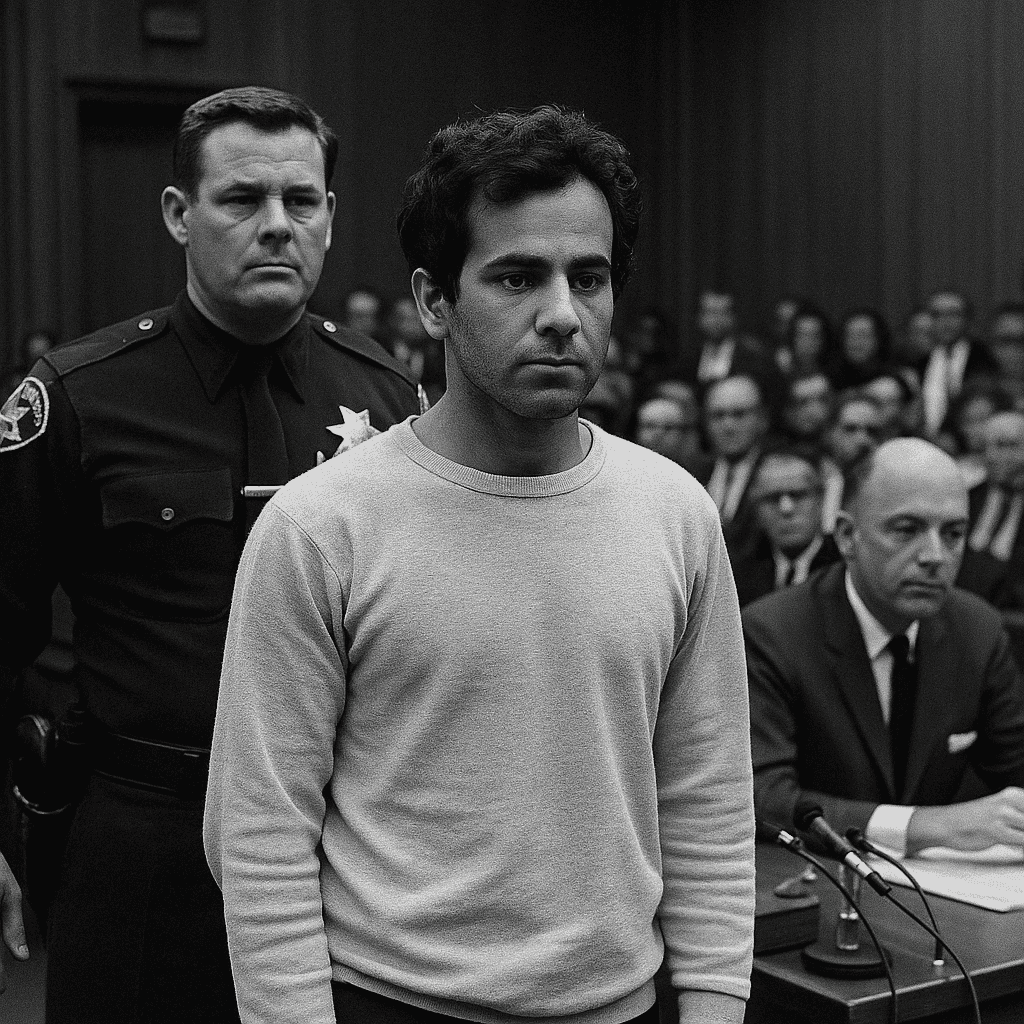
Sirhan’s trial began in early 1969 and attracted intense media coverage. The courtroom became a theater of grief, anger, and intrigue as the prosecution laid out a clear case for premeditated murder. Sirhan’s defense team raised questions about his mental state and pushed for a lesser sentence, but the jury was unmoved.
After a brief deliberation, the jury sentenced Sirhan to death. The swift decision brought a sense of finality to a shocked public, yet it also ignited debates about the nature of justice, the death penalty, and whether all relevant facts about the assassination had truly been uncovered.
Justice, Reform, and a Changing Legacy
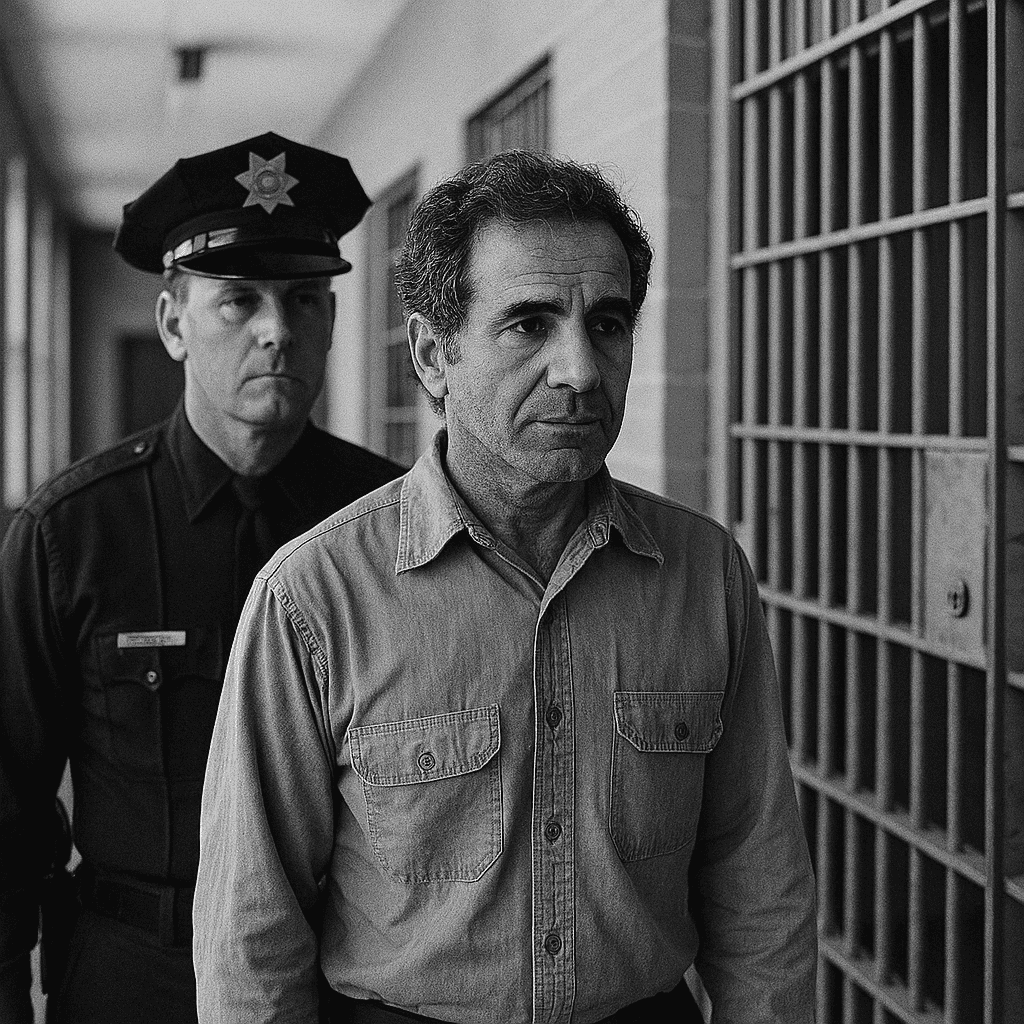
In 1972, California’s Supreme Court ruled the death penalty unconstitutional, and Sirhan’s sentence was commuted to life imprisonment. Since then, he has been denied parole more than a dozen times, though recent hearings have reignited controversy over whether he still poses a threat to society.
The case remains one of the most impactful assassinations in American history, not only for ending Kennedy’s hopeful campaign but for reinforcing calls for political reform, gun control, and better protection for public figures. Sirhan’s act and the aftermath continue to serve as a dark reminder of the costs of political violence in a democratic society.